The complete working principle of explosion-proof FFU (easy-to-understand + professional version)
I. Overall Definition
Explosion-proof FFU = Explosion-proof sealed motor + centrifugal fan + efficient filter + explosion-proof electrical sealing structure that combines local air circulation purification + explosion-proof flame retardancy and elimination of ignition sources as the two core functions.
II. Basic purification working principle (consistent with ordinary FFU)
Negative pressure intake
The fan rotates at high speed, sucking in the workshop air from the top;
Positive pressure supply
The centrifugal fan generates static pressure, evenly pushing the air downward;
Efficient filtration
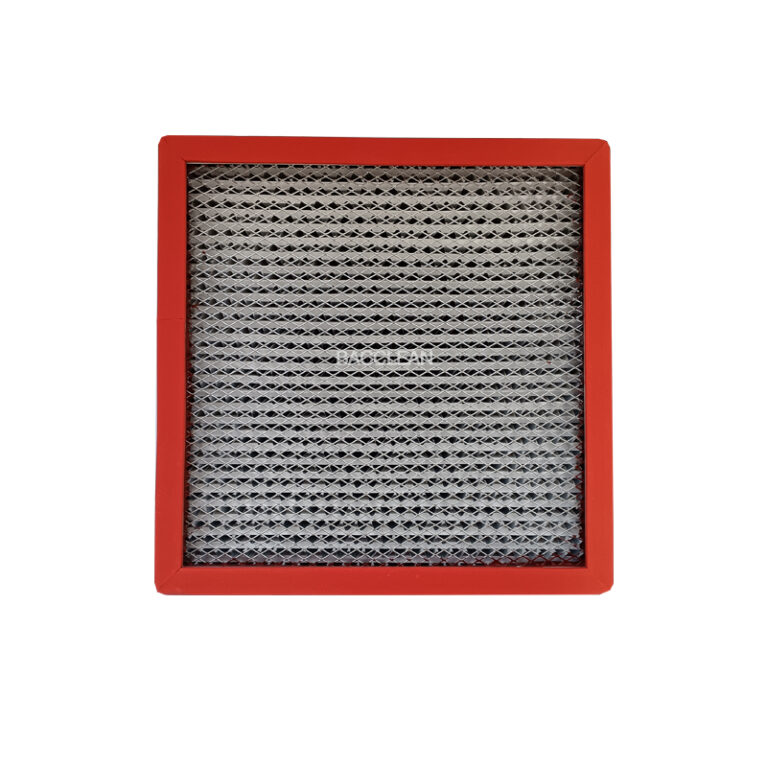
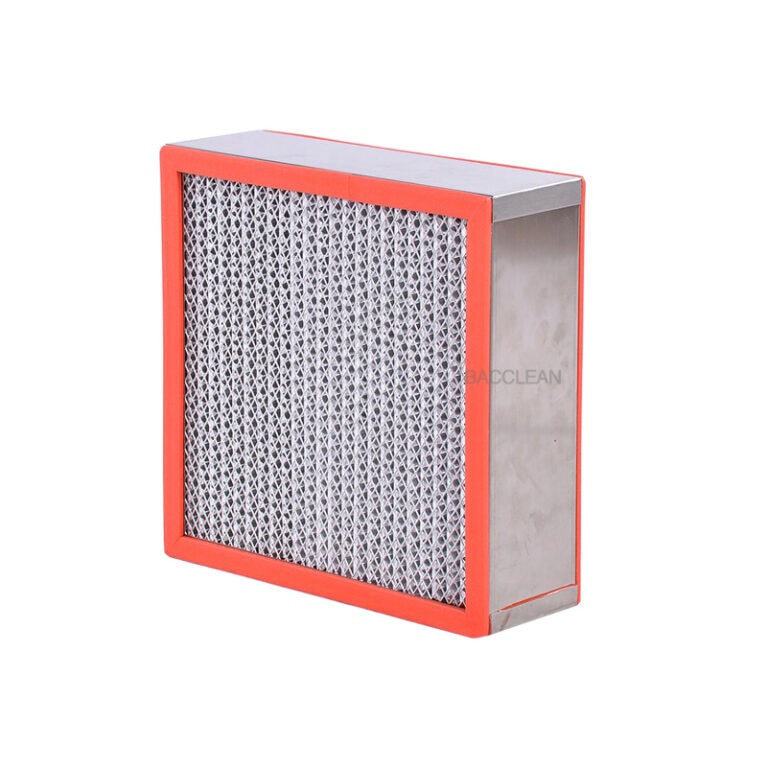
The airflow passes through HEPA/ULPA efficient filters, filtering dust and particles;
Laminar air supply
The clean air is sent downward in a uniform laminar flow, maintaining the pressure difference and cleanliness of the clean room / explosion-proof clean area.
III. Core: Explosion-proof principle (key difference)
This is the core part of explosion-proof FFU, used to prevent flammable and explosive gases, solvent vapors, and combustible dust from being ignited.
1. Motor explosion-proof isolation
A flameproof / enhanced safety type explosion-proof motor is used, with the motor stator, coil, and wiring chamber being fully enclosed explosion-proof cavities;
Even if there is a short circuit, sparking, or generation of electric sparks inside the motor, the sparks will be enclosed in the explosion-proof housing and will not escape to the external flammable and explosive environment;
The explosion-proof joint surface is precisely matched, with sealing rubber rings, and the gap strictly conforms to explosion-proof standards, preventing flames from escaping.
2. Electrical full explosion-proof treatment
The junction box is a dedicated explosion-proof junction box, and the cable entry point is sealed with explosion-proof sealing filler;
There are no exposed terminal blocks or exposed contacts, avoiding arc and electric spark generation;
The matching explosion-proof speed control / control components eliminate the potential hazards of ordinary electrical control sparking.
3. Anti-static, anti-friction sparks
The metal casing of the entire machine is reliably grounded + equipotential connection to eliminate static accumulation;
The impeller and casing use materials that are not prone to sparks, preventing mechanical sparks from being generated by high-speed rotation and impact;
The surface is anti-static sprayed to avoid static ignition in organic solvent environments.
4. Temperature rise control
The explosion-proof motor is designed with reduced power and temperature limit, with the surface maximum temperature strictly controlled within the T4/T6 temperature group, and will not ignite surrounding volatile flammable gases (lithium battery, chemical, pharmaceutical solvent environments are necessary).
IV. Summary of operation process (one sentence to understand)
After the equipment is powered on, the explosion-proof sealed motor drives the fan to rotate → the enclosed cavity isolates internal electric sparks and high temperatures → sucks in air and adds pressure → passes through the efficient filter for purification → downward laminar flow delivers clean air, achieving both clean dust removal and completely eliminating explosion hazards from fire sources, high temperatures, static electricity, and friction sparks.
V. Applicable logic
As long as there are: flammable and explosive gases / electrolyte vapors / alcohol acetone solvents / combustible dust
in the site and a need for cleanliness,
an explosion-proof structure to isolate ignition sources is required – explosion-proof FFU with explosion-proof motor is necessary, while ordinary FFU motors without explosion-proof are prone to cause safety accidents.