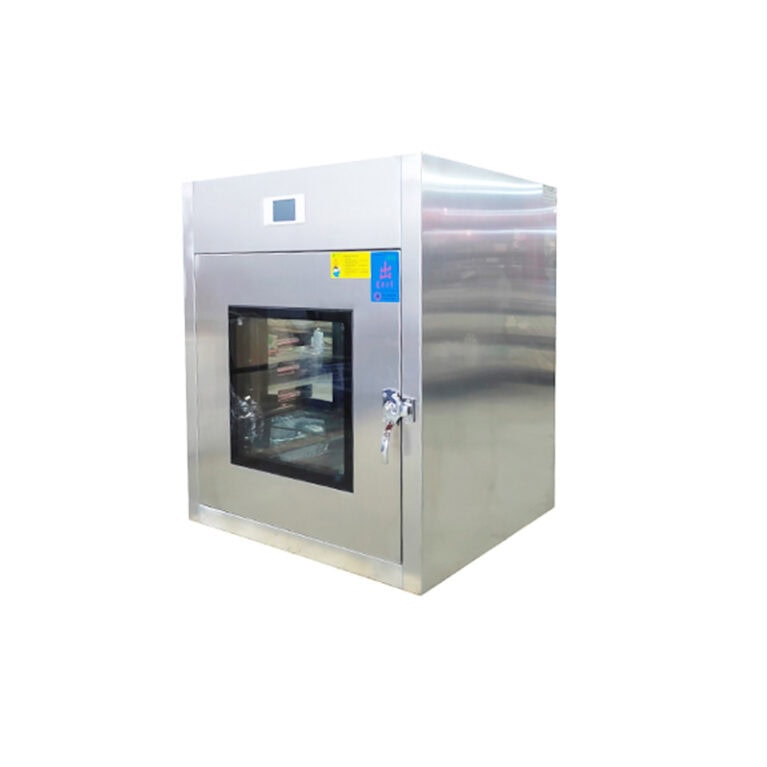
Conclusion: Under normal maintenance, the negative pressure weighing chamber typically lasts for 8–12 years, and the laminar flow hood typically lasts for 10–15 years; the core components (fans, electrical control, HEPA) have a shorter lifespan and need to be replaced in the middle stage.
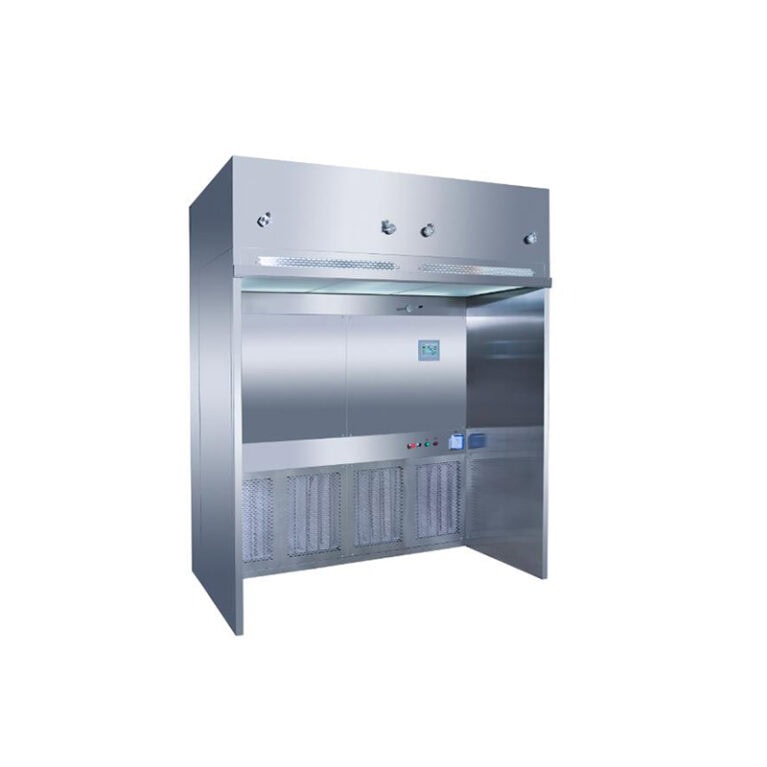
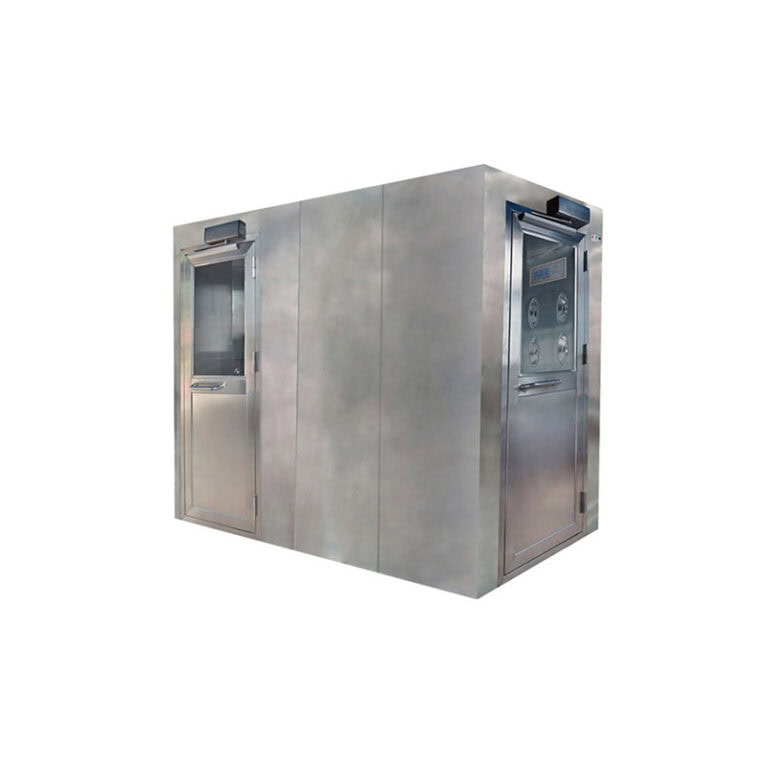
I. Negative Pressure Weighing Chamber (Whole Machine)
Design Life: 8–12 years (industry standard)
Good Maintenance: Up to 10–15 years (304 stainless steel, properly sealed, regular verification)
Harsh Conditions / Minimal Maintenance: 5–8 years (highly active dust, acid-base corrosion, air leakage, not replacing filter materials in time)
Core Component Lifespan
Fan (supply + exhaust): 5–8 years (approximately 60,000 hours)
Control System (PLC, differential pressure sensor): 6–8 years
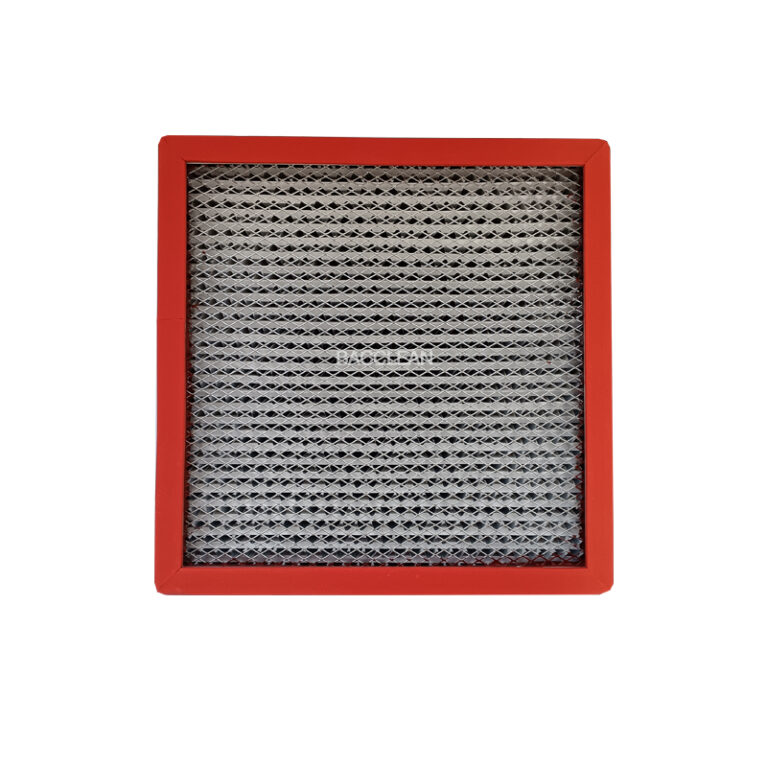
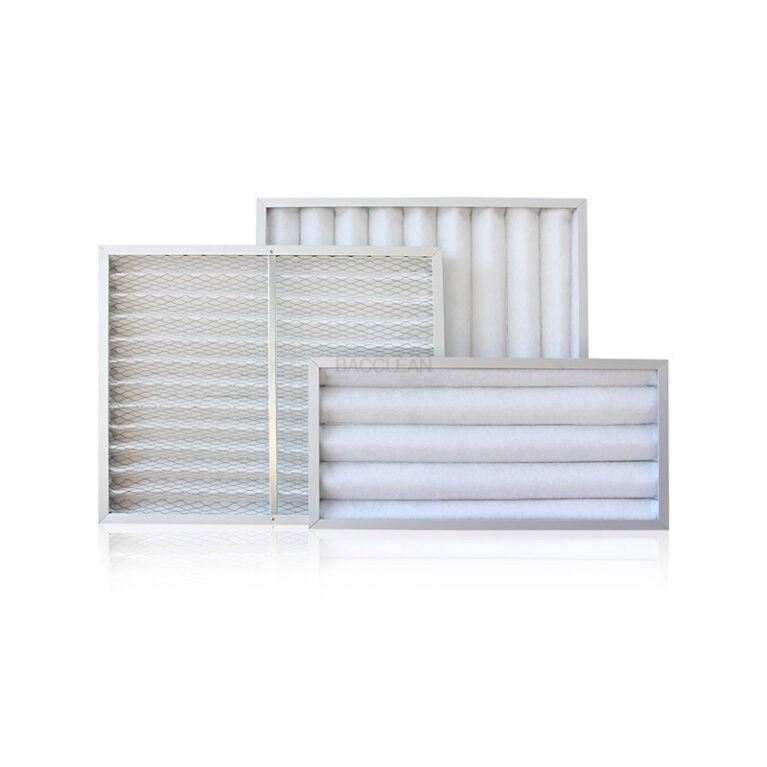
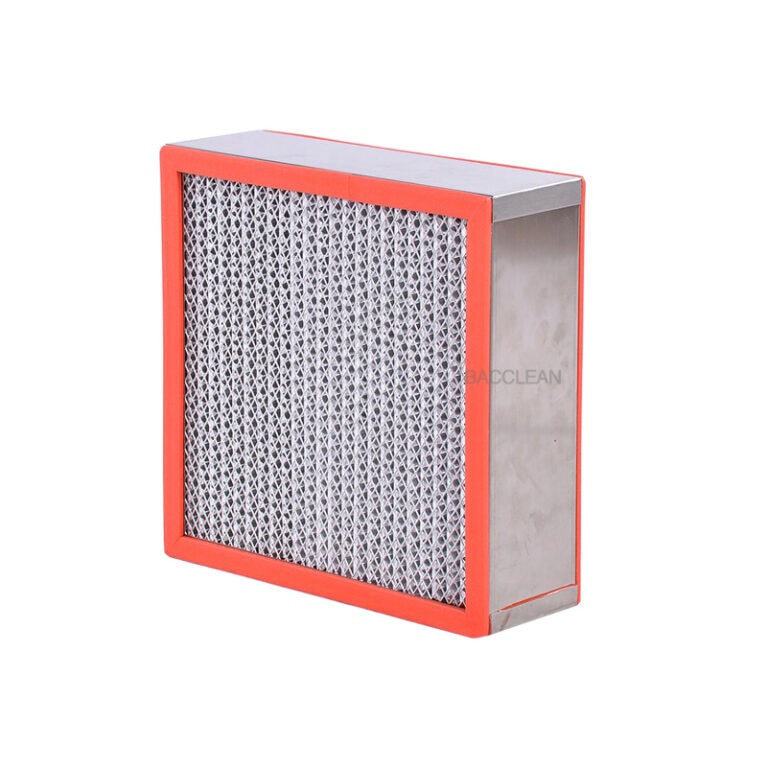
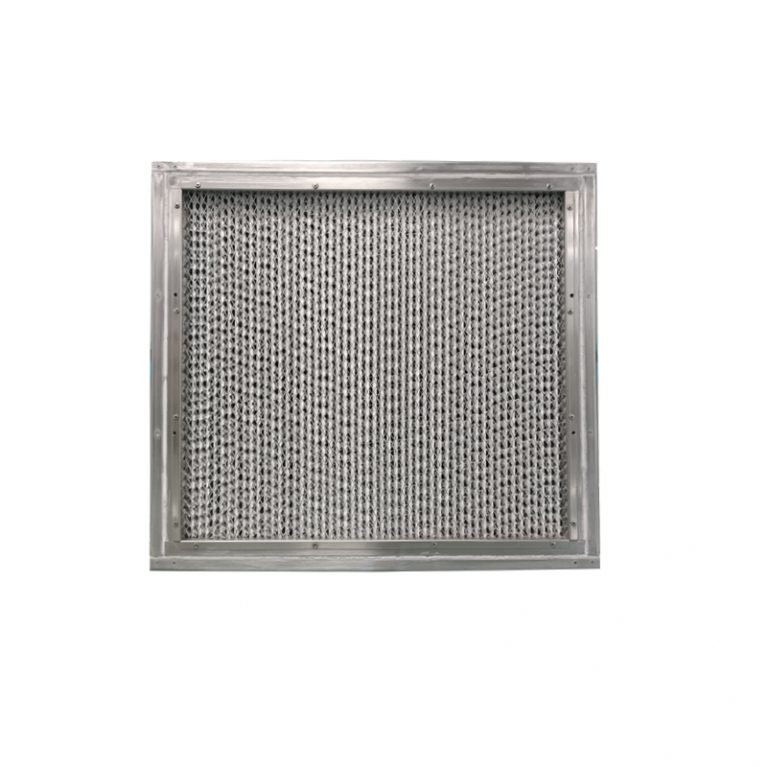
Supply HEPA: 1–2 years; Exhaust HEPA: 0.5–1 year (high dust load)
Sealing / Soft Curtains: 0.5–1 year (frequent replacement)
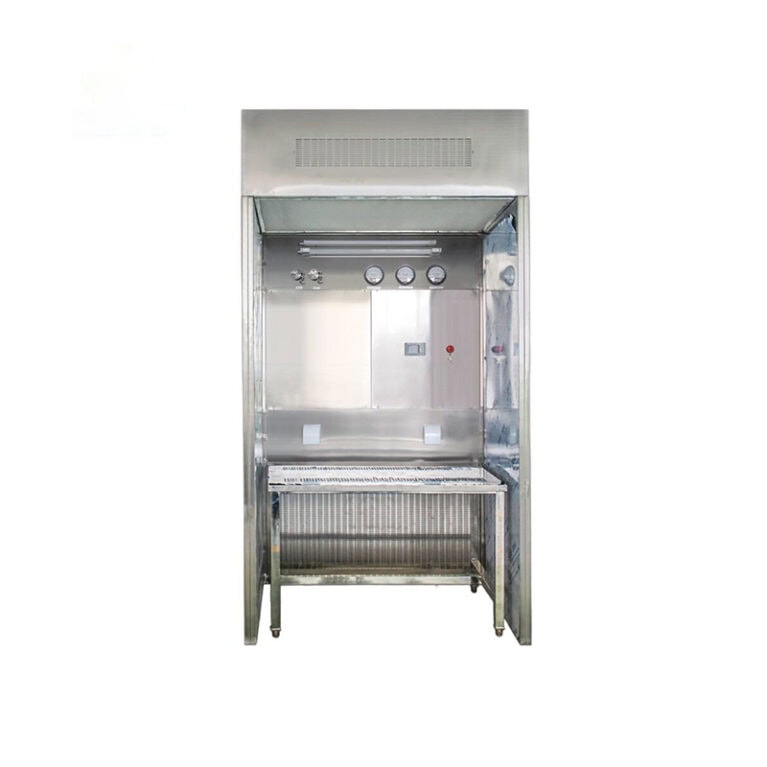
II. Laminar Flow Hood (Whole Machine)
Design Life: 10–15 years (simple structure, positive pressure, low dust)
Good Maintenance: Up to 15–20 years (stainless steel / zinc-aluminum plate coating, only replace HEPA, clean environment)
Minimal Maintenance / High Humidity: 8–10 years (line aging, box rusting, uneven wind speed)
Core Component Lifespan
Fan: 8–10 years (6–10,000 hours, single fan, low load)
Control System: 8–12 years (simple speed regulation, no negative pressure interlock)
Supply HEPA: 1–3 years (low dust, longer lifespan)
III. Comparison and Reasons
Whole Machine Lifespan: Laminar Flow Hood (10–15 years) > Negative Pressure Weighing Chamber (8–12 years)
Key Reasons
Working Environment: Negative pressure handles highly active/toxic dust for a long time, resulting in stronger corrosion and wear; Laminar Flow Hoods are mostly in a sterile clean environment with lower loads.
Structural Complexity: Negative pressure has dual fans + dual HEPA + strict sealing + complex control, with more vulnerable parts; Laminar Flow Hoods have a single fan + single HEPA + open structure, simpler and more durable.
Maintenance Intensity: Negative pressure requires frequent replacement of parts and verification, with greater cumulative wear; Laminar Flow Hoods have simple maintenance and slower aging of the entire machine.