
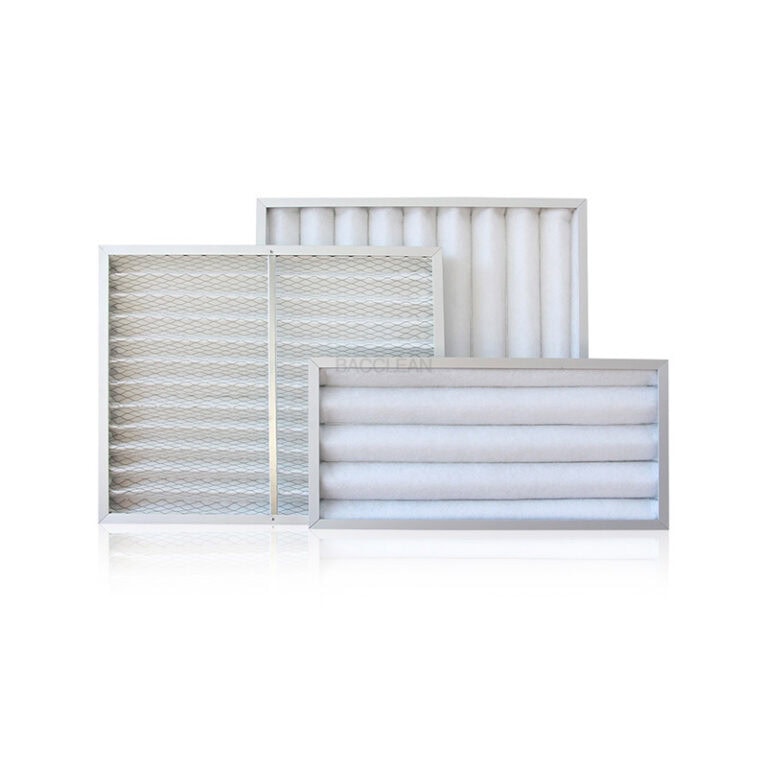
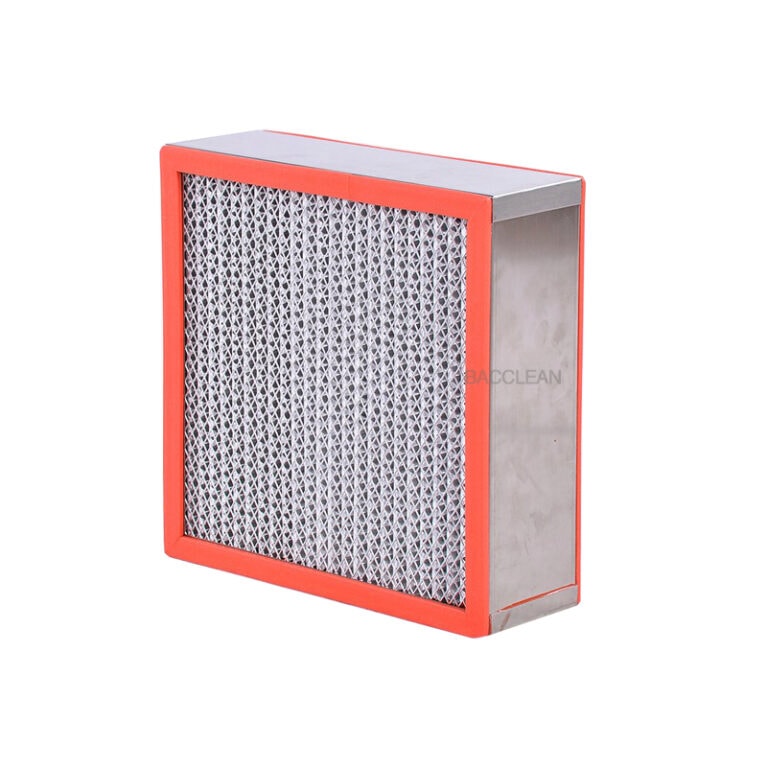
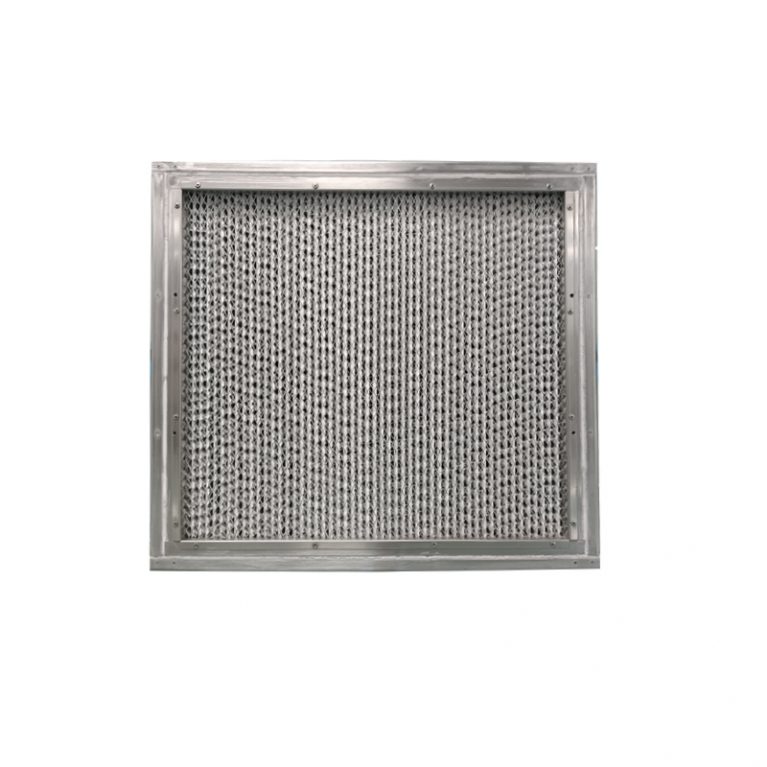
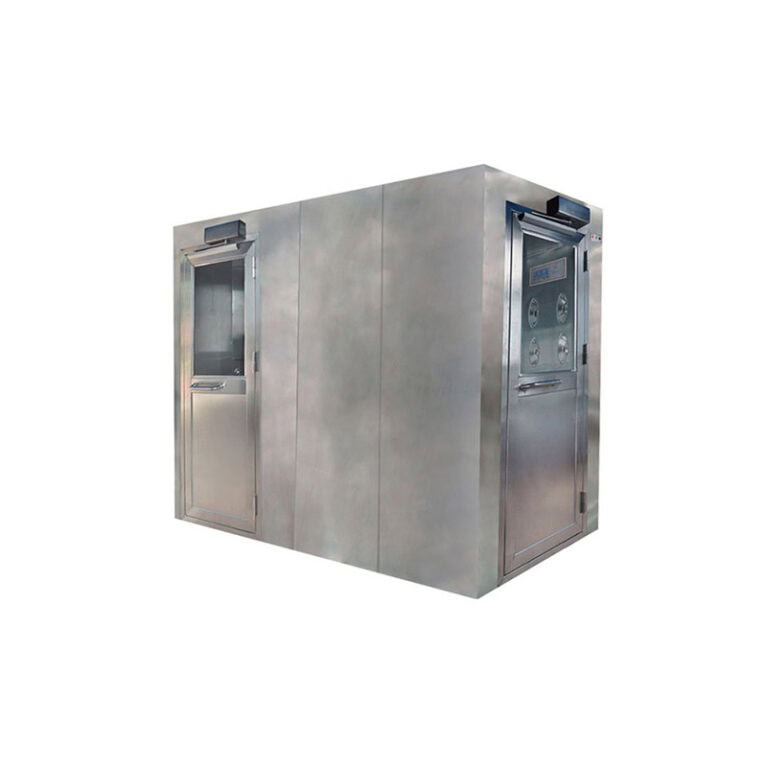
1. Filtration Purification: Physical Interception for Particles and Attached Microorganisms
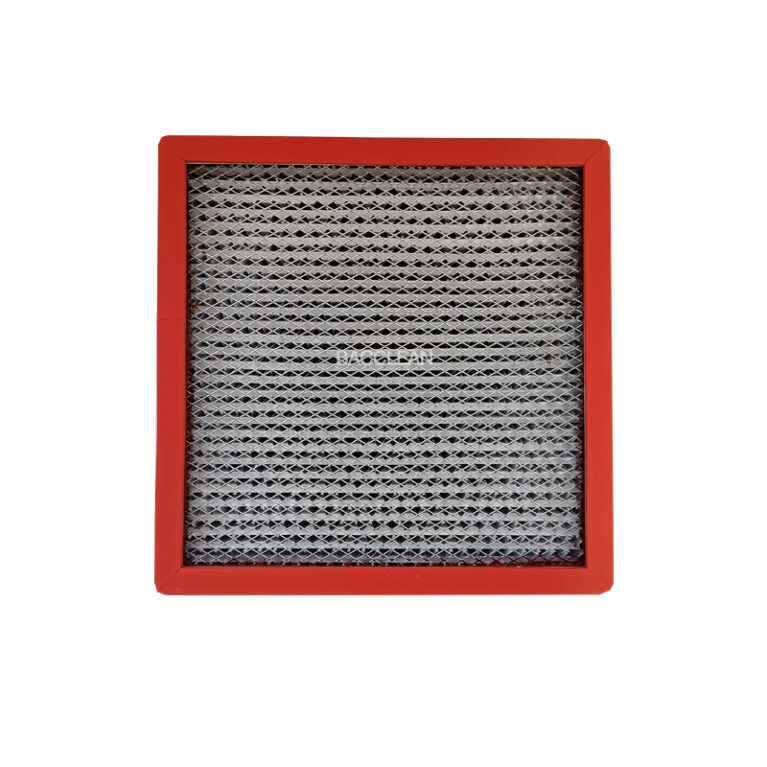
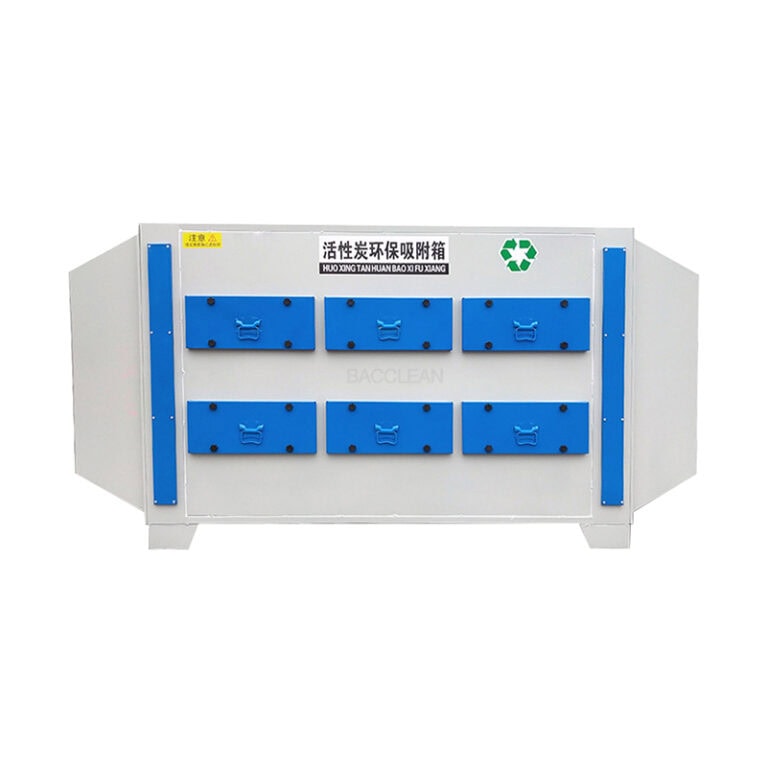
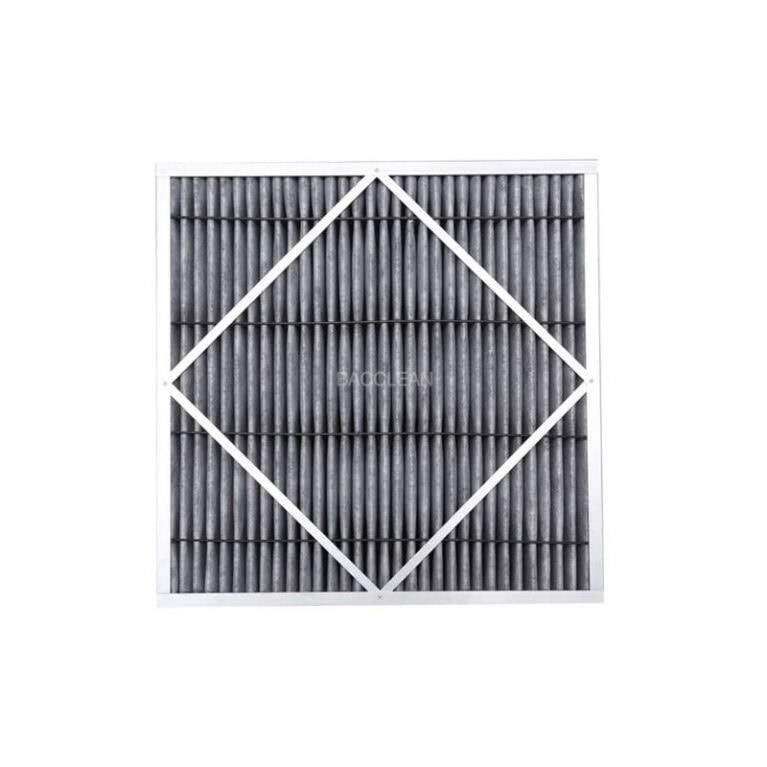
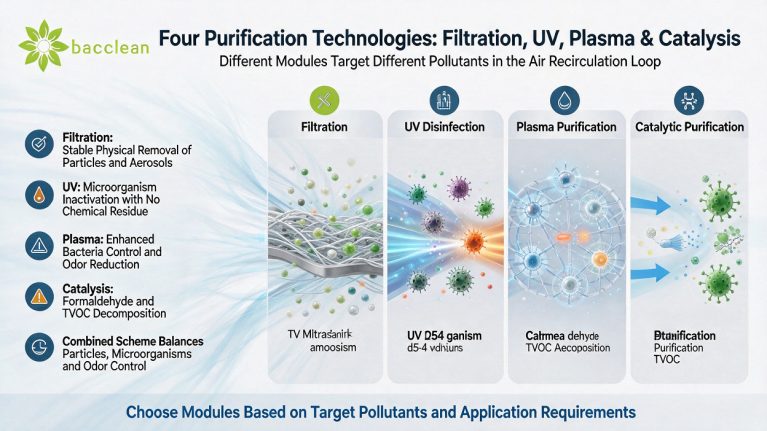
Filtration is the most fundamental and stable purification method. The fan draws air through successive layers of filter media to trap particles inside the filter. Standard configurations include pre-filter and medium filter, while high-end units are equipped with H13/H14 HEPA filters. Pre-filters and medium filters intercept hair, floccules and coarse dust; HEPA high-efficiency filters capture submicron dust and aerosols. Most bacteria and viruses attach to particles and are trapped together with aerosols. Filtration is a purely physical treatment without secondary by-products, and its particle removal performance is stable, which can be monitored by pressure differential. Limitations: Filters only capture particles and cannot actively kill microorganisms. Bacteria and mold trapped on the filter media may multiply under suitable temperature and humidity, and cause secondary release if the filter screen is not replaced timely. It has almost no removal effect on gaseous pollutants such as formaldehyde and TVOC.
2. Ultraviolet Disinfection: Destroying Microbial Nucleic Acid via Radiation
The UV disinfection module generally adopts 254 nm short-wave UV lamps, installed inside the sealed cavity of the equipment. When air flows through the UV irradiation zone, microorganisms are exposed to ultraviolet radiation, which damages the structure of their DNA or RNA and deprives them of replication and infectivity to achieve inactivation. Its core prerequisite is sufficient irradiation dose, which is directly related to UV intensity and air residence time. The faster the air flows, the shorter the residence time of microorganisms in the UV zone, and the poorer the disinfection effect. Advantages: It inactivates bacteria, viruses and mold spores with no chemical residues. The lamps only need periodic replacement and consume no other consumables. Limitations: Ultraviolet rays travel in straight lines and form shadow dead zones. It cannot penetrate dust, so microorganisms wrapped in particles are difficult to be inactivated. UV cannot remove dust or odors. Direct exposure to open UV light in occupied spaces will damage human skin and eyes, so the UV section must be enclosed inside the equipment. In addition, UV combined with titanium dioxide constitutes photocatalysis.
3. Plasma Purification: Electric Ionization for Microorganism Inactivation and Odor Decomposition
The plasma module contains high-voltage electrodes that form a high-voltage electric field in the air passage. The electric field ionizes air to generate a large number of positive and negative ions and high-energy electrons. Collisions between high-energy particles and microorganisms or gaseous molecules realize two functions: breaking the cell membrane and internal structure of microorganisms for inactivation, and breaking chemical bonds of volatile organic compounds to decompose odor molecules. Plasma purification requires no heavy filter screens, featuring low air resistance and low fan energy consumption. Some models support long-term operation with simple maintenance. Limitations: Improper working conditions tend to produce by-products such as ozone and nitrogen oxides. Excessive ozone irritates the respiratory tract and corrodes seals in equipment and rooms. It has weak removal capacity for coarse dust and generally needs to be used with a front-stage filter. Its stability is greatly affected by humidity, and the performance declines significantly in high-humidity environments.
4. Catalytic Purification (Photocatalysis & Normal-temperature Catalysis)
Catalysis is divided into photocatalysis and normal-temperature catalysis.
-
Photocatalysis: Using materials such as titanium dioxide as catalysts, hydroxyl radicals and superoxide radicals are generated under the excitation of 254 nm ultraviolet light. These strongly oxidizing free radicals can oxidize and decompose gaseous pollutants including formaldehyde and TVOC, and also kill microorganisms.
-
Normal-temperature catalysis: It requires no UV excitation. Relying on active sites on the catalyst, it directly oxidizes and decomposes VOCs at ambient temperature. It has become a widely adopted solution in recent years, with no UV lamps and no ozone risk.
Advantages: It targets gaseous pollutants to eliminate odors and formaldehyde, making up for the shortcomings of filtration modules. Limitations: Catalytic materials are easily deactivated when covered by oil stains and dust, so front-stage filtration is mandatory. Decomposition efficiency is affected by temperature, humidity and pollutant concentration. Some catalytic materials have a limited service life and need regular replacement.
5. Overall Air Circulation Process (Multi-module Combined Models)
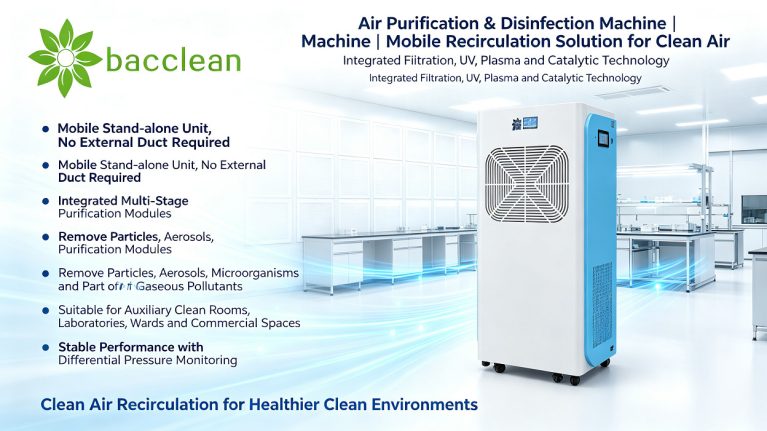
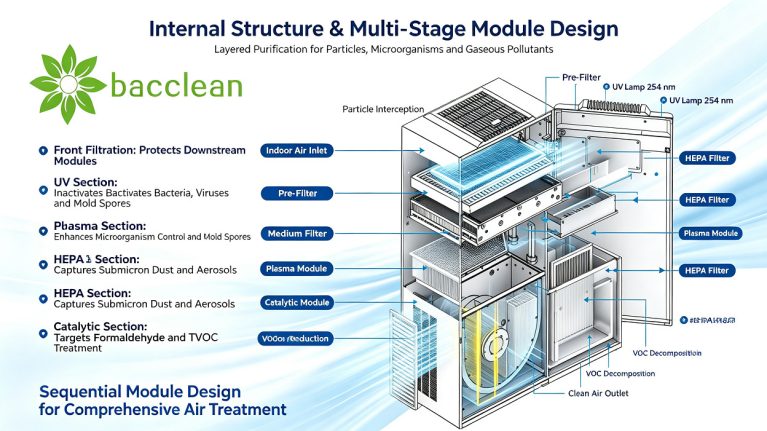
Most commercial air purification and disinfection machines on the market are combined-type units. The typical air flow sequence is as follows: Indoor air → Front-stage pre-filter / medium filter (intercept coarse particles and protect downstream modules) → Optional plasma / UV cavity (inactivate microorganisms) → HEPA filter (capture ultrafine aerosols) → Catalytic module (decompose formaldehyde and odors) → Clean air delivered back to the room. The fan continuously drives indoor air circulation. Repeated air treatment gradually reduces the particle concentration and microbial load in the space. It should be noted that this equipment works on internal recirculation without introducing fresh outdoor air, so it cannot reduce carbon dioxide concentration. Timely ventilation is still required for long-time operation in enclosed rooms.
6. Application Boundaries and Common Misconceptions in Technology Selection
-
UV alone cannot achieve high-efficiency disinfection. Excessively fast airflow or long irradiation distance leads to insufficient dose and substandard disinfection performance. UV is suitable as an auxiliary means and cannot independently treat high-concentration aerosols.
-
Plasma technology is not zero-ozone. Low-cost models have poor high-voltage control accuracy and tend to produce excessive ozone. Low-ozone or ozone-free solutions are preferred for medical and GMP auxiliary rooms.
-
Catalysis cannot replace filtration. Catalytic functions will fail directly once the catalyst surface is covered by dust, so front-stage filtration is a necessary prerequisite.
-
HEPA filter screens are not permanent. Accumulated dust and microbial growth on filter media will turn the filter into a pollution source, and replacement shall be carried out according to pressure differential or service cycle.
-
Purification and disinfection machines cannot replace terminal HEPA air supply of cleanrooms. They serve as auxiliary recirculation equipment. Their air change rate and airflow uniformity fail to meet the standards for GMP Grade A/B clean zones, and they are mostly used in Grade C/D auxiliary rooms, airlocks, offices and wards.
Conclusion
Air purification and disinfection machines circulate indoor air via fans and integrate filtration, UV, plasma and catalytic technologies to achieve purification goals. Filtration physically captures particles and aerosols; ultraviolet radiation inactivates microorganisms; plasma ionization suppresses bacteria and removes odors; catalysis mainly decomposes gaseous pollutants such as formaldehyde and TVOC. Each technology has its own advantages and drawbacks. Combined schemes are widely adopted in engineering projects to balance the control of particles, microorganisms and odors. During model selection, users shall prioritize ozone emission, disinfection dose and filter maintenance cycle to match the corresponding disinfection and purification requirements.
