
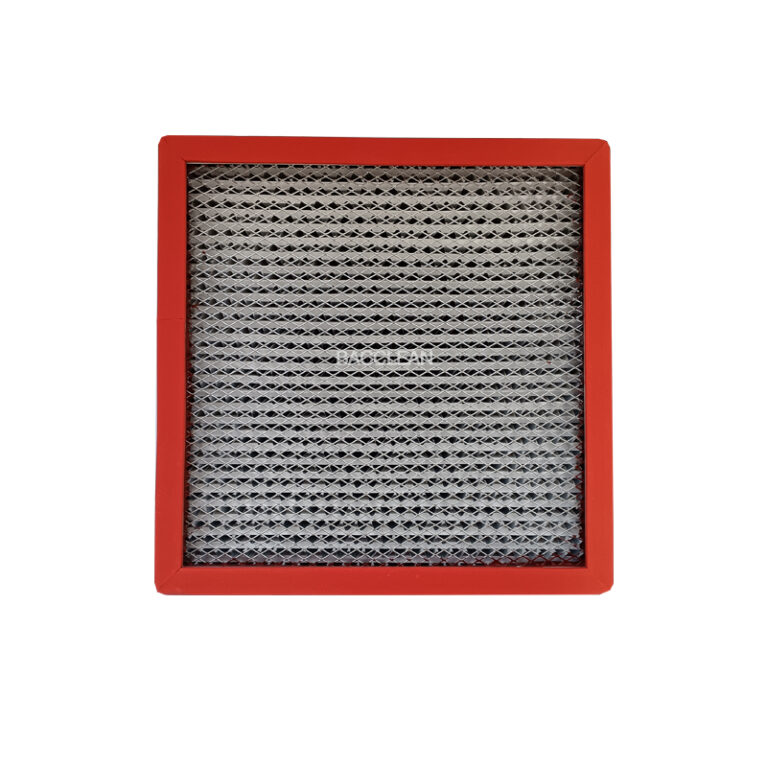
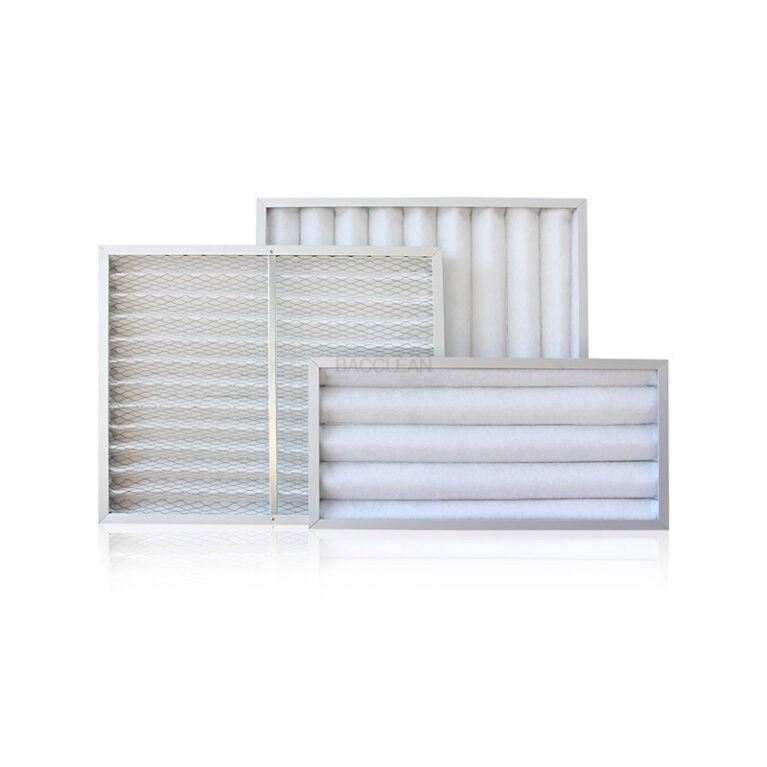
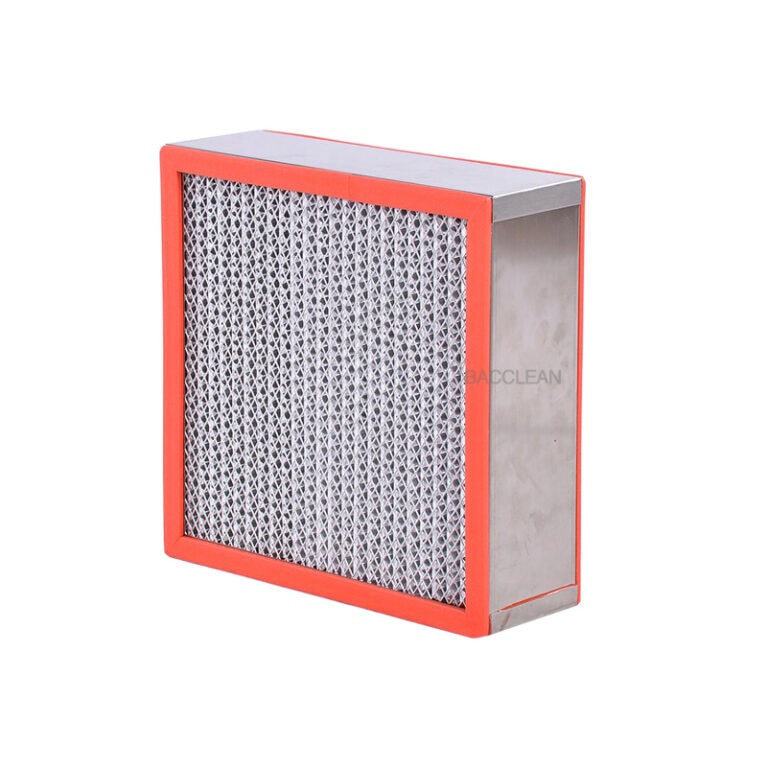
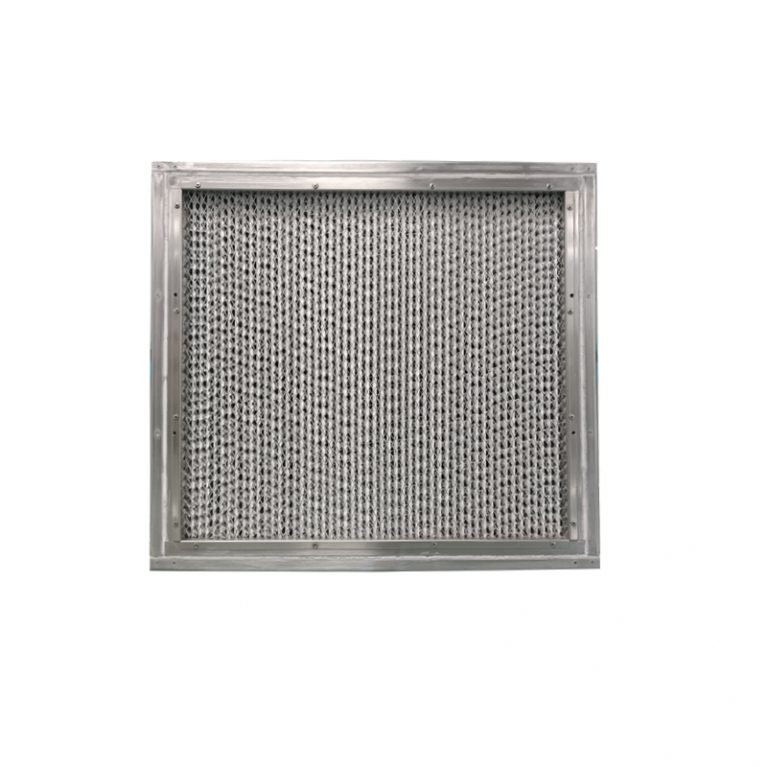
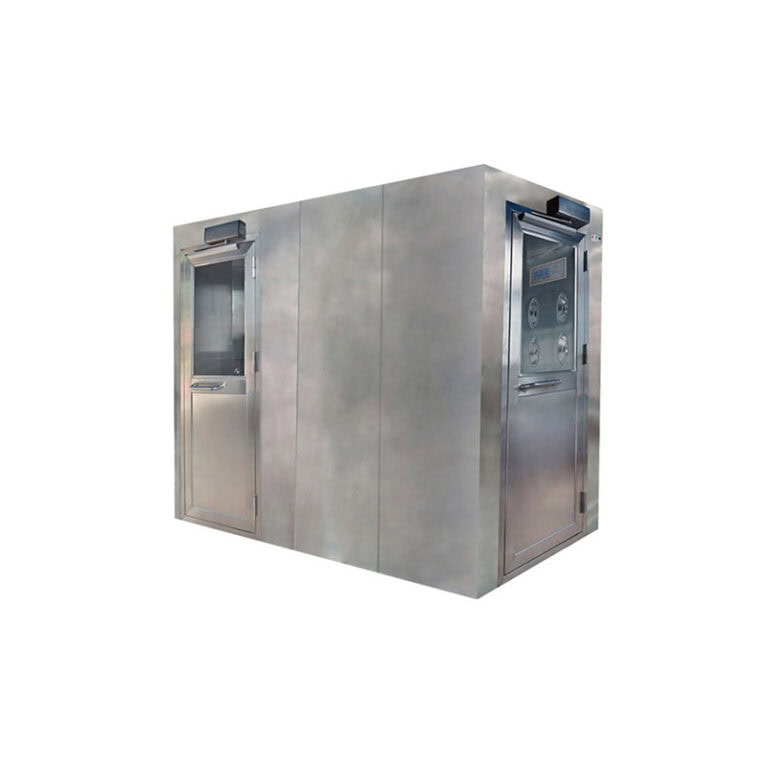
Pre‑installation preparation lays the foundation for construction quality. First, verify equipment parameters to confirm that filter grade, specifications, dimensions and temperature‑resistance properties match the design documents. Inspect the overall condition: filter media free of damage, paper separators free of deformation, glue joints free of cracking and metal frames free of dents and impacts. Second, clean the installation surfaces. Thoroughly remove dust and debris inside supply‑air ceilings and air supply outlets to keep the installation area clean, preventing contaminants from entering the filter during installation. Prepare special sealant, mounting clips and leak‑detection tools to ensure full availability of construction accessories. For special high‑temperature or high‑humidity working conditions, double‑check filter compatibility in advance. Standard‑grade filters shall never be applied under special operating conditions.
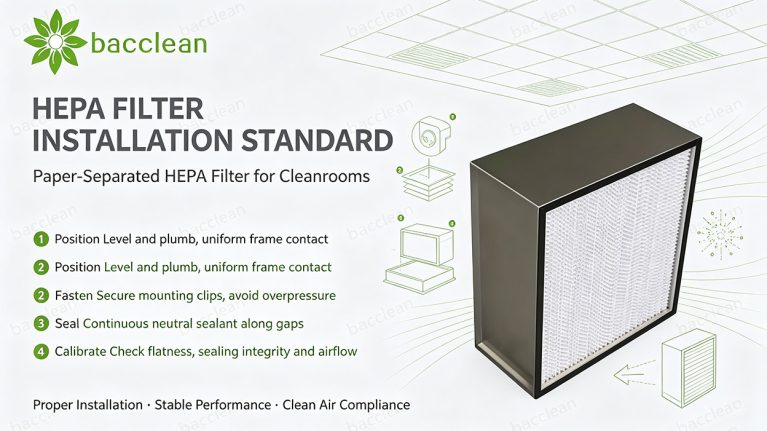
The standardized installation workflow consists of four major steps: positioning, fastening, sealing and calibration. Step 1: Precise positioning. Gently insert the filter into the mounting groove of air supply outlet or clean ceiling. Adjust its position to ensure the frame is level and plumb, with uniform contact along four sides and no offset or tilt. Step 2: Fastening. Secure the filter with dedicated mounting clips with moderate clamping force. Excessive pressure shall be avoided to prevent frame deformation and filter‑media damage. The filter shall remain firm without shaking after fastening. Step 3: Sealing, the core procedure to eliminate air leakage. For general‑condition applications, apply continuous neutral sealant evenly along frame gaps with no breaks or bubbles. For high‑grade cleanrooms, adopt dual‑sealing with sealing gaskets for enhanced air tightness. Step 4: Overall calibration. Re‑check installation flatness, sealing integrity and duct accessibility. Ensure filter media is free of compression or obstruction for unobstructed airflow.
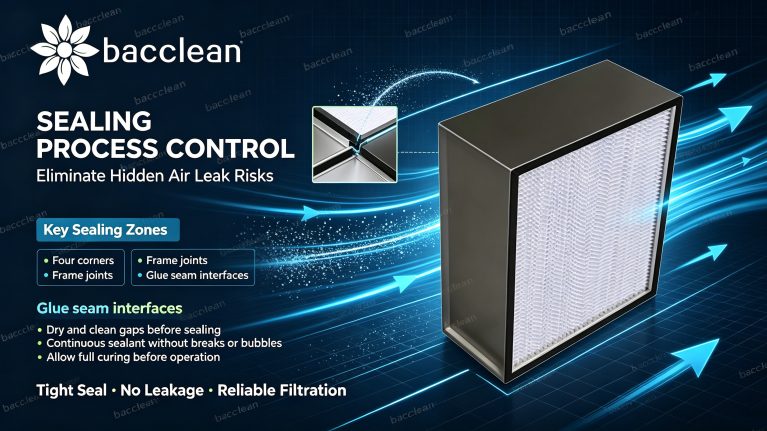
The core principle of sealing technology is to eliminate hidden air‑leak risks. Special attention shall be paid to leak‑prone zones including four corners, frame joints and glue‑seam interfaces. Prior to gluing, gaps must be dry and free of dust and grease to achieve tight adhesion. Apply sealant at a steady rate with consistent thickness to avoid discontinuous or hollow glue layers. Do not touch or move filters before sealant is fully cured; proceed with subsequent work only after complete curing. For bulk‑installed filters, maintain uniform spacing and overall flatness without height offset to guarantee even air distribution.
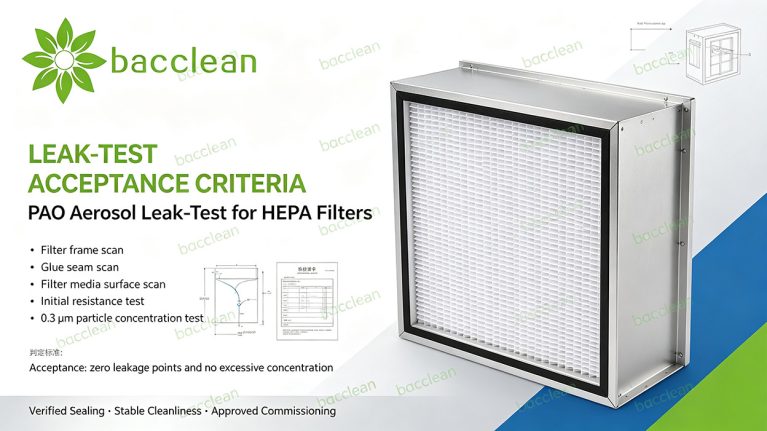
Professional leak‑test acceptance shall be performed upon installation completion. PAO aerosol leak‑testing is the industry‑standard acceptance method for HEPA filters in cleanrooms. An aerosol generator delivers uniform aerosol into the air‑supply system. A photometer scanner surveys filter frames, glue seams and filter‑media surfaces. Acceptance criteria: zero leakage points and no excessive aerosol concentration detected. Initial filter resistance and supply‑air cleanliness shall also be tested. The measured resistance shall comply with rated technical parameters; 0.3 μm particle concentration at air outlet shall meet specifications with no dead‑flow zones. Formal commissioning is permitted only after all test items pass acceptance.
Standardized installation and sealing processes completely eliminate terminal‑filtration air leakage, enable 100‑percent utilization of paper‑separated HEPA filter performance, stabilize clean‑room conditions and reduce later‑stage O&M rectification costs. These procedures constitute critical links within clean‑room construction.
