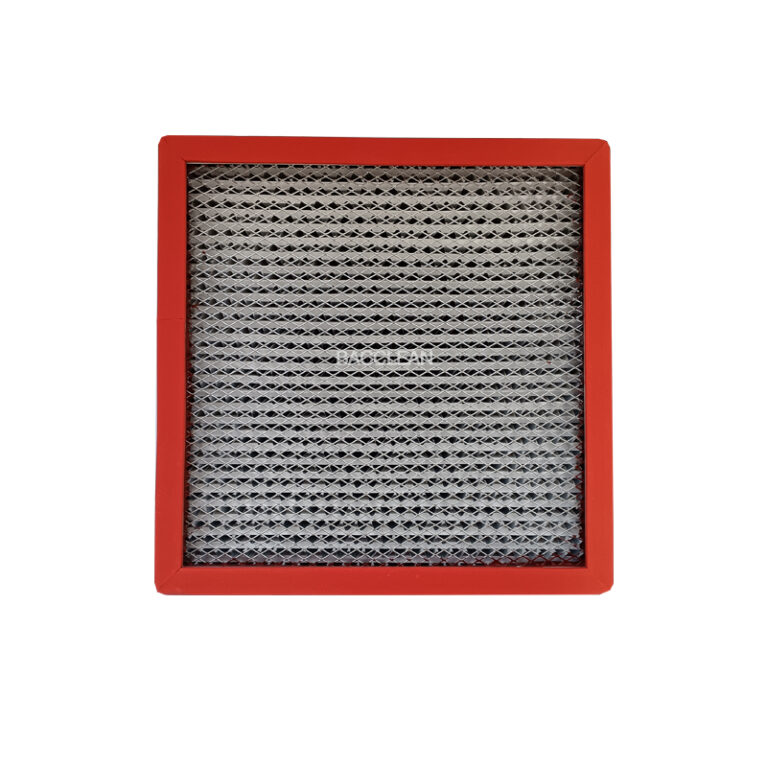
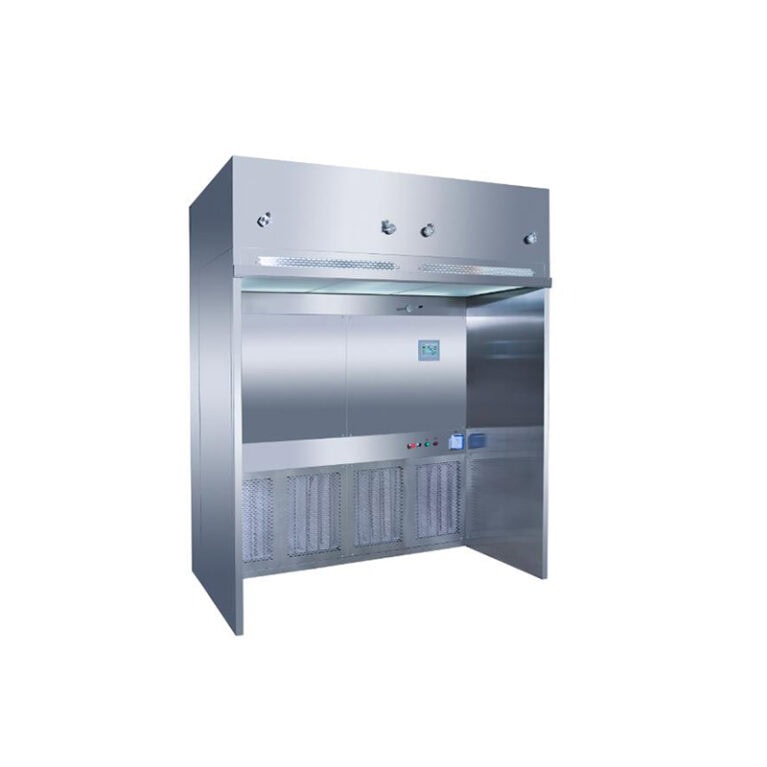
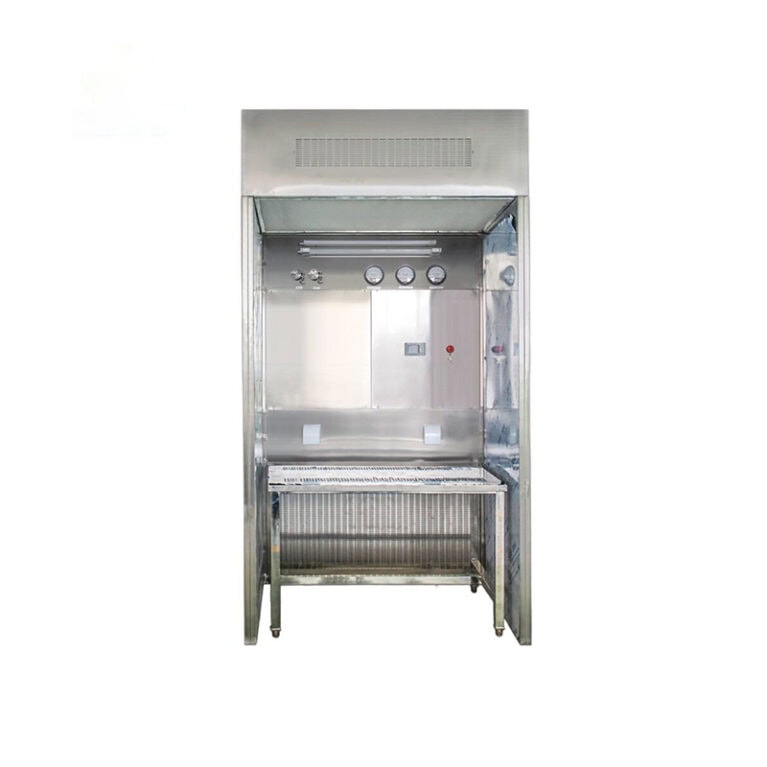
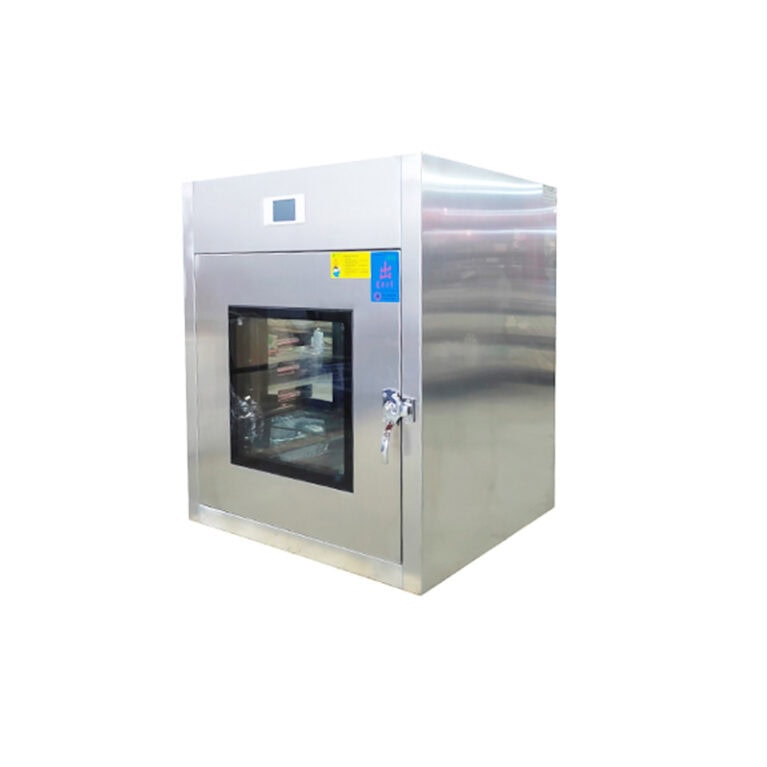
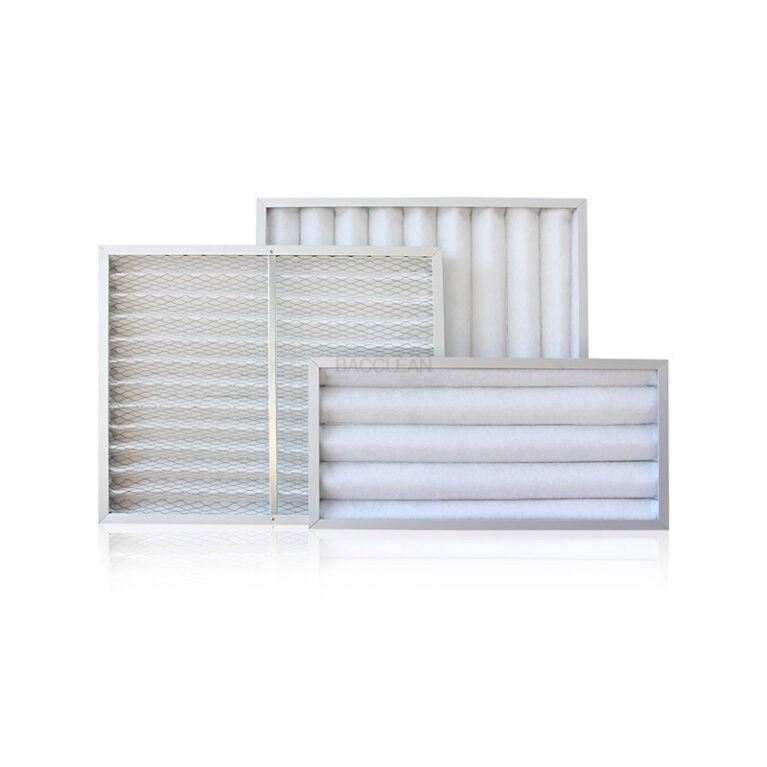
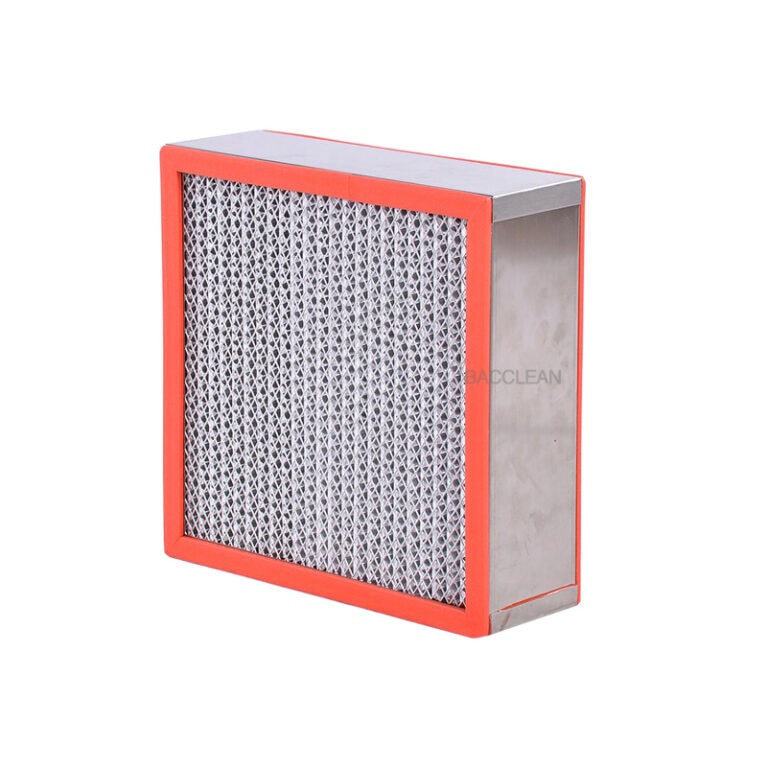
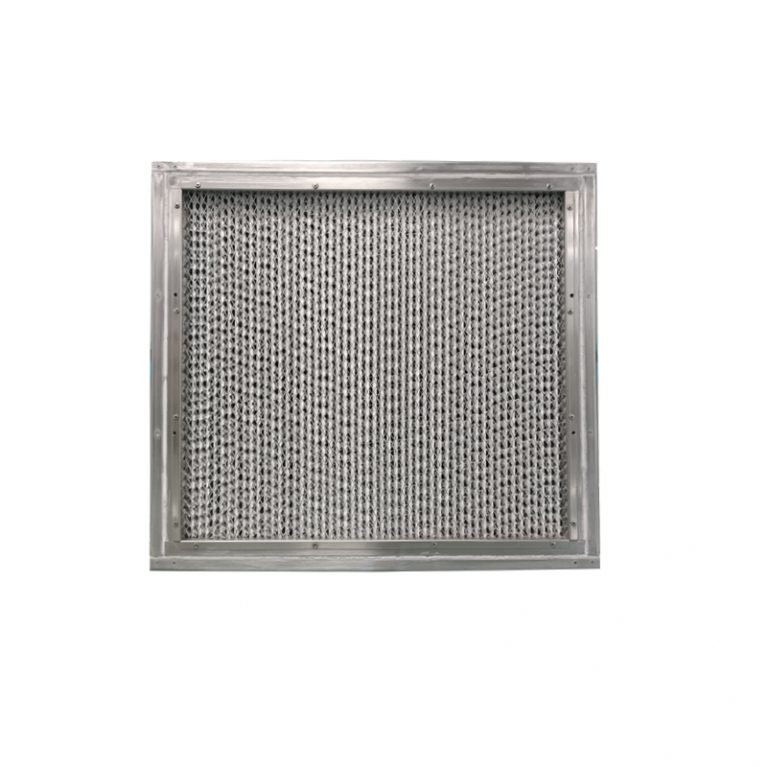
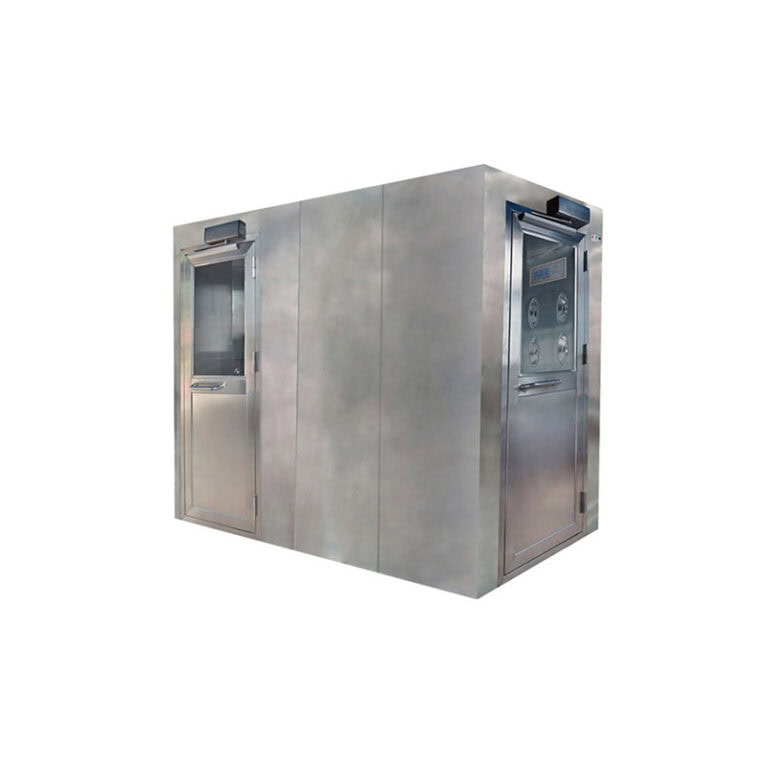
DOP/PAO High-Efficiency Filter Leak Detection Principle (Full Version)
I. Core Sentence
Inject aerosol towards the upstream, measure the leakage concentration at the downstream, and determine the integrity of the filter and seal by the “penetration rate”.
II. Detailed Principle (GMP/ISO Standard Explanation)
1. What is DOP/PAO
DOP: Di-Isopropyl Phthalate, an early used aerosol
PAO: Poly α-Ether, the current mainstream, safe, and recommended
Both are oily aerosols, capable of generating challenge particles of about 0.3μm —
This is precisely the particle size that is most difficult for HEPA filters to filter and most prone to leakage.
2. Leak Detection Physical Principle: Challenge upstream + Scan downstream
1) In the upstream, create a stable concentration of aerosol to heat or cool it and send it into the filter intake side (upstream). Form a uniform and stable challenge concentration C₀.
2) The normal filtration principle of HEPA: HEPA filters have a filtration efficiency of ≥ 99.97% for 0.3μm particles. Under normal circumstances:
Upstream: There is aerosol
Downstream: Almost undetectable
3) Leakage = Aerosol “circles around” the filter. If any of the following occurs:
Filter paper damage
Pinholes
Border seal not tight
Installation gap
Rubber strip aging
The aerosol will directly leak to the downstream without passing through the filter, and the photometer will immediately read the number skyrocketing.
III. What is Measured by the Photometer?
It measures: Downstream concentration / Upstream concentration × 100% which is the penetration rate (% Leakage)
Qualified Judgment Principle (GMP General)
Normal and intact filter:
Penetration rate ≤ 0.01%
Once > 0.01%
→ Judged as leakage
IV. Analogical Explanation (Convenient for Training)
You can understand it this way:
High-efficiency filter = A super-precise sieve
DOP/PAO particles = Fine sand
Upstream = Continuously spreading fine sand
Downstream = Use a detector to find out if any sand leaks over
Normal sieve: Sand is almost completely blocked, downstream has almost none.
Leaked: Sand directly passes through the broken hole / gap, the detector immediately alarms.
V. Why Must Use DOP/PAO?
Because:
The particle size of 0.3μm is the most difficult point for HEPA
The particles are single-distributed, stable, and easy to detect
Non-conductive, non-hygroscopic, does not affect production
Complies with ISO 14644, GMP, FDA leak detection requirements
VI. Summary (Most Concise Version, Can Be Memorized Directly)
DOP/PAO Leak Detection Principle:
Inject standard aerosol upstream, scan the filter surface and border with a photometer downstream,
By measuring the aerosol penetration rate, determine if the filter paper is damaged and the seal is intact.