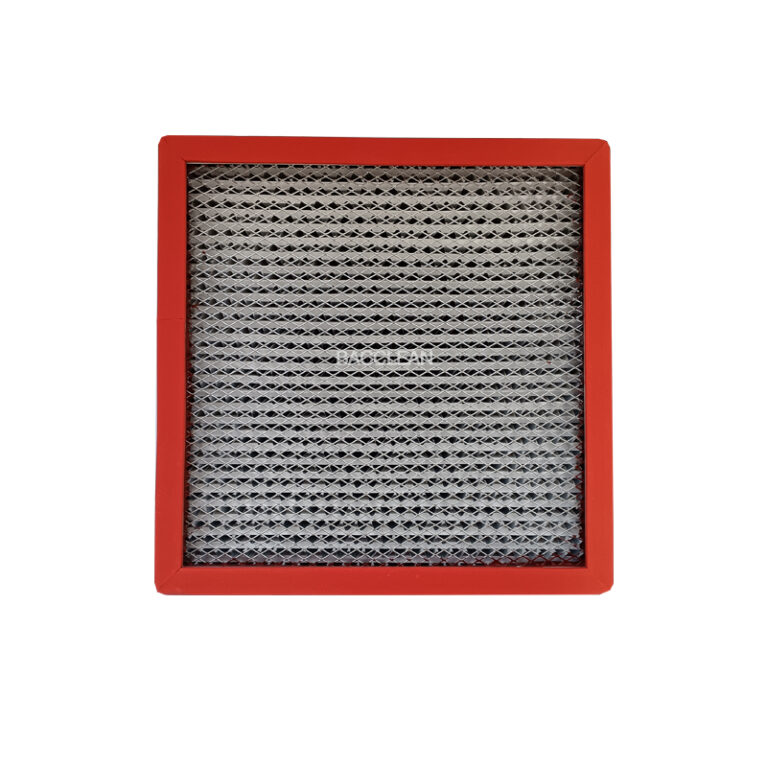
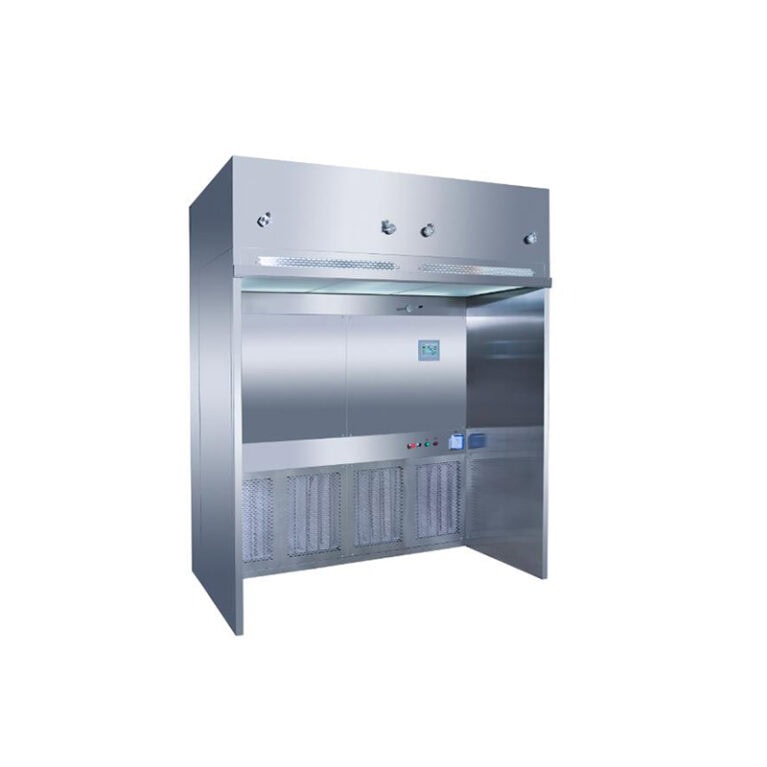
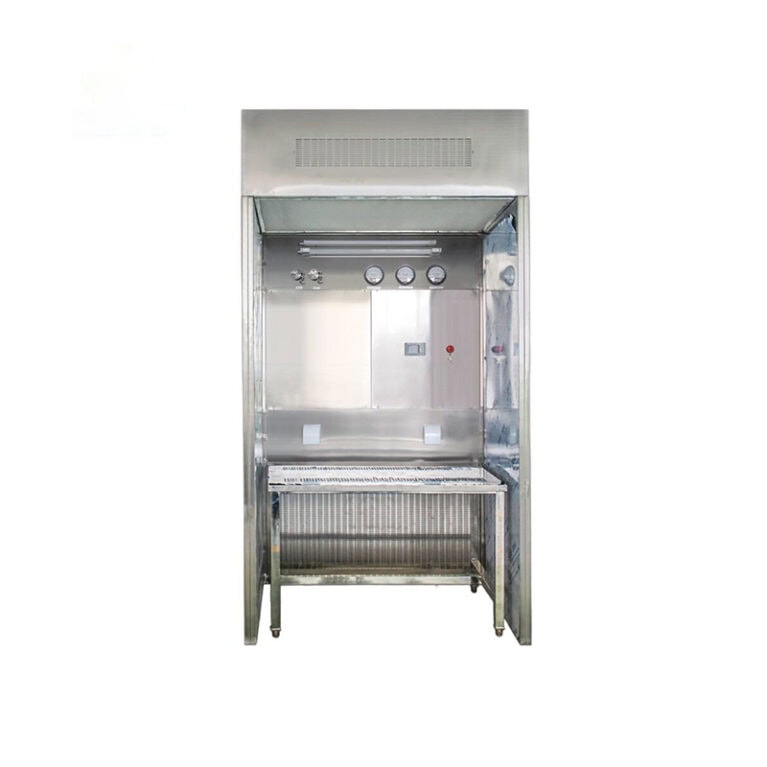
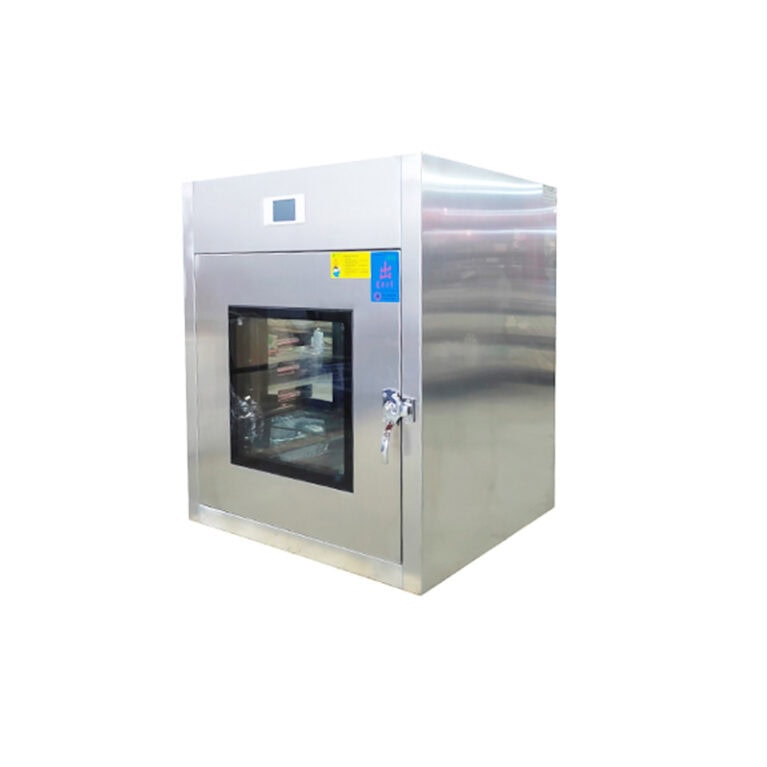
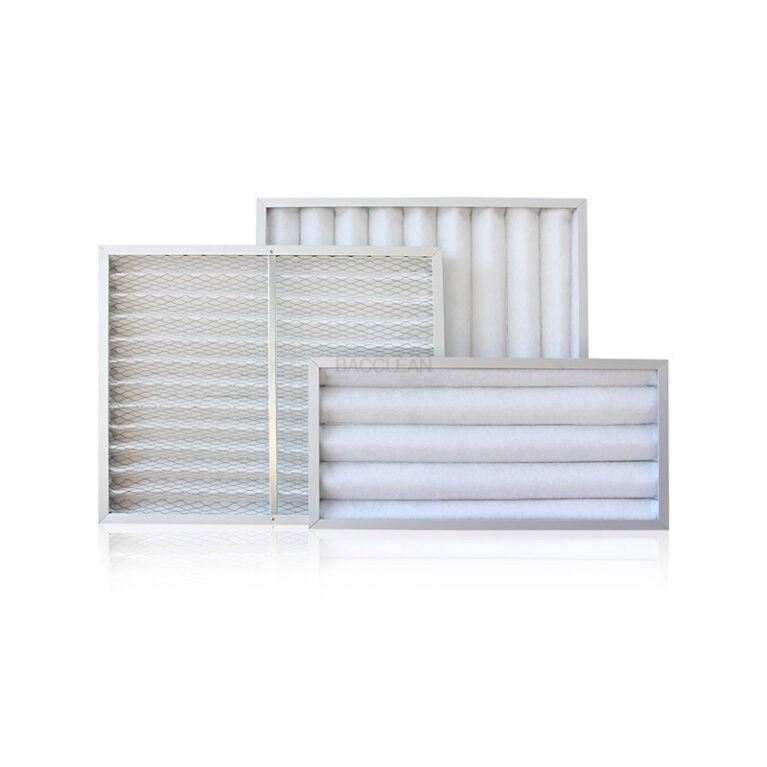
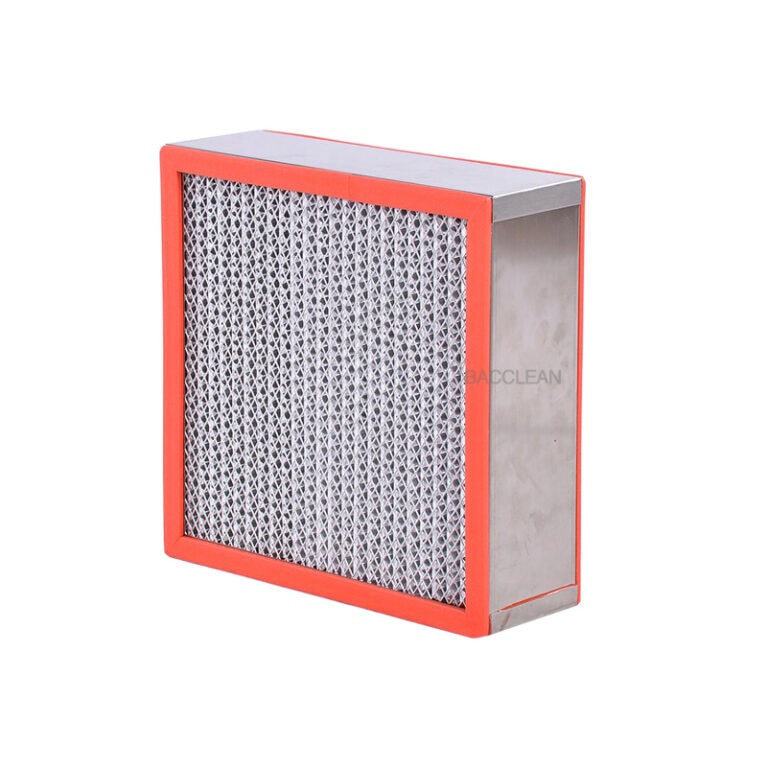
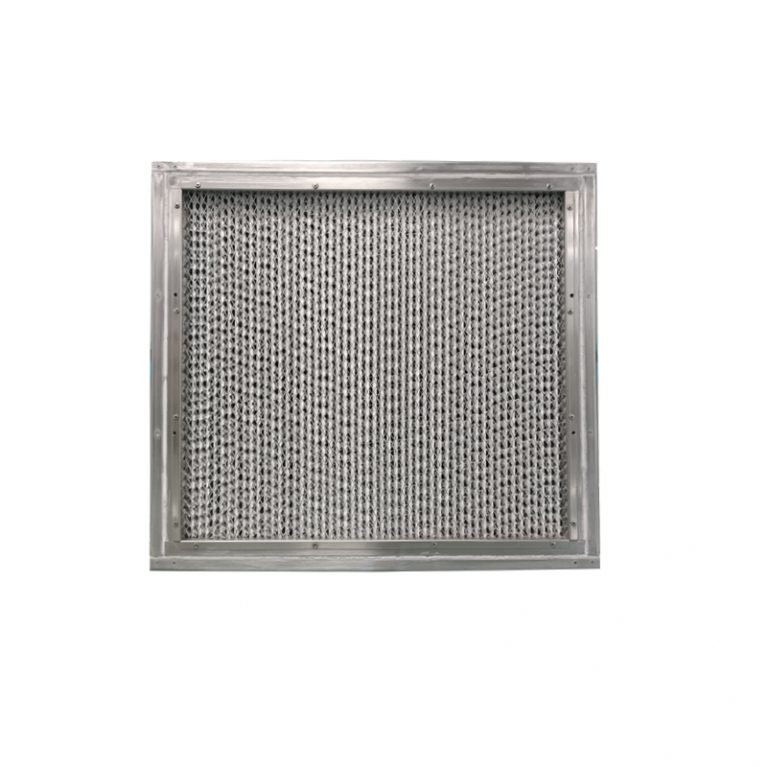
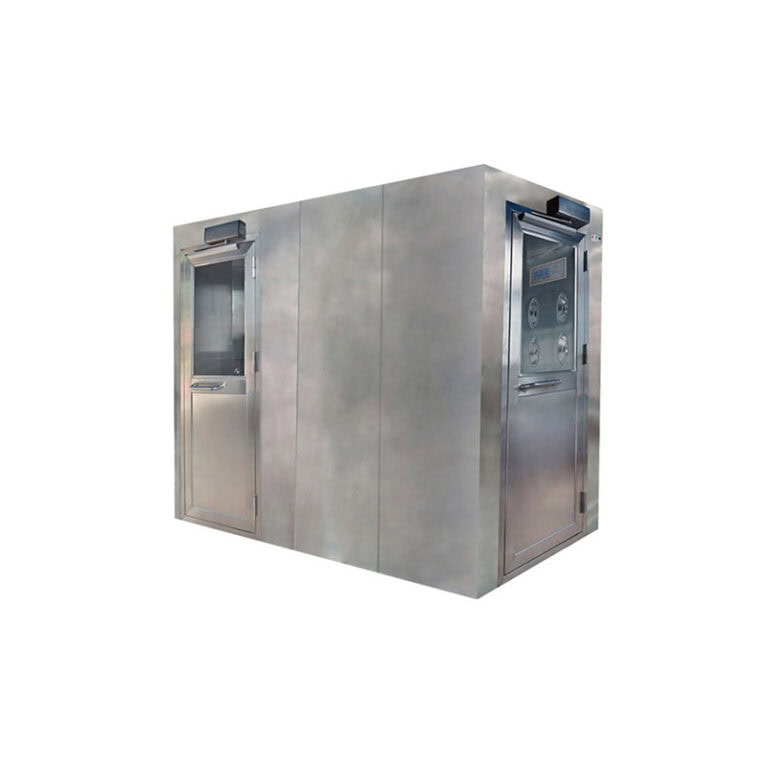
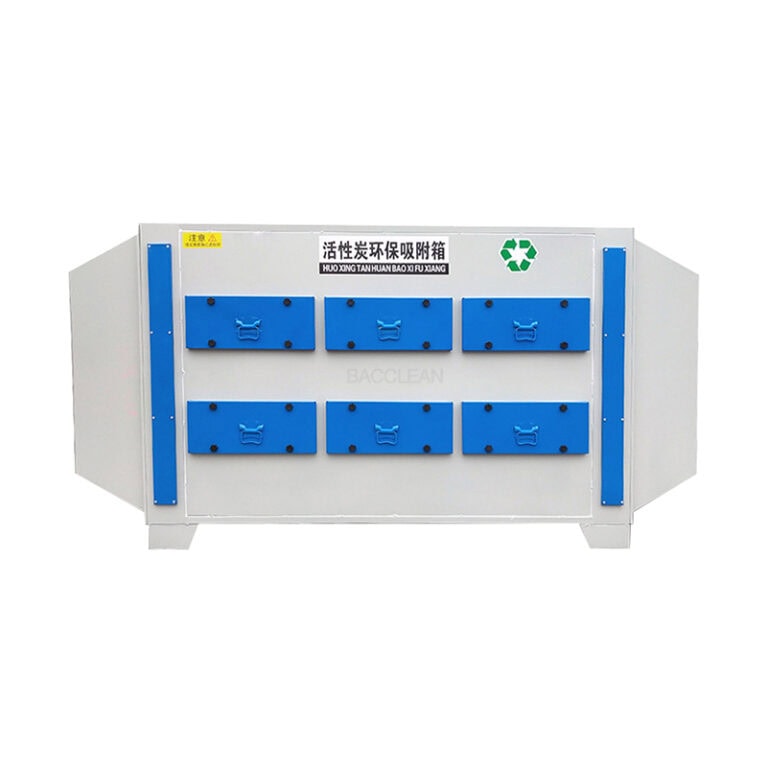
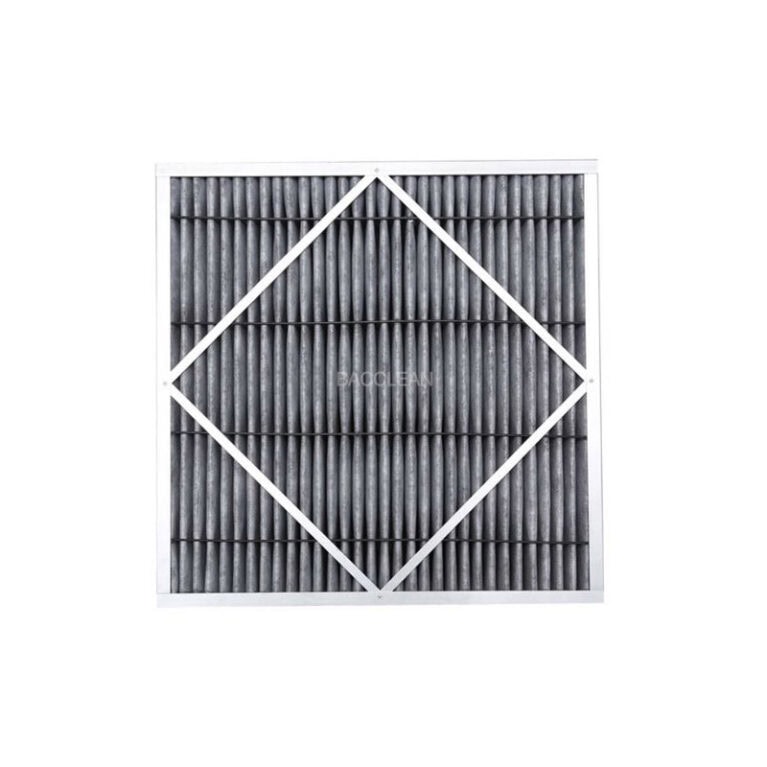
The working principle of the boat frame high-efficiency filtration unit (assumed to be a modular framework-based high-efficiency filtration equipment) is mainly based on the modular structure to guide the medium (air / fluid) to pass through the high-efficiency filter element in an orderly manner. Through the collaborative action of multiple mechanisms, it can intercept and separate the suspended particles and impurities in the medium. Finally, it outputs clean medium. The overall process can be divided into three core steps: “medium guidance – filter element interception – clean output”. Specifically:
Medium guidance stage: The air or fluid to be filtered enters the modular framework of the boat frame high-efficiency filtration unit under the action of external power (such as a fan or pump). The guiding structure inside the framework (such as guide plates and positioning rails) will guide the medium to be evenly distributed, avoiding local excessive or insufficient flow velocity, ensuring that each part of the medium can fully contact the filter element, improving the filtration efficiency, and reducing the resistance during the medium flow process.
Filter element core interception stage: This is the core working process of the filtration unit. The filter element (core filtering component) of the appropriate HEPA/ULPA grade filters works through multiple mechanisms to achieve impurity interception:
Interception effect: For particles with a diameter larger than the filter element’s pore size, they will be directly blocked by the filter element’s fiber layer and cannot pass through the filter element. This is the most basic filtering mechanism;
Inertial collision effect: When the medium flow velocity is fast, fine particles cannot follow the flow line of the medium and will collide with the filter element fibers and be adsorbed;
Diffusion effect: For particles with extremely small diameters (such as below 0.1 μm), they will randomly diffuse due to Brownian motion and eventually come into contact with the filter element fibers and be captured;
Electrostatic adsorption effect (for some models): Some filter elements will undergo electrostatic treatment and have electrostatic charges, which can adsorb fine particles with opposite charges, further improving the filtration accuracy.
Clean output and filter element maintenance trigger: The clean medium after filtration will be discharged through the framework’s outlet structure to meet subsequent clean requirements (such as clean room air, industrial clean fluid). As the filtration process progresses, impurities intercepted by the filter element will gradually accumulate on the filter element surface, causing an increase in medium flow resistance. When the resistance reaches the preset threshold, the equipment will give a prompt (for some models), at which point the filter element needs to be replaced or cleaned to ensure the continuous and stable operation of the filtration unit.