
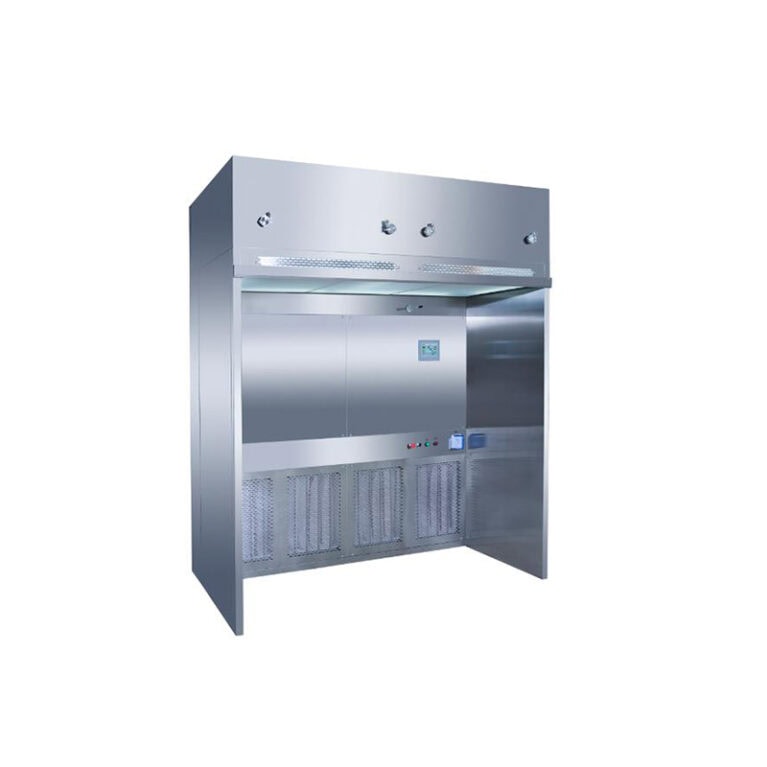
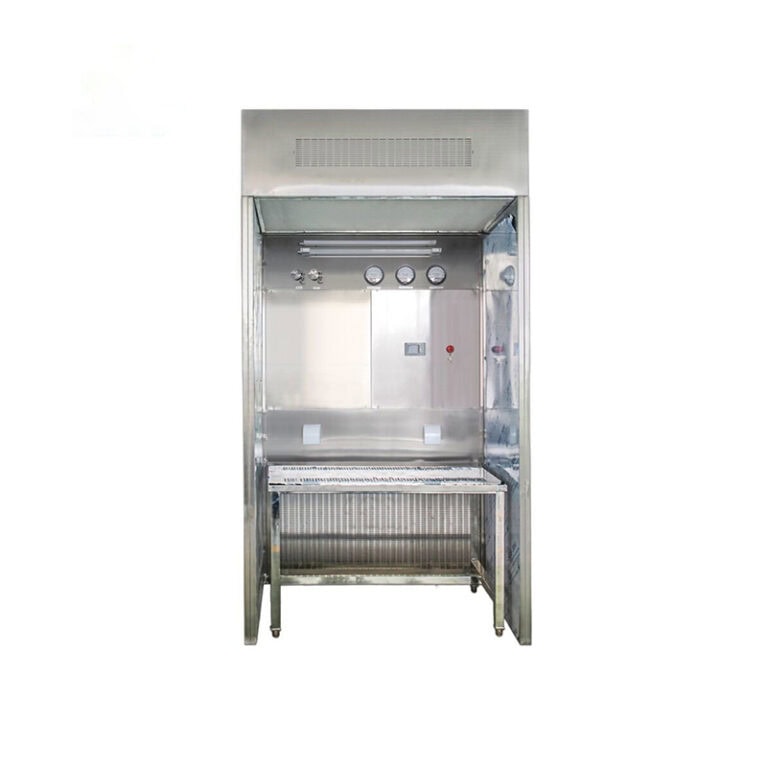
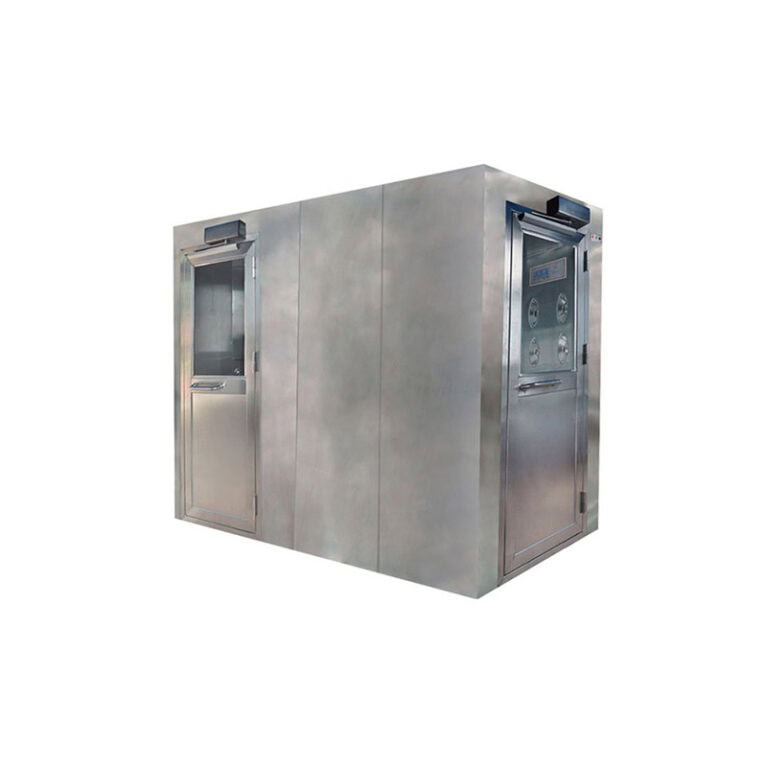
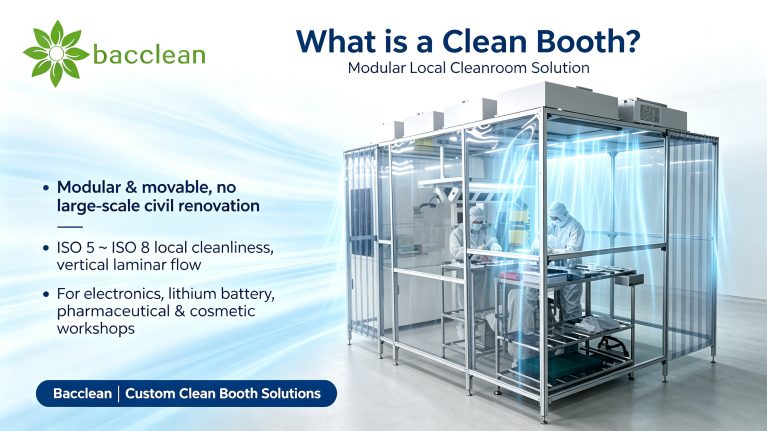
Many customers confuse it with laminar flow hoods: a laminar flow hood provides overhead protection for a single workstation, while a clean booth is fully enclosed and can accommodate multiple operators and complete equipment for operations inside an independent small space.
1. Working Principle
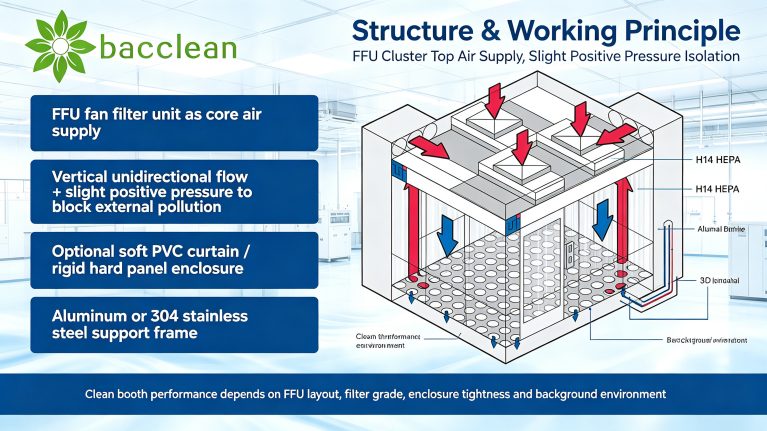
The clean booth takes clustered FFUs on the top as the core air supply unit and maintains slight positive pressure inside the booth. Ambient air is drawn into FFUs, filtered through pre-filters and HEPA/ULPA filters, then delivered downward as stable vertical unidirectional laminar flow to form a protective airflow layer. Particles and dust follow the airflow downward and escape through gaps at the bottom of the enclosure curtain. The positive pressure inside prevents unfiltered outside air from flowing backward into the booth.
Its airflow principle is similar to laminar flow ceiling and laminar flow hood, but the boundary is enclosed by curtains or rigid wall panels to form an independent protection zone. Note that clean booths generally do not come with built-in temperature, humidity or fresh air control. The internal temperature and humidity follow the original workshop environment, so they are suitable for processes without strict temperature & humidity requirements. For high-demand scenarios such as pharmaceutical aseptic production, it needs to work with an air conditioning system.
2. Basic Structural Composition
The whole clean booth adopts modular assembly design, with detachable, reconfigurable and relocatable core components:
- Support frame: Anodized aluminum alloy profile is the mainstream choice, lightweight, low particle shedding and easy to assemble. 304 stainless steel frame is optional for frequently disinfected or corrosive environments, and thick powder-coated square tubes are used for heavy-load conditions.
- Enclosure structure: Two types: soft enclosure and hard enclosure. Soft enclosure uses anti-static transparent PVC curtains, featuring low cost, fast assembly and good visibility, widely used in electronic assembly production lines. Hard enclosure adopts acrylic, tempered glass or clean color steel panels with better sealing performance, ideal for scenarios with strict microbial control and anti-static requirements.
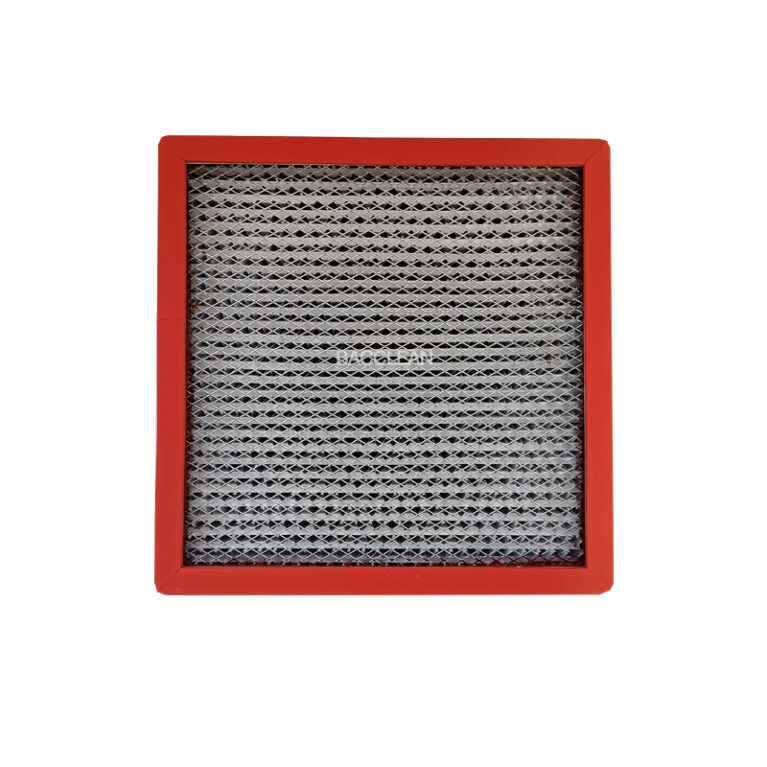
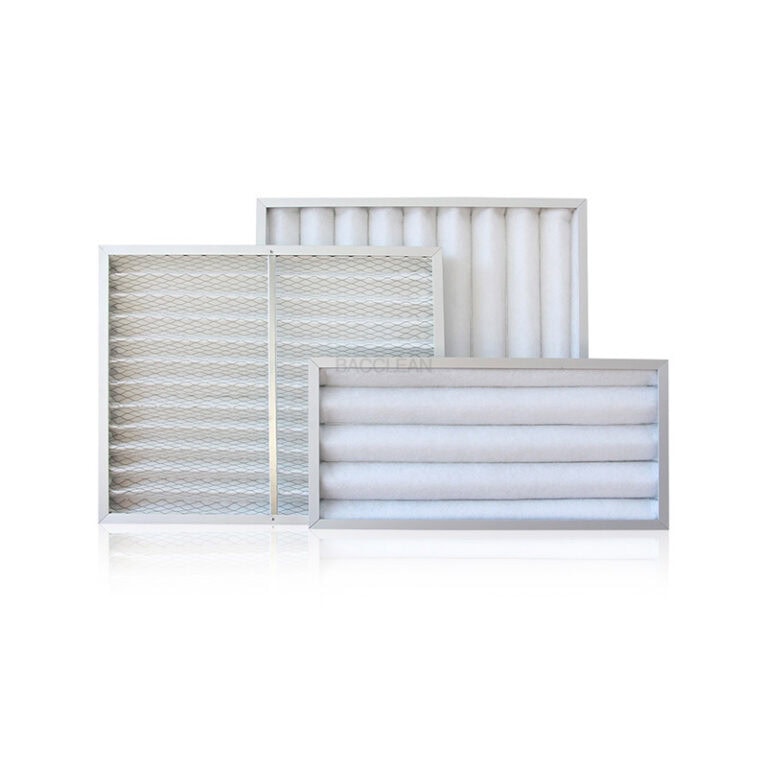
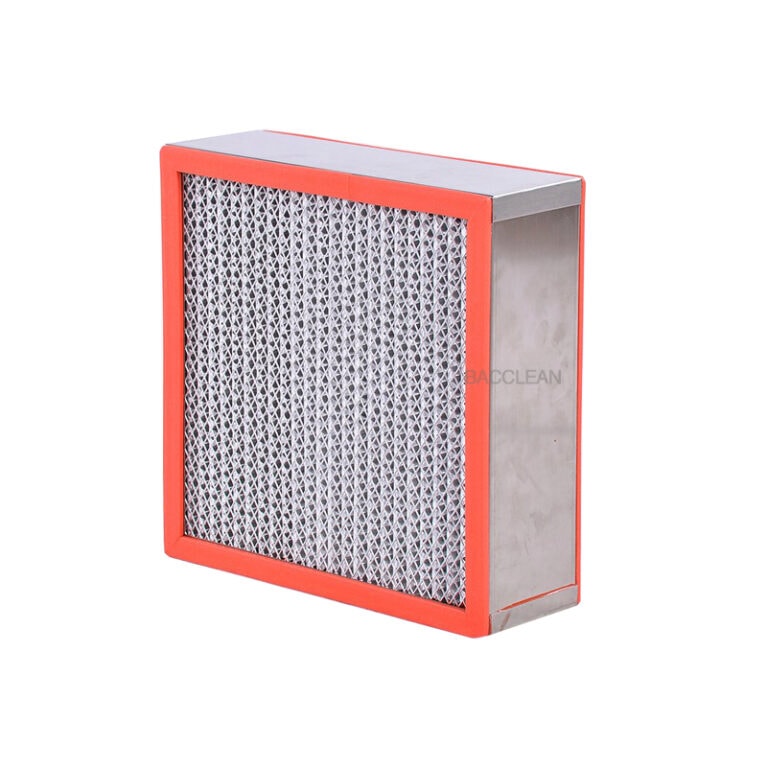
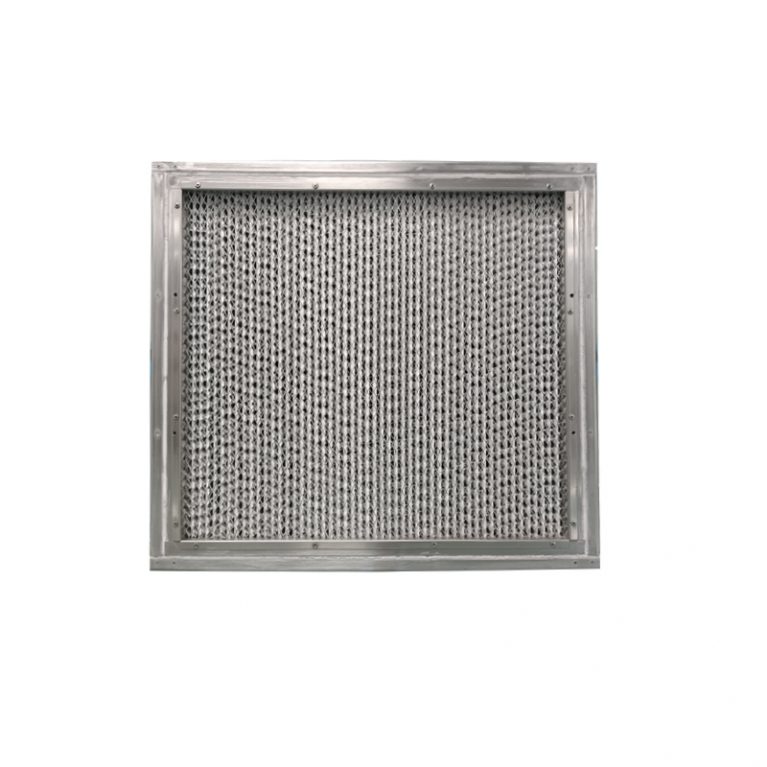
- FFU air supply units: FFUs are arranged on the keel ceiling as the core of the clean booth. H13 / H14 HEPA filters are standard, and ULPA filters are selected for ultra-high cleanliness semiconductor applications. Variable-frequency fans support speed regulation to stabilize the cross-section airflow velocity inside the booth.
- Auxiliary components: Cleanroom lighting, differential pressure gauge, filter blockage alarm, maintenance access, material transfer port and anti-static grounding terminal. Optional accessories include rapid rolling doors, sliding doors and glove ports.
- Grounding system: Anti-static grounding is standard for electronics, lithium battery and optical industries to control surface resistance and avoid electrostatic damage to components.
3. Main Application Scenarios
The electronics manufacturing industry is the largest application field of clean booths: PCB inspection, post-SMT assembly, optical lens assembly, camera module production, lithium battery cell packaging and simple wafer inspection workstations. It can build local ISO Class 5 zones inside Class 10,000 clean workshops to control particulate contamination.
Pharmaceutical and medical device industry: Mostly used to set up sampling, primary packaging and inner packaging workstations inside Grade D clean areas as auxiliary clean zones. Simple soft-curtain clean booths are generally not recommended for Grade A filling core processes. Laminar flow hoods or verified hard-wall clean booths are preferred to meet GMP airflow and sealing validation requirements.
Food and cosmetic workshops: Applied for inner packaging, cooling and dispensing stations to control airborne and settling bacteria and comply with SC production standards. Stainless steel frames and mildew-resistant sealing materials are preferred.
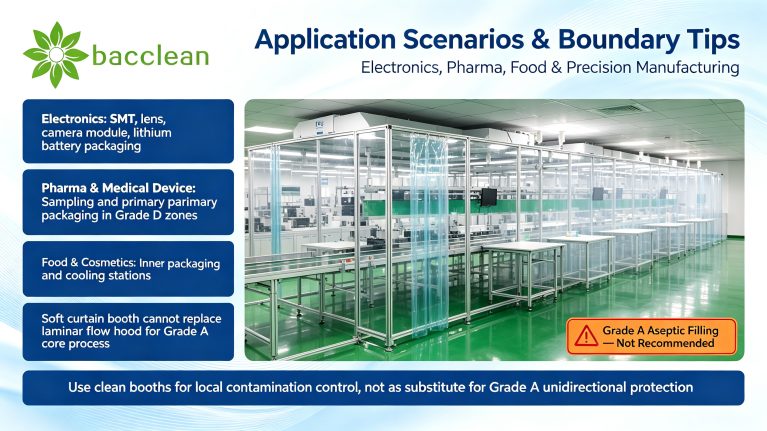
They are also widely used in precision laboratories, QC inspection stations, auxiliary operating rooms of animal facilities, and projects requiring frequent production line adjustment or relocation. The reusability advantage of clean booths stands out in these cases.
4. Core Selection Parameters
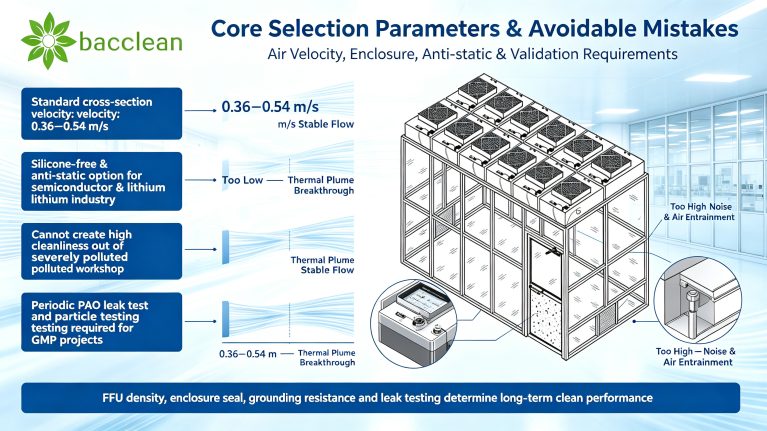
- Clase de limpieza: ISO 5 ~ ISO 8 (Class 100 ~ Class 100,000). The cleanliness level is determined by FFU layout density, filter grade and enclosure tightness, rather than filters alone.
- Cross-section airflow velocity: 0.36–0.54 m/s for stable unidirectional flow. Too low velocity leads to laminar flow damage by thermal plumes; excessive velocity increases noise and may entrain surrounding contaminated air.
- Enclosure type: Soft anti-static curtains for high personnel & material turnover and frequent adjustment; rigid sealed enclosure for microbial control, AMC control and static-sensitive processes.
- FFU configuration: Centralized control or individual control. Variable-frequency models reduce noise and energy consumption. Differential pressure monitoring for filters is reserved for replacement and record keeping.
- Anti-static & silicone-free requirement: For semiconductor, display and lithium battery industries, silicone-free and low-outgassing materials must be specified. Seals, adhesives and lubricants are controlled together to avoid molecular contamination.
- Noise and vibration: Multiple closely arranged FFUs are prone to resonance. Check the noise index of single FFU and add vibration reduction on the frame to prevent excessive accumulated noise.
5. Common Selection & Maintenance Pitfalls
- Mistake: Treat clean booths as Grade A aseptic protection. Simple soft-curtain clean booths have limited sealing performance. Air continuously seeps through curtain gaps, making it hard to stably satisfy the strict validation requirements of EU GMP Annex 1 for Grade A zones. Laminar flow hoods are preferred for core aseptic stations.
- Mistake: Fully cover the ceiling with FFUs to pursue ultra-high cleanliness. Over-dense FFU arrangement causes excessive airflow velocity, high noise and energy consumption. Excessive positive pressure inside the booth jets airflow outward and disturbs the surrounding environment.
- Mistake: Ignore the background cleanliness of the workshop. The purification performance of a clean booth relies on the ambient environment. If the external workshop has extremely high dust concentration, particle levels inside the booth can hardly stay stable. It upgrades local cleanliness instead of creating a Class 100 zone in a dirty workshop.
- Mistake: Skip regular leak testing after installation. HEPA filters inside FFUs may get damaged or leak over time. For pharmaceutical and medical device projects, periodic PAO leak testing shall be included in the validation SOP.
Key maintenance practices: Regularly wipe the frame and curtains to prevent dust accumulation; monitor FFU differential pressure and replace filters when exceeding the threshold; check curtains for damage and oversized gaps; re-test particle count and airflow velocity periodically; recheck grounding resistance for anti-static versions.
Conclusion
The clean booth is a low-cost, relocatable and expandable local clean space solution. Compared with civil cleanrooms, it has shorter construction cycles, lower investment and reusable modular components, suitable for flexible production lines, technical renovation projects and temporary clean workstations. Compared with standalone laminar flow hoods, it encloses a larger space to support simultaneous operation of multiple operators, tooling and production lines.
During selection, distinguish whether your process needs single-point protection or an independent enclosed working space, then match the cleanliness grade, enclosure type, anti-static and material requirements. Clarify its application limitations: it depends on the background workshop environment and has limited capacity for temperature, humidity and pressure differential control. Proper matching, standardized validation and routine maintenance enable it to reliably control local contamination.
