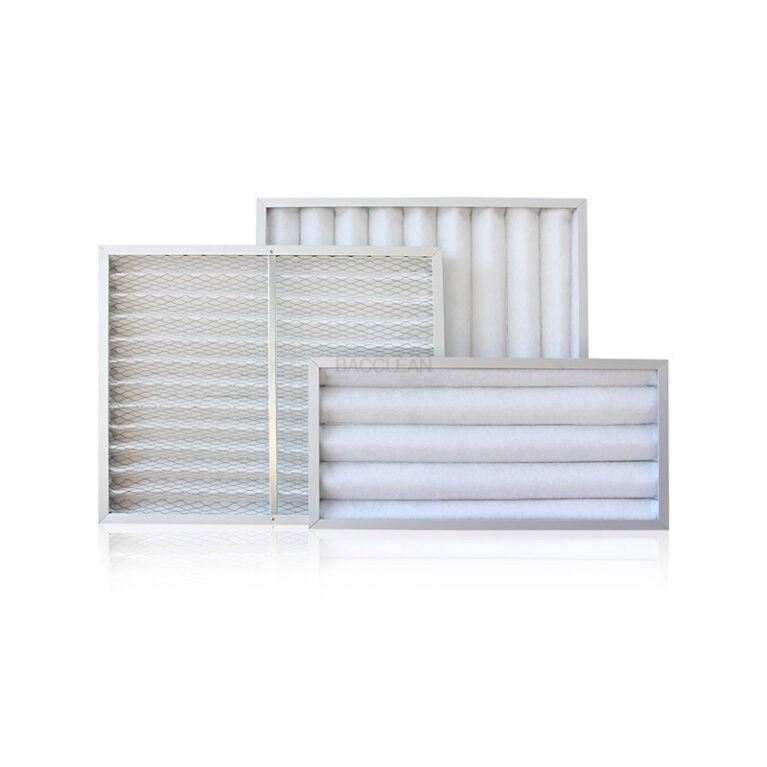
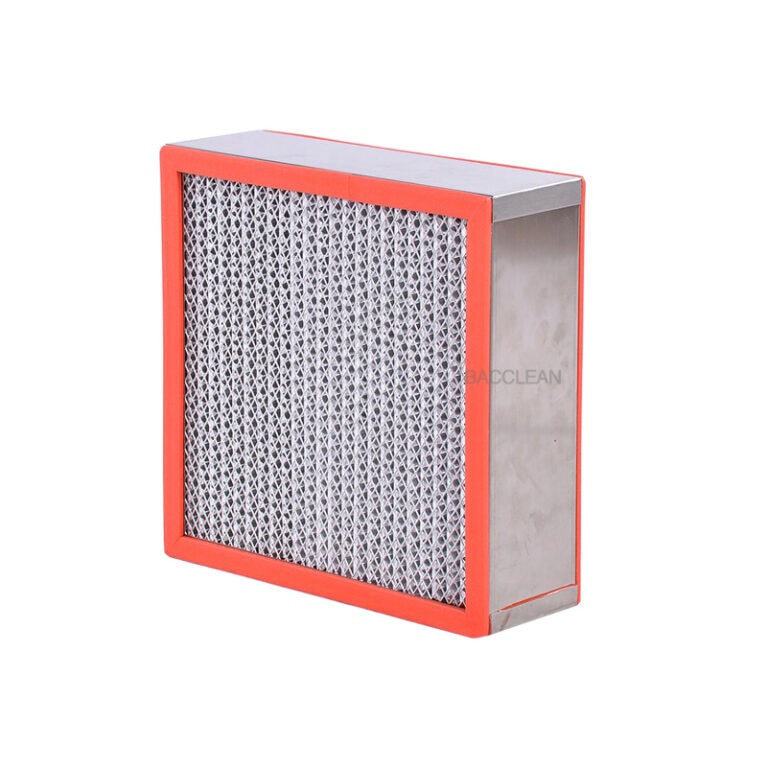
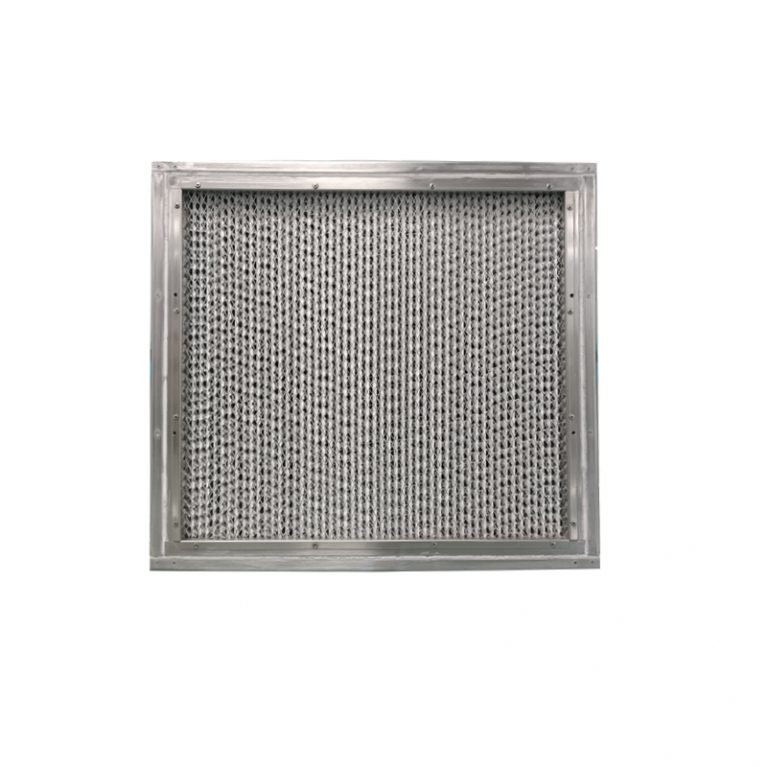
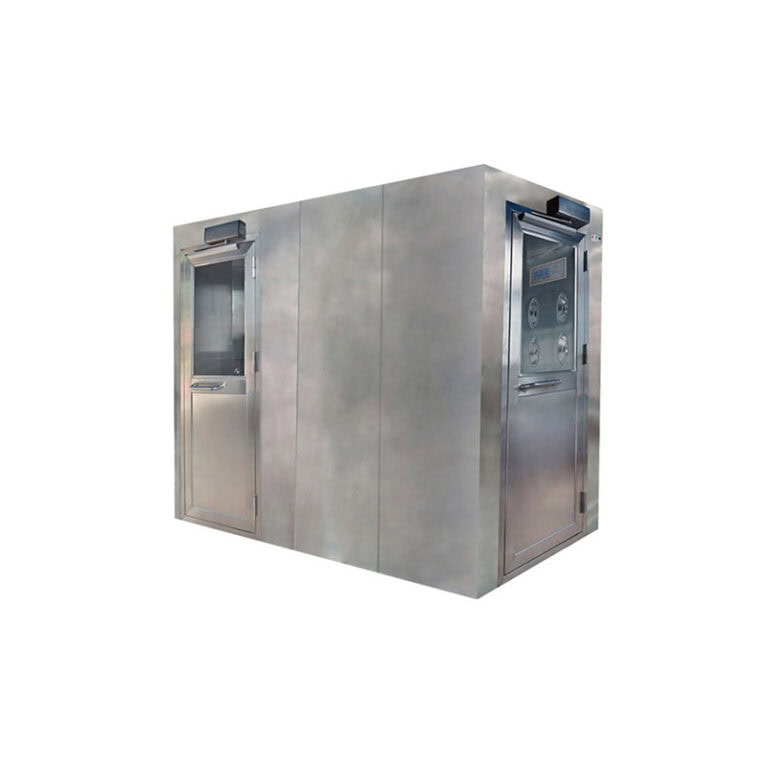
The comprehensive impacts brought about by the shortened lifespan of filter elements due to high humidity environments
I. Significant increase in production and operation costs
Increased cost of consumables
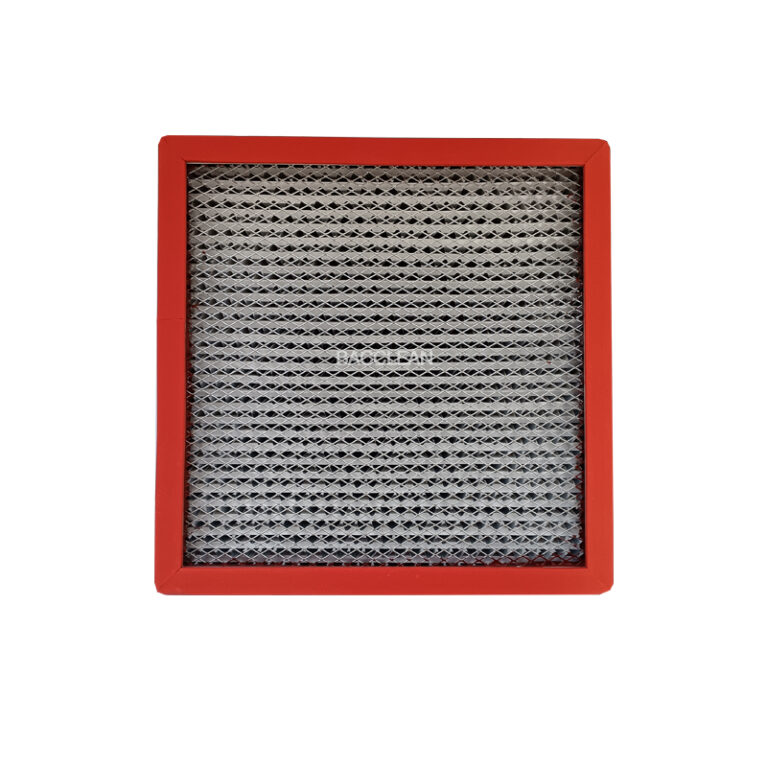
In a dry environment, filter elements need to be replaced every 8-12 months, while in a high-humidity environment, the replacement period is only 2-6 months. The frequency of filter element purchases has doubled, and the unit price of high-efficiency filter elements is high, resulting in a significant increase in long-term consumables expenditure.
Increased labor costs for filter element replacement
Frequent shutdowns for filter element replacement require specialized personnel to operate, occupying the workforce in the workshop; as the frequency of replacement increases, the labor hours also increase.
Increased wear and tear of supporting materials
The sealing strips and sealants of filter elements age along with the filter elements. Each time a filter element is replaced, the sealing components need to be replaced synchronously; the frame of the boat rack gets damp and rusts, and the cost of rust removal, painting, and maintenance increases.
II. Production downtime losses and reduced production capacity
Filter element replacement requires partial or full system shutdowns, and self-cleaning in the purification area. Frequent replacements will disrupt the continuous production process.
Production lines in industries such as pharmaceuticals, food, and electronics cannot operate continuously, resulting in waste of working hours, reduced production capacity, and affected order delivery.
Before and after shutdowns, dust particle and microbial tests need to be repeated, significantly prolonging the downtime.
III. Uncontrolled clean environment, dramatic increase in product quality risks
Decreased filtration efficiency, exceeding particle limits
Neutralization in high humidity causes static electricity on filter elements, leading to premature failure of filter elements. 0.3 μm dust particles continue to exceed limits, causing short circuits in electronic products and a decline in yield; impurities are mixed into drugs and food.
Risk of mold and microbial contamination
Moist filter elements breed mold and bacteria, and spores spread through the air to the clean area. Suspended and settled bacteria exceed limits, resulting in microbial contamination of drugs and food, and even product destruction in severe cases.
Filter element leakage causes a disruption in the clean level.
Water vapor causes the sealing to crack and the filter elements to be damaged. Insufficient PAO leak detection leads to abnormal laminar flow and failure to meet the design standards of the workshop. The production environment does not meet the process requirements.
IV. Increased load on purification system equipment, shortening the lifespan of the entire machine
Continuous high system pressure difference, overloading of the fan
Filter elements quickly get clogged, resulting in long-term high operating resistance. The fan operates at a high load continuously, with increased current and severe overheating. The fan bearings and motors age rapidly, the failure rate increases, and the maintenance cycle shortens.
Significant increase in energy consumption
To maintain the designed air volume, the fan needs to operate at a higher frequency. The electricity consumption of the workshop’s air purification system increases significantly, and long-term electricity costs rise.
Long-term abnormal pressure differences can lead to dust and water accumulation in ducts and static pressure boxes, causing secondary pollution.
V. Compliance acceptance and GMP verification risks
Frequent exceedances of particle and microbial indicators in the clean area, unqualified daily monitoring records, and failure of internal audits.
When the drug regulatory authorities, third-party cleanliness acceptance, or GMP on-site inspections are conducted, if the filter elements age and mold, the leak detection fails, or the replacement records do not match, serious rectification items will be issued, and even production may be suspended for rectification.
There is no reasonable control plan for filter elements that are prematurely scrapped, and the maintenance records are inconsistent with the actual replacement cycle, and the materials are not compliant.
VI. Secondary safety hazards in the workshop environment
Moldy filter elements produce odors and fungal spores, prolonged contact can cause respiratory discomfort and allergies in operators.
Water and moisture on filter elements and boat racks get damp, causing metal frames to rust and debris to fall into the production surface, resulting in foreign matter contamination; condensate water dripping poses risks of electrical short circuits and floor slip hazards.
Discarded moldy and damp filter elements are contaminated with microorganisms, increasing the frequency of hazardous waste disposal, and the disposal cost and management difficulty increase.
VII. Increased management workload
High humidity environments require daily monitoring of pressure differences and increased frequency of visual inspections. The workload of maintenance personnel’s records has doubled.
Frequent reporting of filter element procurement, storage, replacement, and scrapping processes is required. The material management process is cumbersome.
Frequent sudden replacements (pressure difference exceeding limits prematurely, moldy and damaged filter elements) disrupt the original monthly or quarterly maintenance plans, and management plans fail to be effective.
Summary of core chain reactions High humidity environment → Filter blockage, mold growth, air leakage, lifespan halved → Increased costs of consumables, labor, and electricity → Frequent shutdowns and production reduction → Uncontrolled cleanliness indicators, product scrapping → Accelerated damage to fan equipment → Increased risks of GMP inspections, health hazards for personnel.