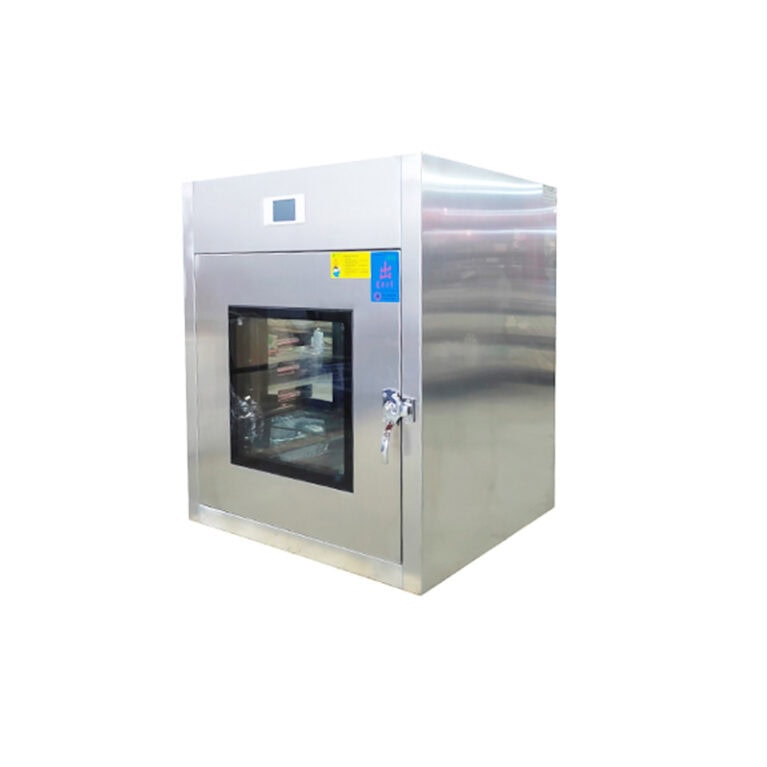
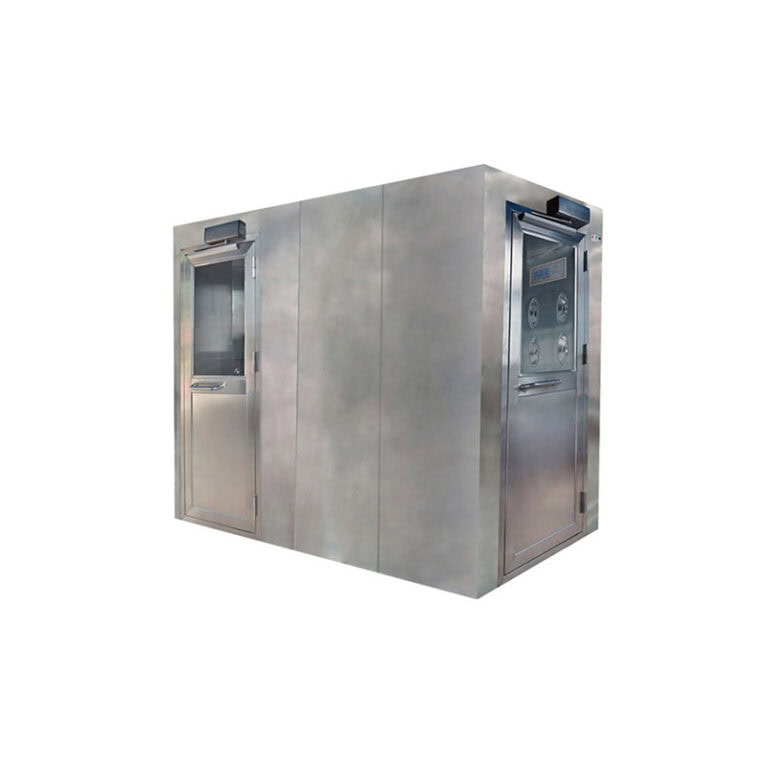
Complete application scope of vaporized hydrogen peroxide VHP transfer cabinets
I. Pharmaceutical industry (core applicable scenarios, GMP mandatory recommendation)
Aseptic preparation workshop
Injectables, freeze-dried products, powder injections, eye drops, materials transferred from D/C class to A/B class aseptic areas, packaging materials, equipment, sampling consumables sterilization transfer.
Biological drugs / vaccines / cell culture workshop
Virus vaccines, cell therapy, monoclonal antibody workshops, culture media, cryovials, experimental consumables, sample cross-zone transfer, killing spores and viruses, eliminating cross-contamination.
Aseptic medical device production
Implantable devices (stents, artificial bones, sutures), sterile dressings workshop, semi-finished products, tooling molds sterilization transfer.
Chinese medicine aseptic workshop
Aseptic herbal slices, Chinese medicine injection products, supporting clean zones for materials transfer.
II. Medical, disease control, biological safety laboratories
PCR nucleic acid laboratories, microbiological testing rooms
Positive samples, bacterial strains, reagents sealed transfer to prevent aerosol leakage and contamination of the environment.
BSL-2/BSL-3 biological safety laboratories, animal laboratories
Pathogens, experimental animal feed bedding, experimental equipment entry and exit, internal and external two-way sterilization isolation.
Hospital clean areas
Operating rooms, central supply rooms, negative pressure isolation wards, transplant wards, instruments, specimens, aseptic consumables clean area and contaminated area intercommunication.
III. High-end cosmetics and aseptic food
Medical aesthetic aseptic skincare workshop
Essence, aseptic masks, medical dressings production, raw materials, inner packaging entering the aseptic filling area sterilization.
Aseptic food processing
Aseptic beverages, ready-to-eat aseptic complementary foods, soft canned food filling workshop, packaging materials, tooling transfer sterilization.
IV. Precision electronics, optics, semiconductor dust-free workshops
Wafers, chips, optical lenses, sensors production
Taking into account dust control + microbial control, preventing bacteria from growing on the surface of components and contaminating the lithography process.
Precision optical instrument assembly, aerospace precision component clean room
Incompatible with high-temperature sterilization of plastics and electronic components, suitable for VHP low-temperature sterilization.
V. Universities, research institutes laboratories
Microbiology laboratories, virus research rooms, SPF-level experimental animal rooms, experimental consumables, bacterial strains, feed transfer isolation sterilization.
VI. Unapplicable scope (distinguishing boundaries, selection avoidance)
Large-area multi-pore absorbent materials (thick cotton fabric, thick sponge, thick paper packaging): will adsorb hydrogen peroxide, prolong residue, prone to residue corrosion.
Large-area pure copper, brass components: long-term high-concentration VHP will oxidize and blacken and corrode.
Ordinary clean workshops without microbial control (D class only for dust removal): can use ordinary self-cleaning / PAO transfer cabinets, no need for VHP.
Large areas with strong water absorption, porous, heavy materials with continuous high-frequency transfer scenarios: efficiency is low, it is recommended to pair with independent VHP sterilization cabinets.
VII. Applicable range of cleanliness grades
Fully compatible: A class, B class high aseptic clean areas, biological safety isolation areas
Regularly compatible: C class aseptic auxiliary areas, aseptic inspection rooms
Rarely used: Only dust removal D class workshops (no microbial control requirements, not recommended)
VIII. Applicable material types
Hard materials: stainless steel equipment, plastic tooling, glassware, aluminum molds
Sealed packaging materials: PE bags, composite membrane sealed consumables, aseptic packaging materials
Precision electronic components, optical lenses, components not resistant to high temperature
Culture media, freeze-dried samples, biological samples (transferred after sealing) Summary
As long as the scene meets both requirements, the VHP transfer window is applicable:
Cross-transmission of items between different clean/safe levels;
Requires low temperature, no residue, and sterilization of spore-killing level; cannot use high-temperature or ultraviolet disinfection.