
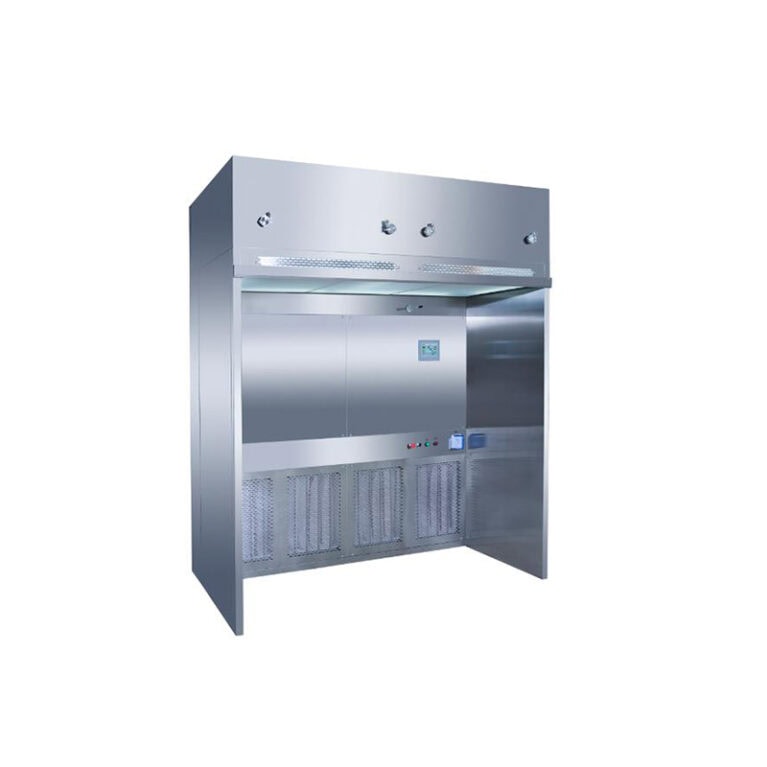
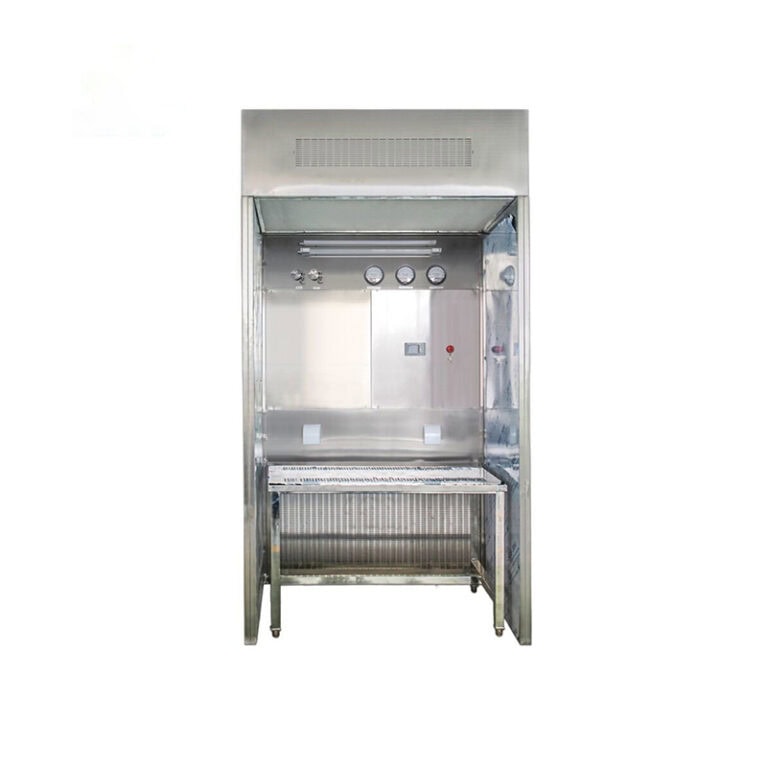

Elevated noise from a vertical laminar flow workbench does not automatically indicate equipment failure. Common contributing factors include worn or under‑lubricated fan bearings, dust buildup on the impeller that ruins dynamic balance, rising air resistance from clogged pre‑filters and HEPA filters, resonance caused by uneven equipment feet, foreign objects inside the air duct, or loose connecting fittings. Simply reducing the fan speed is not a reliable fix, as this may compromise face velocity and cleanroom classification. A more robust approach addresses noise at its source, interrupts transmission pathways, and incorporates ongoing maintenance simultaneously.
1. Reduce Fan and Aerodynamic Noise at the Source
The fan constitutes the primary noise source of the vertical flow workbench. During equipment selection, low‑noise centrifugal fans or variable‑frequency fans are preferred; avoid designs that compensate for flow resistance merely by raising rotational speed. For units already in service, verify whether the fan runs persistently at high speed. If the required face velocity and cleanliness specifications can still be satisfied, moderately lowering the fan speed often yields a marked reduction in aerodynamic noise.
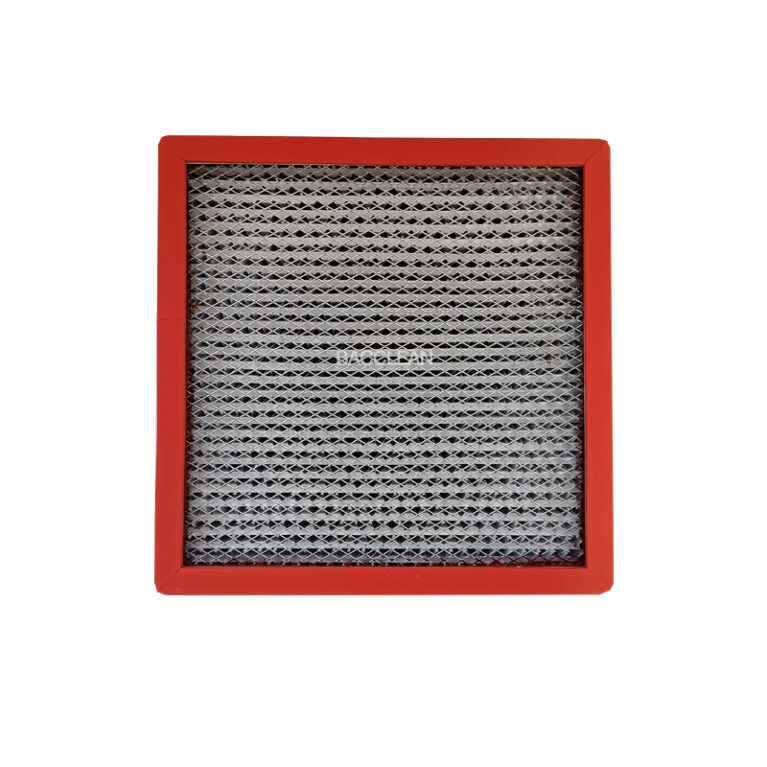
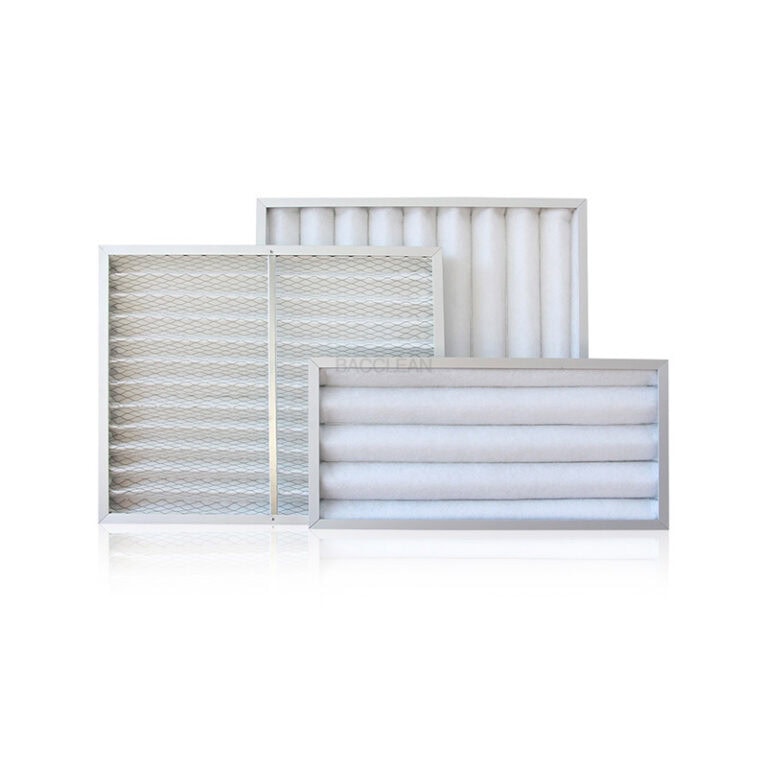
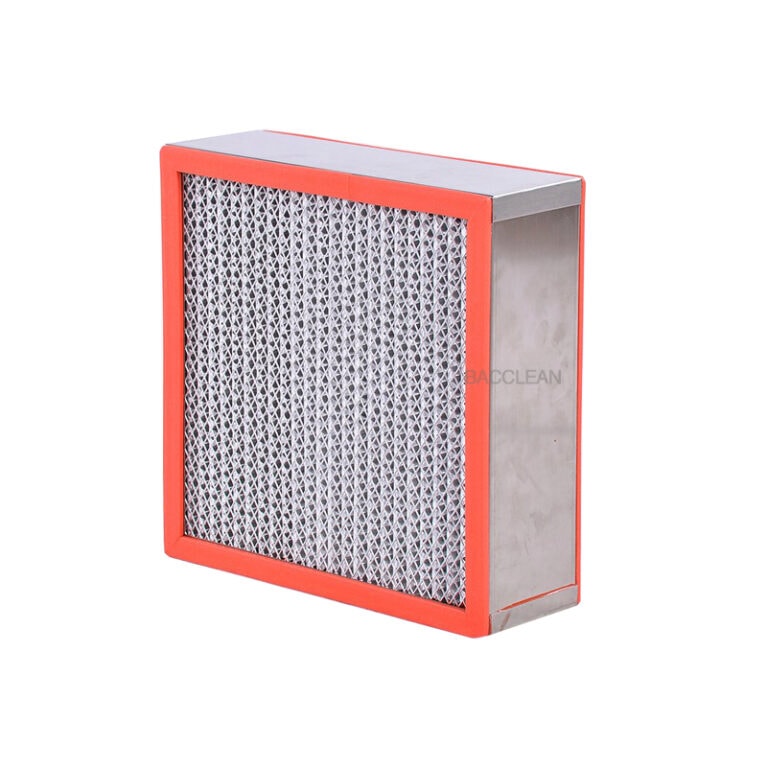
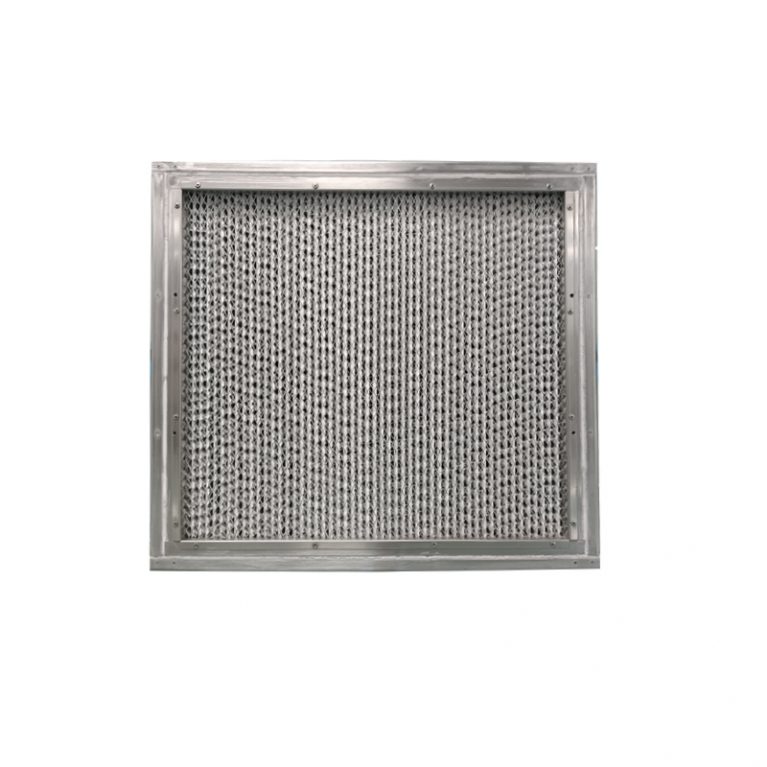
Air duct geometry also impacts noise levels. Air intake sections, plenum chambers and regions upstream and downstream of filters should maintain smooth airflow, free from sharp bends, abrupt cross‑section transitions or local blockages. A heavily loaded HEPA filter increases flow resistance, forcing the fan to operate at higher power and raising noise output. Dust accumulation on the pre‑filter likewise distorts inlet airflow. Regular cleaning or replacement of pre‑filters and scheduled HEPA replacement form the foundational measures for cutting operational noise.
For new installations or retrofits, cleanroom‑compliant acoustic absorbent materials may be fitted inside the cabinet. These materials must be non‑shedding, wipeable and suitable for classified environments, so the acoustic lining does not become a fresh contamination source. Secure all connections between the fan, cabinet and filter frames to eliminate high‑pitched rattling induced by loose components.

2. Block Vibration and Noise Transmission Pathways
In many cases, excessive noise does not originate solely from the fan itself; vibration is amplified as it propagates through the base, work surface, cabinet and ductwork. If the equipment sits unevenly, its support feet bear uneven loads and trigger low‑frequency resonance. Loose cabinet screws, filter compression frames, light covers and sliding sash rails can produce persistent humming or tapping sounds.
On‑site inspection should first confirm that the workbench stands level. If needed, fit vibration‑damping pads beneath the base or adjust the support feet for uniform ground contact. Retighten mounting fasteners for the fan bracket, motor support and plenum joints. Where the unit connects to exhaust ducting, install flexible couplings to isolate vibration transfer along the duct.
Additional sound insulation may be incorporated inside the cabinet, such as damping layers or acoustic panels on the exterior of the fan compartment and cleanroom‑grade sound‑absorbing structures on the inner walls of the plenum. All noise‑retaining modifications must not constrict the effective duct cross‑section or obscure the filter outlet, otherwise uneven velocity distribution, degraded cleanliness or inadequate motor heat dissipation may occur.

3. Continuous Noise Control via Operation and Maintenance
The noise signature of a vertical laminar flow workbench evolves over its service life. New units run quietly, yet noise tends to creep up after months of use as pre‑filters load with dust, fan impellers collect particulate deposits and bearing lubrication degrades. A formal maintenance schedule delivers far better results than ad‑hoc troubleshooting.
Routine maintenance tasks include checking the fan for abnormal vibration and noise, cleaning air intakes and pre‑filters, verifying that HEPA differential pressure stays within the acceptable range, retightening cabinet hardware, and inspecting sash rails, lamp housings and internal supports for looseness. A sharp whistling sound typically points to excessive airflow velocity, duct blockage or component resonance; a deep, dull hum usually relates to vibration transmission, poor levelling or deteriorating fan bearings.
Operating habits also influence perceived noise. Avoid keeping the front sash fully open during operation and prevent objects from blocking the air outlet. Do not stack clutter around the workbench, as this restricts incoming air. When multiple units are grouped together, reserve adequate service clearance to prevent noise superposition and overheating. For laboratories with strict noise limits, record empty‑state and static noise levels upon equipment acceptance to serve as a benchmark for future maintenance comparisons.
Noise control for vertical laminar flow workbenches hinges on striking a balance among cleanliness, airflow volume and acoustic performance. Prioritise checks for excessive filter resistance, fan condition and mounting stability, then progressively reduce noise using vibration isolation, sound absorption and parameter optimisation. This improves the working environment while extending the service life of the equipment.
