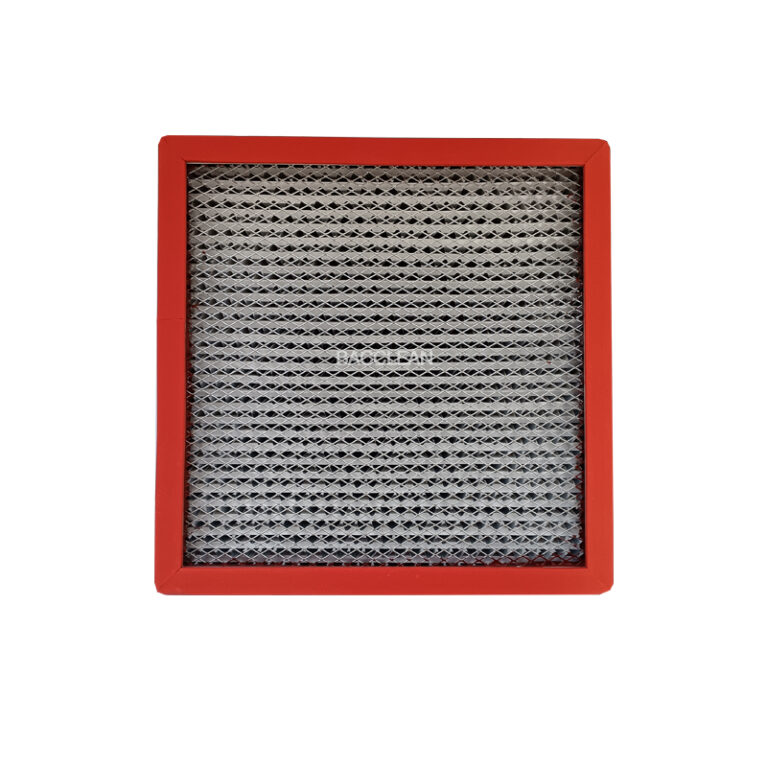
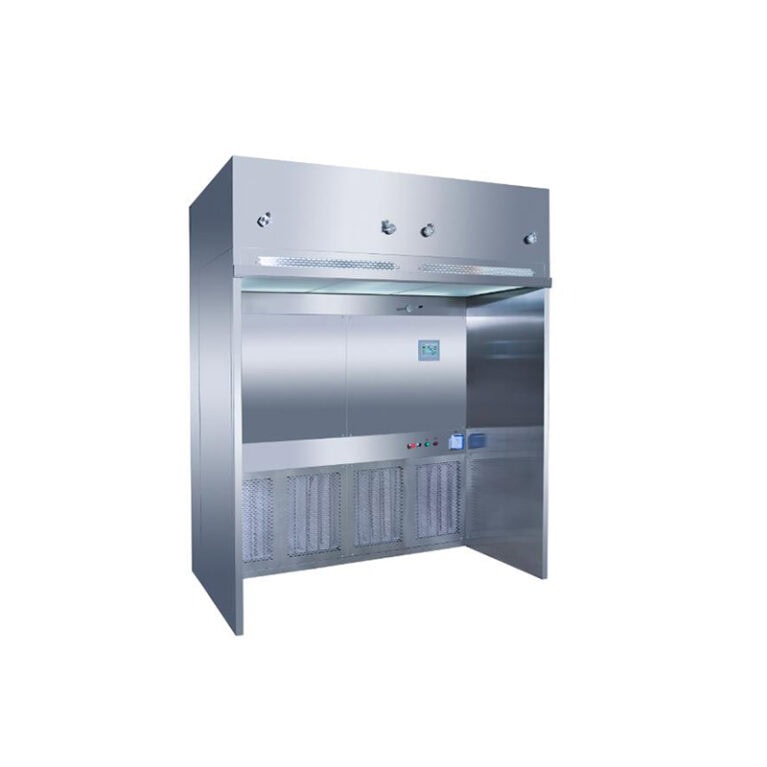
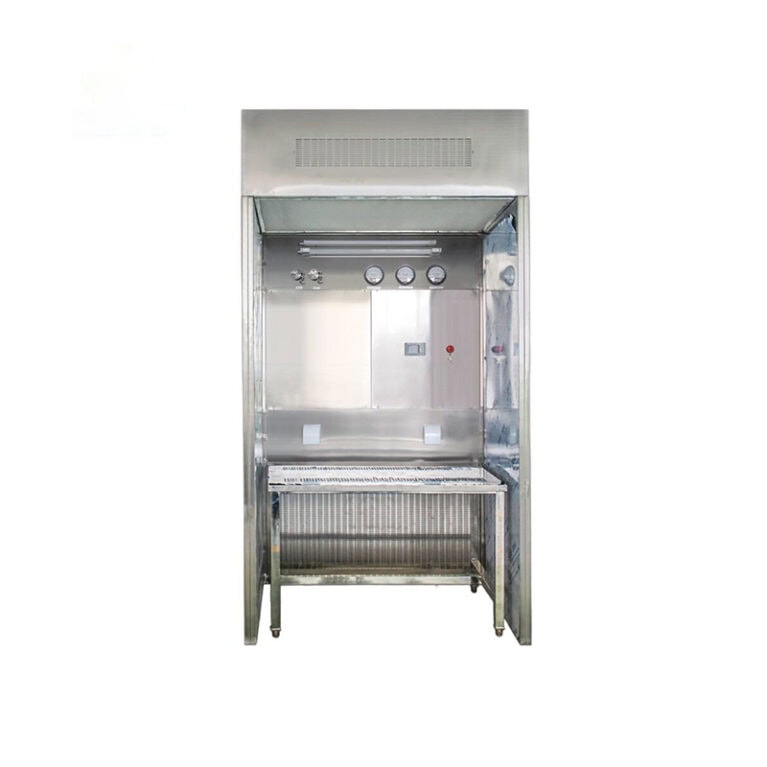
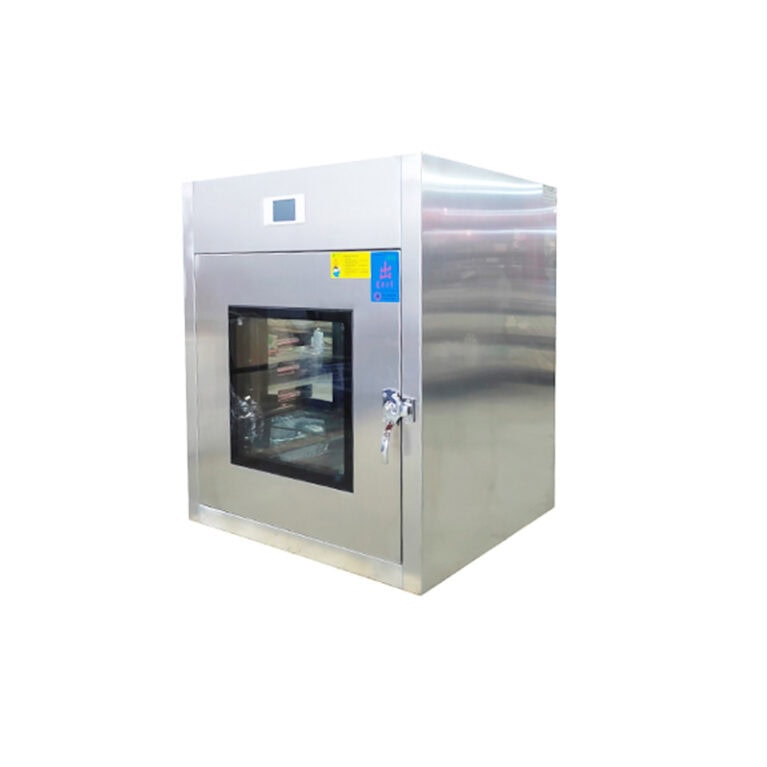
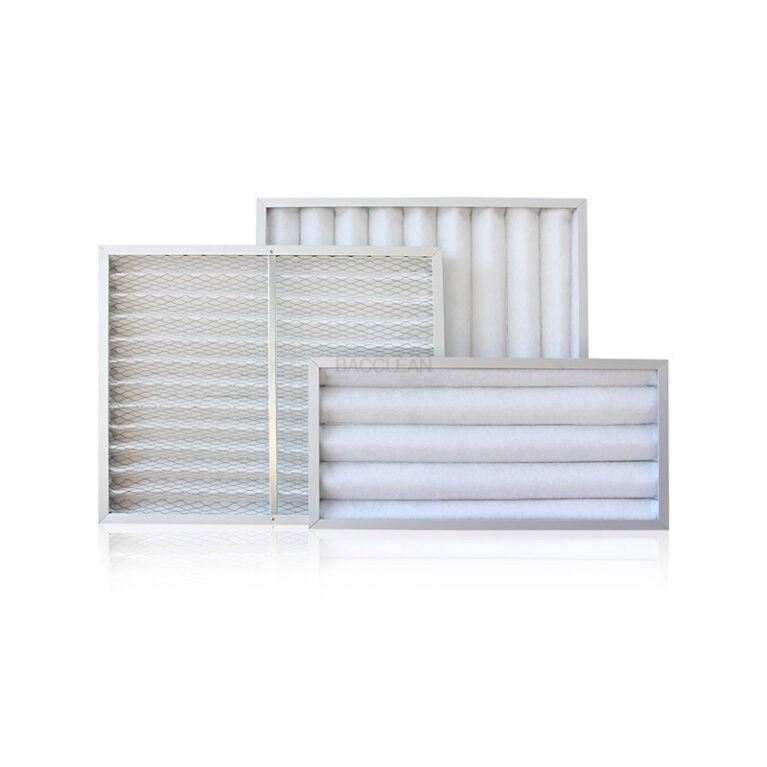
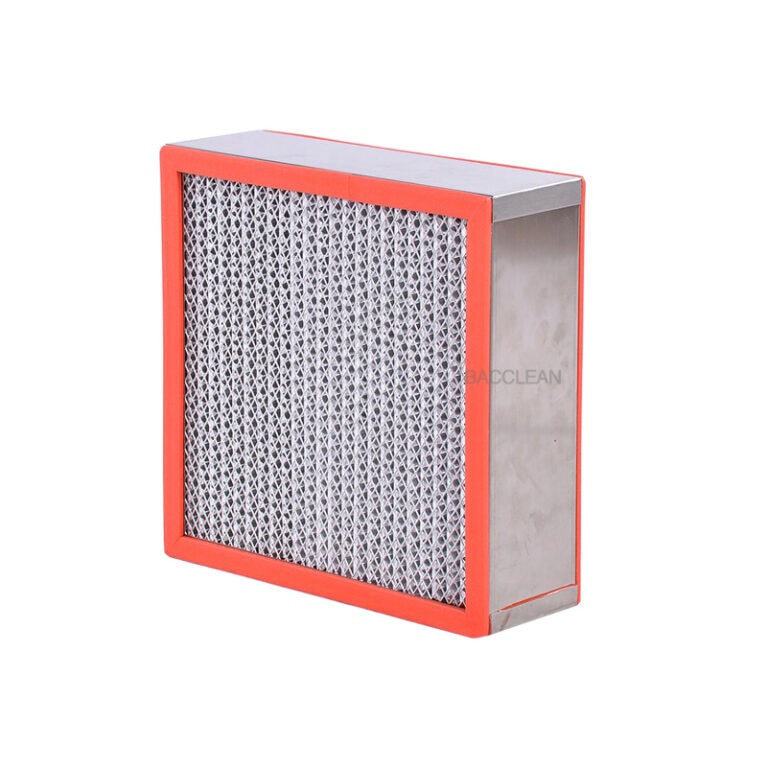
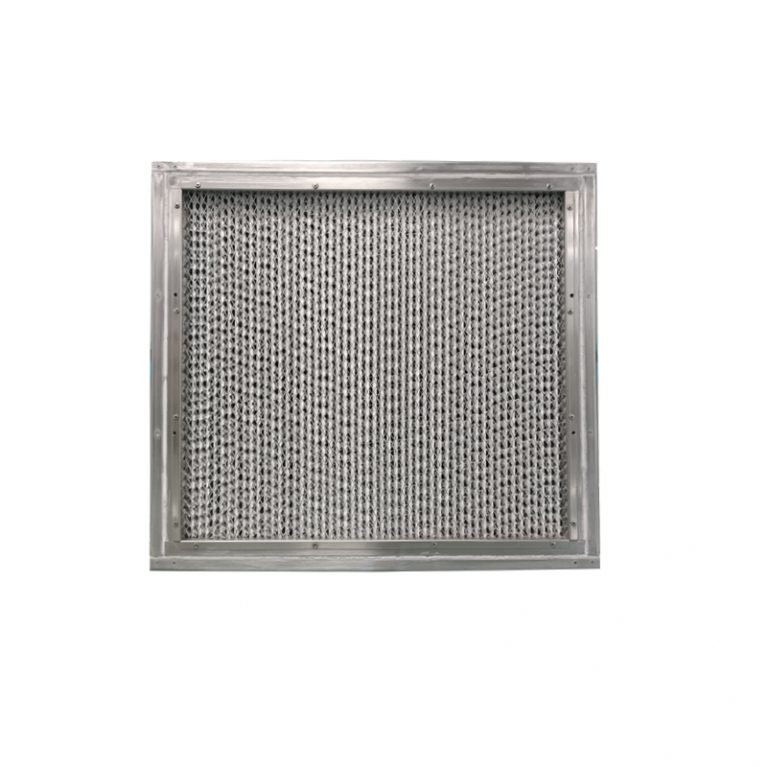
Core idea: Secure the front-end interception, standardize operation and maintenance, optimize the airflow, and maximize the reduction of dust and debris entering the system, thereby extending its lifespan. The following are the implementation methods, organized by dimensions, and can be directly written into the operation procedures.
1. Hierarchical control, with regular replacement/cleaning (the core)
Strictly follow the replacement cycle
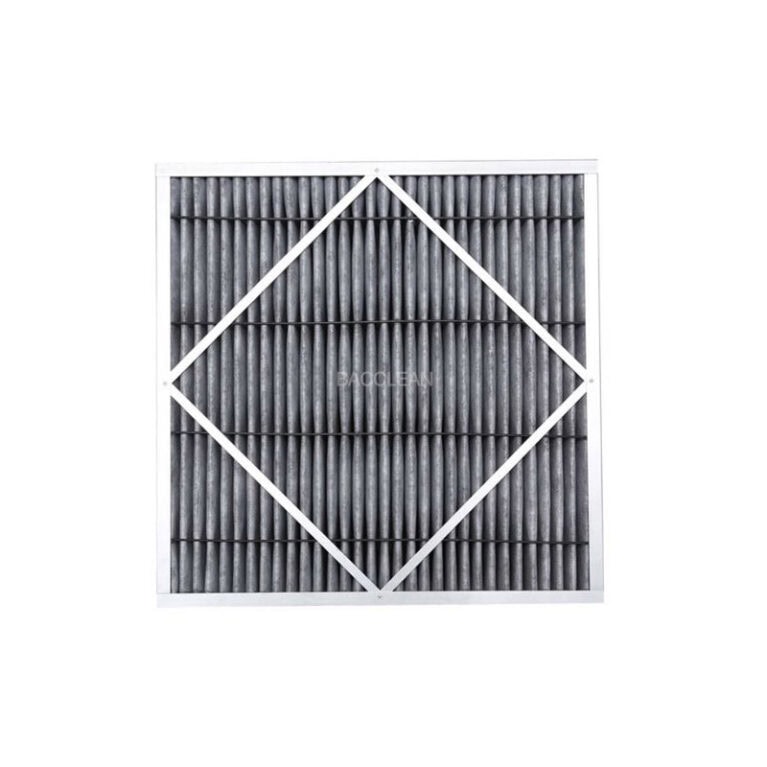
Primary efficiency (G4): 3-6 months for the flow area / dust-producing area, 6-12 months for the regular area;
Intermediate efficiency (F8): 8-12 months for high-load areas, 1-2 years for regular areas.
Never replace until the dust becomes severely blackened or the pressure difference exceeds the limit. Preceding blocking will directly increase the load on the high-efficiency system.
Regular dust cleaning for primary efficiency
Use a low-pressure air gun (pressure ≤ 0.2 MPa) from the back to the windward side to blow off floating dust every week, which can extend the service life by 1-2 months; Intermediate and high-efficiency filters are prohibited from being blown.
Batch standby and timely replacement
Keep the same specification filter cores in stock, and replace immediately if the resistance increases, local damage, or mold is detected, to avoid running with faults.
2. Installation and structural optimization to enhance interception capacity
Ensure no air leakage
The filter core should be tightly adhered to the frame and the box, with no aging of the rubber strips and no gaps. Air leakage will allow the dust to bypass the preceding filter material and directly enter the high-efficiency system, and regular checks on the sealing components should be conducted.
Ensure the filter material is facing the wind at full load
The filter core should be installed properly without tilting or gaps; do not randomly remove or modify the preceding filtration section.
Upgrade the filtration grade as needed
In areas with high dust and人流 density, the initial efficiency grade can be upgraded (e.g., G3 to G4) to enhance the interception of large particles.
3. Airflow and operation management to reduce dust load
Zone staggered start-up
After cleaning, material transfer, and construction are completed, wait for 30 minutes before starting the laminar hood to avoid direct inhalation of dust into the filtration system.
Control the fan speed
In daily operations, prioritize medium-low wind speeds; long-term full-load high wind speeds will cause the preceding filter material to accumulate dust more quickly, indirectly shortening the lifespan of the high-efficiency system.
Avoid turbulent backflow
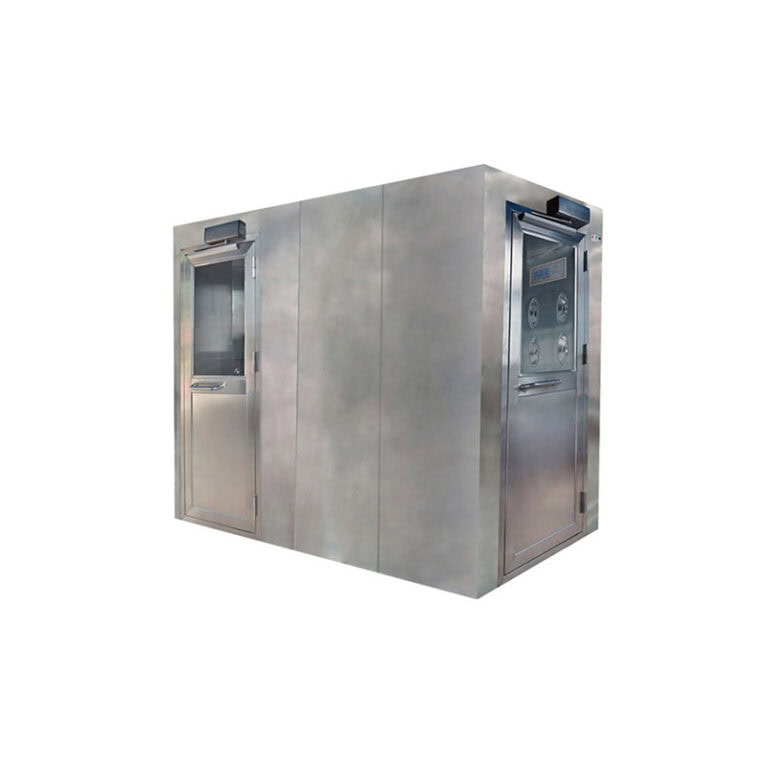
When the air shower, air conditioning outlet, and doors/windows are directly facing the inlet of the laminar hood, adjust the wind direction or install wind barriers to prevent high-dust external air from directly impacting the preceding filter.
4. Environmental control to reduce dust intake from the source
Control the cleanliness of the upstream area
Regularly clean the floor and walls of the area where the laminar hood is located to reduce environmental floating dust; personnel should change clothes according to regulations to reduce dust brought in.
Prevent moisture and mold
In damp workshops or during the rainy season, keep the equipment at a low speed and continuously ventilate to avoid moisture damage, fiber shedding, and debris entering the high-efficiency system causing blockage or contamination.
Isolate pollution sources
Try to place the dust-producing processes away from the inlet area of the laminar hood to reduce the source of dust.
5. Pressure difference monitoring for early warning
Install pressure difference meters for primary and intermediate efficiency separately and establish an initial pressure difference ledger.
When the pressure difference reaches 1.5 times the initial value, it is classified as an early warning state, and cleaning or replacement should be arranged; do not wait until the pressure difference doubles before handling, to block the increase in resistance at the source.
6. Supplementary prohibitions (key points to avoid pitfalls)
Do not use damaged, damp, or reused preceding filter cores;
Do not rinse the filter materials other than the primary efficiency with water to avoid damage to the filter materials and fiber shedding;
Do not reduce the area of the preceding filtration section or remove the filtration section privately.