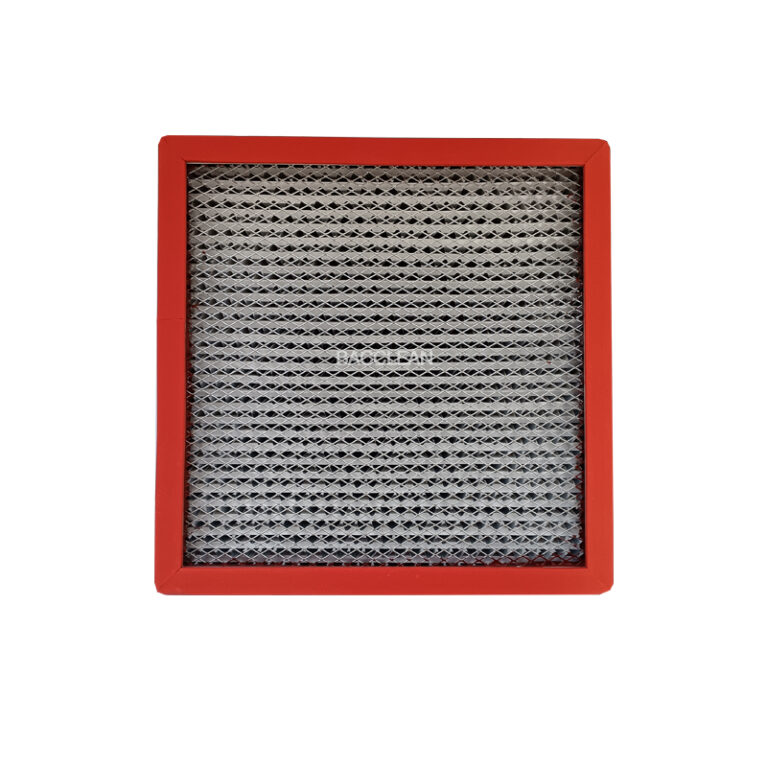
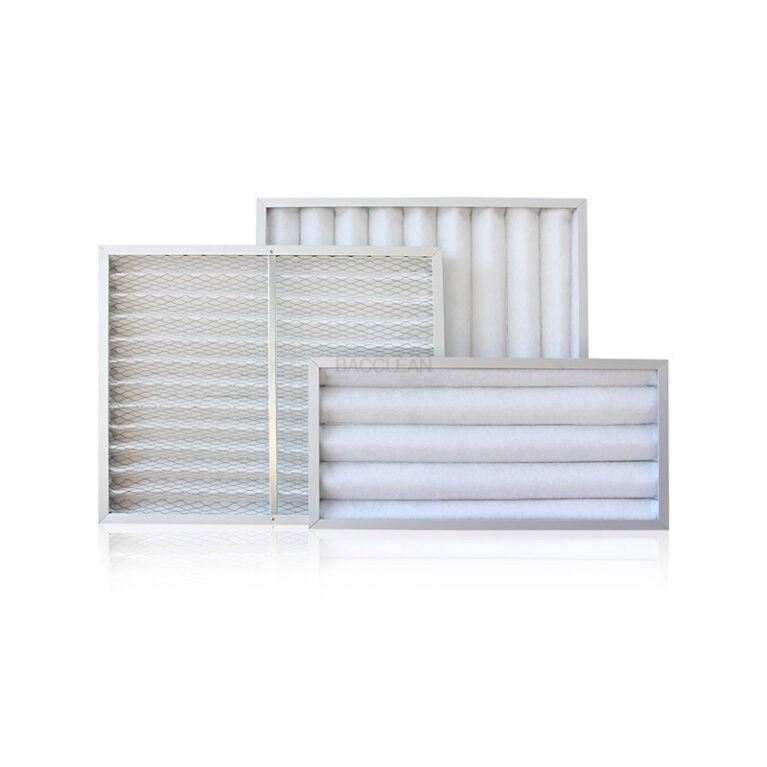
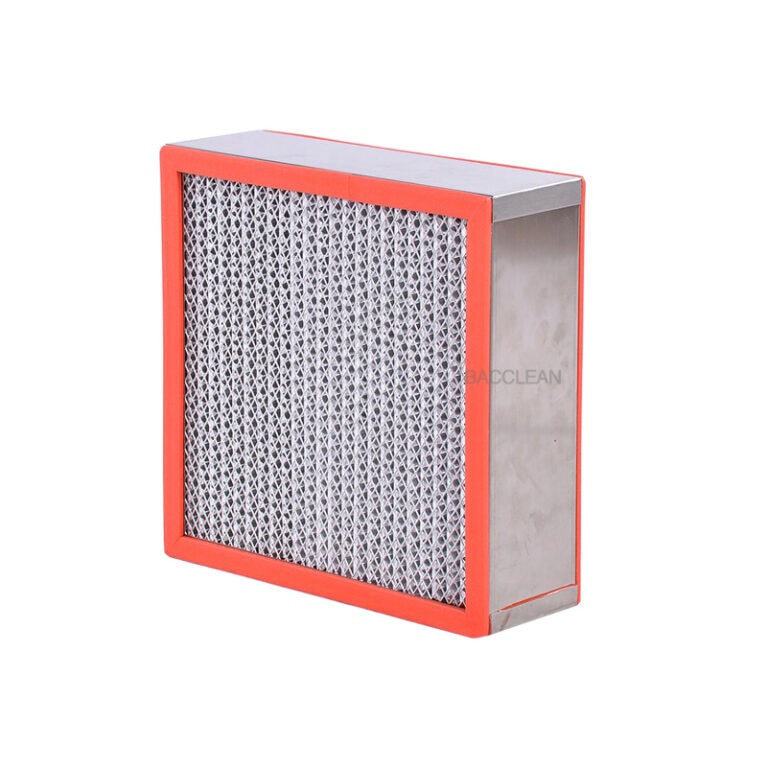
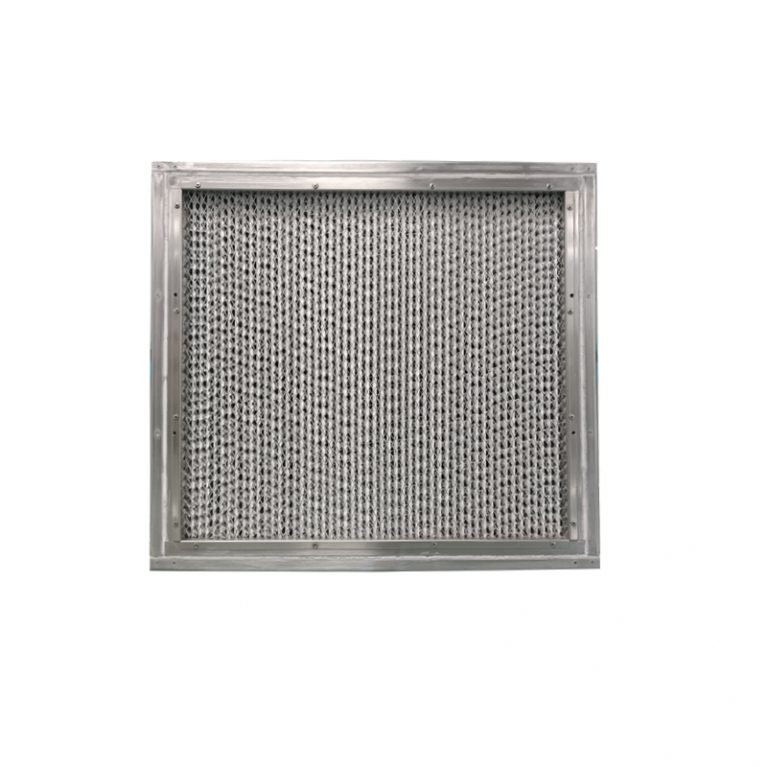
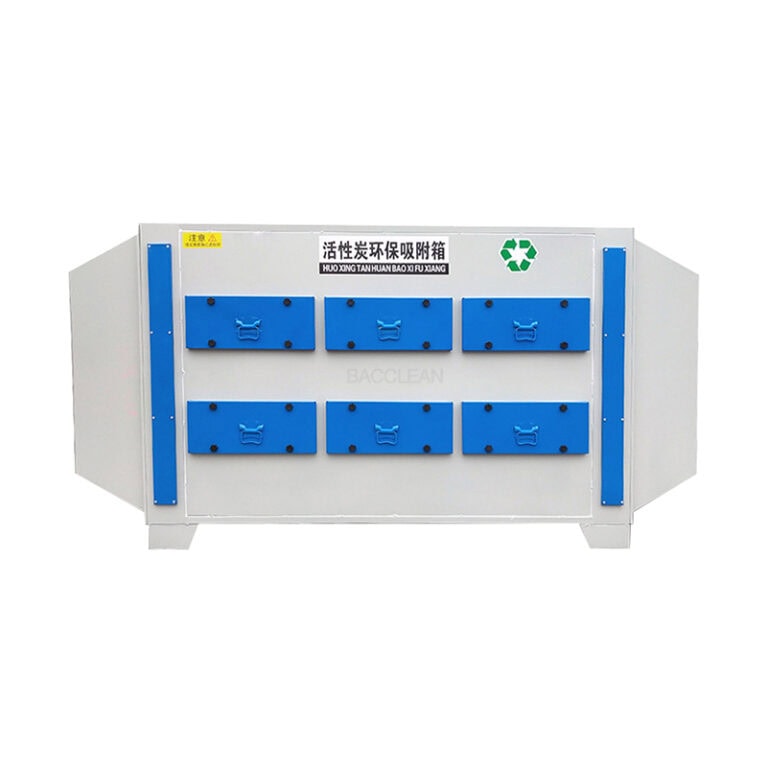
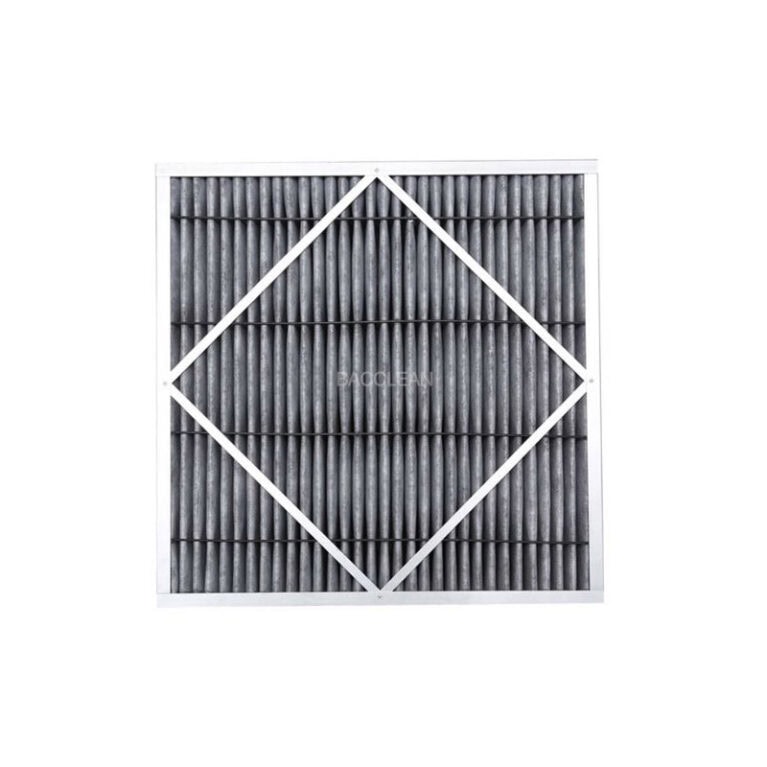
To determine whether the washable air filter of the sub-frame needs cleaning, the core lies in the three dimensions of “appearance observation, operating status, and usage period”. Combined with the structural characteristics and usage scenarios of the filter, the following six intuitive methods can be used for judgment. The operation is simple and no professional tools are required, and it is suitable for various scenarios such as home and commercial use.
1. Visual inspection of the filter material (the most direct and commonly used method):
1. Observe the surface of the filter material: Turn off the power of the equipment, remove the sub-frame and take out the filter material. Observe the surface of the filter material. If the surface of the filter material is covered with obvious dust, hair, or flocculent substances, or there are gray-black stains or slight oil stains attached, and the visible dust thickness exceeds 0.5mm, it indicates that the filter has reached the cleaning standard and needs to be cleaned in time.
2. Inspection of the sub-frame and mother-frame structure: Check the gap of the sub-frame and the buckle area. If there is obvious dust accumulation, or even dust lumps and unpleasant odors, not only the filter material needs to be cleaned, but the frame also needs to be cleaned simultaneously to avoid the accumulation of dust breeding bacteria or affecting the sealing effect.
3. Comparison of filter material color: Compare the original color of the filter material (new filter materials are mostly white or light gray). If the filter material has changed to dark gray or black, or there is a significant color difference locally, it indicates that the filter has adsorbed a large amount of impurities and the filtering capacity has decreased. It is necessary to clean immediately.
2. Judgment based on equipment operating status (combined with usage experience):
1. Significant decrease in ventilation volume: After starting the air conditioner, new air system, etc., if you feel that the air volume from the outlet has significantly decreased, even when turned to the maximum volume, there is still no obvious wind force, and the equipment is running without faults, it is likely that the filter material is too dusty and the pores are blocked, causing the airflow to be unable to pass smoothly, and it is necessary to clean the filter material.
2. Increased equipment noise: During equipment operation, if there is abnormal noise (such as a rough wind sound, increased vibration noise), after excluding the equipment’s own faults, it may be that the filter material is blocked, causing air flow obstruction. At this time, it is necessary to check and clean the filter.
3. Decreased filtering effect: During use, if you find that the accumulation of dust in the indoor area accelerates, hair floats significantly, or there is a slight odor (not due to equipment faults), it indicates that the filter cannot effectively intercept impurities, and the filter material is already in a saturated state, and it is necessary to clean immediately.
3. Reference to usage period (auxiliary judgment to avoid omissions):
Combine the pollution degree of the usage scenario and refer to fixed periods for judgment. This can avoid excessive dust accumulation on the filter material due to untimely appearance observation:
1. Medium-low pollution scenarios (ordinary home, office areas): Check once every 1-2 months. If no above-mentioned appearance or operating abnormalities occur during this period, it is recommended to clean once every 2 months to avoid the accumulation of dust for a long time and causing the filter material to harden.
2. High pollution scenarios (near the road, pet households, kitchen surroundings): Check once every 2-4 weeks. If you find obvious dust accumulation on the filter material, clean it immediately to avoid rapid dust accumulation blocking the filter material and affecting the equipment lifespan.
3. Special scenarios (after renovation, temporary construction areas): It is recommended to check once a week because these scenarios have more dust and debris, and the filter material is prone to rapid saturation. Cleaning in time can ensure the filtering effect and extend the lifespan of the filter material.
4. Supplementary reminder:
If the following situations occur, there is no need to clean and replace the filter material directly: 1. Even after cleaning the filter material, the ventilation volume and filtering effect still show no significant improvement; 2. The filter material is damaged, fibers fall off, or becomes hard due to aging; 3. The filter material adsorbs oil stains, corrosive impurities, and cannot be completely removed through cleaning.