
1. Cleaning and Disinfection Before and After Use
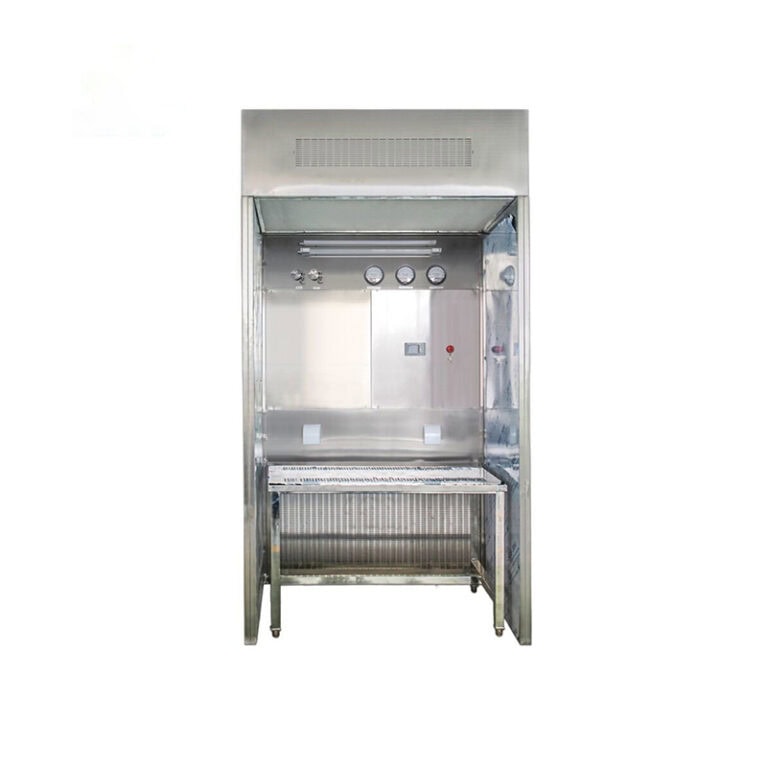
Before each use, remove sundries on the work surface. Wipe the worktop, side walls, rear air outlet mesh and glass baffle with lint-free cloth dipped in 75% ethanol or neutral disinfectant. Then turn on the UV lamp for 20–30 minutes of irradiation, and operators must leave the operating area. After the UV lamp is turned off, start the fan and run it under no-load condition for 10–30 minutes. Start operation only after the airflow stabilizes.
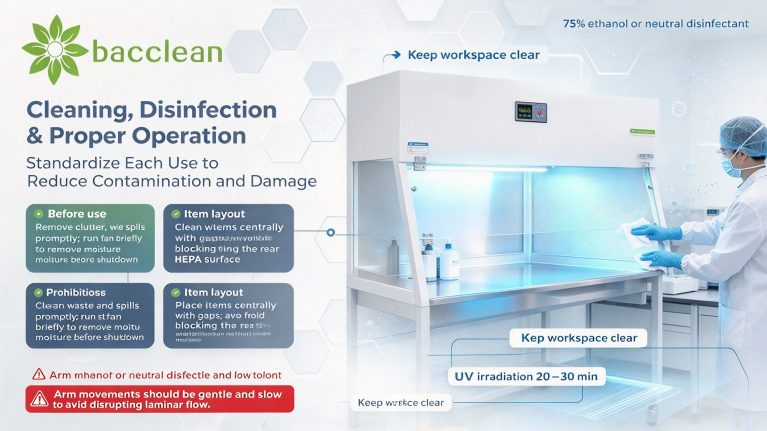
After operation, clean up waste promptly to prevent culture medium, liquid reagent and dust residue on the bench. In case of liquid spillage, absorb the liquid first, then wipe and disinfect. After cleaning, keep the fan running for another 5–10 minutes to discharge internal moisture, then shut down the fan, lighting and UV lamp.
2. Proper Item Placement to Prevent Man-made Damage
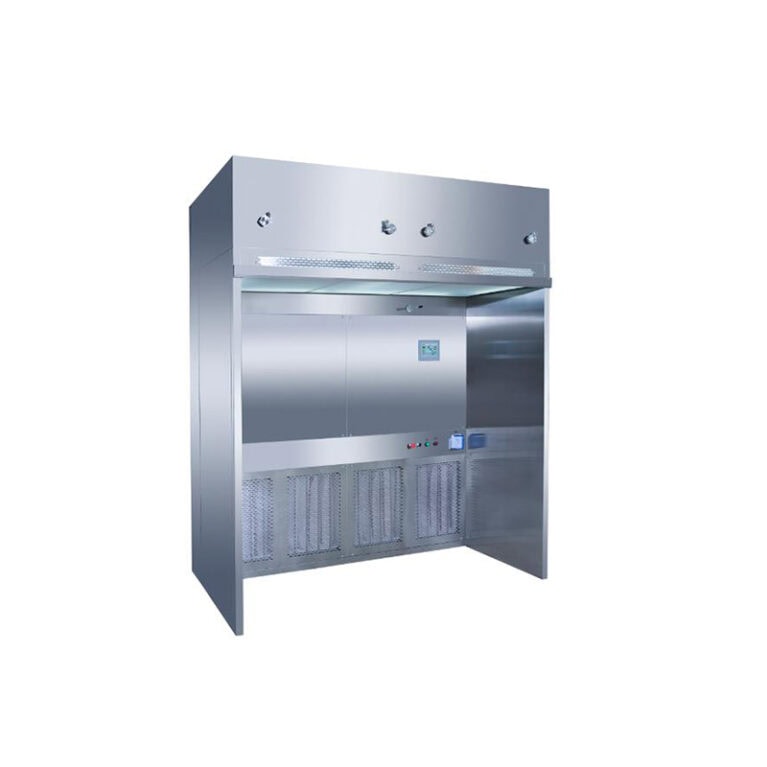
Do not overstack items inside the horizontal flow clean bench. Place items in the center of the working area with sufficient gaps around. Never place items tightly against the rear HEPA air outlet surface, otherwise the laminar flow pattern will be disrupted.
Operate gently. Avoid fast pulling of arms in and out of the cabinet to prevent vortex formation inside the work zone. Long-time open flame burning inside the bench is prohibited; high temperature and combustion particles will damage the HEPA filter media. Volatile chemicals, strong acids, strong alkalis and flammable & explosive materials shall not be stored inside the bench, to avoid corrosion of stainless steel surface, sealing parts and electrical components.
3. Regular Inspection and Replacement of Pre-filters
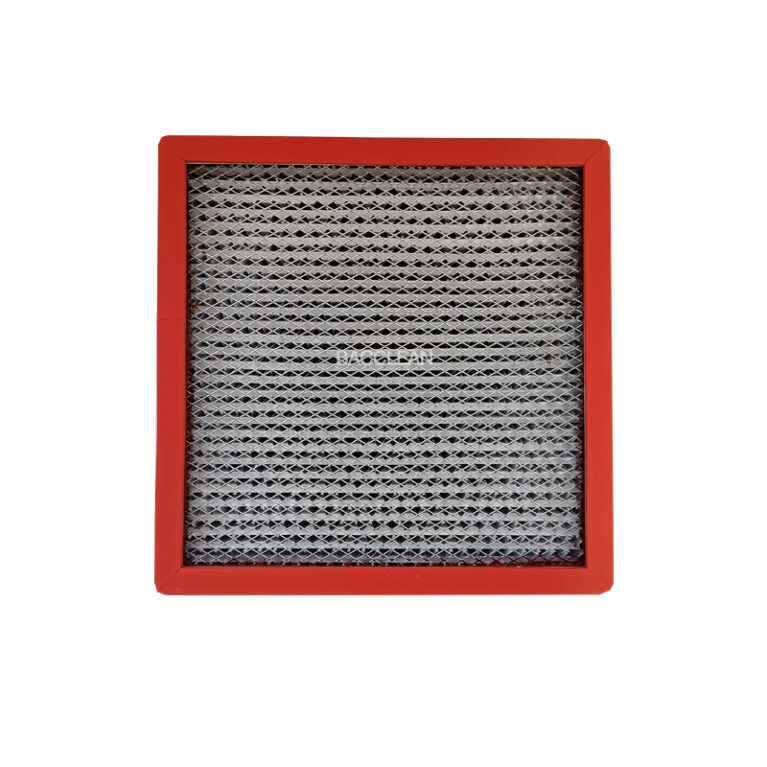
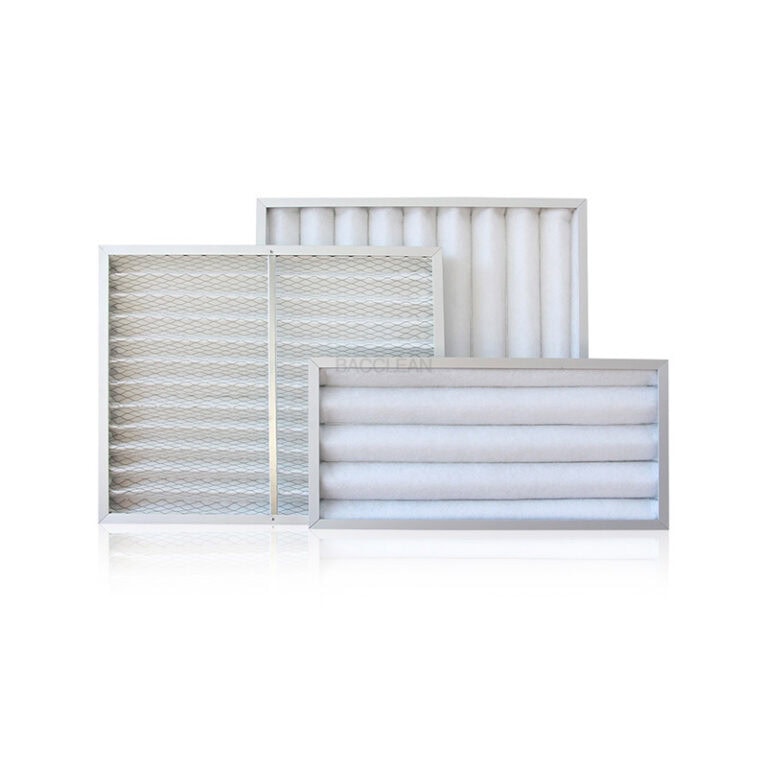
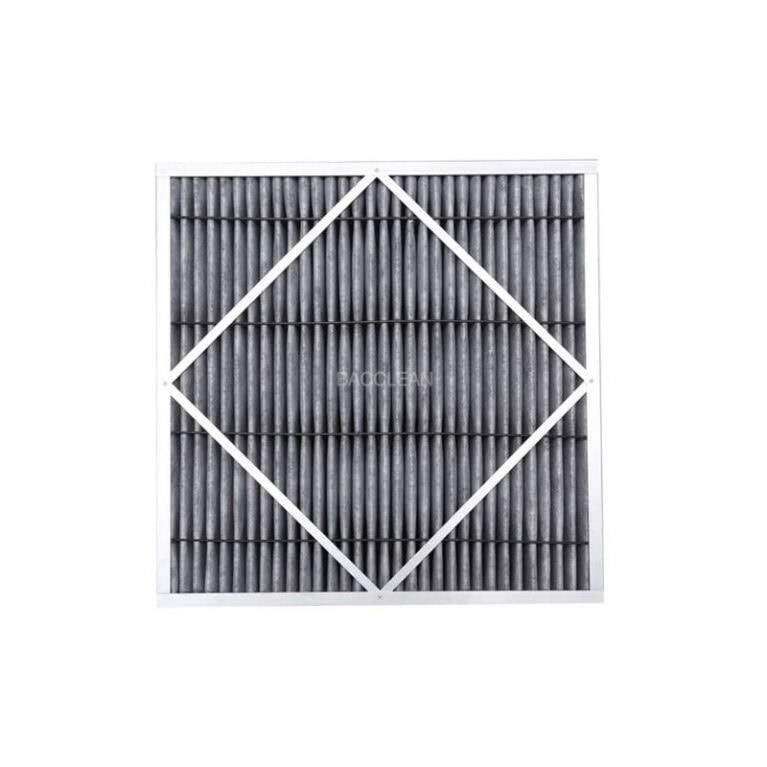
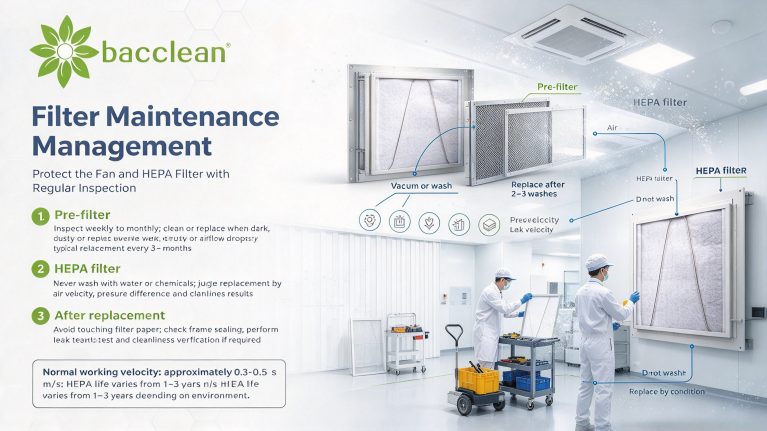
The pre-filter acts as the first barrier to protect the fan and HEPA filter. Inspect it weekly to monthly. Clean or replace it in time if the surface turns dark, dust buildup is obvious or air intake drops.
Removable pre-filter screens can be cleaned by vacuuming, or washed with neutral detergent and fully dried before reinstallation. Paper or non-washable filter media cannot be flushed directly. Normally replace the filter after 2–3 washes. The standard replacement cycle is about 3–6 months; shorten the cycle for heavily dusty environments.
4. HEPA Filter — No Washing, Replace According to Actual Condition
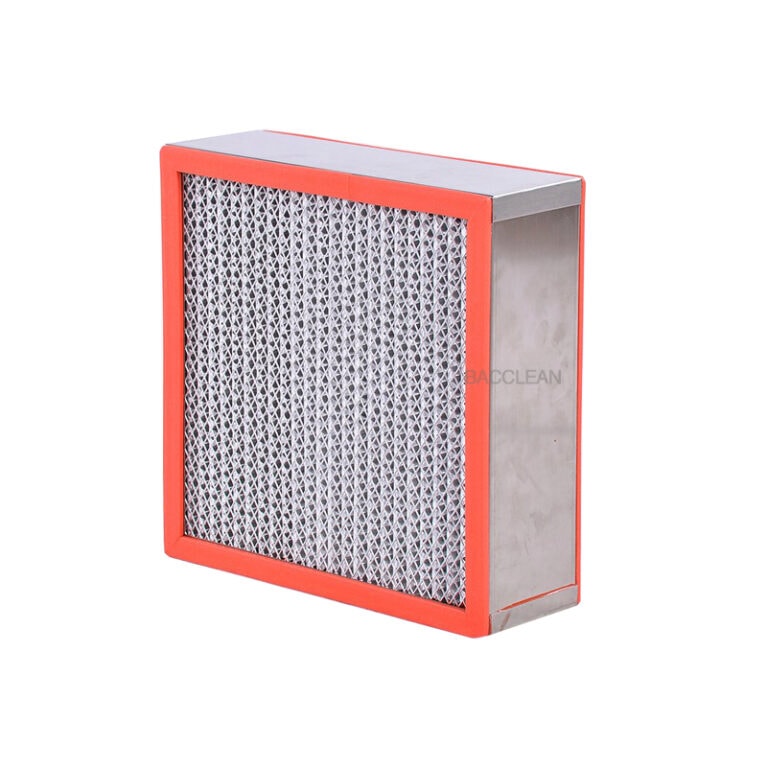
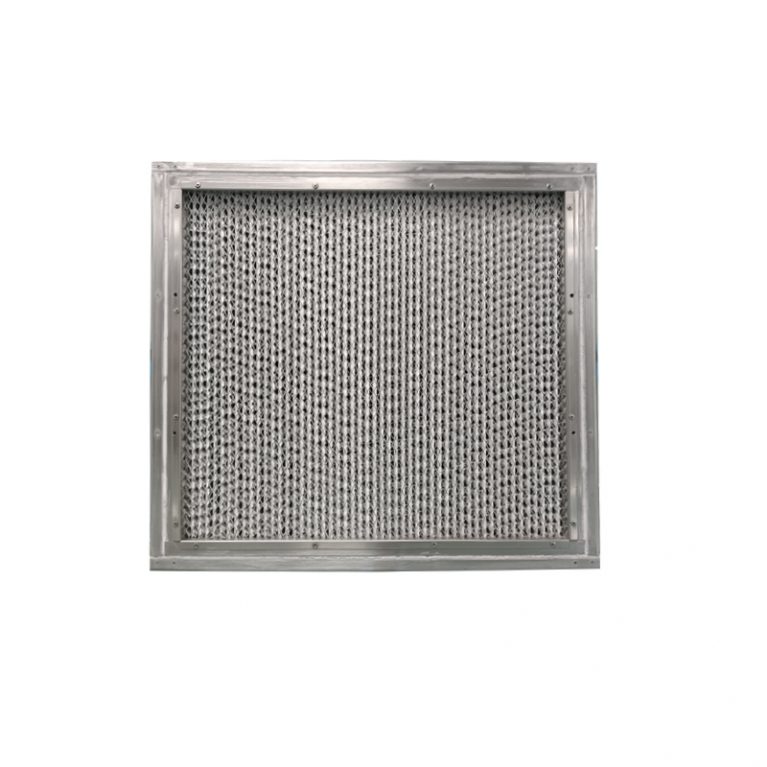
The HEPA filter is the core component of the horizontal flow clean bench and must never be cleaned with water or chemical solvents. Replacement should not be judged merely by service time, but combined with air velocity, pressure differential and cleanliness test results.
Test the air velocity of the working area every 1–2 months. The normal velocity range is 0.3–0.5 m/s. If the air velocity is still below specification even when the fan runs at high speed, or the cleanliness test keeps failing, replace the HEPA filter. The service life varies greatly depending on ambient conditions: normally 1–3 years in standard environments. Early replacement may be required for high-dust, high-humidity or continuous-duty scenarios.
Do not touch the filter paper during replacement. Check the frame sealing after installation, and perform leak test and cleanliness re-verification if necessary.
5. Periodic Testing of Air Velocity, Cleanliness and UV Lamp
Build maintenance records for long-term operation, including air velocity, pressure differential, cleaning time, filter replacement records and exception handling notes.
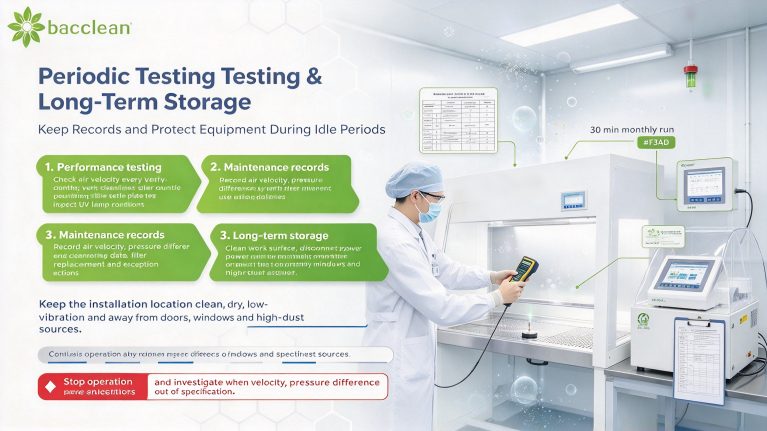
Air velocity testing helps identify filter clogging or fan failure. Cleanliness can be verified by particle counting or settle plate test to confirm whether the working area meets requirements. Wipe dust off the UV lamp surface regularly. Replace the UV lamp when its accumulated service time exceeds the limit or the irradiation intensity is insufficient; the typical service life is 1000–2000 hours.
6. Keep the Operating Environment Dry and Clean
Place the horizontal flow clean bench in a clean, dry, low-vibration location, away from doors, windows and high-dust sources. Excessive ambient humidity will cause rusting of metal parts, damp failure of electrical components and higher microbial growth risk.
When the equipment is out of service for a long time, clean the work surface, cut off power and cover it with a dust cover. It is recommended to power on and run the equipment for 30 minutes every month to prevent fan bearing dampness and aging of electrical parts.
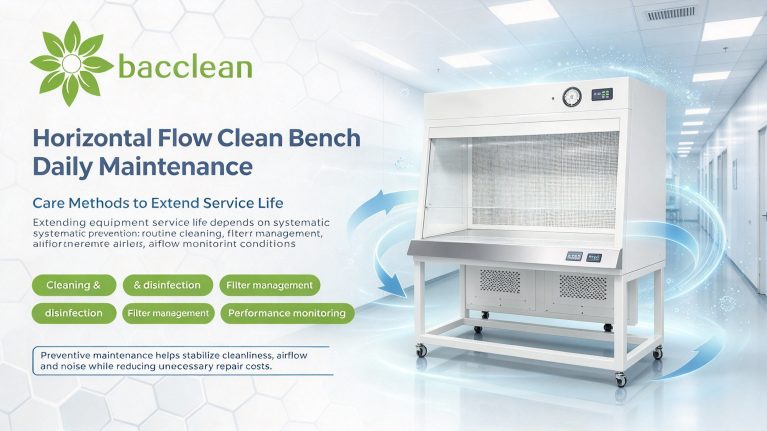
Standardized maintenance above can not only extend the service life of the horizontal flow clean bench, but also maintain stable cleanliness, air velocity and noise level. These maintenance points can be sorted into operation notes and after-sales care guidelines for product pages, helping customers reduce misuse and establish a professional brand image.
