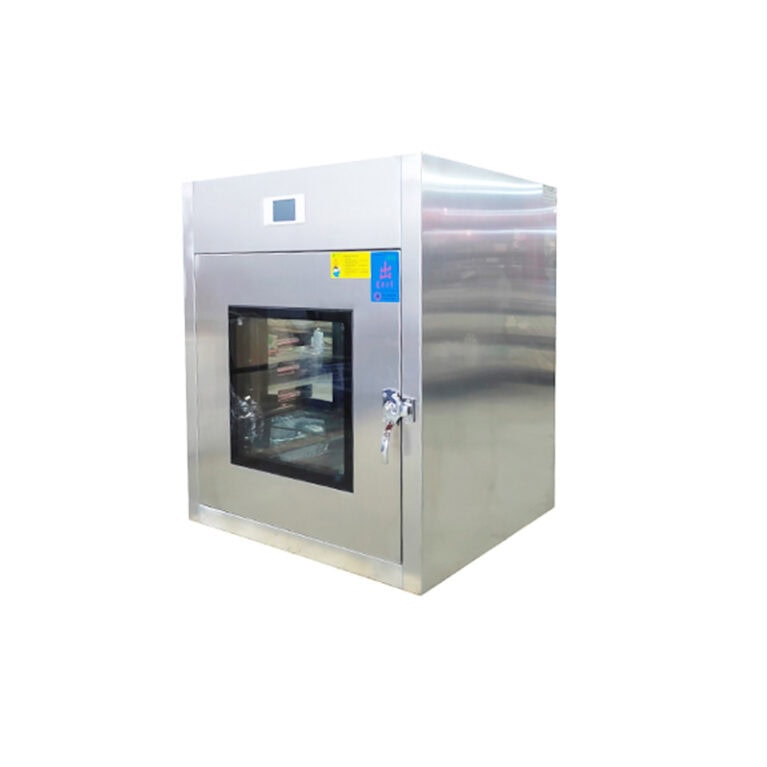
General Daily Maintenance for Transfer Windows (including common / UV / VHP models, with GMP compliance checks)
I. General Basic Maintenance (applicable to all types of transfer windows)
1. Daily Cleaning (must be done before and after shifts)
Inside and outside chambers, tabletop, door frames, observation windows
Cleanroom standard: use purified water and 75% ethanol for wiping, clean stubborn oil stains with neutral non-phosphorus cleaner, strictly avoid strong acids and strong alkalis.
All rounded corners, sealing strip grooves, door hinge dead corners wiped, no material residue, water stains, mold spots.
Observation glass / acrylic: wipe with dust-free cloth, do not use steel wool to scratch, to prevent scratches and bacterial accumulation.
Around the floor: clean the bottom and surrounding floor of the transfer window simultaneously, to avoid dust from accumulating into the chamber.
Prohibited cleaning: do not spray a large amount of water for rinsing, to prevent water ingress in the electrical box and short circuit.
2. Daily Function Inspection
Double door interlock: test whether the inner and outer doors can be opened simultaneously, if the interlock fails, immediately stop and report for repair.
Sealing strip: check if the silicone seal is cracked, hard, fallen off, or has gaps for air leakage; slightly dirty areas wiped, for aging, replace directly.
Hinges, door locks: no abnormal noise or jamming when opening and closing the door, a small amount of food-grade silicone-based lubrication for jam points, do not use engine oil (easily accumulate dust and breed microorganisms).
Indication lights, alarm sounds: the door opening, interlock, fault indication lights are normally lit, the alarm sound is normal.
Pressure difference / fan (with air shower / VHP models): the fan operates without abnormal vibration or noise, no air leakage.
3. Weekly Maintenance
Comprehensive disassembly and cleaning: remove the internal storage tray of the chamber, rinse and dry, then reset.
Check the wires and control box: no aging or broken skin of the wires, no water condensation on the box; dust removal from ventilation and heat dissipation holes.
Hinges, door locks: no abnormal noise or jamming when opening and closing the door, a small amount of food-grade silicone-based lubrication for jam points, do not use engine oil (easily accumulate dust and breed microorganisms).
Indication lights, alarm sounds: the door opening, interlock, fault indication lights are normally lit, the alarm sound is normal.
Pressure difference / fan (with air shower / VHP models): the fan operates without abnormal vibration or noise, no air leakage.
4. Monthly Maintenance
Tighten all sheet metal screws and door body fasteners to prevent long-term vibration from loosening and air leakage.
Calibrate the door fit, ensure uniform door gaps, no local leakage.
Clean the cooling filter of the electrical control box to prevent overheating and system freeze.
5. Quarterly / Annual Major Repair
Replace all sealing strips as a set (silicone will age and leak over time).
Check the sheet metal welds and chamber for corrosion points, 304/316L rust spots should be polished and passivated in time.
Overall air tightness test (mandatory for aseptic workshops / VHP transfer windows).
Comprehensive inspection of electrical circuits, replace aging switches, sensors.
II. Special Maintenance for UV Disinfection Transfer Windows
Daily
Start the UV for 30 minutes, observe if the lamp tubes are evenly glowing, if there is blackening, flashing, or half of the tube is not lit, mark for replacement.
Lamp tube outer wall wiping: use 75% alcohol to remove dust, dust will significantly reduce the efficiency of UV disinfection.
Monthly
UV intensity detection: measure with an UV irradiation meter, if lower than 70μW/cm², replace the lamp tube immediately.
Clean the top reflective aluminum plate of the chamber, dust will weaken the reflection and sterilization effect.
Replacement cycle for consumables
UV lamp tube: standard 800 hours, or mandatory replacement every 6 months;
Replace the ballast when there is abnormal noise or heat simultaneously.
III. Key Maintenance for VHP Vaporized Hydrogen Peroxide Transfer Windows (core of aseptic workshop)
1. Before and after each use
Chamber dryness check: no water accumulation, residual hydrogen peroxide droplets, dampness will corrode the inner wall and affect sterilization.
Wipe the temperature and humidity, concentration sensor probes, drug liquid crystallization will cause data distortion.
Confirm that catalytic decomposition is completed before opening the door after each sterilization, VHP residue ≤ 1ppm.
Weekly Special Maintenance
VHP generator: clean the crystallization in the atomization flash chamber, purify water to rinse the pipeline, prevent hydrogen peroxide crystallization from blocking the nozzle;
Catalytic decomposition filter: check the white crystallization accumulation on the surface, lightly blow, replace severely;
Dust removal of the fan duct in the circulation air path, ensure uniform circulation of gaseous hydrogen peroxide without dead corners; Negative pressure sensor calibration to ensure stable negative pressure within the sterilization chamber without leakage of VHP. Monthly
Pipeline leak detection: Check for aging and leakage of hydrogen peroxide delivery hose;
Calibrate temperature, humidity, VHP concentration, and pressure sensors to ensure accurate sterilization parameters and meet GMP verification requirements;
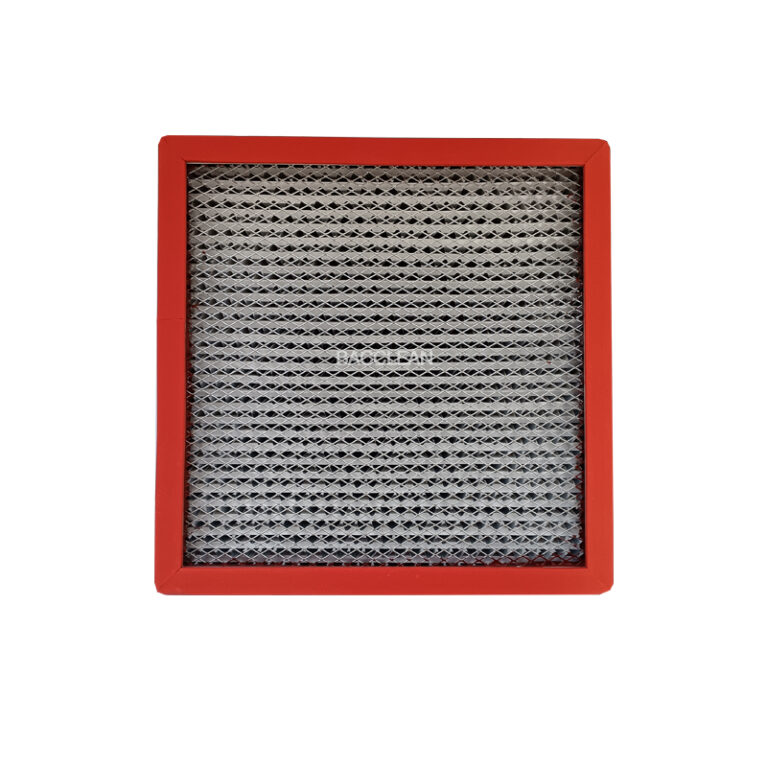
Clean the surface of HEPA inlet and outlet air filters, check for any drug liquid soaking and discoloration.
Annual consumable replacement list
Catalytic decomposition filter (oxidation failure, decreased decomposition efficiency);
VHP concentration, temperature and humidity sensors;
Delivery hose, sealing gasket;
All silicone sealing strips of the chamber;
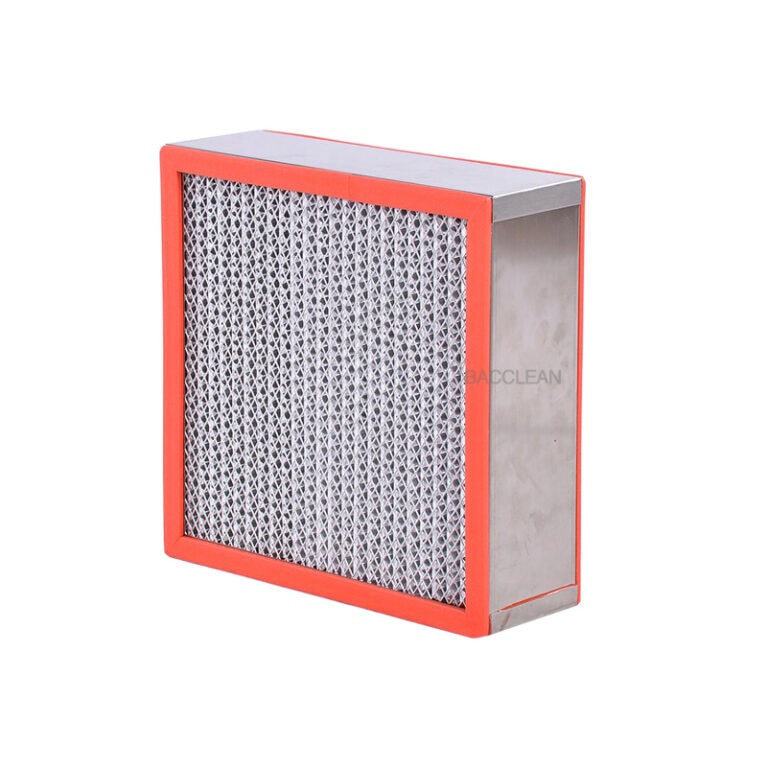
HEPA high-efficiency filter (if corroded by drug liquid or damaged, replace directly; regular replacement interval is 1-2 years).
Special maintenance points for VHP protection
The chamber is preferably made of 316L stainless steel. Weekly passivation maintenance to prevent corrosion and rusting by high-concentration hydrogen peroxide;
Copper and ordinary rubber are not allowed to come into long-term contact with VHP, as they are prone to oxidation and powdering;
Before long-term shutdown, run the equipment for complete dehumidification and catalytic cycle, empty the residual hydrogen peroxide in the pipeline to avoid crystallization and pipe blockage.
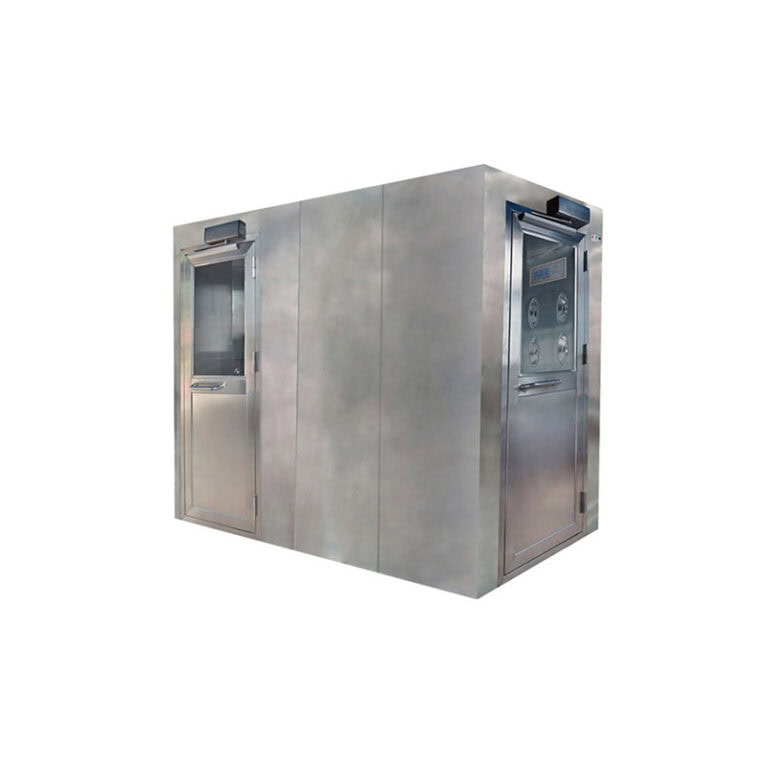
Four. Additional maintenance for air shower transfer window
Daily: Check if the nozzle is blocked, and the fan pressure is normal;
Monthly: Clean or replace the primary filter;
Every 6-12 months: Test the integrity of H14 high-efficiency filter, detect leaks, and replace if damaged.
Five. Maintenance records and GMP management requirements
Establish a ledger: Daily cleaning records, daily inspection records, consumable replacement records, instrument calibration records, and fault repair records;
Retain batch numbers and replacement dates for all replacement parts;
Archive verification data such as air tightness, ultraviolet intensity, VHP concentration, and filter leak detection;
Equipment that fails to operate normally should be marked for warning, and can be restored to use only after qualified repair.
Six. Precautionary maintenance reminders for common faults
Do not directly place wet materials in the VHP chamber, as it will increase the dehumidification load and corrode the equipment;
Do not use strong oxidizing or chlorine-containing cleaning agents to wipe stainless steel for a long time;
Do not allow water to enter the electrical box during cleaning, and cover it during cleaning;
Do not strike the door body violently to avoid deformation and air leakage of the sealing strip;
The VHP equipment must use dedicated food-grade 30% medical hydrogen peroxide, as impurities are high and are prone to crystallization and blockage of the generator.