A Complete Solution for Extending the Service Life of the Boat Frame High-efficiency Filter with High Humidity Environment
It is divided into five sections: front-end humidity control pre-treatment, optimization of filtration levels, daily operation and maintenance management, optimization of selection and installation, and disinfection and shutdown regulations. These can be directly written into the SOP maintenance documents.
1. Source Control of Humidity: Reduce the humidity of the air entering the high-efficiency section (the core and fundamental measure)
Install a deep dehumidification unit for central air conditioning
Stabilize the relative humidity of the supply air at RH 45% – 60%, preventing the air from carrying high-humidity water vapor directly to the high-efficiency filter; add independent pipeline dehumidification systems in cold storage and cooking workshops to prevent the convergence of cold and hot air and condensation.
Prevent local condensation in the workshop
Control the temperature difference between the clean area and the supply air temperature ≤ 3℃ to prevent water droplets from condensing on the cold pipe walls, static pressure boxes, and the outer walls of the boat frame units;
Install local negative pressure exhaust at steam production positions (mixing, cooking, cleaning) to discharge the water vapor locally and prevent it from spreading to the laminar flow area;
Wrap the outer walls of the ducts and static pressure boxes with insulation cotton to eliminate condensation on the pipe walls.
Make sure the new air intake is waterproof and water-proof
Install a water-proof board and waterproof louvers at the new air intake to prevent rainwater from entering the system during rainy days and avoid large amounts of liquid water wetting the front-end filters.
2. Pre-filtering Grading Enhancement to Share the Load of the High-efficiency Filter
In high-humidity environments, dust easily becomes compacted when encountering water, which aggravates the blockage of the high-efficiency section. Thicken the pre-filtering barrier:
Three-level complete filtration configuration
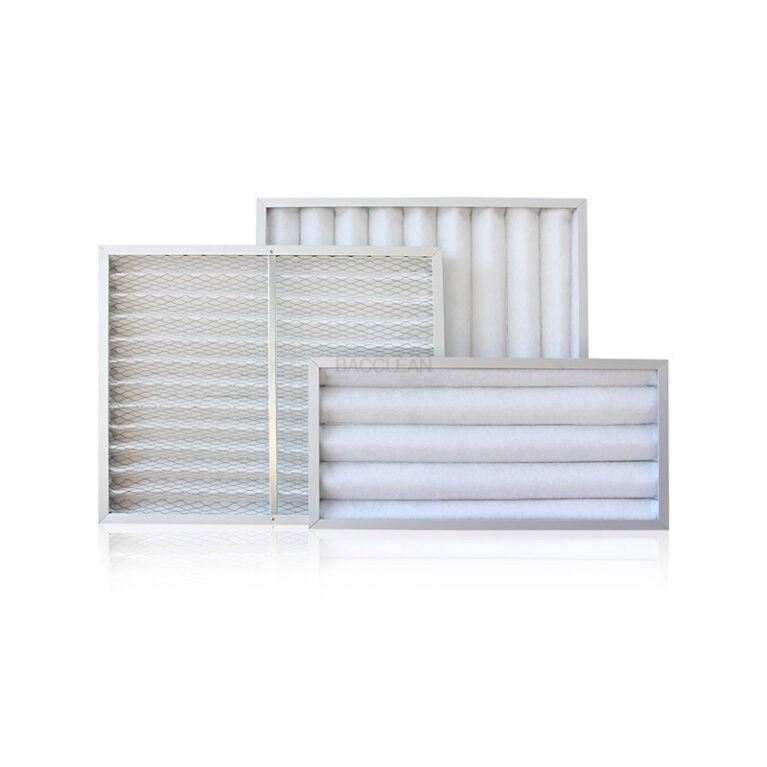
Primary efficiency G4 → Intermediate efficiency F8/F9 → Sub-high efficiency H10/H11. Do not omit the sub-high efficiency; the sub-high efficiency intercepts most hydrophilic dust and significantly reduces the entry of water vapor + dust into the high-efficiency section.
Shorten the replacement cycle of pre-filter materials
Regularly replace the primary efficiency once a month, intermediate efficiency twice a month, and sub-high efficiency three times a month; replace immediately when the pressure difference rises to prevent water vapor from carrying accumulated dust penetrating to the high-efficiency section.
Regularly clean the water pan of the air conditioning’s cooling section to prevent the accumulation of water and the growth of bacteria and dust from being carried into the purification system by the wind.
3. Filter Selection Adapted to High-Humidity Conditions, Improving the Resistance to Humidity
Select special moisture-resistant high-efficiency filters
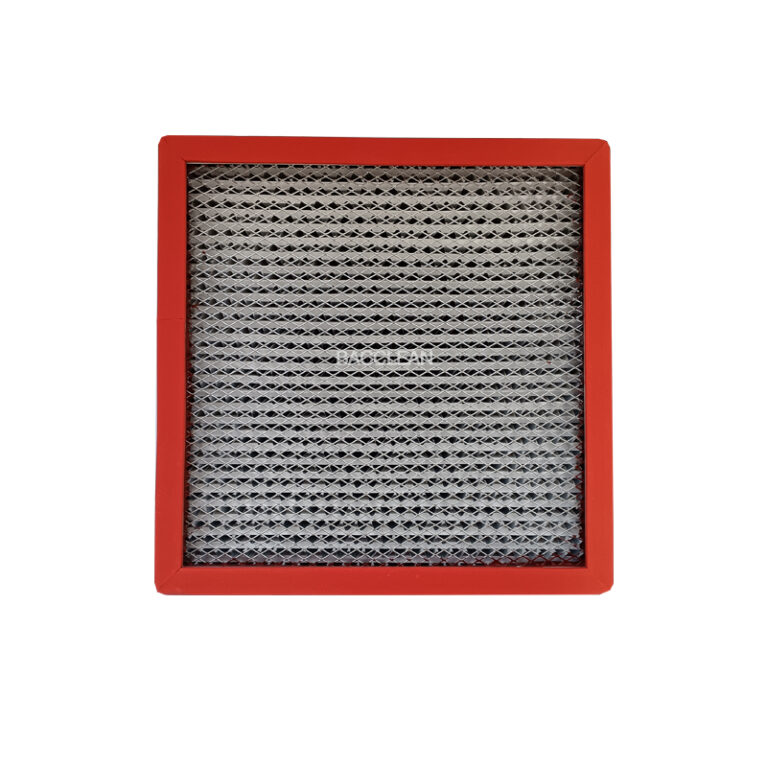
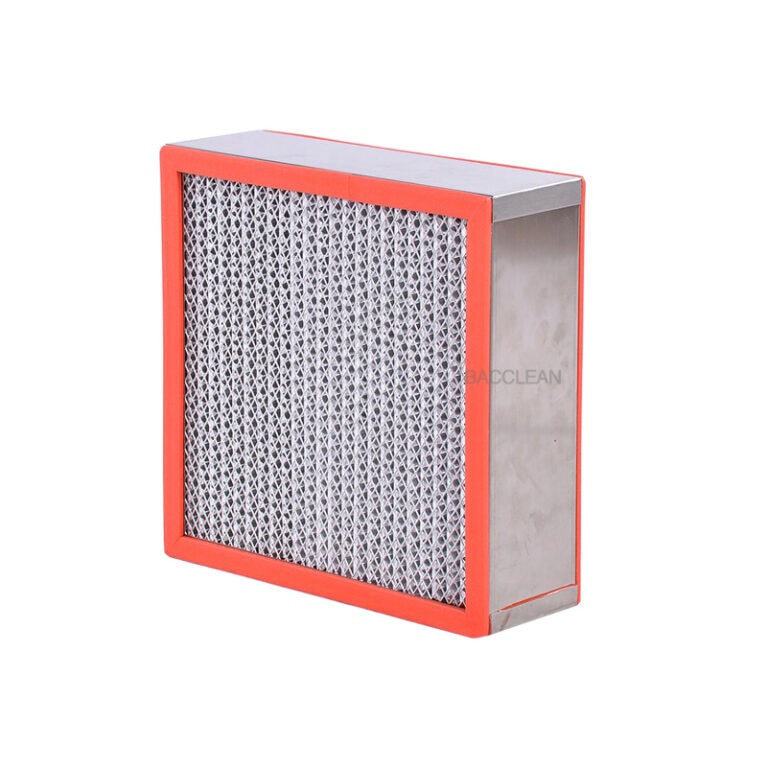
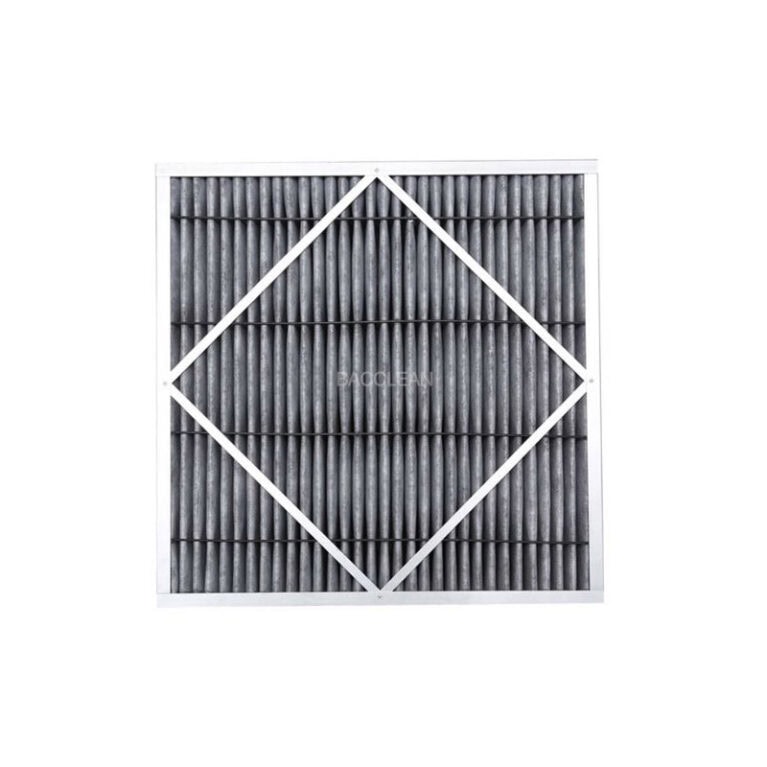
Ordinary glass fiber filters are prone to delamination when exposed to moisture; replace them with boat frame high-efficiency filters with waterproof polyurethane sealant and waterproof coated glass fiber material; the coated filter material prevents water vapor from penetrating and makes dust less likely to absorb moisture and become compacted.
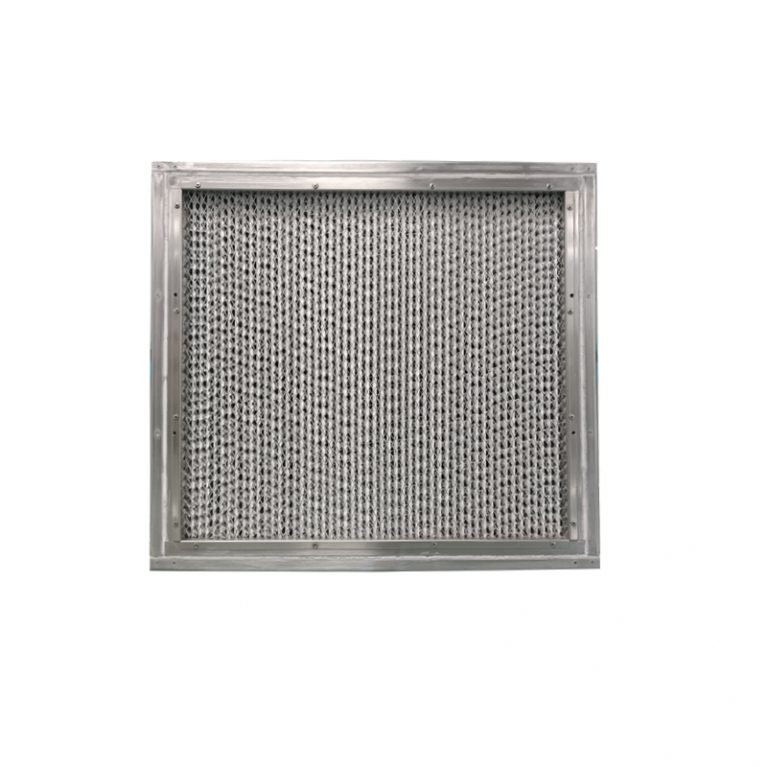
Avoid using ordinary non-coated glass fiber high-efficiency filters; high-humidity environments prohibit the use of PP plastic frames (which absorb moisture and deform), and prefer anodized aluminum type filter frame.
The boat frame frame is made of 304 stainless steel to prevent carbon steel from rusting and corroding the filter frame.
4. Installation and Sealing Optimization to Prevent Condensate Water Accumulation
Installation slope and drainage design
Install the high-efficiency unit of the boat frame slightly inclined to facilitate the flow of a small amount of condensate water along the frame edge, avoiding water accumulation soaking the bottom of the filter material; add a drainage valve at the lowest point of the static pressure box to regularly drain water.
Replace the sealing parts with silicone rubber sealing strips
Ordinary rubber strips are prone to expansion, moldiness, and aging in high-humidity environments; select food-grade waterproof silicone rubber to ensure a seamless fit and reduce the leakage of humid air from the side.
Apply waterproof sealant at the inspection ports and joint seams of the unit to prevent external humid air from infiltrating the internal static pressure box.
5. Daily Operation and Patrol Maintenance Management
Pressure difference frequent monitoring
Record the humidity in a dry environment weekly, and register the pressure difference in high-humidity environments daily; when the pressure difference rises at an abnormally accelerated rate, promptly investigate humidity, pre-filtering, and condensation problems, and intervene in advance.
Special appearance inspection
Each week, open the inspection port to check if there are water stains, mold spots, or dust clumps on the inlet surface of the filter; if there is slight moisture, increase the dehumidification air volume promptly; if severe, replace it in advance to prevent mold from spreading.
Avoid directly wiping the surface of the high-efficiency unit with a wet mop; cleaning should only use dry dust-free cloth; after disinfecting the clean area floor, let it dry fully before turning on the laminar flow.
VI. Optimization of Space Disinfection to Reduce Water Vapor Overlap Damage
The use of hydrogen peroxide and peracetic acid fumigation will significantly increase the environmental humidity, which is a major cause of filter seal aging:
Reduce the basic humidity of the workshop before fumigation, and shorten the fumigation duration to the minimum specified by regulations;
After fumigation, turn on the full system exhaust + deep dehumidification. Wait until the RH is ≤ 60% before returning to normal production;
Give priority to dry mist disinfection and ultraviolet disinfection, and reduce the frequency of high-humidity fumigation.
VII. Management of System Air Volume to Reduce Water Vapor Stagnation
Do not allow long-term low air volume and low frequency operation. Low wind speed can cause water vapor to adhere to the filter material; Maintain the rated outflow wind speed of the unit, and the airflow will remove the trace water vapor on the filter material surface.
Avoid frequent start-stop of the system. Frequent start-stop will cause temperature fluctuations, and repeated condensation and drying accelerate the aging of the filter material and the adhesive layer.
Simple on-site summary (execution key points)
Control humidity first, keep the RH of the supply air stable ≤ 60%;
Equip with three layers of pre-filters: primary, medium, and sub-medium; replace frequently;
Replace water-resistant coated high-efficiency filter elements and stainless steel frame;
Check the pressure difference daily, delay the supply air when the machine stops to prevent condensation;
Reduce high-humidity fumigation, and fully dehumidify after disinfection.
After implementing the above measures, the service life of the filter material in high-humidity environments can be increased by 40% to 60%, significantly reducing the replacement frequency and operation and maintenance costs.