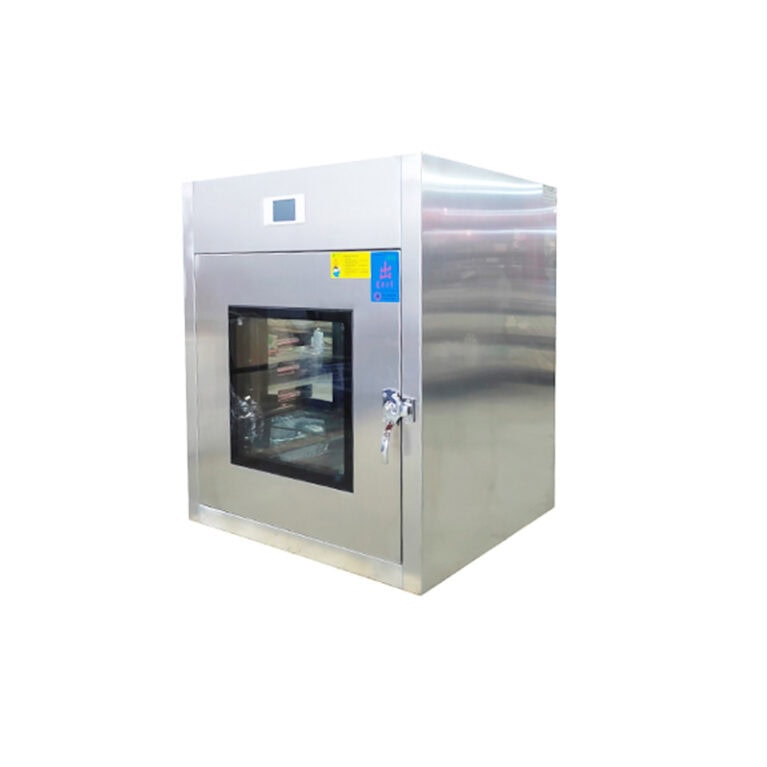
The complete set of precautions for space fumigation (VHP hydrogen peroxide dry mist / ozone) in the pass box
It consists of nine sections: pre-sterilization preparation, loading specifications, sealing safety, process control, exhaust and residue removal, material compatibility, GMP verification, personnel protection, and post-maintenance. It covers the general requirements for pharmaceutical enterprises, biological laboratories, and electronic clean workshops.
1. Pre-sterilization preparation inspection (core prerequisite, indispensable)
Cavity thorough cleaning and drying
Remove oil stains, water stains, powders, and organic substances in advance; organic substances will consume the fumigating agent, creating sterilization dead zones; water accumulation on the inner wall will cause hydrogen peroxide condensation and ozone dissolution, significantly reducing the sterilization efficiency.
Full inspection of sealing performance to prevent gas leakage
Fully close the inner and outer doors, check that the sealing strips are not cracked, hardened, or脱落; any cracks or leaks in the door gap must be replaced or re-glued in advance.
The interlock function must be intact; during fumigation, it is strictly prohibited to open both doors simultaneously; interlock failure prohibits fumigation and prevents fumigating gas from entering the clean area and contaminating the workshop or irritating personnel.
Layer-flow pass box: Turn off the circulating fan and block the exhaust channel to ensure cavity sealing.
Temperature and humidity are pre-adjusted (directly affects sterilization effect)
VHP hydrogen peroxide: cavity temperature 20-30℃, relative humidity 40%-70%; humidity <40% will cause rapid decomposition of the drug agent, >80% will produce a large amount of condensate water, corroding the box / materials.
Ozone: humidity 50%-75%, in a dry environment, the sterilization power will significantly decrease.
Remove items not resistant to fumigation
Paper, cotton cloth, sponge, ordinary rubber, some plastics, lithium batteries, precision circuit boards, easily oxidized metals should be removed as much as possible; highly adsorptive materials will consume a large amount of fumigating gas, resulting in sterilization failure.
Self-check of equipment
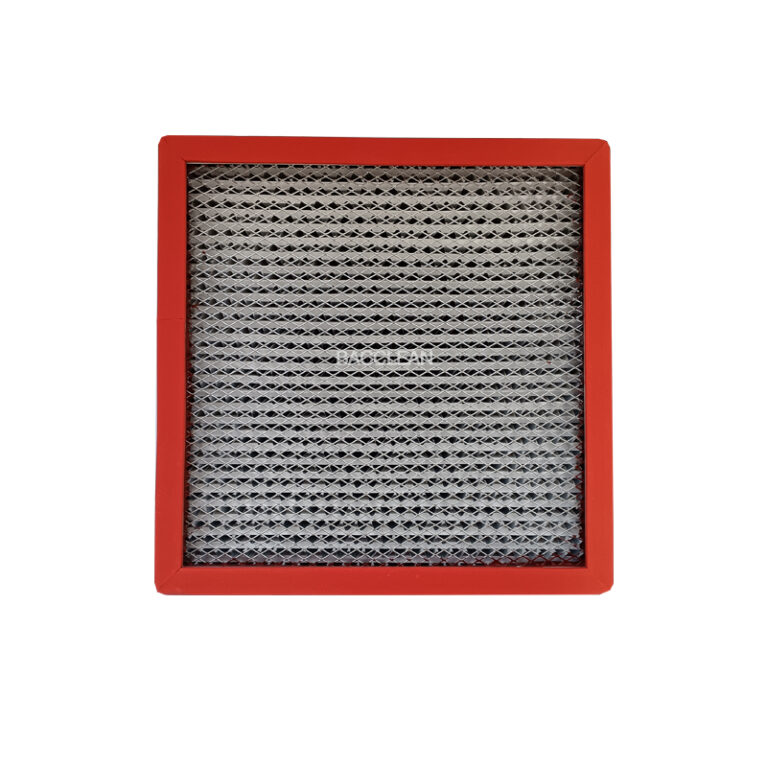
VHP model checks the liquid level of the agent, no crystallization or leakage in the pipeline, and the concentration sensor is calibrated effectively; ozone machine checks the generator and fan for no faults; the catalytic decomposition filter is in good condition.
2. Hard requirements for material loading (avoid sterilization dead zones)
Loading limit: the total volume of the items should be ≤ 75% of the cavity volume; reserve sufficient gas circulation space; do not fill the box completely.
Spacing: the distance between each item should be ≥ 5cm; do not stack, touch the cavity wall, or block the inlet / return air vents; the stacking tray must be placed on separate layers to ensure gas penetration and contact with the surface.
The catalytic decomposition filter screen is in good condition.
Biological indicator BI should be placed in the coldest point, bottom of the items, door frame gaps, corners, etc., which are the most difficult to reach the gas, for sterilization effect verification, GMP requires it.
3. Sealing and safety control (prevent gas leakage from injuring people and damaging the clean area)
During fumigation, all personnel must completely evacuate
After starting the fumigation, the operators should immediately leave the surrounding area, hang a warning sign “Fumigation sterilization, no entry allowed” at the door, and assign a person to stand guard, prohibiting anyone from opening the door.
Isolation of the clean area pressure difference
For the high-clean area side, close the room door in advance, maintain normal positive pressure in the clean area to prevent fumigating gas from flowing back into the production area; during fumigation, close the personnel passage door of the connecting room.
Prohibit open flames, static electricity, and electrical sparks
Hydrogen peroxide and ozone both have the risk of oxidation and explosion; fumigation area prohibits alcohol wiping, electric welding, switching large-power electrical appliances, unplugging plugs.
Handling abnormal shutdown during fumigation
If the fumigation is interrupted or the equipment fails during the process, do not force the door to open; wait for the exhaust and circulation to complete automatically or replace with clean air to a safe concentration before maintenance.
4. Parameter control during fumigation process (ensure sterilization compliance)
1. Vaporization of hydrogen peroxide VHP (mainstream aseptic workshops) Medicine: Specialized 35% food-grade hydrogen peroxide. Do not mix with other disinfectants such as alcohol or peracetic acid. Avoid chemical reactions and toxic gas generation.
Three-stage procedures cannot be reduced: vaporization and fogging → concentration maintenance for sterilization → catalytic exhaust decomposition; do not just perform fogging and open the door directly.
Maintain concentration and duration: The chamber should be stably maintained at hundreds of ppm, with an effect of ≥ 30-45 minutes, ensuring a 6-log spore-killing effect.
Real-time monitor the concentration. If the concentration fluctuates too much, terminate the procedure and investigate sealing, loading, temperature and humidity issues.
2. Ozone fumigation (simple workshop, not recommended for long-term use in sterile areas)
Maintain concentration ≥ 20mg/m³, act for 60-90 minutes; insufficient concentration cannot kill spores.
Do not use for long-term high-frequency use. Strong oxidation of ozone will accelerate the aging of rubber sealing strips and discoloration of stainless steel.
VII. Exhaust and removal of residues after sterilization (mandatory step before opening the door)
The complete exhaust and decomposition cycle must be completed; do not open the door prematurely.
VHP: The built-in catalytic decomposer continuously replaces until the residual hydrogen peroxide in the chamber is ≤ 1ppm. The door body can be opened only after the system automatically unlocks.
Ozone: Forced ventilation for at least 30 minutes. The space ozone must be ≤ 0.16mg/m³ (safety occupational limit) before operation.
Door opening sequence: Open the non-clean area side door first, let it be replaced for a few minutes before opening the clean area side door to prevent residual gas from entering the clean room.
If there is a large amount of hydrogen peroxide condensation on the inner wall, wipe it dry with a dust-free cloth to avoid corrosion of materials and sealing strips by residual substances.
VIII. Material compatibility prohibitions (to prevent equipment damage)
VHP fumigation tolerance: 304/316 stainless steel, glass, PP/PC plastic;
Not tolerant: Ordinary natural rubber, silicone, long-term high-frequency fumigation is prone to aging, paper, wood, copper parts, carbon steel.
Ozone fumigation: Almost all rubber sealing strips will accelerate cracking. Use only for short-term emergency use. After fumigation, thorough ventilation is required.
Check the sealing strips and sealant for any whitening, cracking, or hardening after each fumigation and replace immediately if damaged.
IX. Personal protection for personnel (diluting medicine, maintenance, emergency handling)
When configuring medicine and cleaning equipment crystallization, it is necessary to wear: corrosion-resistant nitrile gloves, goggles, protective half-face mask, anti-static clean clothing.
If skin accidentally comes into contact with high-concentration hydrogen peroxide, rinse with a large amount of flowing water for 10 minutes immediately; if coughing or eye irritation occurs due to fumigation gas inhalation, immediately transfer to a ventilated area for medical treatment.
Do not look directly at ozone or fogging nozzle without protection.
X. GMP verification and record requirements
Record the complete fumigation process: date, chamber temperature and humidity, medicine concentration, loading method, fumigation duration, exhaust time, final residual concentration, BI culture results.
If there is a significant change in loading method, major equipment overhaul, or chamber modification, a biological indicator challenge verification must be conducted to confirm the effectiveness of the sterilization procedure before it can be put into use.
Conduct quarterly calibration of concentration sensors and temperature and humidity meters, and retain calibration certificates.
XI. Post-fumigation maintenance
After each fumigation, use a dust-free cloth to wipe the corners of the chamber, sealing strips, and glass windows, removing the crystallization of medicine and condensation water.
VHP model: Regularly clean the vaporization pipeline and catalytic decomposition filter screen to prevent blockage and incomplete exhaust.
Check the sealing glue for any oxidation cracking due to fumigation every week. Remove the gap in time and reapply sealant.
For high-frequency fumigation (more than once a day), shorten the replacement cycle of the sealing strip to 6 months.
XII. General prohibitions (red line)
Open the door before fumigation is completed and the residual concentration exceeds the limit;
Start fumigation when both doors are open simultaneously;
Fumigate with a box that is not dry and has water stains;
Fill the box with materials once and stack to block the airflow;
Stay in the equipment area during fumigation;
Mix multiple fumigation chemical agents;
Omit the exhaust step and take materials directly;
Replace the routine surface wiping disinfection with fumigation.