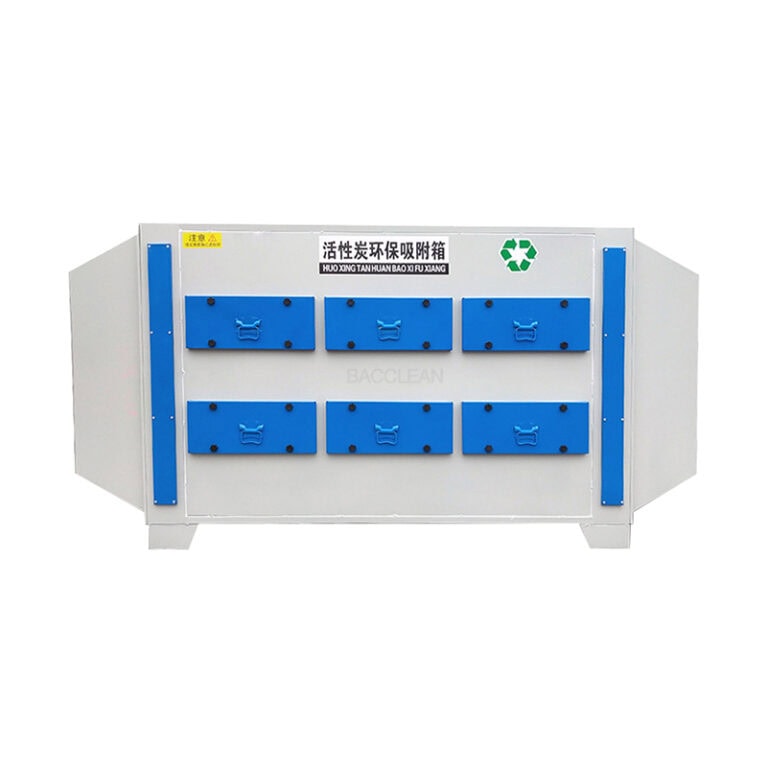
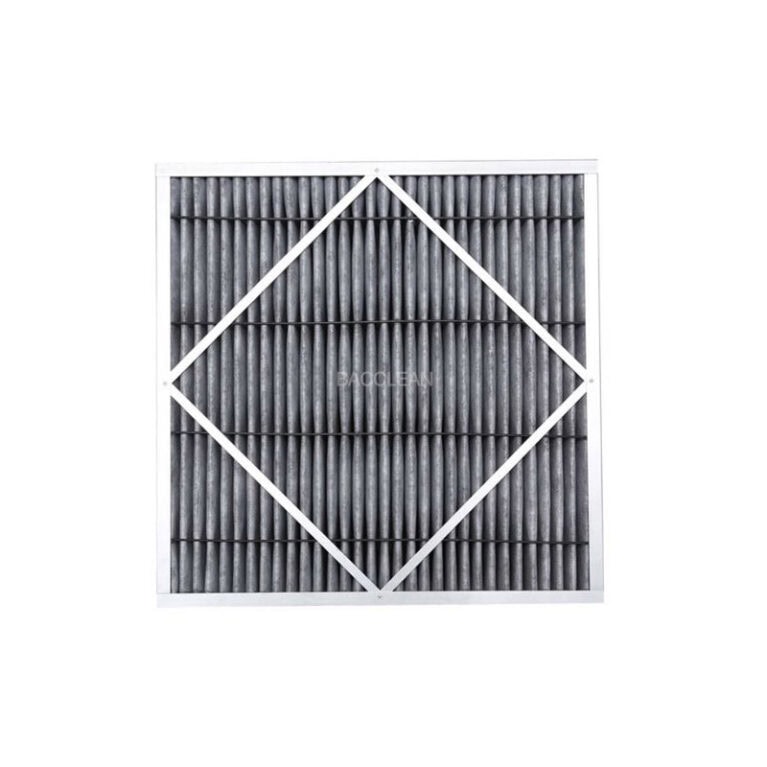
I. Application Scenarios
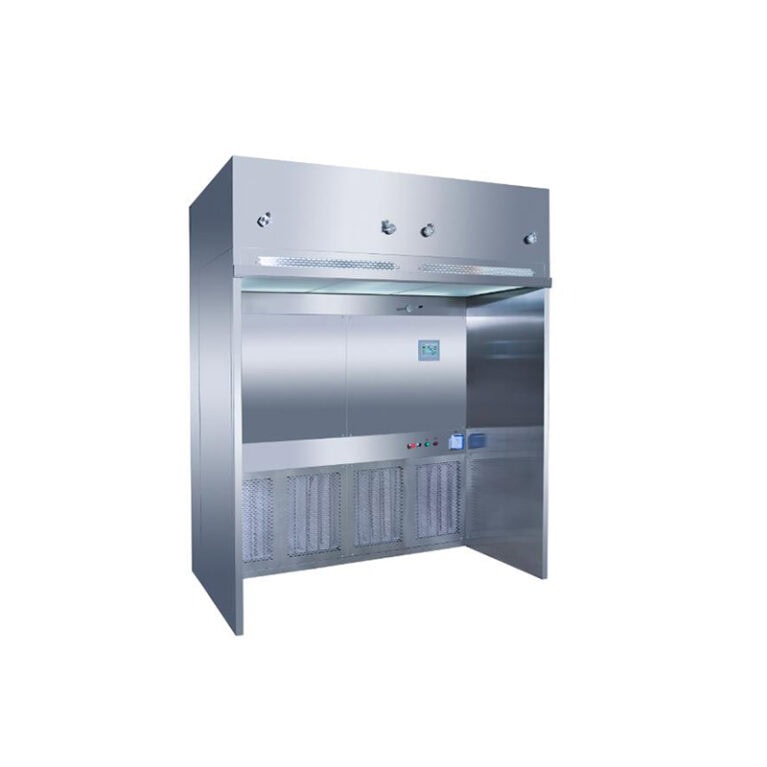
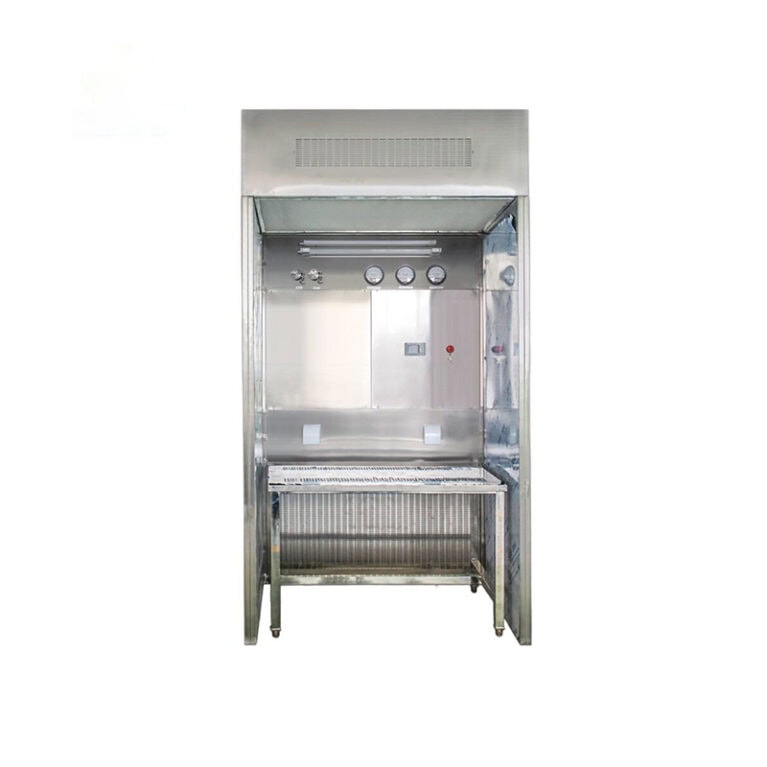
The air supply ceiling ( laminar flow air supply ceiling ) is the core end equipment of a cleanroom. Through efficient filtration and uniform air supply, it achieves a high level of cleanliness and is mainly used for:
Medical field: Operating rooms of hospitals at hundreds or thousands of air cleanliness levels, ICUs, stem cell laboratories, and clean wards (in compliance with GB 50333).
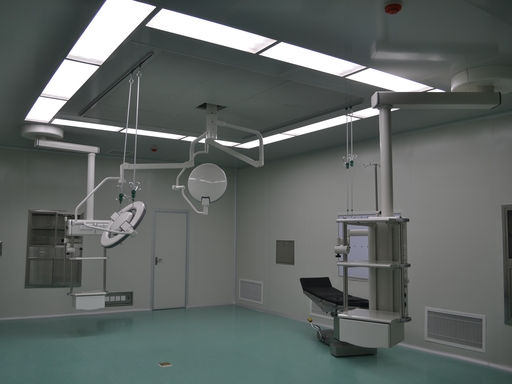
Pharmaceutical industry: GMP-certified A/B class clean areas, aseptic filling lines, biological laboratories.
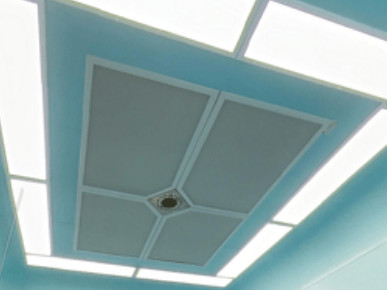
Electronic semiconductors: Chip manufacturing, and ultra-clean workshops for liquid crystal panels at the 100-level / 1,000-level (ISO 5-7 standards).
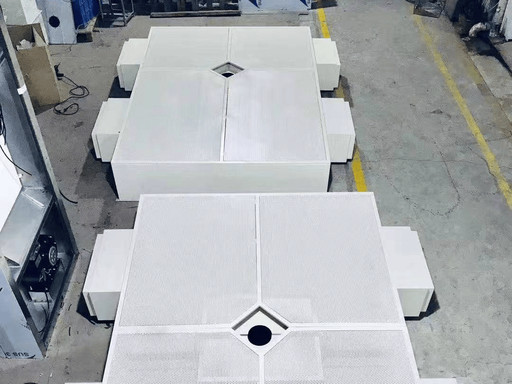
Other: Places with high requirements for air cleanliness such as precision manufacturing, food processing, and sterile animal housing.
II. Maintenance and Care
1. Daily Maintenance (Weekly / Monthly)
Surface Cleaning: Use a dust-free cloth dipped in 75% ethanol or neutral cleaner to wipe the panels, use a soft brush to clean the accumulated dust on the orifice plates, and avoid corrosive solvents.
Sealing Inspection: Check if there is air leakage between the static pressure box and the ceiling, and the filter frame. Use silicone sealant to repair the gaps.
Operation Monitoring: Record the current of the fan motor, the reading of the pressure difference gauge (archive the initial pressure difference), observe the indicator lights and for any abnormal sounds.
2. Periodic Maintenance (Quarterly / Semi-annually / Annually)
Quarterly: Comprehensive cleaning of the air supply surface, testing the wind speed and uniformity of the airflow (deviation ≤ 15%).
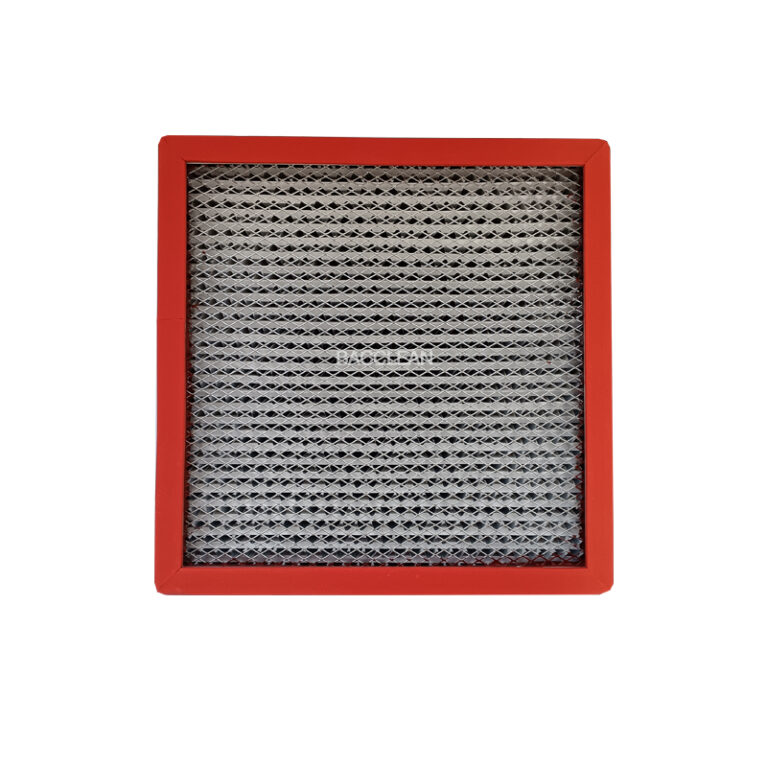
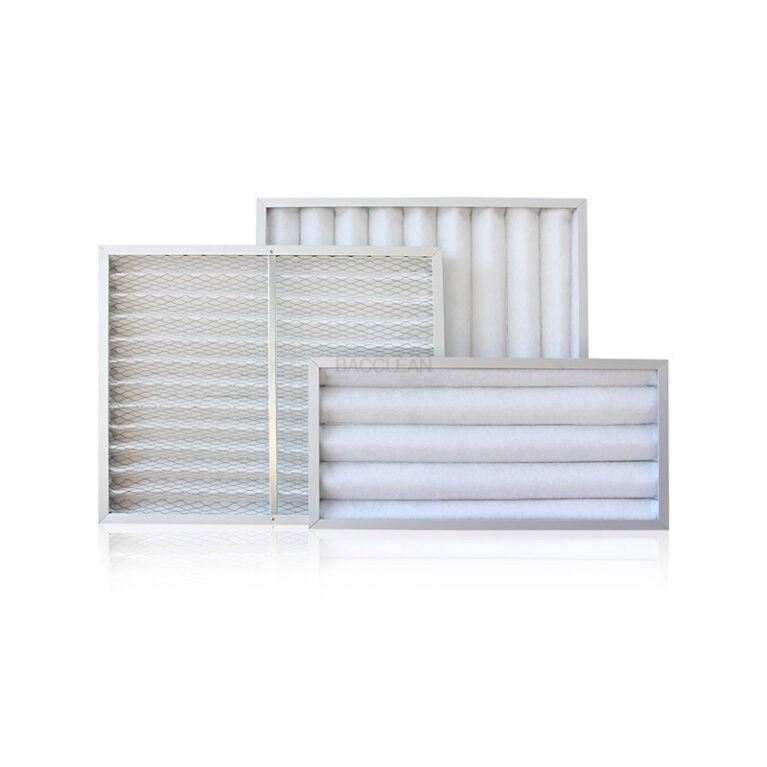
Every 6-12 months: Replace the pre-filter (primary efficiency 3-6 months, secondary efficiency 6-12 months), extend the service life of the high-efficiency filter.
Annually:
Fan Maintenance: Clean the impeller of dust, replenish lithium-based grease for the bearings, check the tightness of the belt (deflection ≤ 1cm).
Sensor Calibration: If the error of the pressure difference / wind speed sensor is > ±5%, adjust or replace it.
Sealant Strip Inspection: Replace promptly if it is aged and cracked, conduct PAO/DOP leak detection (leakage rate ≤ 0.01%).
3. Replacement of High-Efficiency Filters (Core)
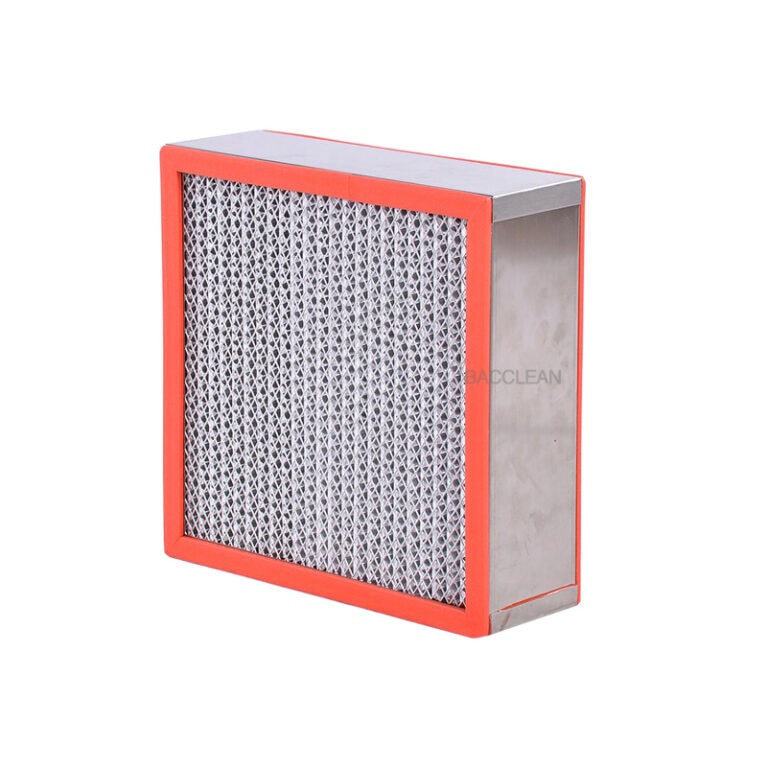
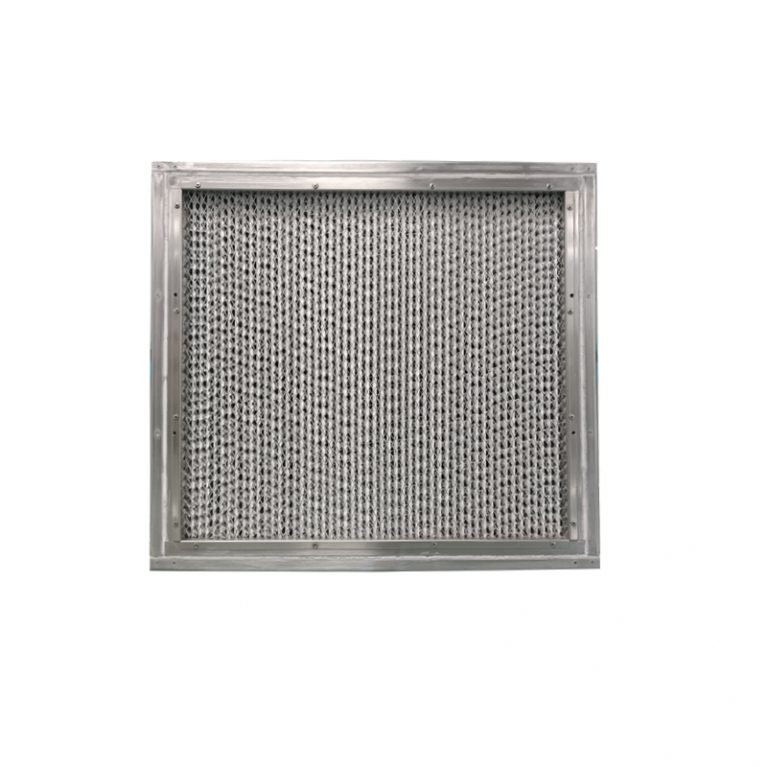
HEPA (General): 1-2 years, or when the pressure difference reaches twice the initial value (e.g. 250Pa → 375Pa) replace.
ULPA (High Precision): 3-5 years, for semiconductor scenarios, if the leakage rate > 0.01% must replace.
Replacement Points: Turn off the fan, disinfect the surrounding area, handle with care to prevent filter damage, compact the sealant strips without wrinkles.
III. Service Life
1. Main Structure (Frame, Static Pressure Box)
Material: High-quality cold-rolled steel plate powder coating / hot-dip galvanized square pipe (wall thickness ≥ 2mm), 304 stainless steel.
Life: Normal operation 10-15 years; in corrosive environments (such as the humid area of pharmaceuticals), 8-10 years.
Key: Regular painting for anti-corrosion, tighten connection components, avoid deformation and air leakage.
2. Service Life of Core Components
| Component |
Material / Type |
Service Life |
Replacement Cycle |
| High-efficiency filter |
HEPA/ULPA |
1-5 years |
1-2 years (HEPA); 3-5 years (ULPA) |
| Fan / FFU |
Motor + Impeller |
5-8 years |
Annual maintenance: Replace when abnormal noise or reduction in rotational speed occurs. |
| Uniform flow membrane |
PTFE |
3-5 years |
Replace when aging and damaged |
| Sealing strip |
Silicone rubber |
2-3 years |
Annual inspection, replace when aging occurs |
3. Key Factors Affecting Lifespan
Environment: High dust levels / high humidity / corrosive environments shorten the lifespan (e.g. ordinary workshop vs operating room).
Operating duration: Continuous operation for 24 hours (e.g. operating room) has a 20%-30% shorter lifespan compared to intermittent operation (e.g. laboratory).
Maintenance quality: Regular maintenance can extend the structural lifespan to over 15 years, and the filter lifespan is extended by 15%-20%.
4. Summary
Application: Medical, pharmaceutical, electronics and other places requiring high cleanliness, the core is balanced air supply + efficient filtration.
Maintenance: Daily cleaning of seals, regular replacement of filter materials, annual maintenance of fans and calibration of sensors, pressure difference and leak detection are key indicators.
Lifespan: Main body 10-15 years, filter 1-5 years, fan 5-8 years; Good maintenance can significantly extend the lifespan.