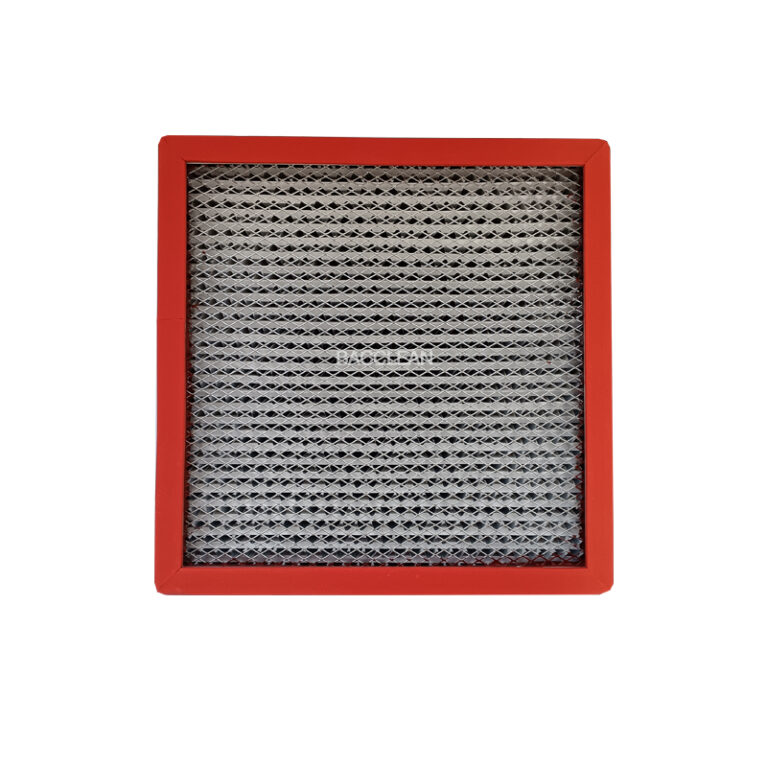
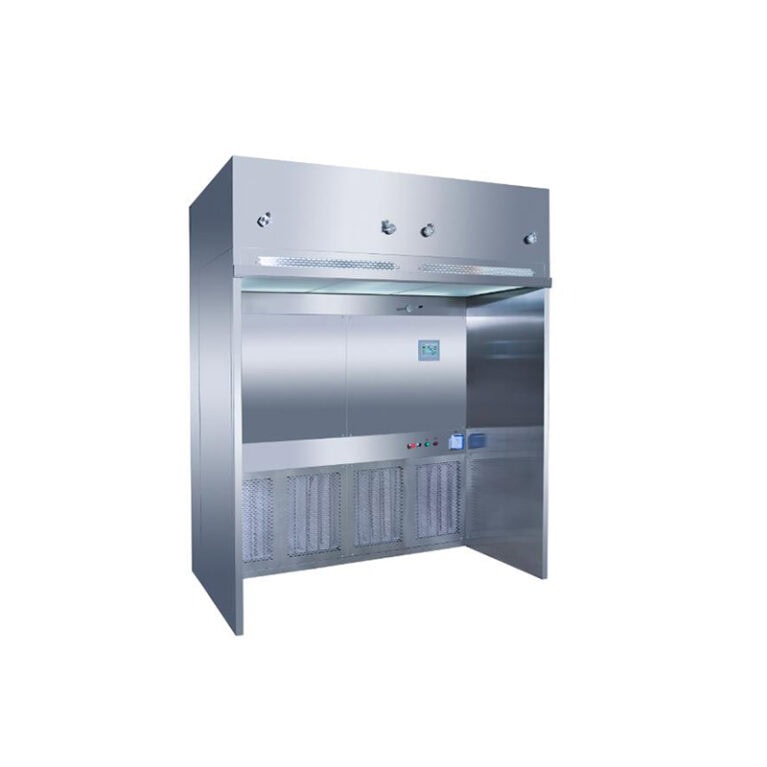
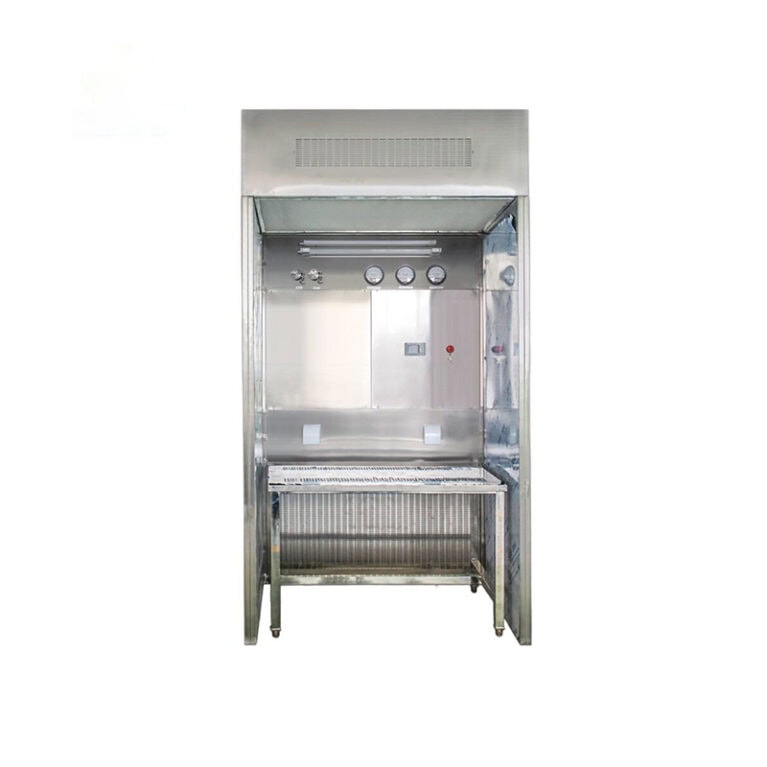
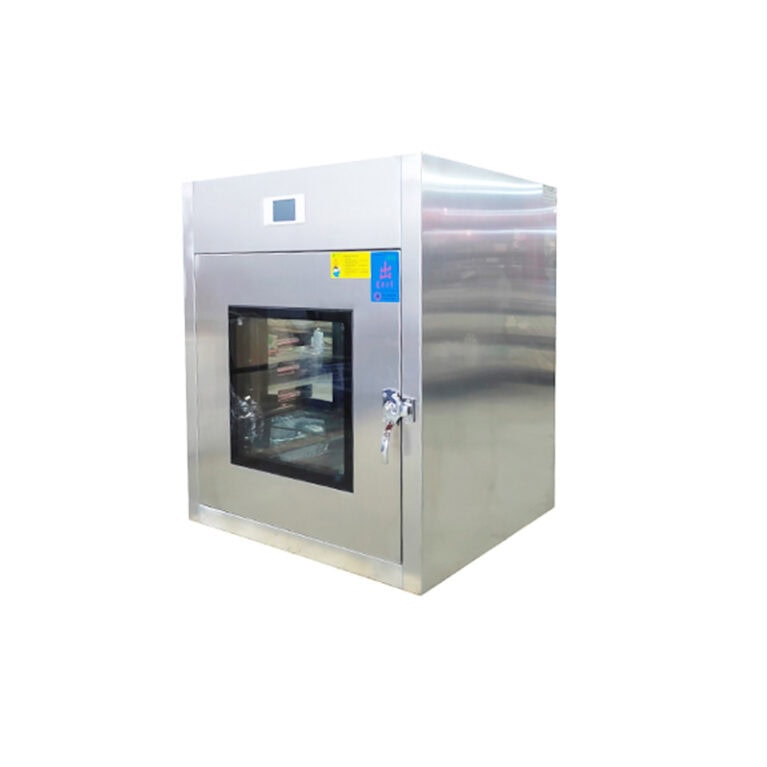
Anti-explosion FFU Frequency Conversion Speed Control Core Advantages (Easy-to-understand, Engineering Practical Version)
1. Energy saving and electricity consumption reduction, with the most obvious long-term return on investment
The ordinary fixed-speed anti-explosion FFU has only one full-speed setting. Regardless of whether the workshop is fully operational or not, it operates at full load, resulting in significant waste.
The frequency conversion FFU can adjust speed as needed:
Production peak: Medium to high wind speed to meet cleanliness and air change frequency requirements
Night shift / standby / low production: Low wind speed to maintain positive pressure only
Overall energy saving of 30% to 50%. In a 24-hour continuous operation lithium battery, pharmaceutical, and chemical clean workshops, the electricity saved over 1 to 2 years can cover the difference between frequency conversion and intelligent control.
2. Wind speed stepless adjustment, more stable cleanliness
Supports 0-100% stepless speed adjustment and multi-level fine adjustment
Can precisely match air volume according to cleanliness level (ISO5/7/8) and room air change frequency
Easily maintain the positive pressure gradient in the workshop, stable temperature and humidity, avoiding local vortex and dust accumulation, and higher product yield.
3. Soft start, soft stop, protecting the motor and extending its lifespan
Frequency conversion is a slow speed increase and slow speed decrease, without instantaneous shock current
Avoids large current, mechanical vibration, and bearing impact when the fixed-speed machine starts and stops
Anti-explosion motor, fan bearing, and impeller lifespan extend by more than 30%, reducing failure rate and replacement costs.
4. Lower noise, more comfortable workshop environment
After lowering the rotational speed, the fan noise and mechanical noise significantly decrease
Avoids full-speed roaring, improving the workshop working environment, and meeting the low-noise design requirements for high-cleanliness workshops.
5. Reduce filter load, extend the service life of high-efficiency filters
Fixed-speed FFU always operates at full air volume, making the filter prone to rapid blockage and pressure difference soaring
Frequency conversion can reasonably reduce speed, reducing the load on the filter, delaying dust accumulation and blockage
Extend the HEPA filter replacement cycle, saving material costs and replacement labor.
6. More flexible zoning control, group control linkage
Frequency conversion can support single unit speed adjustment, zone speed adjustment, and unified factory speed adjustment
Can be automatically switched at regular intervals: high speed during work, low speed at the end of work, and duty mode during holidays
Can be linked with gas detectors, fire protection, air conditioning, and exhaust, automatically increasing wind speed for ventilation when concentration exceeds the limit, and automatically reducing speed or stopping when there is a fire alarm.
7. Electrical safety, compatible with anti-explosion environment
Frequency conversion has a small starting current, reducing line heating and risk of electric sparks
Equipped with overload, overcurrent, overtemperature, and phase loss protection
Complies with gas/dust anti-explosion workshop safety standards, making it easier to pass safety assessment, fire protection, and GMP acceptance.
8. Simple operation, compatible with smart factories
No need to manually adjust each unit on-site, remote control can adjust the wind speed
Can be connected to BA, PLC, and configuration systems, with data recordable and traceable, achieving unmanned maintenance.