
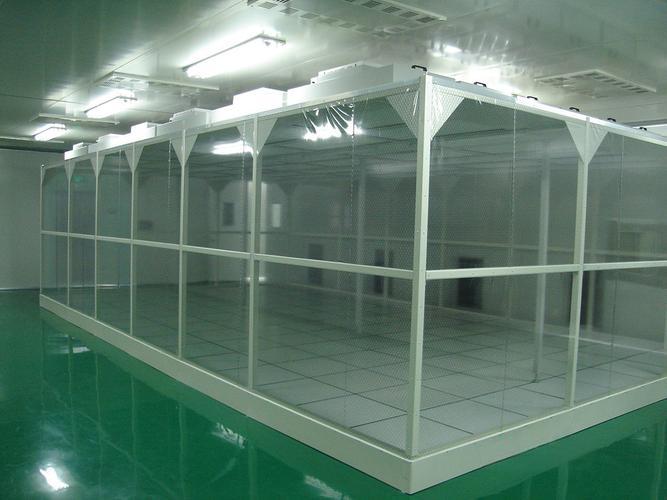
Installation and operation of the clean room FFU, the core of which is to follow the GB51110-2015 specification, ensuring environmental and personnel cleanliness, leveling of the frame, proper sealing, electrical safety, leak detection, and standardized operation, to ensure cleanliness and stable airflow.
I. Execution Standards and Basic Requirements
1. Core Specifications
GB51110-2015 “Construction and Quality Acceptance Specifications for Clean Rooms” (mandatory)
IEST-RP-CC001 (Filter Testing), IEST-RP-CC002 (FFU Performance)
2. Environmental Conditions
Temperature: 5–45℃; Relative Humidity: ≤85% (35℃); Air Pressure: 86–106 kPa
Installation Area Sealed, Dust-Free, Fresh Air Pre-Purification ≥ 72 hours, Dust Concentration ≤ 3500 particles/L (≥0.5 μm)
Floor and Ceiling Load Compliance with Design, Horizontal Deviation of Frame ≤ 2 mm/m
3. Personnel and Materials
Personnel: Clean Clothing, Gloves, Dust-Free Shoes, Hair Cover, Prohibition of Bare Hand Contact with Filter
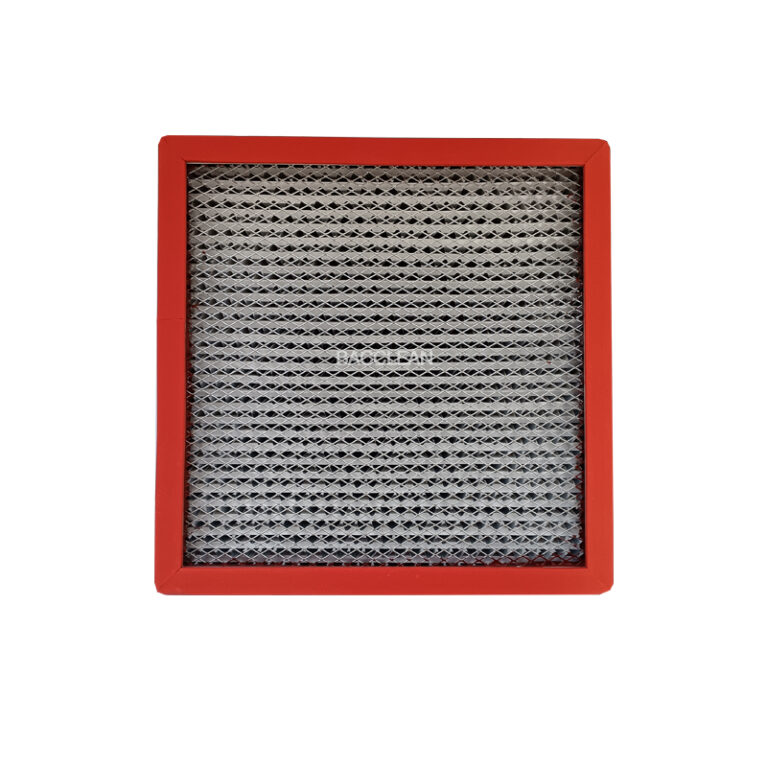
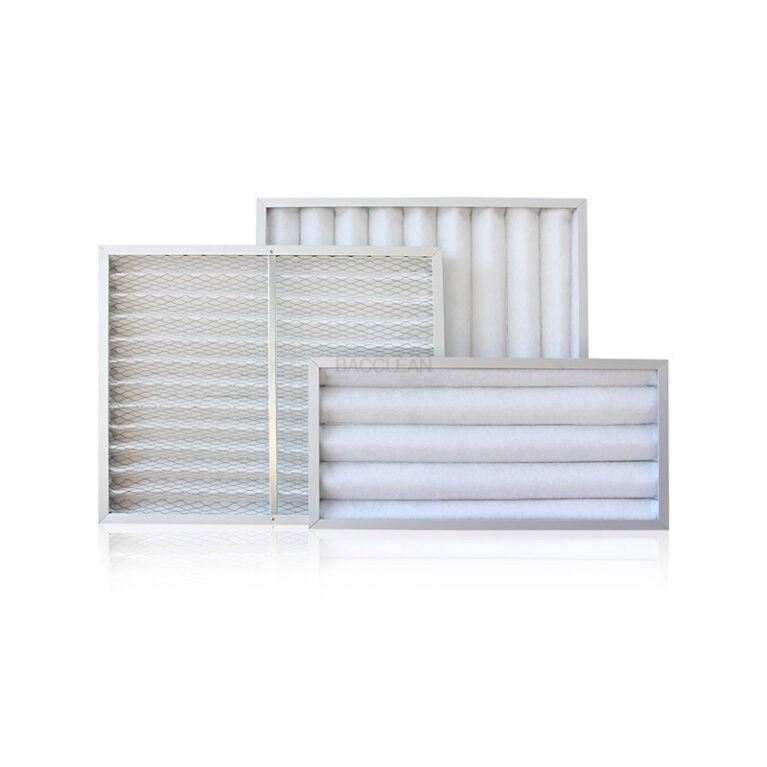
Equipment: FFU Appearance without Deformation / Rust / Peeling, HEPA/ULPA without Damage, Sealing Gasket in Good Condition
Tools: Dust-Free Cloth, Isopropyl Alcohol, Level, Torque Wrench, Insulated Electrical Tools
II. Installation Process (Including Key Control Points)
1. Construction Preparation
Review of Drawings: Clearly define FFU layout, quantity, size, air volume (conventional 0.45 m/s ± 20%), speed control method, electrical wiring
Site Cleaning: Use dust-free cloth + isopropyl alcohol to wipe the ceiling, frame, and enclosure structure, remove dust and oil stains
Equipment Unboxing: Verify model and specification, check the box, fan, filter, sealing parts, power cord, control interface;Keel installation: The spacing of the suspension rods **≤ 1.2m **, the main/secondary keels are leveled (checked with a level), the joints are misaligned and connected, and the cross-shaped reinforcing plates are used for reinforcement.
Frame Installation: Suspension Rod Spacing ≤ 1.2 m, Main / Secondary Frame Leveling (rechecked with level), misaligned joints connected, cross reinforcement plates for reinforcement; Edge Frame Sealing Gasket Continuous without Breaks
2. FFU Installation and Positioning
Transportation: Two-person inclined lifting, prohibited upside-down / heavy pressure, protect the outlet and filter
Positioning: Arrange from the center of the clean area to the periphery, FFU Edge Frame aligned with the frame, air outlet facing down
Sealing: Full adhesion of closed-cell sponge gaskets between the box and the frame, uniform pressure, gap ≤ 0.5 mm; When sealing the liquid tank, there should be no bubbles and continuous fullness inside the tank
Fixation: Uniform tightening of stainless steel bolts diagonally, torque 8–10 N·m, anti-loosening and deformation prevention
3. Filter Installation (Core Anti-Pollution)
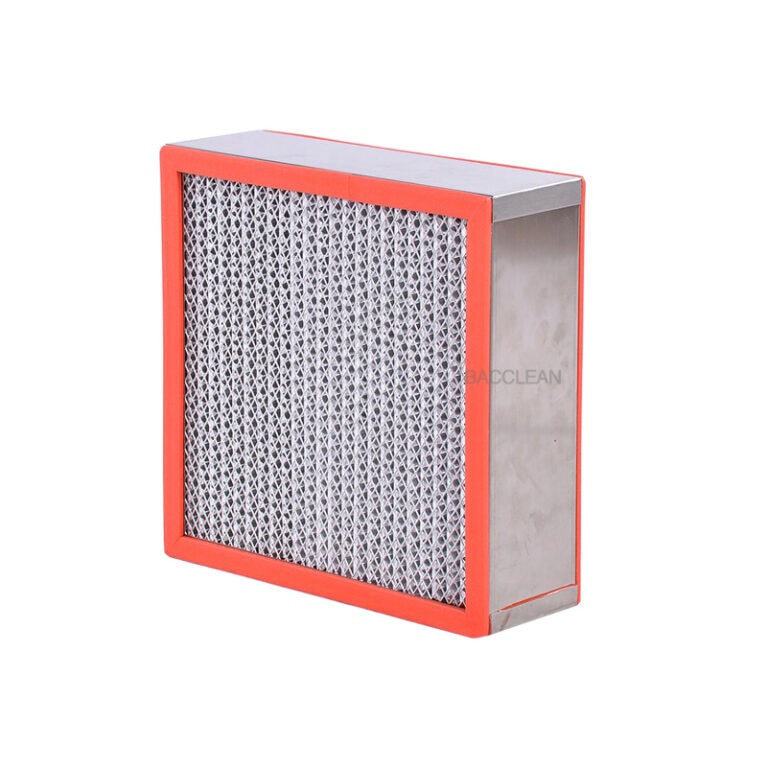
Check: HEPA/ULPA Filter Paper without Damage, Sealing Gasket without Detachment, Only hold the Edge Frame, Prohibition of Contacting the Filter Paper
Positioning: Tilted insertion into the frame, air outlet facing down, aligned with the FFU Box
Sealing: Uniform compression of the filter frame with the frame / box, no warping / gaps; Resistance Deviation ≤ 5% (same group of filters)
Protection: Immediately cover with dust-proof film after installation, until system debugging
4. Electrical Wiring (Safety First)
Power Supply: AC 220 V/50 Hz, Independent Circuit + Leakage Protection (≥10 mA), Ground Resistance ≤ 4 Ω
Wiring: Clear distinction of positive and negative poles of EC motor and ground wire, insulated packaging of connectors, single-ended grounding of shielding layer; Prohibition of live work
Control: Single Control / Bus Control Network Connection, Unique Address Coding, Speed Signal (0–10 V/4–20 mA) Error-free
Insulation: Use 500 V Megohmmeter to measure insulation to ground ≥ 1 MΩ after wiring
5. Post-Installation Inspection and Leak Detection
Appearance: The FFUs are neatly arranged and level, with no visible gaps in the seals and no loose bolts
Electrical: Correct Wiring, Reliable Grounding, Insulation Compliance Leak Detection (Must be Tested):
Aerosol: PAO/DOP, concentration 10–20 μg/L
Scanning: 2–3 cm away from the filter surface, speed **≤ 5 cm/s**, focus on the frame / adhesive strip
Pass: Leakage rate **≤ 0.01%** (ISO 5 grade), otherwise re-seal or replace the filter
III. Operating Procedures (Power On → Operation → Power Off → Emergency)
1. Pre-power On Inspection (Static)
Environment: Clean door closed, enclosure without damage, pressure difference **≥ 5 Pa** (relative to non-clean area)
FFU: Appearance intact, no leakage, filter in place, dust cover removed
Electrical: Power normal, grounding reliable, control panel indicator lights normal
Inspection Form: Record item by item, eliminate abnormalities first before powering on
2. Power On and Debugging
Sequence: First turn on the main power → sequentially start FFU → adjust wind speed to the set value (0.36–0.54 m/s) → stabilize for 15 minutes
Wind Speed: Measure 5 points (corners + center) of the outlet using a hot wind speed meter, deviation **≤ ±10%**
Air Flow: Smoke test to confirm vertical laminar flow, no vortex / dead angle, uniform airflow in the working area
Cleanliness: Particle counter measures 0.5 μm/5 μm concentration, meets standards (e.g. ISO 5 grade: ≤ 352 particles/m³@0.5 μm)
Noise: 1.2 m from the ground, 1 m from the FFU, **≤ 65 dB(A)**
3. Normal Operation Monitoring
Frequency: Check once every 2 hours, record wind speed, noise, pressure difference, particle concentration, equipment status
Parameters: Wind speed 0.45 m/s ± 20%; Indoor positive pressure 5–10 Pa; Temperature 22–26℃; Humidity 40%–60%RH
Abnormalities: Wind speed drops / noise increases → check if filter is clogged / fan failure; Excessive particles → Check for seal leakage/filter damage
4. Power Off Procedure
Sequence: Sequentially turn off FFU → turn off control power → turn off main power
Duration: Long-term shutdown → run for 30 minutes before shutting down, self-purification before shutting down, prevent dust accumulation
Protection: Cover dust cover after shutdown, close clean door, maintain positive pressure protection
5. Emergency Operations
Power Outage: Immediately turn off all switches, restart according to the power-on procedure after power comes back, stabilize for 30 minutes before resuming production
Leakage / Filter Breakage: Immediately stop operation, isolate contaminated area, replace filter and re-check for leaks
Fan Failure: Stop operation, cut power, check wiring / motor, repair and test for 1 hour without abnormalities before using
IV. Maintenance and Common Issues
1. Daily Maintenance (Weekly)
Dust-free cloth + isopropyl alcohol wipe FFU exterior surface, outlet, control panel
Check for aging / loosening of sealing rubber strips, bolts, power lines
Record operating parameters, trend analysis
2. Regular Maintenance (Monthly / Quarterly / Annually)
Monthly: Measure wind speed, noise, particle concentration, calibrate instruments
Quarterly: Clean / replace primary filter (FFU inlet side) when pressure difference ≥ 150 Pa
Annually: Leak detection for HEPA/ULPA, fan bearing lubrication, motor insulation test; lifespan approximately 1.5–2 years (depending on environment)
3. Common Issues and Solutions
Insufficient Wind Speed: Filter clogged → replace; Fan speed low → adjust voltage / frequency converter; Seal leakage → re-seal
Seal leakage → Reseal
Excessive particles: Filter damage → Replace; Border leakage → Reseal; Airflow vortex → Adjust FFU layout/wind speed
High Noise: Fan imbalance → adjust; Bearing wear → replace; Loose fixation → tighten
V. Key Prohibitions
Do not touch HEPA/ULPA filter paper with bare hands, no oil stains / water stains Do not invert / overload / strike the FFU. Place the filter vertically.
Do not connect wires while powered on / perform maintenance by opening the cover. Test for electricity after power is cut off.
Do not put into operation without leakage detection. Vi. Acceptance Criteria (GB51110-2015)
Do not operate in environments with excessive temperature / humidity / dust.
Six. Acceptance Criteria (GB51110-2015)
Installation: Correct position, neat arrangement, meets horizontal standards, tight sealing, reliable fixation.
Performance: Wind speed 0.45 m/s ± 20%; meets cleanliness standards; noise ≤ 65 dB (A); air leakage rate ≤ 1.0% (ISO 6–9 grade)
The documents include complete completion drawings, equipment qualification certificates, test reports and maintenance manuals
