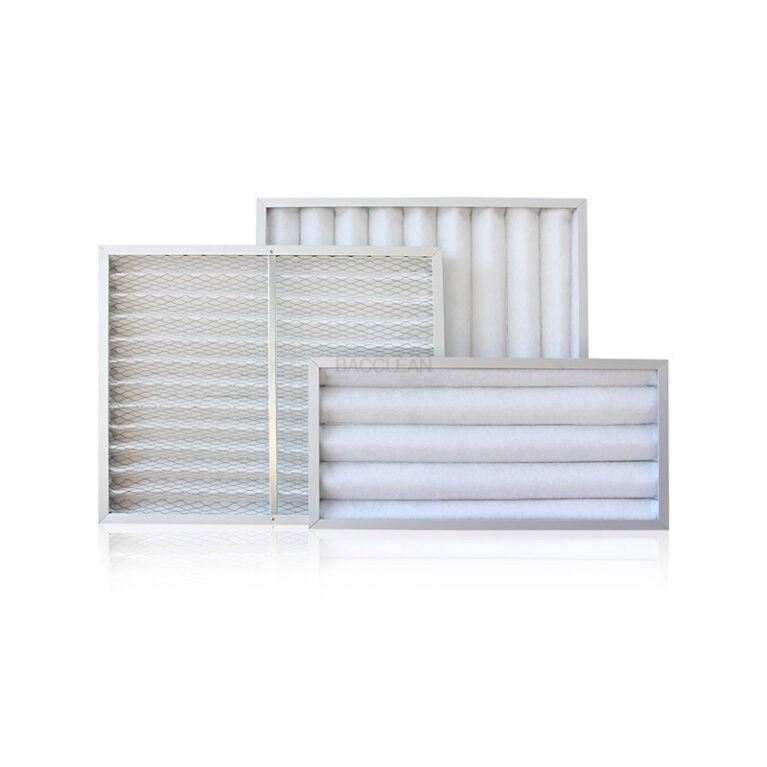
1. First, differentiate by “filtration grade / material”
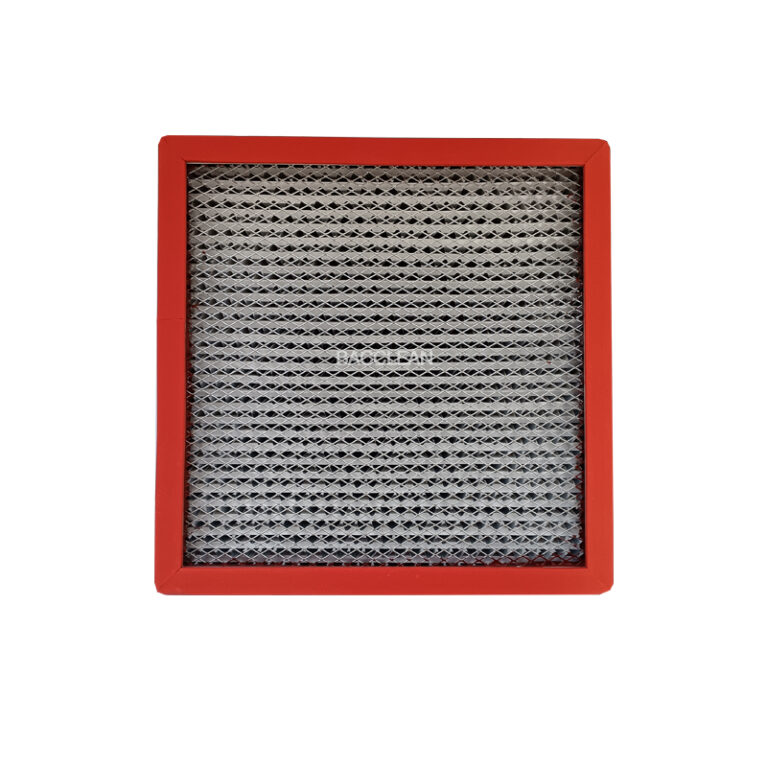
1. H13 fiberglass HEPA (most commonly used: negative pressure weighing room, clean booth, air conditioning terminal)
Features: fiberglass filter paper, large dust capacity, resistant to dryness, mainstream industrial / pharmaceutical factory model
Regular cycle: 12-24 months
High dust / high activity conditions: 6-12 months
Advantages: Anti-blocking, stable lifespan, standard for weighing room
2. H14 ultra-high efficiency fiberglass UPLA (A-level clean, sterile core area)
Features: Higher filtration accuracy, denser filter paper, naturally higher resistance
Regular cycle: 10-18 months (shorter than H13)
Reason: Smaller pore size, more likely to be blocked by fine dust, pressure difference rises faster
3. PP/PTFE coated HEPA (waterproof, resistant to disinfection, humid working conditions)
Features: Dense membrane surface, surface dust capacity (dust hangs on the surface, does not penetrate the filter paper)
Cycle polarized:
Dry dust: 8-12 months (easily clogged at the surface layer)
Frequent wet disinfection / humid workshop: More durable than fiberglass, up to 12-15 months
Prohibition: Cannot be forcefully blown, cannot wipe the membrane, one scrape will leak
4. High-temperature / chemical-resistant special HEPA (drying, VOC, strong acid environment)
Ceramic / special fiberglass models: Strong structure, but filter layer is dense
Cycle: 6-12 months, environmental corrosion is large, must be shortened
2. By “structural form” to see the lifespan difference
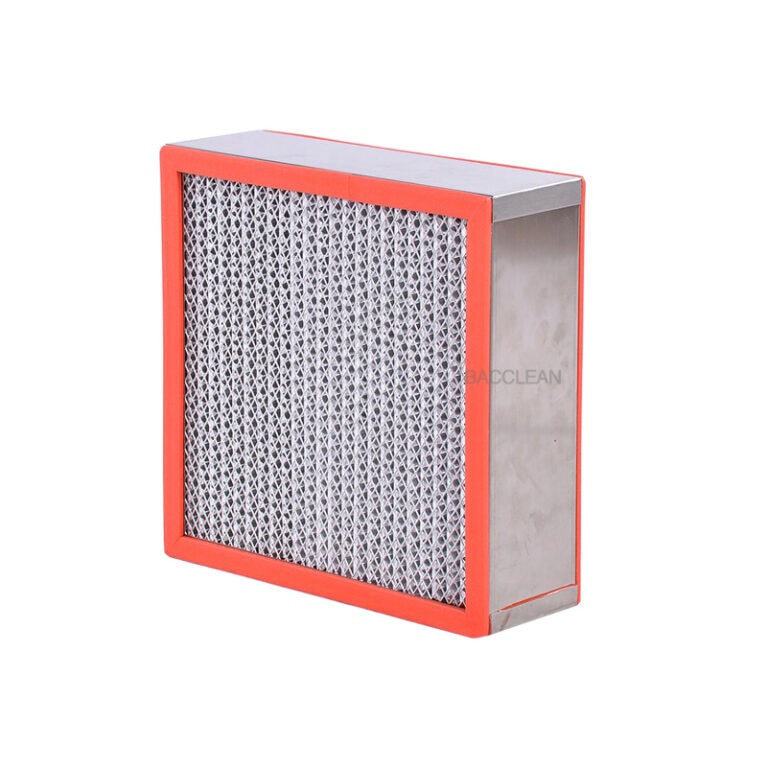
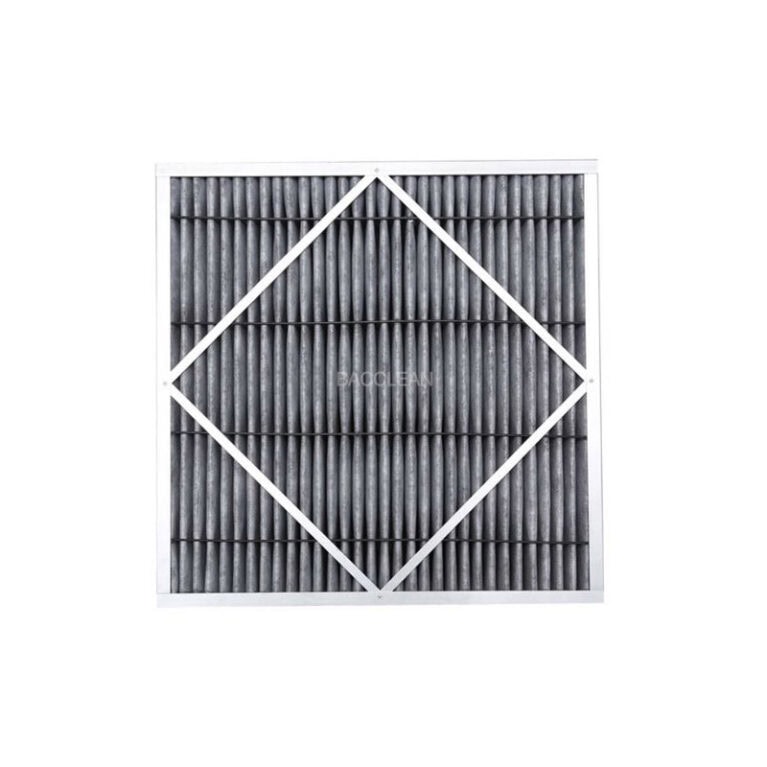
With partitioned efficient (aluminum foil partition)
Large air duct, sufficient dust capacity space → Longest lifespan: Generally can reach 18-24 months
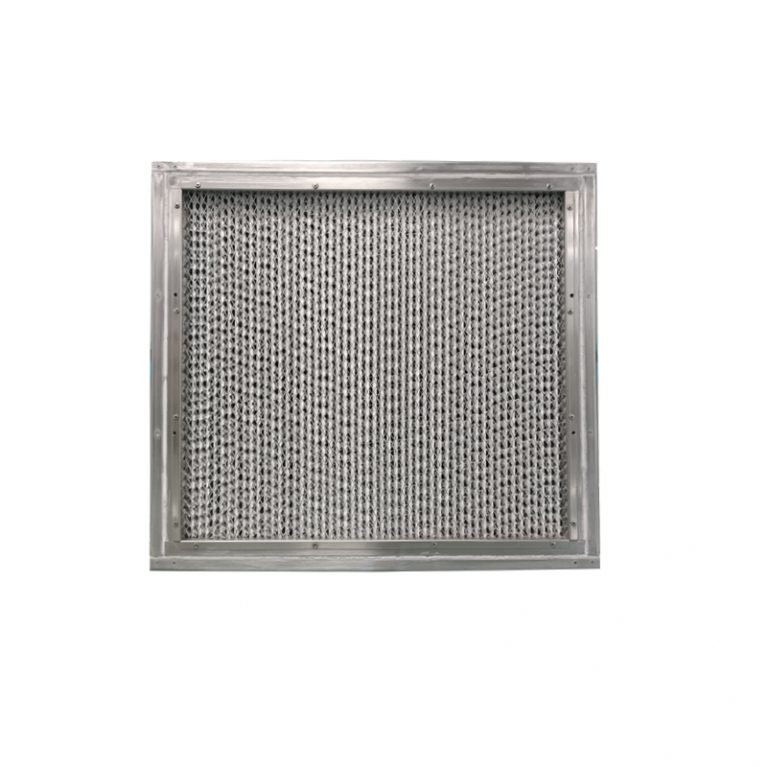
Without partitioned efficient (hot melt adhesive mini pleat)
Pleat dense, air resistance high, dust accumulation fast → Regular 10-16 months, more dust faster clogged
The edge of the knife/liquid groove seal is highly efficient
Good sealing, no leakage, but the filter body is still without partitioned model → Lifespan the same as above, only prevents leakage without extending the lifespan
3. By “usage equipment scenario” practical differences (your industry focus)
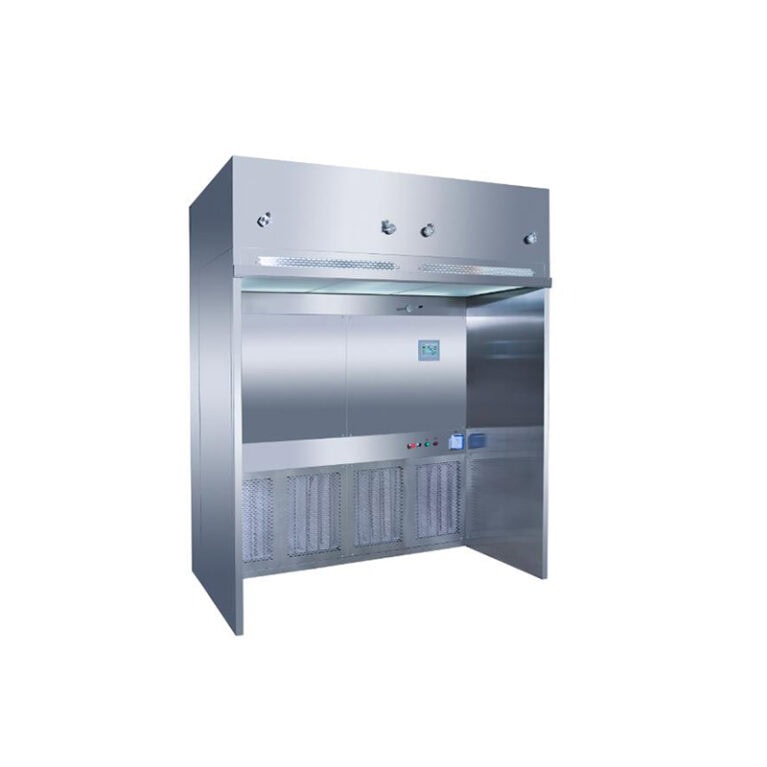
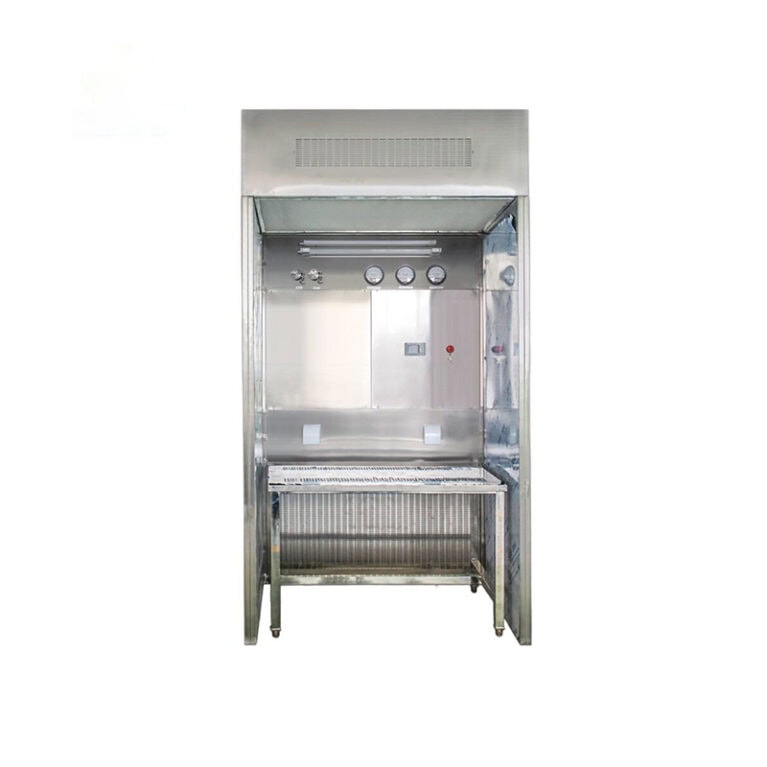
Negative pressure weighing room (pharmaceutical powder, active powder)
Regardless of H13/H14, be conservative:
General auxiliary materials: 12 months; highly active / hormones / anti-tumor: 6-9 months
Regular air change in clean room supply air outlet
Clean environment: H13 can be stable for 2 years +
Exhaust type efficient (toxicity removal, dust removal)
Directly facing heavy dust / toxic gas: All types are halved, 6 months or so for evaluation
4. Core summary (remember 3 sentences)
Higher precision (H14 > H13), shorter lifespan; Coated filter paper is more likely to clog at the surface layer.
With partitioned lifespan > without partitioned; Supply air filter lifespan > exhaust / direct dust filter.
All cycles are references, the final replacement standard is “initial pressure difference doubles + PAO leak detection qualified”.