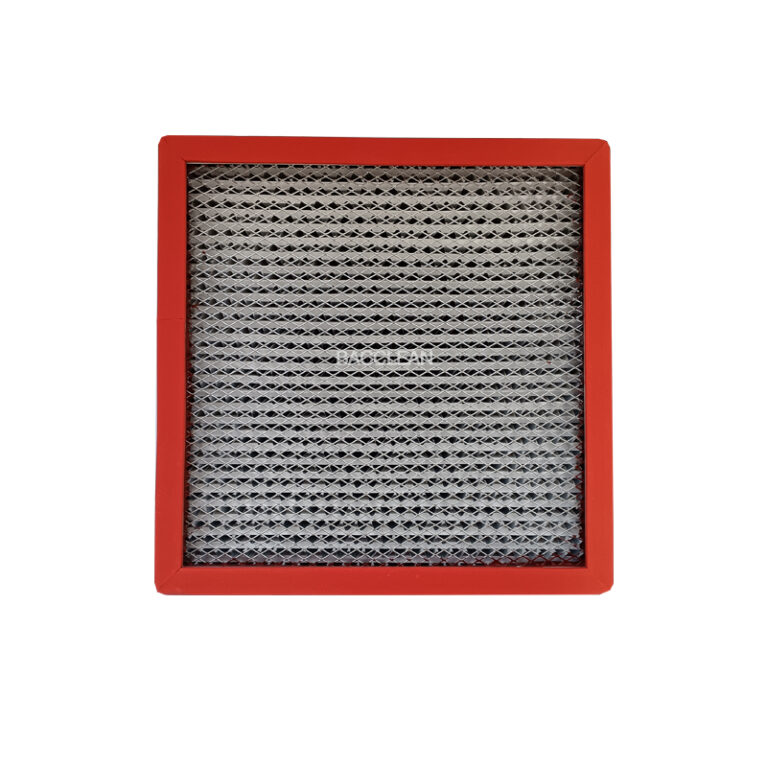
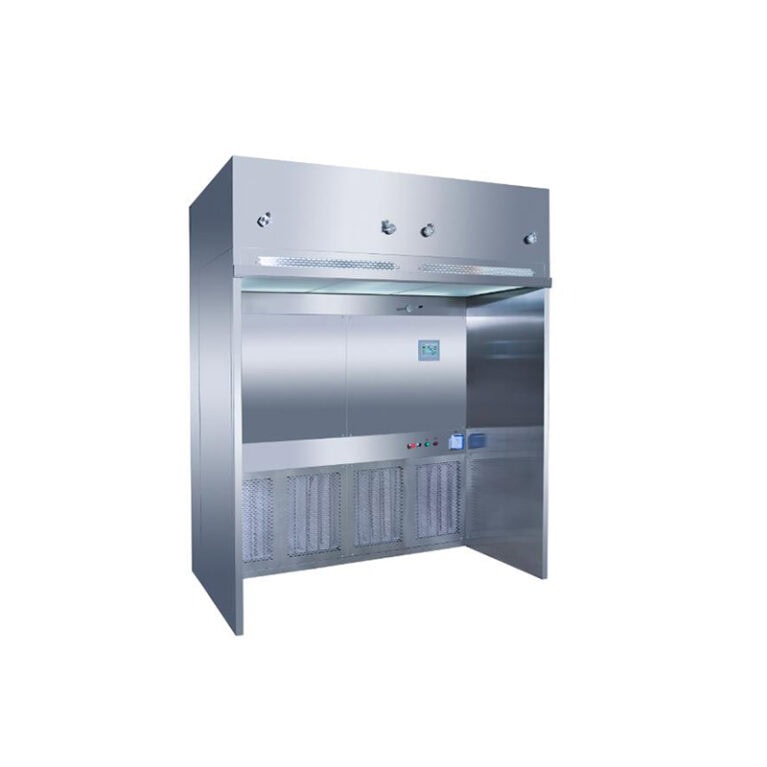
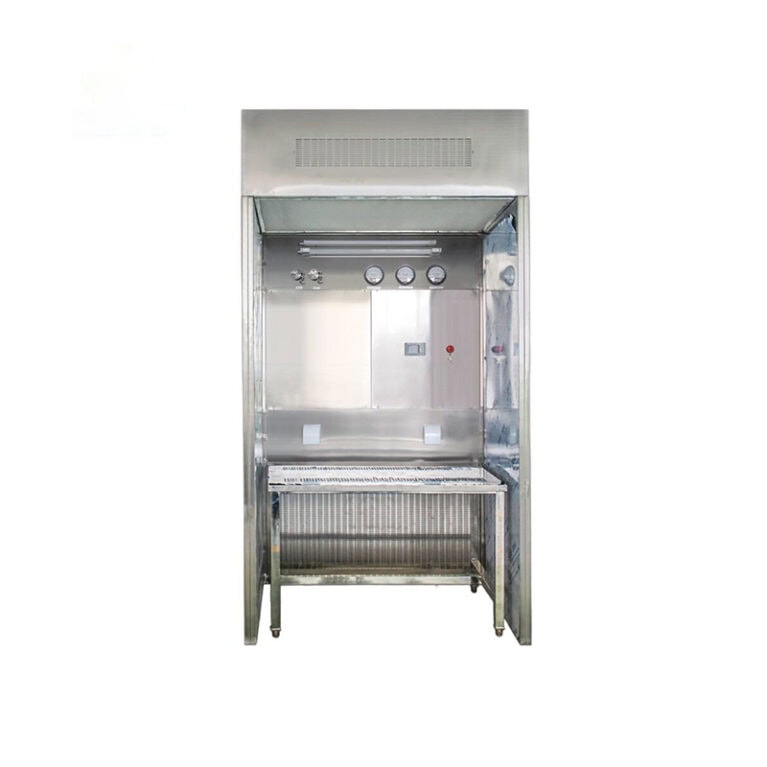
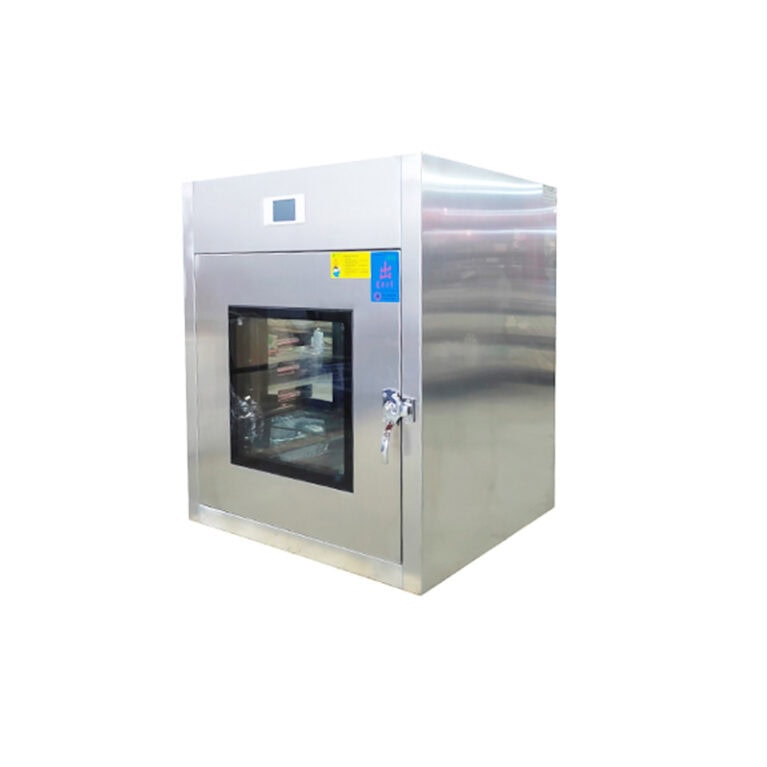
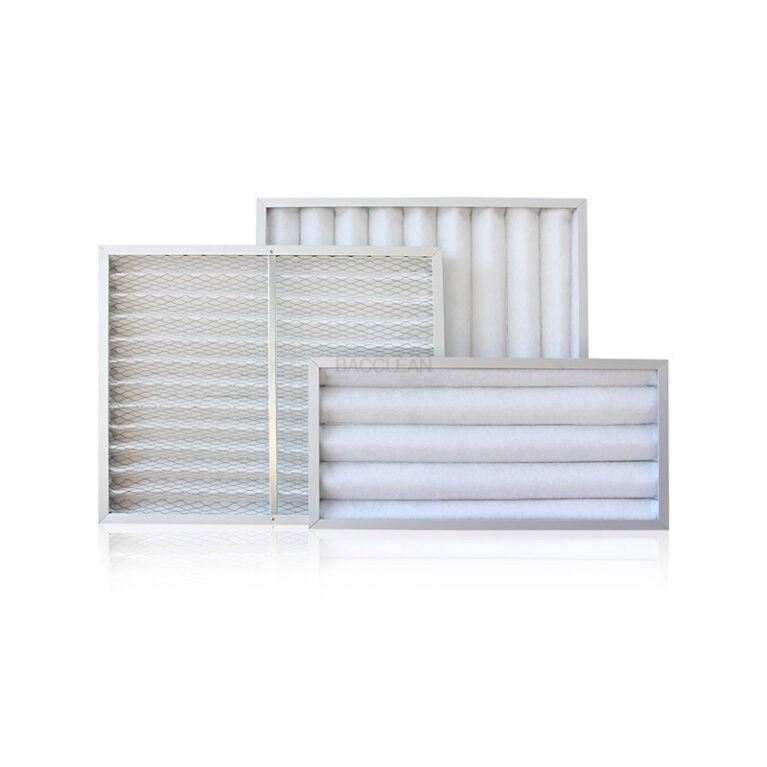
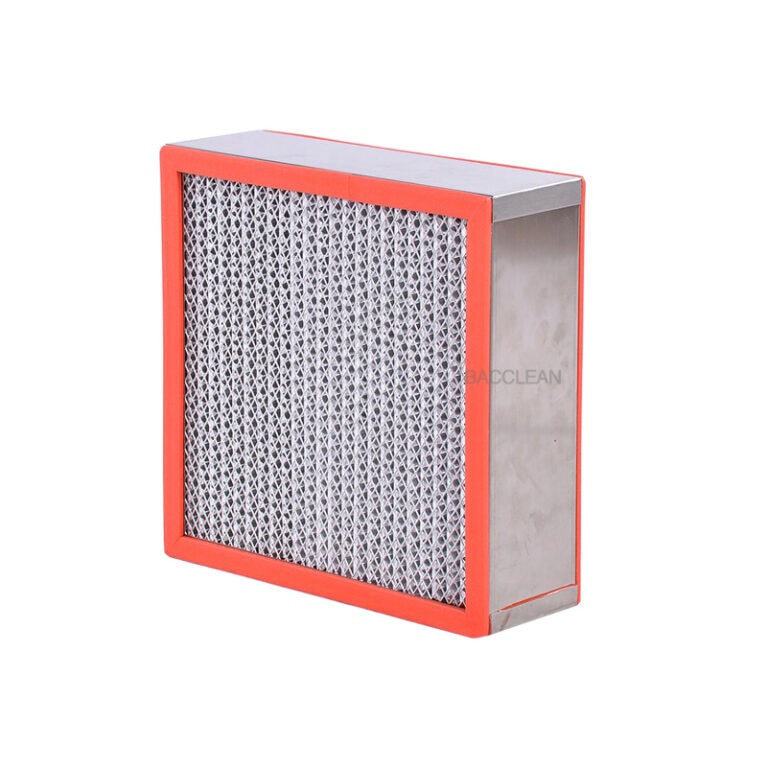
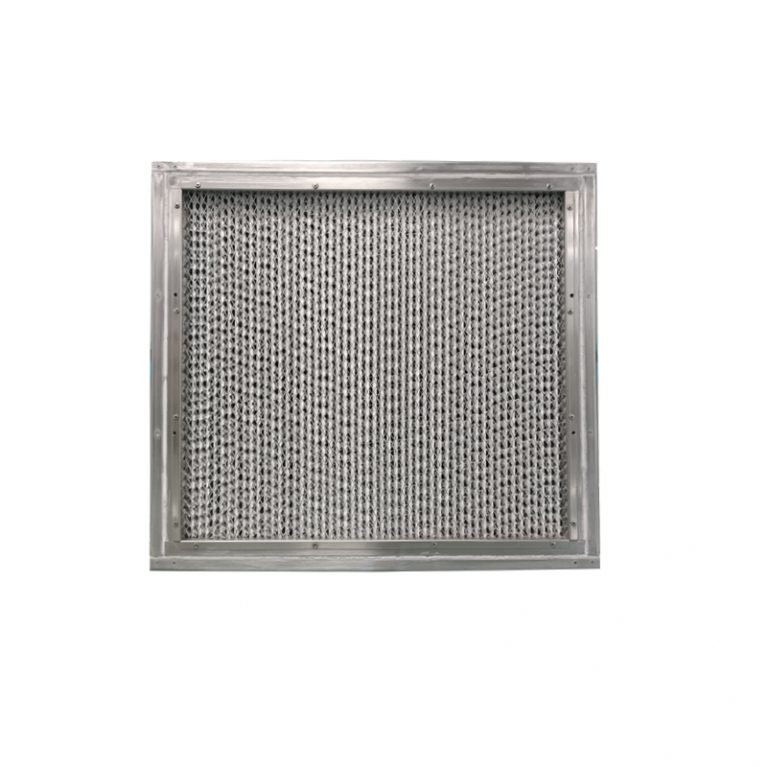
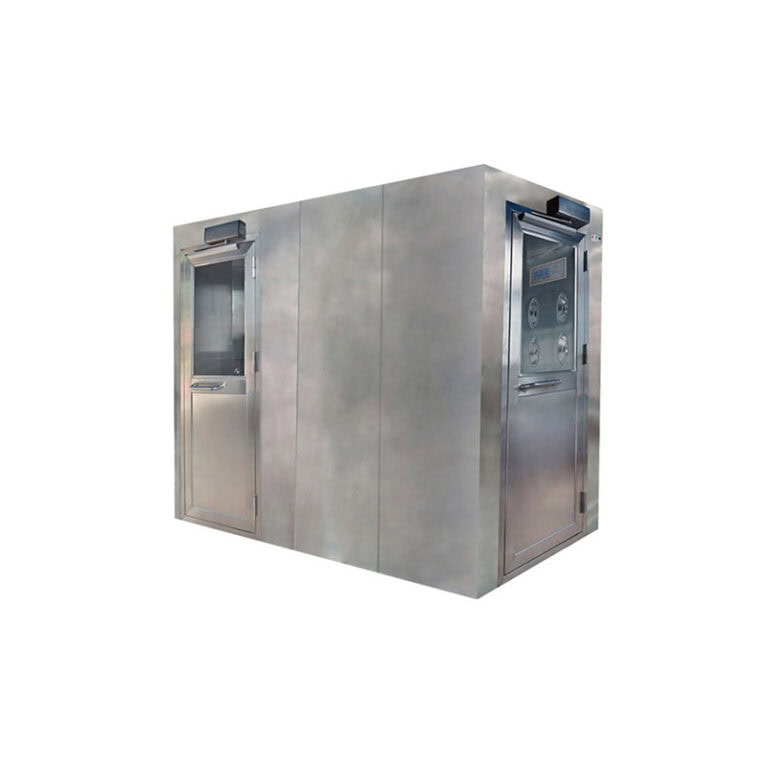
The record management for the daily maintenance of the air supply ceiling is a crucial part for ensuring the stable operation of the equipment, tracing the root causes of problems, and optimizing maintenance strategies. The recorded content should be comprehensive, accurate, and traceable, and it should be linked with the overall operation archives of the cleanroom. It specifically includes the following six modules:
Equipment basic information module
Core parameters of the air supply ceiling: equipment model, factory serial number, installation location (such as XX workshop XX area of the cleanroom), rated air volume, matching filter specifications (initial efficiency / medium efficiency / high efficiency models, filtration efficiency, initial resistance).
Maintenance ledger number: unique ledger code compiled by year / area for easy archiving and retrieval.
Daily maintenance execution record module
Maintenance time: precise to year / month / day / hour, distinguishing daily inspections, weekly deep maintenance, monthly specialized maintenance, and quarterly sealingity tests.
Maintenance personnel: operator’s name, position, with signature confirmation, clearly defining the responsible party.
Maintenance content and results:
Daily inspection: fan operation status (no abnormal noise, vibration, stable rotation speed), diffuser plate sealing condition, surface cleaning areas and used tools (such as dust-free cloth + purification water).
Weekly / monthly maintenance: diffuser plate disassembly and cleaning situation, filter pressure difference monitoring values, seal ring status (no aging / need replacement), motor temperature detection results.
Quarterly maintenance: sealingity testing methods (smoke method / particle counting method), leakage point location and handling measures (such as special sealant sealing).
Full life cycle record module for core components (filters)
Installation record of filters: installation date, production batch number, supplier information of initial efficiency / medium efficiency / high efficiency filters.
Pressure difference monitoring trend record: real-time pressure difference values during each maintenance, ratio to the initial pressure difference, marking whether the pressure difference exceeds the standard (initial efficiency over 1.5 times, medium efficiency over 2 times, high efficiency over 2-3 times).
Filter replacement record: replacement reason (pressure difference exceeds standard / filter damage / cleanliness not up to standard), replacement date, disposal method of discarded filters (sealed packaging / hazardous waste transfer number), sealing verification results after installation of new filters.
Fault handling and abnormal record module
Abnormal phenomena: time of equipment failure occurrence, specific manifestations (such as sudden drop in air volume, abnormal noise, inspection of cleanliness exceeding standards).
Troubleshooting process: analysis of fault causes (such as filter blockage / fan bearing wear / seal ring aging), tools and methods used for troubleshooting.
Handling measures and results: maintenance steps (such as replacing fan bearings / replacing high-efficiency filters), equipment operation parameters after maintenance (air volume, pressure difference, cleanliness values), whether it returns to normal operation.
Preventive measures: optimization plans formulated for faults (such as shortening maintenance cycle for certain types of filters / increasing frequency of fan inspections).
Verification record after maintenance module
Verification data after startup: pressure difference stability data of the fan after 10-15 minutes of operation, cleanliness values of the air supply area inspected by the dust particle counter (must comply with the corresponding cleanroom grade standards).
Verification personnel: name of the inspector, verification date, attached inspection report number.
Ledger management information module
Audit record: auditor and audit date of the ledger to ensure the record is true and accurate.
Maintenance cycle adjustment: record the basis for adjustment of the maintenance cycle (such as in areas with high dust concentration, change from weekly cleaning to every 5 days cleaning).
Retention period: clearly define the retention period of the ledger (generally no less than 1-3 years, or in accordance with industry regulations / customer audit requirements).