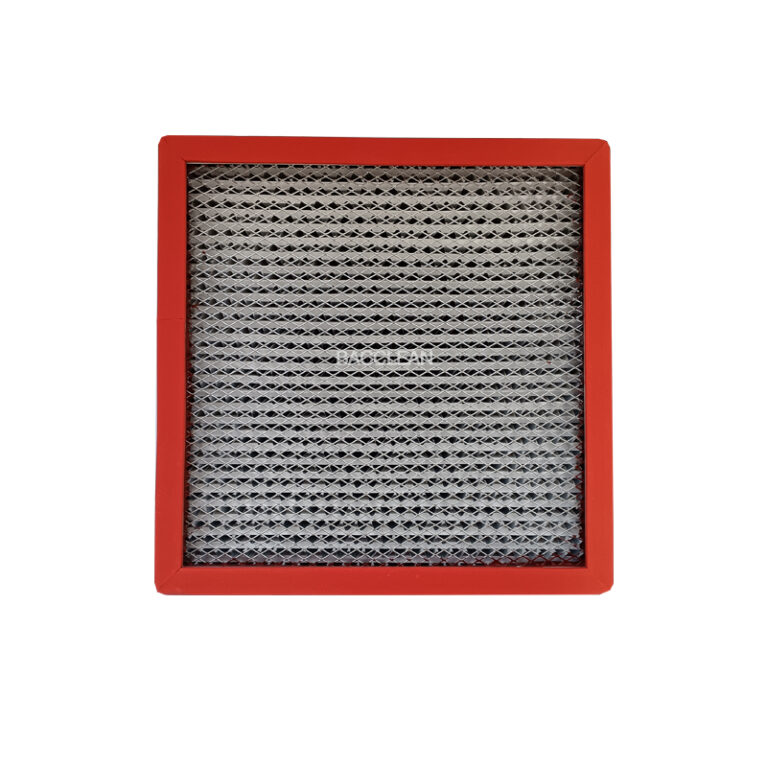
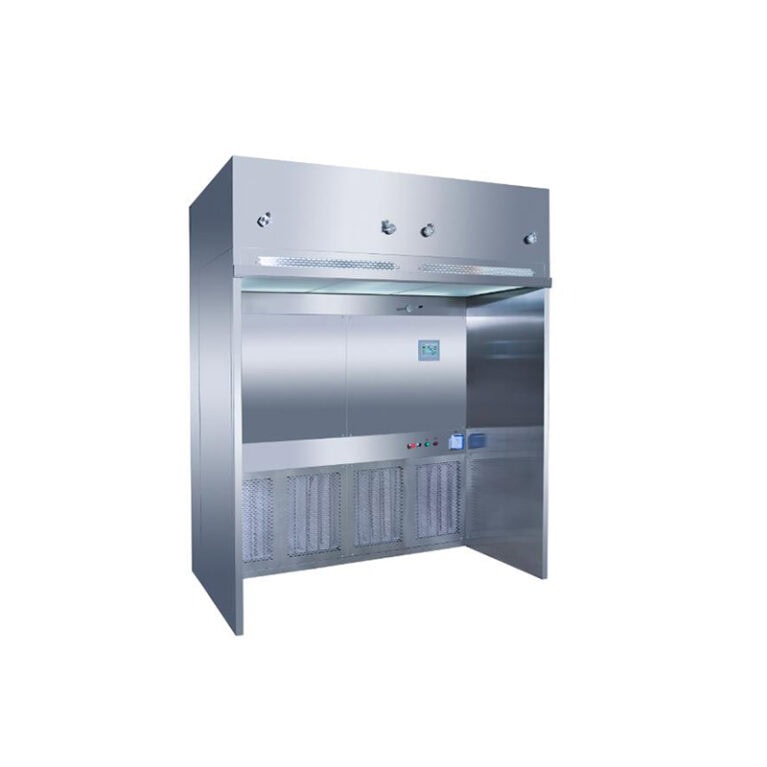
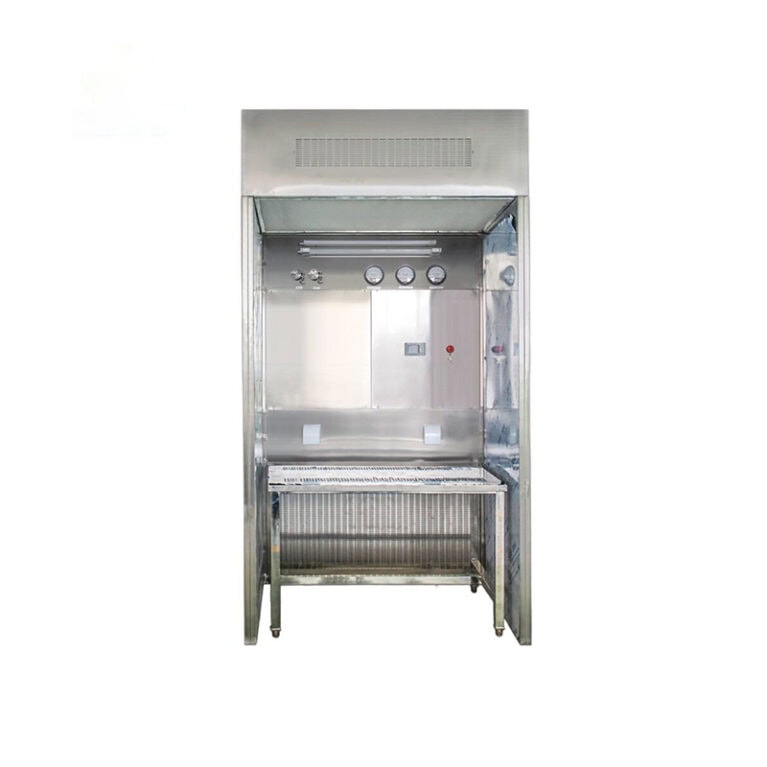
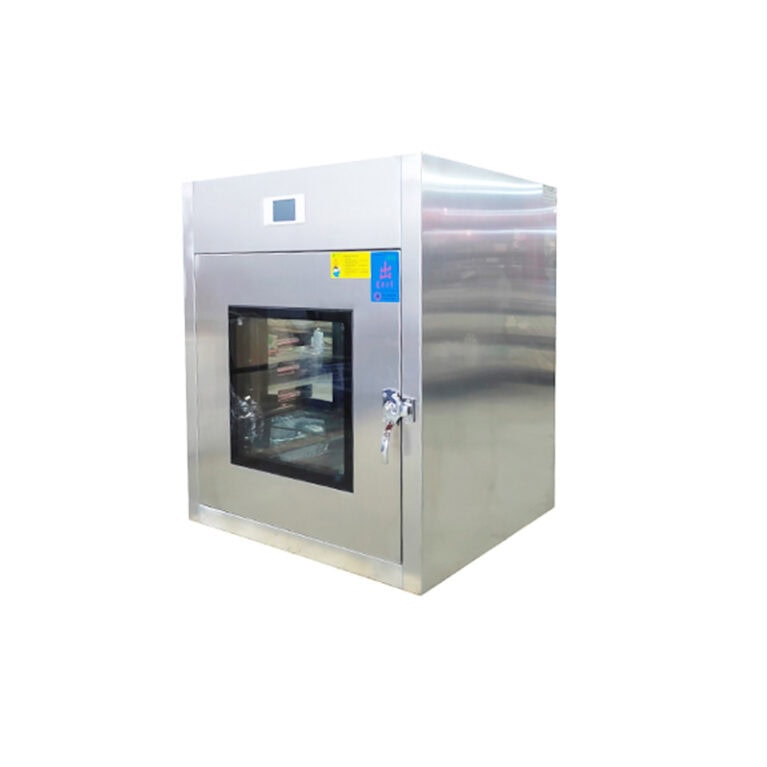
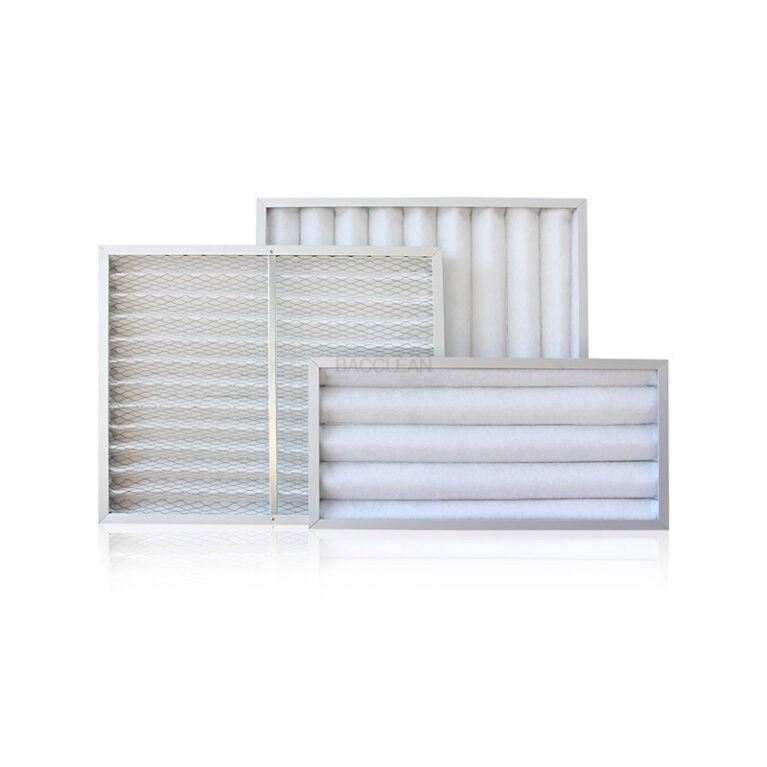
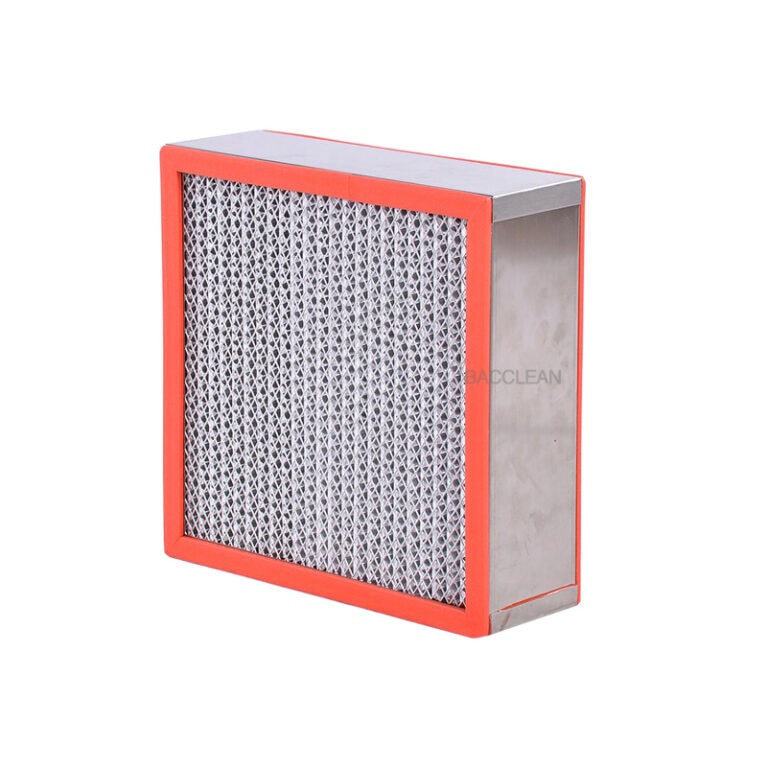
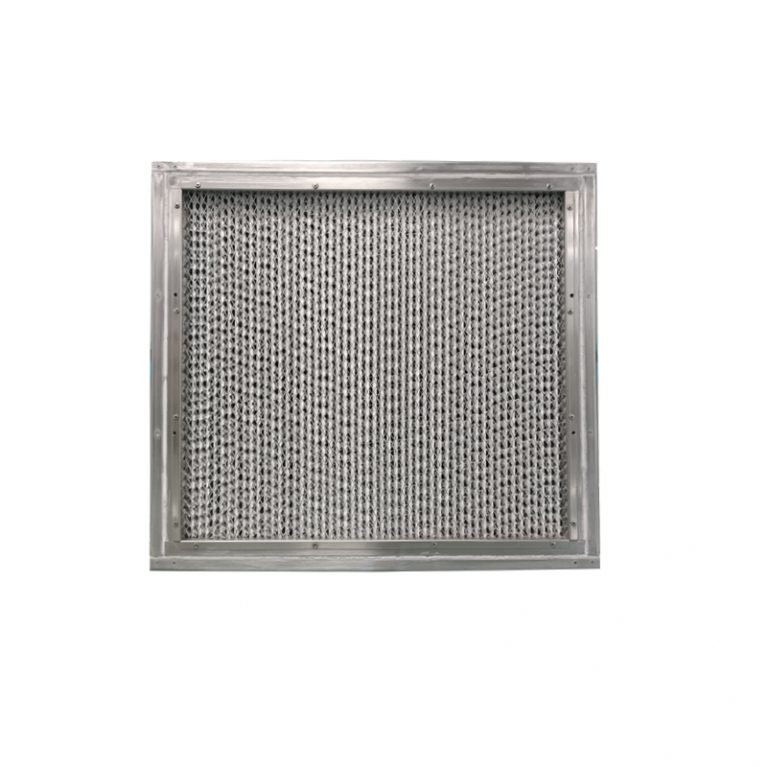
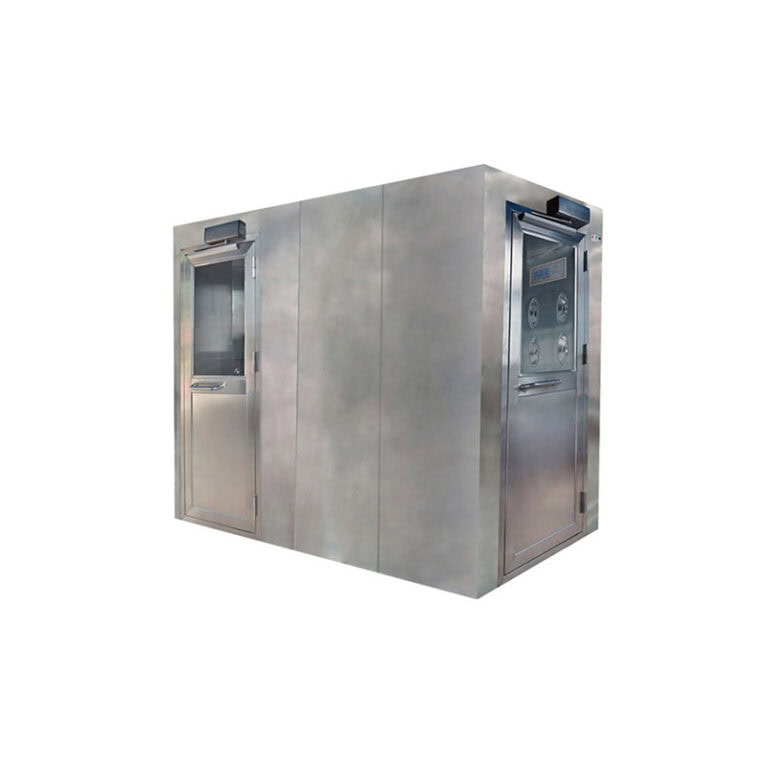
The accuracy of the maintenance records for the air supply ceiling directly determines whether the cleanroom can operate stably, comply with standards, control risks, and reduce costs. Once the data is inaccurate, it will have a chain effect on the overall operation of the cleanroom in five aspects: environment, quality, compliance, equipment, and cost.
1. It directly determines whether the cleanliness of the cleanroom truly meets the standards.
Accurate records: They can truly reflect the resistance of the filter, pressure difference, air velocity, and sealing status, and promptly detect efficient blockage, air leakage, and uneven airflow, ensuring that suspended particles and settled bacteria meet the standards.
Inaccurate records: False data / incorrect data will cover up filter failure, static pressure box leakage, and diffuser plate contamination, making it seem normal but the cleanliness has exceeded the standard, and the cleanroom becomes meaningless.
2. It determines whether equipment failures can be predicted in advance and avoid sudden production line shutdowns.
Accurate records: Through resistance trends, pressure difference fluctuations, and wind speed changes, it can predict the lifespan of the filter and component aging, achieving preventive maintenance.
Inaccurate records: It cannot identify abnormal trends, resulting in sudden filter leakage, sudden drop in air volume, and local turbulence, directly causing production interruption and surgery room closure.
3. It is the core basis for compliance audits and industry certifications.
During cleanroom audits (pharmaceutical GMP / medical devices / hospital infection control / electronic cleanrooms), maintenance records are mandatory core documents:
Accurate records: They can fully trace the equipment status and smoothly pass inspection, factory audits, and system audits.
Inaccurate / falsified records: They directly determine unreliable data and out-of-control systems, facing serious consequences such as rectification, production suspension, and revocation of qualifications.
4. It affects the operating costs and life of consumables of the cleanroom.
Accurate records: They can replace the filter based on the actual resistance / pressure difference, not replacing too early or too late, maximizing the utilization of consumables and reducing waste.
Inaccurate records:
Replacing too early → The filter utilization rate is low, and the cost is inflated;
Replacing too late → The resistance is too high, the fan load increases, power consumption increases, and the equipment ages faster.
5. It determines the bottom line of product / medical quality safety.
For pharmaceuticals, sterile medical devices, food: Inadequate cleanliness directly leads to product contamination, scrapping, and recalls.
For hospital operating rooms / ICU: It directly increases the risk of hospital infection, threatening patient safety.
The accuracy of the records is the first data defense line for quality and safety.
6. It affects the root cause tracing of abnormal incidents.
Once the cleanroom has particle超标 or microbial abnormalities:
Accurate records: They can quickly locate which part of the filter, seal, air velocity, or cleaning is the problem.
Inaccurate records: There is no traceability at all, and only blind troubleshooting can be done, with problems recurring.