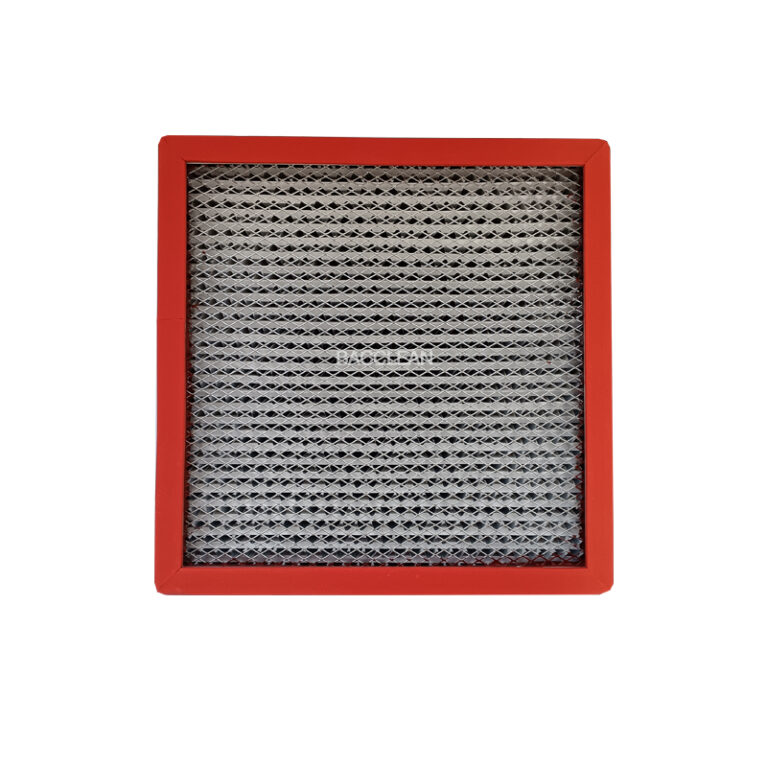
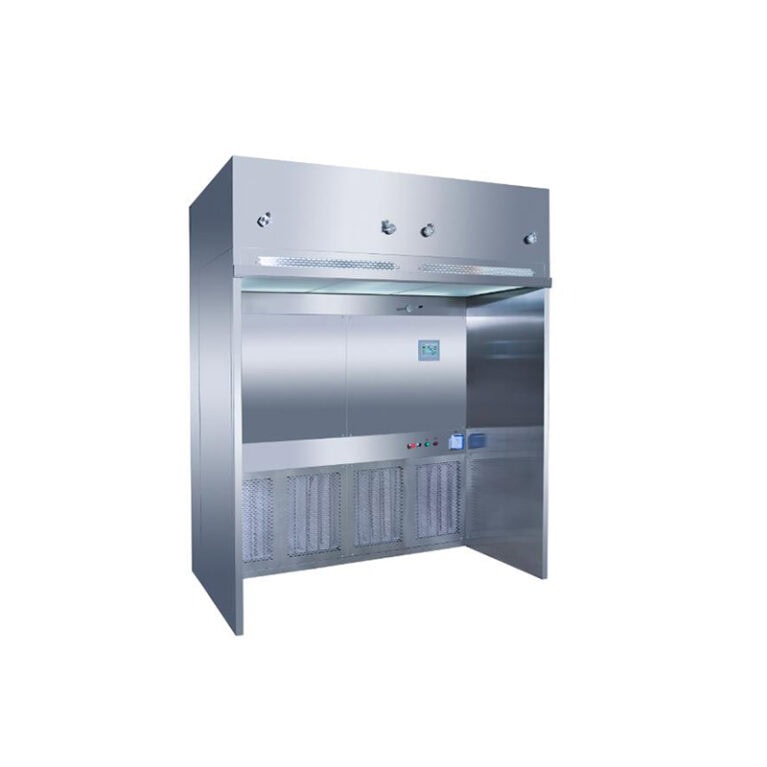
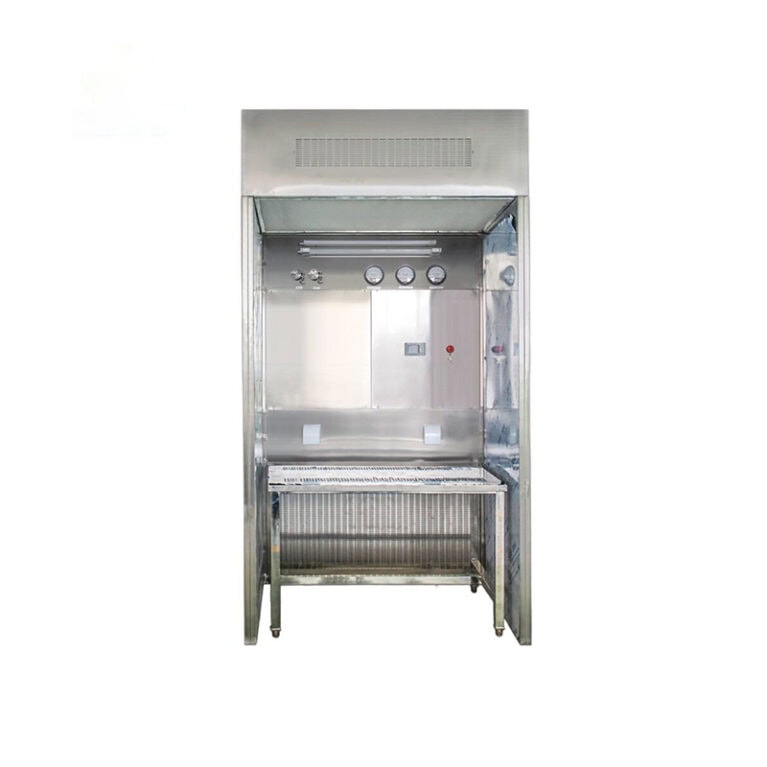
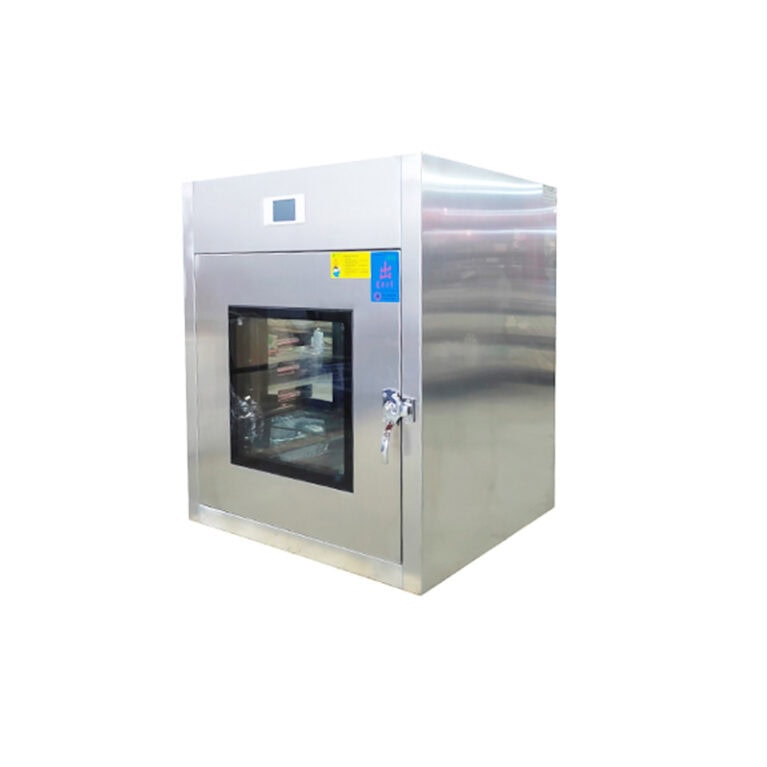
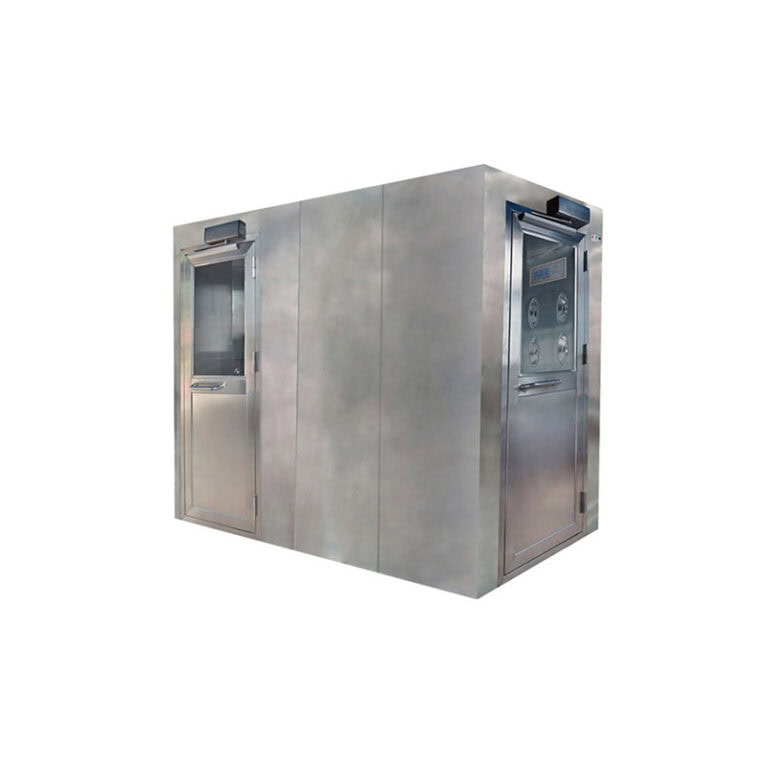
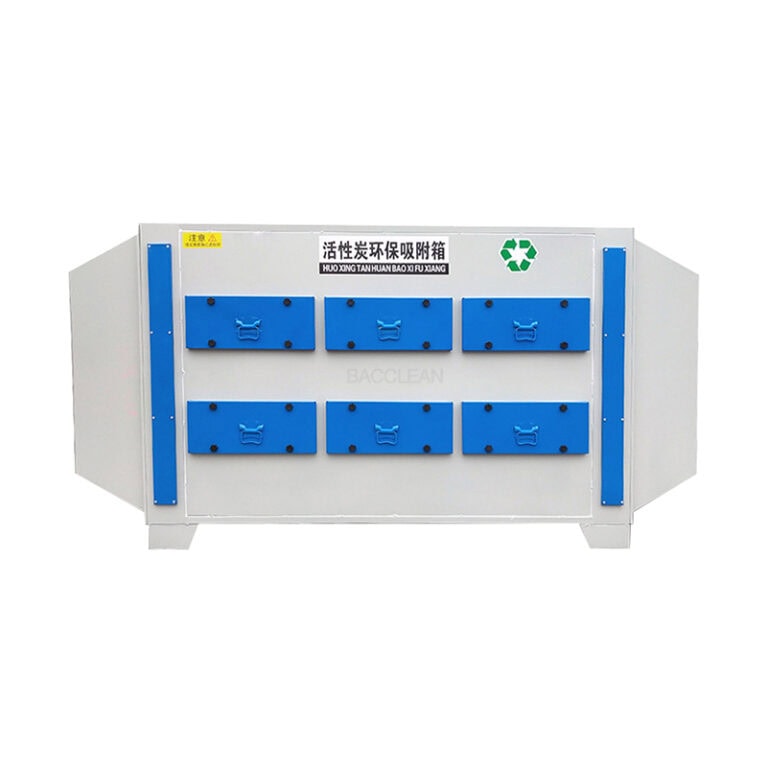
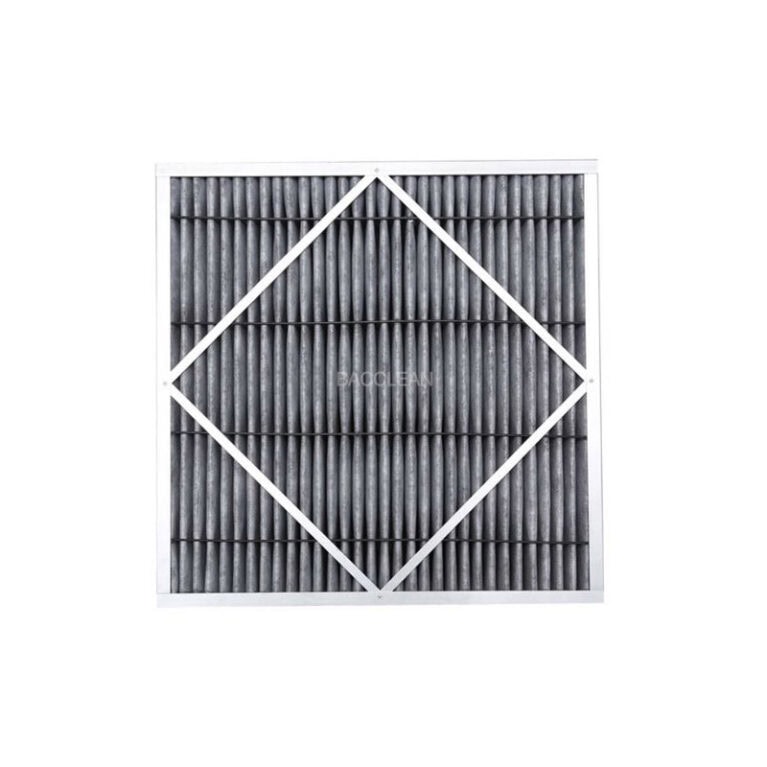
Here is a set of standard operating procedures for the **High Efficiency Filter Integrity Testing (PAO Leak Detection Method)** commonly used in cleanrooms, specifically for automatic double-door and shower rooms. It is simple, practical, and concise.
High Efficiency Filter Integrity Testing (PAO Aerosol Leak Detection) Procedure
I. Preparation
Tools
Aerosol Generator (PAO/DOP)
Aerosol Photometer (particle counter can also be used as a substitute)
Clean cloth, alcohol, marker pen, record sheet
Personnel
Wear clean suits, gloves, and masks
Equipment Status
The door of the shower room is closed, and the room is kept sealed.
Clean the outlet surface and nozzles of the high-efficiency filter in advance.
II. Dust Generation (Establishing Upstream Concentration)
Place the PAO aerosol generator at the inlet end of the shower room (outside the primary filter or in the return air box).
Turn on the generator and let the PAO oil mist enter the duct along the airflow and pass through the high-efficiency filter evenly.
Take samples in the upstream duct of the high-efficiency filter using the photometer,
Adjust the dust generation rate to make the upstream concentration reach 10% to 20% of the photometer’s measurement range and stabilize.
Purpose: To ensure that the downstream can accurately detect the leakage.
III. Downstream Leak Detection (Core Step)
Place the photometer probe on the outlet surface of the high-efficiency filter, 2 to 5 cm away from the filter surface.
Scan in the following order at a uniform speed:
The entire filter material surface
Sealing areas between the filter material and the frame
Sealing areas between the frame and the box installation slot
The four corners of the high-efficiency filter
The scanning speed should not exceed 5 cm/s.
Observe the photometer reading:
If there is no significant increase in the reading → No leakage
If the reading suddenly increases and exceeds the upper limit → There is a leakage point
IV. Leakage Judgment Criteria
If any of the following conditions is met, it is considered unqualified and needs to be replaced or repaired:
The photometer reading exceeds 0.01% of the upstream concentration
There is a clear and continuous concentration peak
Continuous leakage signals occur at the frame and sealing strip areas
V. Repair and Re-test (If Repair is Allowed)
Mark the location of the leakage point.
Use special silicone / sealant to repair the filter material or frame.
After the repair is completed, wait for curing, and then conduct a complete scan for leak detection again.
If there is still leakage after repair → Replace the high-efficiency filter directly.
VI. Conclusion and Record
Turn off the PAO generator and continue to let the fan run for 10 to 15 minutes to expel residual aerosols.
Fill in the test record: Testing date
Upstream concentration
Leakage situation
Treatment result (qualified / repair / replacement)
Simple alternative solution (without PAO equipment)
If there is no PAO system, the particle counter method can be used:
Normal air blowing for the air shower
Scan the outflow surface of the high-efficiency filter with a particle counter
If the number of particles in a certain area suddenly increases, it indicates a leakage
Compared with the cleanroom standards, if the result exceeds the limit, it is judged as unqualified
Important reminder
The high-efficiency filter of the air shower in the cleanroom generally does not recommend repeated repairs; if there is a leakage, it is better to replace it directly.
The detection must be carried out under the condition that the fan is running normally and the door is closed and sealed.
Special attention should be paid to the sealing of the door frame and the air leakage of the box for double-door air showers to avoid misjudgment.