
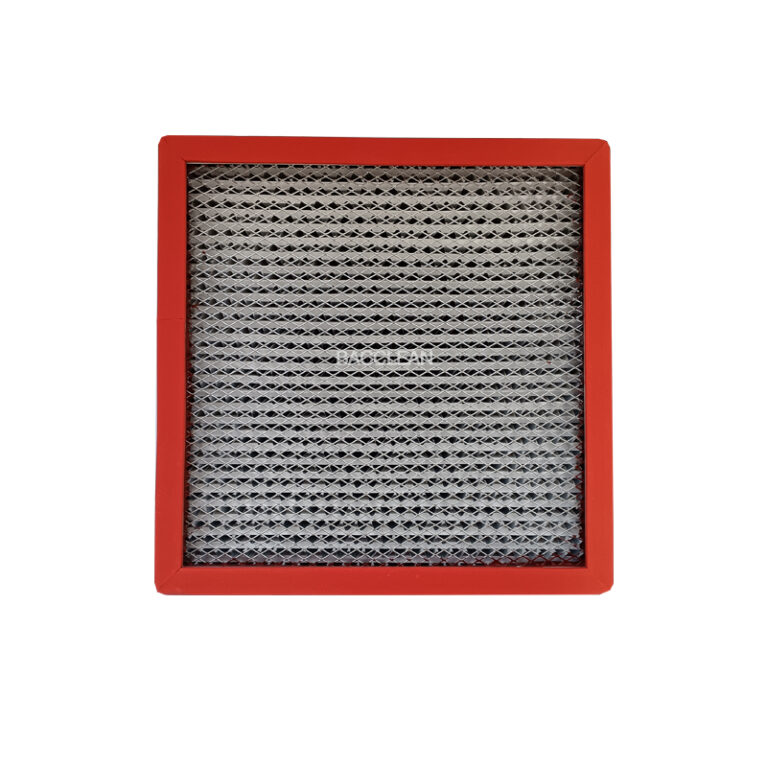
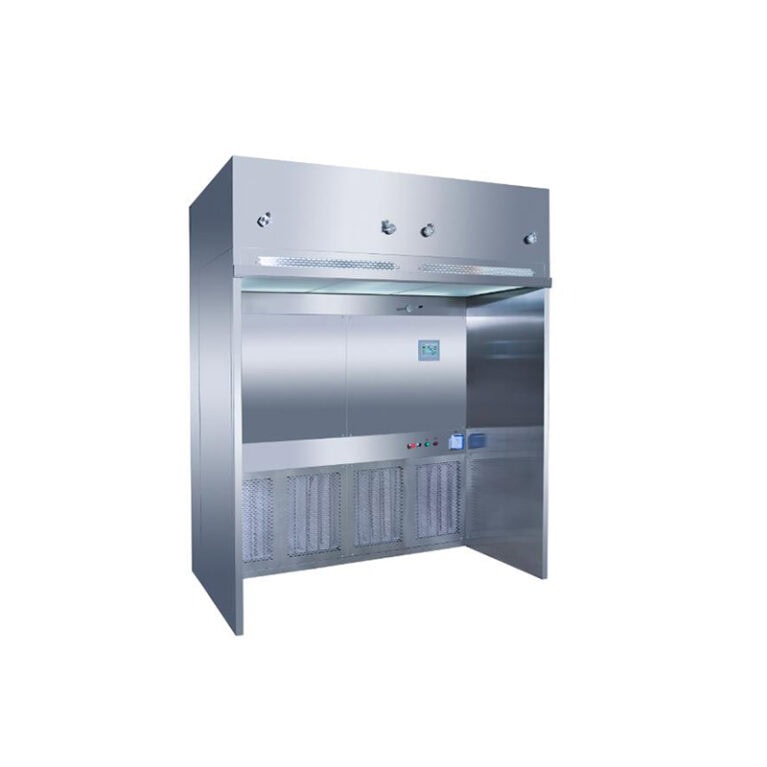
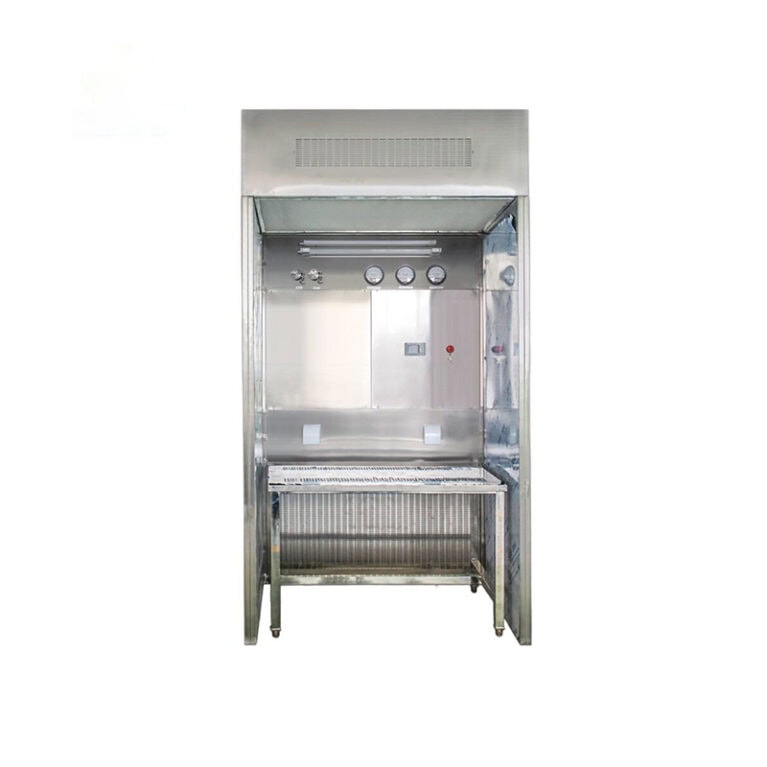
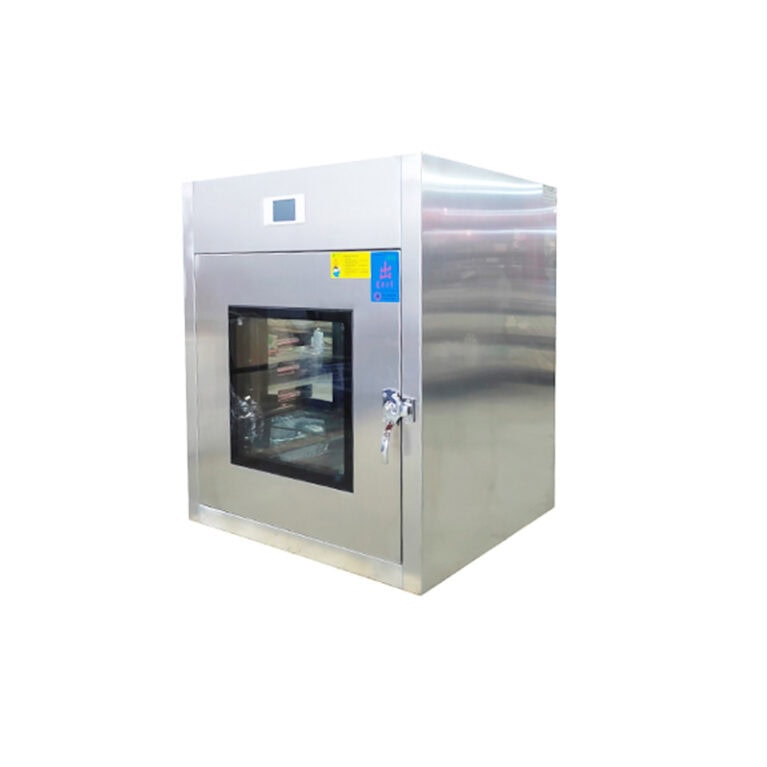
I. Classification by Cleanliness Level (Core Standard for Medical Scenarios)
Hospital supply air ceilings are classified into four cleanliness levels, each aligned with ISO 14644-1 standards, reflecting the required air quality for specific core hospital areas.
Class I (Class 100 / ISO Class 4) – the highest cleanliness grade
Core indicators: The number of particles ≥0.5μm in each cubic meter of air is ≤ 3,520, and the number of particles ≥5μm is ≤29. The microbial cleanliness is ≤ 0.2 CFU per dish.
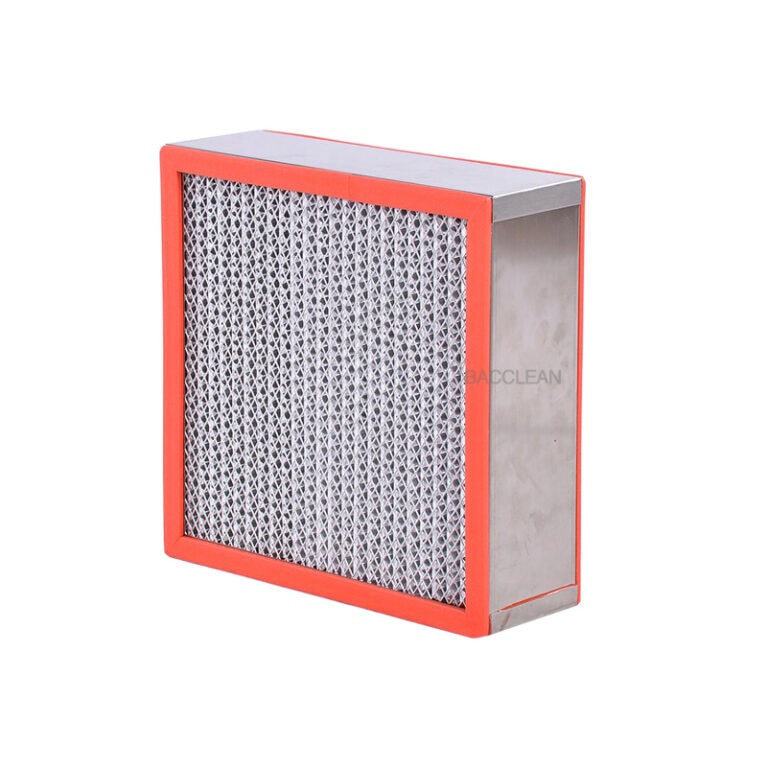
Technical configuration: A vertical laminar flow organization is adopted, with wind speeds controlled between 0.45 and 0.55 m/s. It is equipped with HEPA high-efficiency filters (with a filtration efficiency of ≥99.97% for 0.3 μm particles), and ULPA ultra-high-efficiency filters (with a filtration efficiency of ≥99.999% for 0.12 μm particles) are used in some high-end scenarios.
Applicable scenarios: extremely high-risk surgeries such as organ transplantation, cardiac surgery, and neurosurgery, as well as core areas for sterile preparation production. The air supply surface should cover an area of ≥2.4m×1.8m on the operating table to prevent vortex contamination.
Class II uses vertical or horizontal laminar flow (0.25–0.3 m/s), with high-efficiency filters (≥99.9%), and may include a three-stage filtration system for higher contamination risk.
3. Class III (10,000 grade/ISO 6 grade) – Medium clean grade
Core indicators: The number of particles ≥0.5μm in each cubic meter of air is ≤ 352,000, and the number of particles ≥5μm is ≤ 2,930. The microbial cleanliness is ≤1.5CFU per dish.
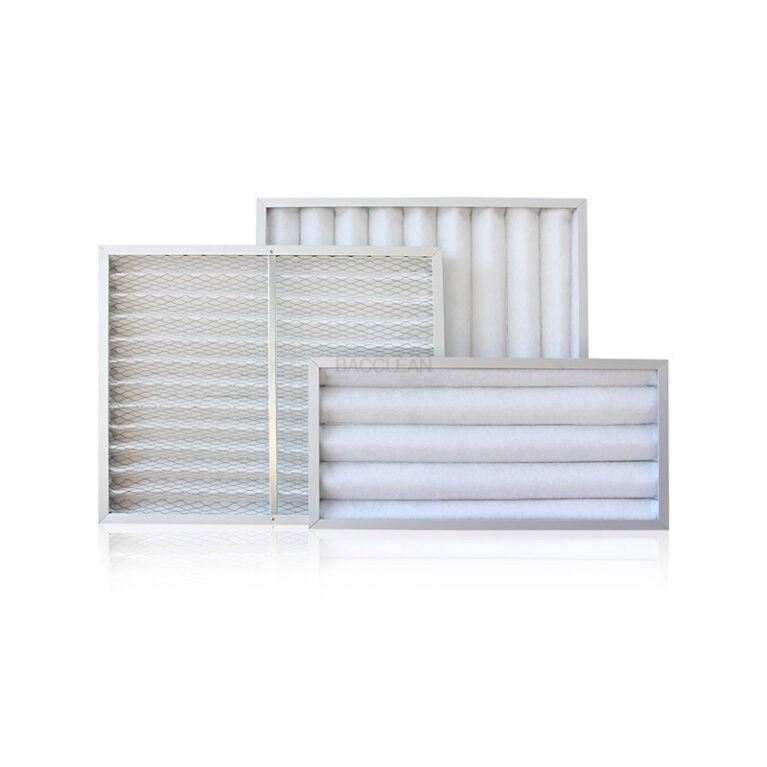
Technical configuration: Mainly featuring mixed flow or turbulent flow, with a wind speed of 0.2-0.4m/s. The filtration system consists of primary and medium efficiency filters, and the replacement cycle of HEPA filters can be extended to 5 years.
Applicable scenarios: General outpatient surgeries, intravenous administration centers, aseptic food filling areas, and routine surgical areas in primary hospitals.
4. Class IV (100,000 grade/ISO 7 grade) – Basic cleanliness grade
Core indicators: The number of particles ≥0.5μm per cubic meter of air is ≤3.52×10⁶, and the microbial cleanliness is ≤4.5CFU per dish.
Technical configuration: Allows for natural ventilation or mechanical ventilation, with an air velocity of ≥0.15m/s. Only primary filtration is required (regular cleaning is needed), and the air change rate is ≥12 times per hour.
Applicable scenarios: Non-core areas such as surgeries, postoperative recovery rooms, and clean corridors with relatively low infection risks.
Ii. Auxiliary Classification by Technical Characteristics (Key Dimensions Affecting the Realization of Levels
1. According to the form of air flow organization
Vertical laminar flow type: The airflow flows from top to bottom in a “piston flow” pattern, with the highest cleanliness (suitable for grade I-II). It needs to be combined with a lower return air system to avoid cross-contamination.
Horizontal laminar flow type: The airflow flows horizontally, suitable for grade II – III, and is appropriate for long strip Spaces (such as clean corridors).
Turbulent (non-unidirectional flow) type: The airflow diffuses irregularly, and the pollutant concentration is reduced through dilution. It is suitable for grades III-IV and has a relatively low cost.
2. Configure according to the filter unit
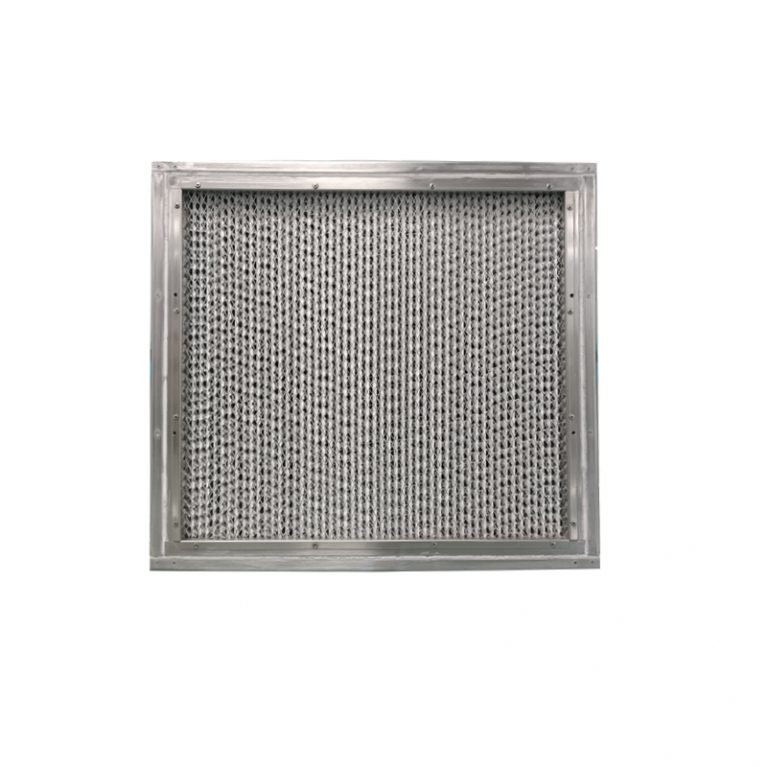
HEPA High-efficiency filtration type: Core configuration, compatible with levels I – III, is the mainstream choice for hospital scenarios.
ULPA Ultra-High Efficiency Filtration Type: Only used in the highest standard scenarios of Class I (such as organ transplant operating rooms), with higher filtration accuracy.
Multi-stage composite filtration type: Combination of primary, medium, and high efficiency filters, which extends the service life of the filters and is suitable for Grade III scenarios with higher pollution risks (such as operating areas in infectious disease hospitals).
3. According to the installation and power form
Active type (with FFU): Equipped with its own fan and filter unit, it can be modularly expanded and is suitable for large clean areas of Grade I-II (such as the operating department of a tertiary hospital).
Passive type: It relies on central air conditioning for power supply, has a simple structure, and is suitable for fixed layout areas of grade Ⅲ-Ⅳ.
Embedded/Integrated type: Installed in an integrated way with the ceiling, it reduces dust accumulation and is suitable for scenarios of Grade Ⅰ-Ⅱ where both cleanliness and aesthetics are required.
Hospital supply air ceilings are classified into four cleanliness levels, each aligned with ISO 14644-1 standards, reflecting the required air quality for specific core hospital areas.
Class I (Class 100 / ISO Class 4) – the highest cleanliness grade
Core indicators: The number of particles ≥0.5μm in each cubic meter of air is ≤ 3,520, and the number of particles ≥5μm is ≤29. The microbial cleanliness is ≤ 0.2 CFU per dish.
Technical configuration: A vertical laminar flow organization is adopted, with wind speeds controlled between 0.45 and 0.55 m/s. It is equipped with HEPA high-efficiency filters (with a filtration efficiency of ≥99.97% for 0.3 μm particles), and ULPA ultra-high-efficiency filters (with a filtration efficiency of ≥99.999% for 0.12 μm particles) are used in some high-end scenarios.
Applicable scenarios: extremely high-risk surgeries such as organ transplantation, cardiac surgery, and neurosurgery, as well as core areas for sterile preparation production. The air supply surface should cover an area of ≥2.4m×1.8m on the operating table to prevent vortex contamination.
Class II uses vertical or horizontal laminar flow (0.25–0.3 m/s), with high-efficiency filters (≥99.9%), and may include a three-stage filtration system for higher contamination risk.
3. Class III (10,000 grade/ISO 6 grade) – Medium clean grade
Core indicators: The number of particles ≥0.5μm in each cubic meter of air is ≤ 352,000, and the number of particles ≥5μm is ≤ 2,930. The microbial cleanliness is ≤1.5CFU per dish.
Technical configuration: Mainly featuring mixed flow or turbulent flow, with a wind speed of 0.2-0.4m/s. The filtration system consists of primary and medium efficiency filters, and the replacement cycle of HEPA filters can be extended to 5 years.
Applicable scenarios: General outpatient surgeries, intravenous administration centers, aseptic food filling areas, and routine surgical areas in primary hospitals.
4. Class IV (100,000 grade/ISO 7 grade) – Basic cleanliness grade
Core indicators: The number of particles ≥0.5μm per cubic meter of air is ≤3.52×10⁶, and the microbial cleanliness is ≤4.5CFU per dish.
Technical configuration: Allows for natural ventilation or mechanical ventilation, with an air velocity of ≥0.15m/s. Only primary filtration is required (regular cleaning is needed), and the air change rate is ≥12 times per hour.
Applicable scenarios: Non-core areas such as surgeries, postoperative recovery rooms, and clean corridors with relatively low infection risks.
Ii. Auxiliary Classification by Technical Characteristics (Key Dimensions Affecting the Realization of Levels
1. According to the form of air flow organization
Vertical laminar flow type: The airflow flows from top to bottom in a “piston flow” pattern, with the highest cleanliness (suitable for grade I-II). It needs to be combined with a lower return air system to avoid cross-contamination.
Horizontal laminar flow type: The airflow flows horizontally, suitable for grade II – III, and is appropriate for long strip Spaces (such as clean corridors).
Turbulent (non-unidirectional flow) type: The airflow diffuses irregularly, and the pollutant concentration is reduced through dilution. It is suitable for grades III-IV and has a relatively low cost.
2. Configure according to the filter unit
HEPA High-efficiency filtration type: Core configuration, compatible with levels I – III, is the mainstream choice for hospital scenarios.
ULPA Ultra-High Efficiency Filtration Type: Only used in the highest standard scenarios of Class I (such as organ transplant operating rooms), with higher filtration accuracy.
Multi-stage composite filtration type: Combination of primary, medium, and high efficiency filters, which extends the service life of the filters and is suitable for Grade III scenarios with higher pollution risks (such as operating areas in infectious disease hospitals).
3. According to the installation and power form
Active type (with FFU): Equipped with its own fan and filter unit, it can be modularly expanded and is suitable for large clean areas of Grade I-II (such as the operating department of a tertiary hospital).
Passive type: It relies on central air conditioning for power supply, has a simple structure, and is suitable for fixed layout areas of grade Ⅲ-Ⅳ.
Embedded/Integrated type: Installed in an integrated way with the ceiling, it reduces dust accumulation and is suitable for scenarios of Grade Ⅰ-Ⅱ where both cleanliness and aesthetics are required.
