
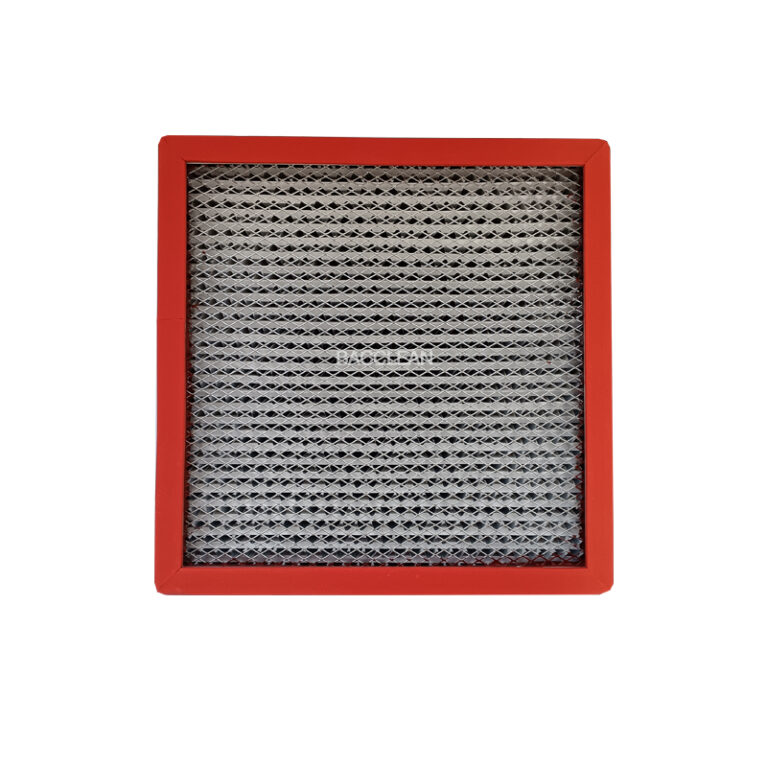
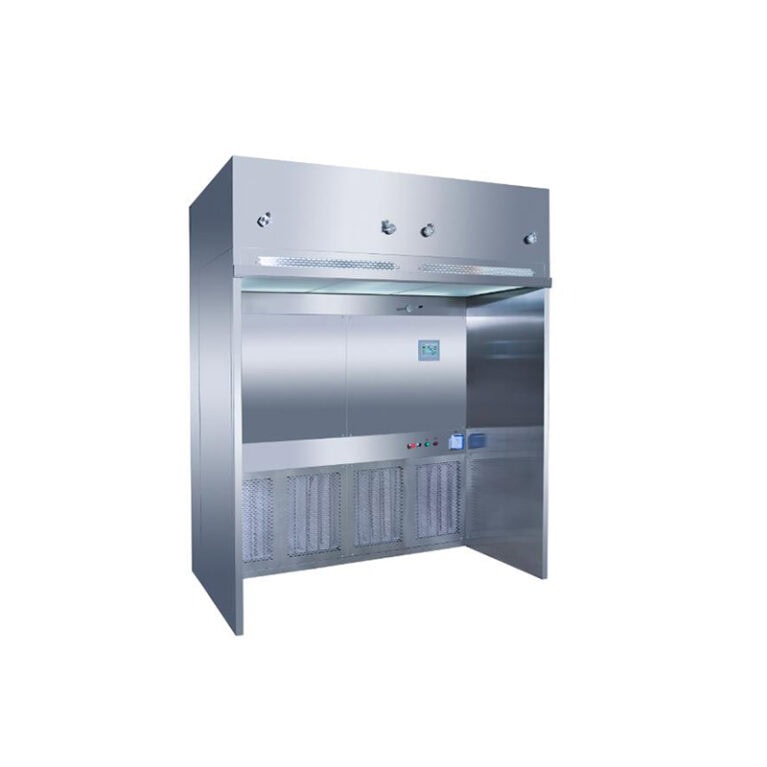
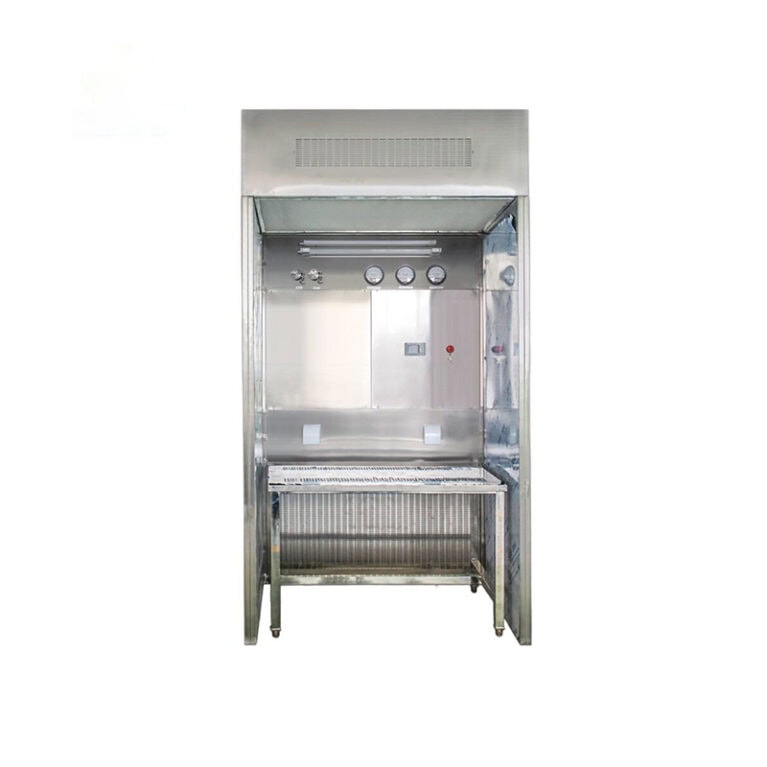
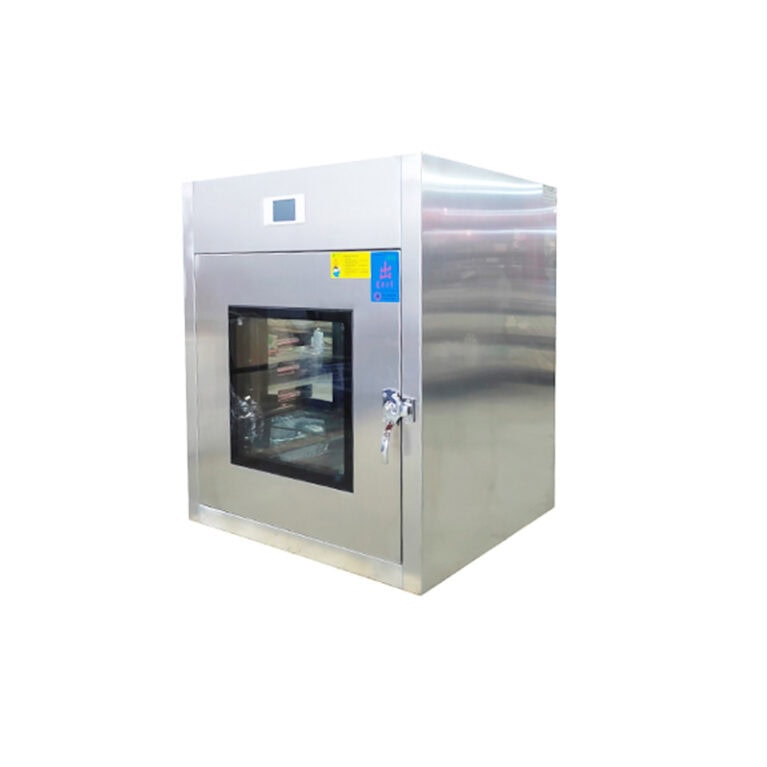
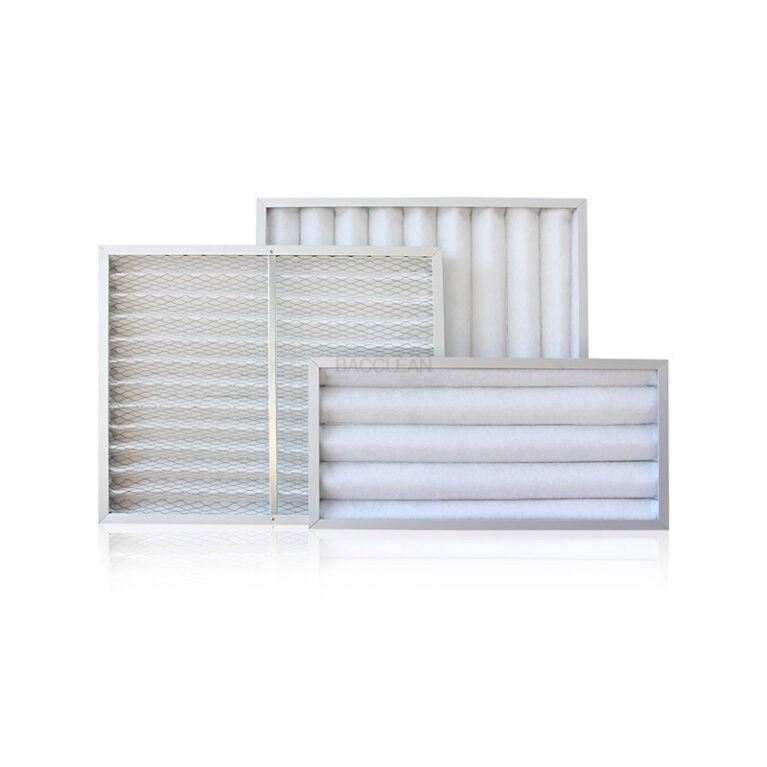
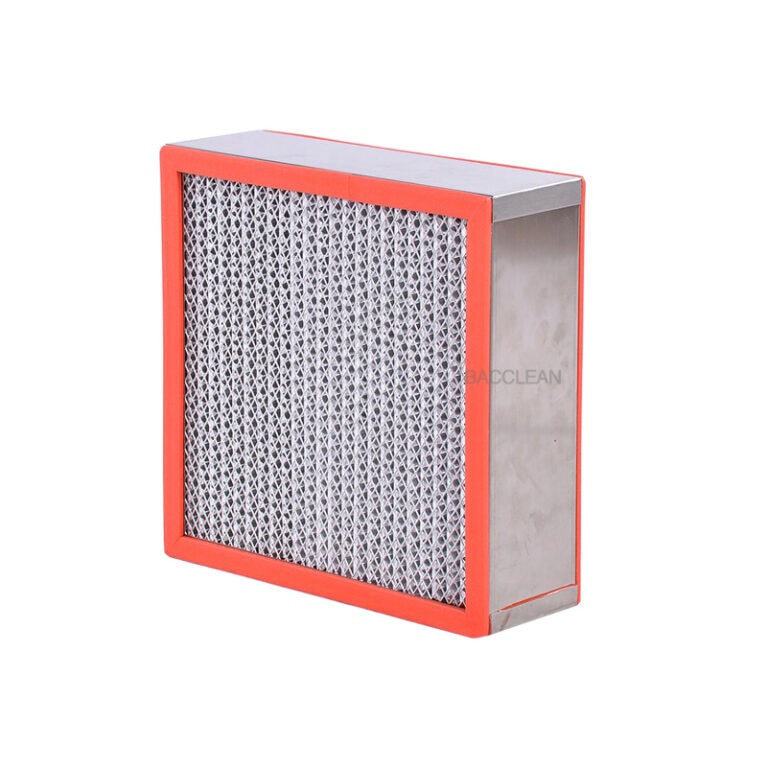
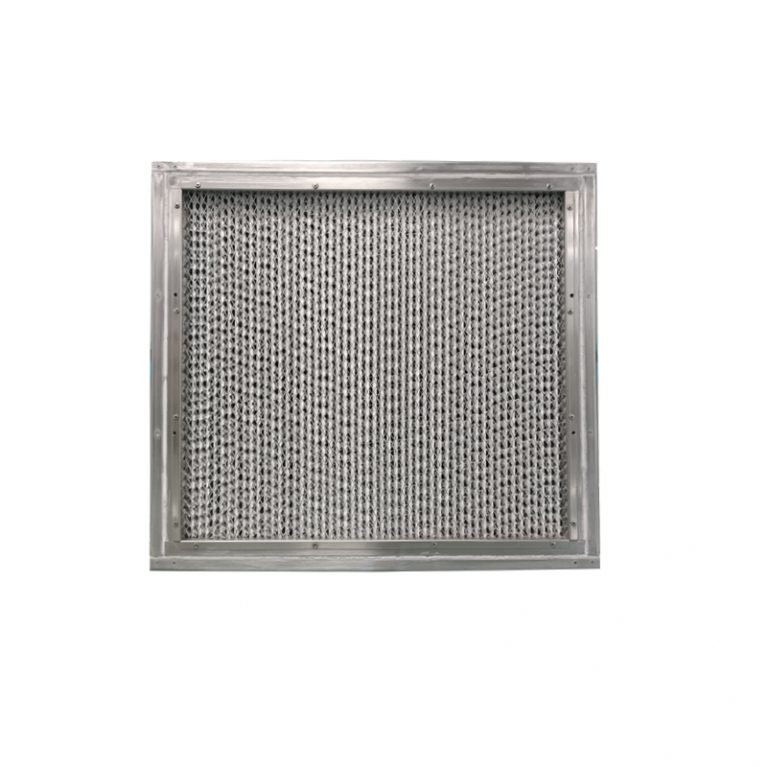
The main differences between paper partitions and aluminum partitions in air filters lie in their materials, performance, application scenarios and costs: Paper partitions have lower costs, large dust-holding capacity but are not resistant to moisture / high temperatures / corrosion; they are mostly used in ordinary clean environments; Aluminum partitions have higher strength, are resistant to moisture, heat and corrosion, and have a long lifespan; they are mostly used in harsh conditions and high-grade clean rooms.
I. Comparison of Core Materials and Structures
| Comparison item | Paper partition filter | Aluminum partition filter |
| Separator material | Cellophane / Corrugated Paper (treated with waterproof / flame-retardant properties) | Aluminum alloy sheet (0.1 – 0.3mm, corrugated / flanged formed) |
| Filter material | High-efficiency / Ultra-high-efficiency filter materials (such as glass fibers) | The same as the paper partition, the filter material specifications are the same. |
| Framework | Galvanized sheet, aluminum alloy, plastic frame | Galvanized sheet, stainless steel, aluminum alloy frame |
| Sealing method | Hot melt adhesive, sealing tape | Sealing strips, mechanical seals |
II. Key Performance Differences
1. Mechanical Strength and Stability
Paper partition: Light in weight, average rigidity, prone to deformation and damage, especially under high wind speed, vibration or transportation; the spacing between partitions is prone to being uneven, affecting the airflow distribution.
Aluminum partition: High strength and good rigidity, resistant to compression, vibration and impact, stable partition spacing, uniform airflow, less prone to deformation.
2. Environmental Resistance (Core Difference)
Paper partition: Not resistant to moisture, high temperature, or corrosion.
When humidity ≥ 80%, it easily absorbs moisture and softens, collapses;
When temperature > 60℃, it easily deforms, detaches;
It is easily corroded by acids, alkalis, and chemical gases.
Aluminum partition: Resistant to moisture, heat, and corrosion.
It can be used for long-term operation in ** high humidity (100% RH), high temperature (≤120℃)** environments;
It is resistant to acids, alkalis, and chemical corrosion, suitable for strict scenarios such as pharmaceuticals, chemicals, and electronics.
3. Dust Capacity and Service Life
Paper partition: Thin partitions, larger effective filtration area, higher dust capacity, lower initial resistance; but short lifespan (generally 6-12 months), prone to clogging and damage.
Aluminum partition: Thicker partitions, slightly smaller filtration area, slightly lower dust capacity; but durable structure, less prone to clogging, longer lifespan (1-3 years, depending on operating conditions).
4. Resistance and Airflow
Under the same specification and efficiency, the initial resistance of paper partition is slightly lower, and the airflow is slightly larger; but as dust accumulates, the resistance rises faster.
Aluminum partition has stable resistance, small fluctuations in long-term operation, and more balanced airflow.
5. Other Characteristics
Paper partition: Can be incinerated for disposal, good environmental performance; but not washable or reusable.
Aluminum partition: Not incinerable, recyclable; some can be washed and recycled (for lower grades and non-critical scenarios).
III. Applicable Scenarios (Choose as needed)
Paper partition filter (Economical, General Environment)
General cleanroom (such as general workshops in electronics factories, food packaging);
Medium-efficiency filtration for central air conditioning and ventilation systems;
Scenarios with limited budget, dry environment, no corrosion, no high temperature;
Non-critical areas with low replacement frequency.
Aluminum partition filter (Strict Conditions, High Cleanliness)
High humidity/high temperature environments (such as sterilization areas in pharmaceutical factories, cooking workshops in food factories, hospital operating rooms);
High cleanliness scenarios (such as hundreds or thousands of grade cleanrooms, semiconductors, biomedicine, laboratories);
Corrosive/chemical pollution environments (such as chemical plants, electroplating, laboratory exhaust);
High vibration, equipment requiring long-term stable operation (such as precision instruments, aerospace);
Scenarios requiring long lifespan and low maintenance.
IV. Cost and Economicity
Paper partition: Low price (about 60%-80% of aluminum partition), low procurement cost; but frequent replacement, high long-term maintenance cost.
Aluminum partition: High price, high procurement cost; but long lifespan, less replacement, lower overall cost in the long term, especially in strict conditions.
V. Summary of Selection
Prioritize paper partition: Dry environment, normal temperature, no corrosion, limited budget, non-critical area.
Prioritize aluminum partition: High humidity/high temperature / corrosion, high cleanliness scenarios, high vibration, long-term stable operation required (such as precision instruments, aerospace);
requiring long lifespan and low maintenance.
