
Analysis of the Core Application Fields of DOP Laminar Flow Transfer Windows
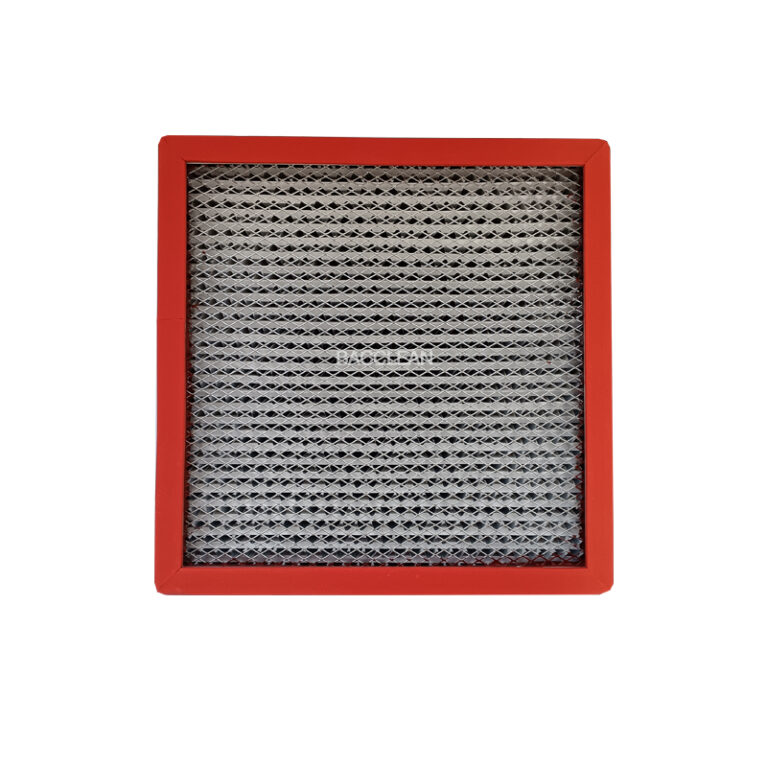
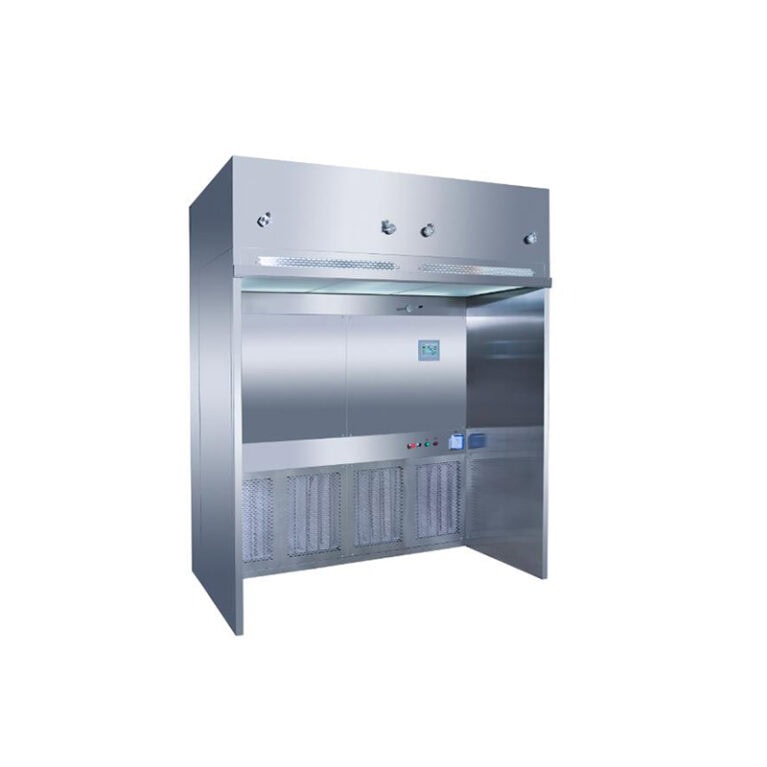
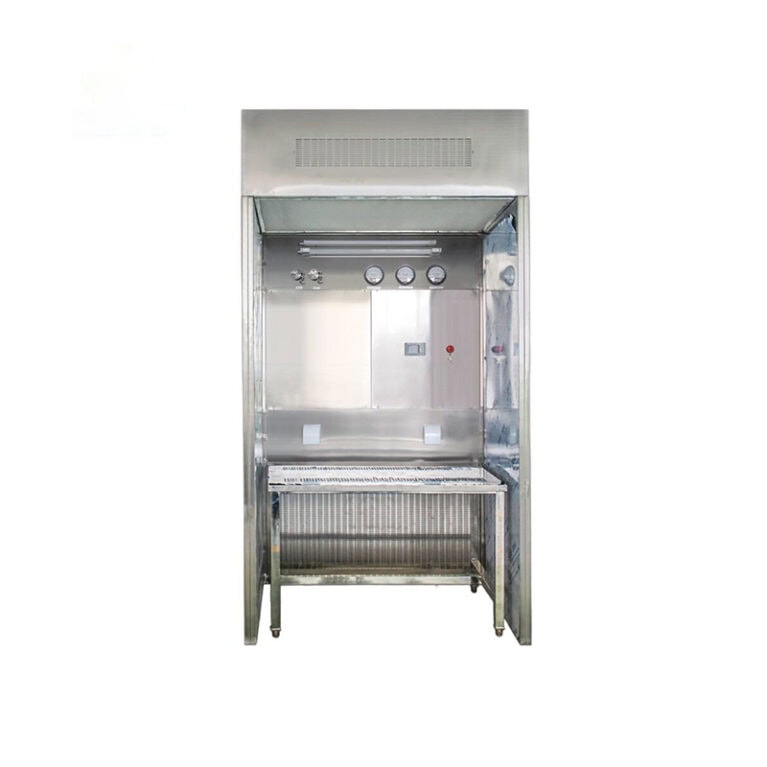
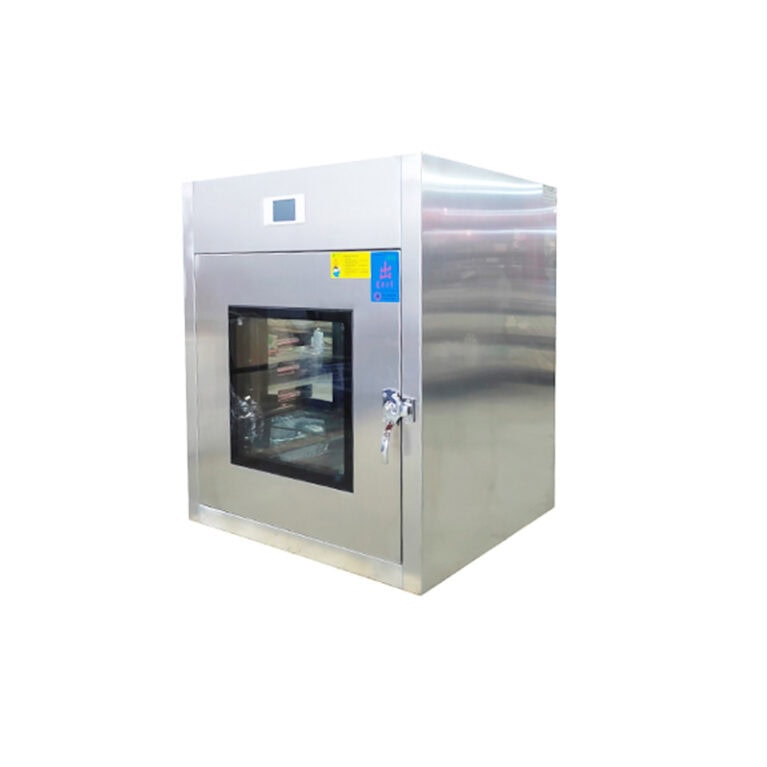
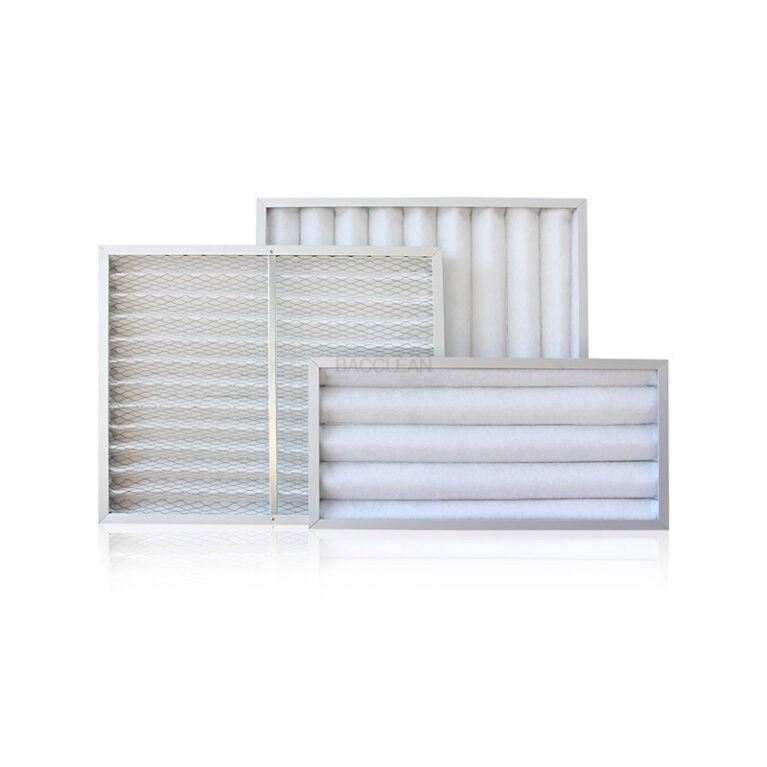
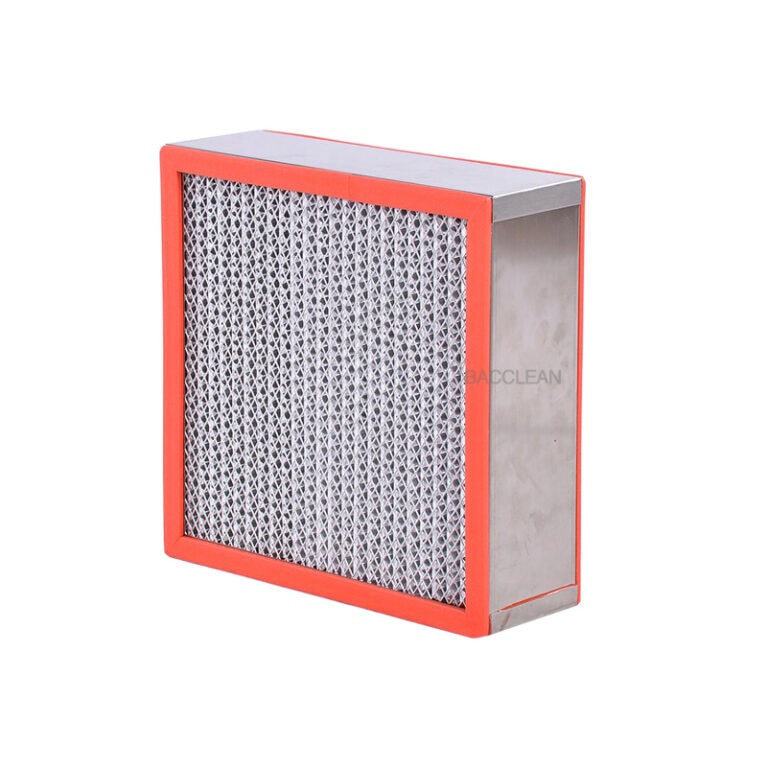
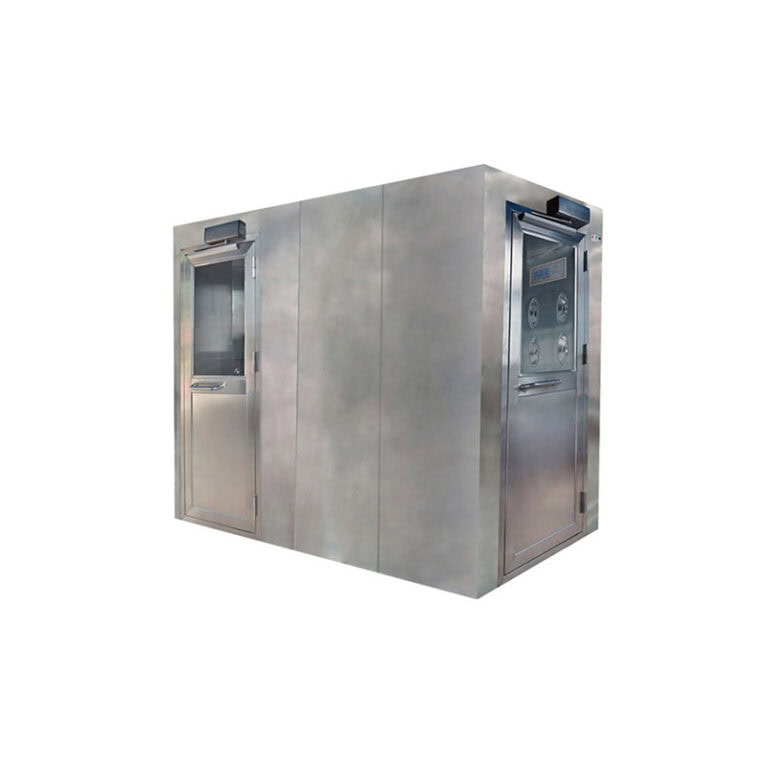
As a clean transfer device with dual core functions of high-efficiency filtration and DOP integrity detection, the DOP laminar flow transfer window is primarily used in industries with stringent requirements for air cleanliness and particle control, and that require compliance verification. The core value lies in solving the cross-contamination problem during the material transfer process between “clean areas and non-clean areas/areas of different cleanliness levels”, while meeting the verification requirements for the effectiveness of filtration systems in industry standards such as GMP and ISO. The following are its main application fields and scenario characteristics:
I. Pharmaceutical and Biopharmaceutical Industry (Core Application Areas)
Applicable scenarios
Pharmaceutical production workshops: raw material synthesis area, formulation filling area, sterile powder injection/water injection production area, traditional Chinese medicine extraction and purification workshop, etc., are used for the transfer of raw materials, excipients, semi-finished products, packaging materials (such as vials, rubber stoppers), and production tools (such as samplers, moulds).
Biosafety laboratory: BLS-2/3 level laboratory, biological sample processing area, transfer cell culture dishes, reagents, sample tubes, and laboratory consumables to prevent the spread of bioaerosols.
Medical device production: Sterile medical device (such as syringes and implantable devices) assembly workshop, where components and sterile packaging materials are transferred to ensure the sterility of the products.
Core demand matching
In compliance with the GMP’s mandatory requirement of “avoiding cross-contamination during material transfer”, the DOP detection function can verify the filtration efficiency of high-efficiency filters (HEPA/ULPA) (≥99.97%@0.3μm), meeting audit compliance.
Laminar flow supply air forms a clean air flow barrier, preventing dust and microorganisms from non-clean areas from entering the clean area and ensuring the stability of the quality of drugs/devices.
II. Food and Health Products Industry (High Cleanliness Requirements Sub-sector)
Applicable scenarios
Sterile food production: Production workshops for infant formula food, health food (such as probiotic preparations, soft capsules), and ready-to-eat sterile food (such as canned food, vacuum-packed food), transfer raw materials (such as probiotic freeze-dried powder, vitamin raw materials), inner packaging materials, and production tools.
Food testing laboratory: It is used for transferring test samples, reagents and Petri dishes to prevent sample contamination from causing distorted test results.
Core demand matching
It meets the requirements of GB 14881 “General Hygienic Specifications for Food Production” for material transfer in clean areas. DOP verification ensures that the filtration system effectively intercepts dust, mould, bacteria and other contaminants.
Laminar flow design reduces the adhesion of contaminants on the surface of materials, ensuring the safety and shelf life of food and health products.
Iii. Electronics and Semiconductor Industry
Applicable scenarios
Semiconductor chip production: Wafer manufacturing, packaging and testing workshops (clean areas of Class 1-1000), transfer wafers, semi-finished chips, photoresists, masks, and precision electronic components.
High-end electronic manufacturing: production workshops for liquid crystal panels (LCD/OLED), micro-sensors, and precision circuit boards (PCB), as well as the transfer of sensitive electronic materials and precision moulds.
Core demand matching
Meeting the ISO 14644 cleanroom standard, the DOP laminar flow transfer window can effectively control ultrafine particles smaller than 0.1μm, preventing particle adhesion from causing short circuits and performance failures of electronic components.
Laminar flow supply air forms a stable airflow field, reducing the impact of airflow disturbance on precision materials and preventing cross-contamination of particles in areas of different cleanliness levels.
Iv. Medical and Laboratory Industry
Applicable scenarios
Hospital clean operating department: Transfer surgical instruments, sterile dressings, and implantable medical devices (such as artificial joints and stents) to prevent cross-infection between the operating room and external areas.
Medical laboratory: PCR laboratory, microbiology laboratory, pathological section laboratory, transfer test samples, reagents, and section specimens to ensure the accuracy of test results.
Research laboratories: Nanomaterial laboratories, bioengineering laboratories, and precision instrument laboratories in universities and research institutions, providing experimental samples, reagents, and precision instrument accessories.
Core demand matching
In compliance with hospital infection control standards (such as WS 310 “Technical Code for Clean Operating Rooms in Hospitals”), DOP verification ensures the interception efficiency of high-efficiency filters for bacteria and viruses, reducing the risk of infection.
The combination of laminar flow transfer and optional ultraviolet disinfection provides dual protection, addressing laboratories’ stringent requirements for sterility and prevention of cross-contamination.
V. Cosmetics and Fine Chemicals Industry
Applicable scenarios
High-end cosmetics production: aseptic production workshops for skin care products (such as essence, face cream) and makeup (such as lipstick, eyeshadow) (especially for cosmetics on sensitive areas like the eyes and lips), transfer of raw materials (such as active ingredients, aseptic fragrances), inner packaging materials, and production tools.
Fine chemical production: Workshops for high-purity chemical raw materials (such as catalysts and special solvents), where precision chemical materials are transferred to prevent impurities from mixing in and affecting product purity.
Core demand matching
Meeting the requirements of the “Good Manufacturing Practice for Cosmetics” for material transfer in clean areas, the DOP laminar flow transfer window can effectively intercept dust and microorganisms, ensuring the safety and stability of cosmetics.
In view of the characteristics of fine chemical materials (such as volatility and easy adsorption of impurities), laminar flow design reduces the contact between materials and contaminants, ensuring that the product purity meets the standards.
Vi. Aerospace and Nuclear Industry
Applicable scenarios
Aerospace components production: workshops for precision aero engine parts, spacecraft electronic equipment, and satellite components (with high cleanliness and precision requirements), transmitting precision components, welding materials, and inspection tools.
Nuclear industry laboratory: It is used for the transfer of nuclear material samples, testing reagents, and protective equipment to prevent the spread and cross-contamination of radioactive particles.
Core demand matching
To meet the extreme requirements of the aerospace industry for cleanliness (Class 100 and above) and particle control, the DOP laminar flow transfer window can effectively intercept ultrafine particles, ensuring the processing accuracy and reliability of precision components.
In response to the safety requirements of special industries, the transfer window can be equipped with customised functions such as explosion-proof and radiation-proof (optional), while DOP verification ensures the stability and safety of the filtration system.
Summary of core application logic
The core application of DOP laminar flow transfer Windows revolves around two key words: “high cleanliness requirements + compliance verification”. The core criteria for scenario selection are:
The material is sensitive to particles and microorganisms, and cross-contamination must be avoided.
The industry has clear cleanliness standards (such as GMP, ISO 14644, GB 14881), and requires the effectiveness verification of the filtration system (DOP testing is the core verification method).
As one of Bacclean’s core products, the DOP laminar flow transfer window combines the technologies of “high-efficiency filtration + DOP online/offline detection + stable laminar flow”. We can provide customised solutions based on the cleanliness levels of different industries (Class 1-10000) and material characteristics (such as sterility, precision, and volatility), and widely serve high-end manufacturing and research fields with strict requirements for clean transfer. It is key equipment for ensuring product quality and meeting compliance requirements.
As a clean transfer device with dual core functions of high-efficiency filtration and DOP integrity detection, the DOP laminar flow transfer window is primarily used in industries with stringent requirements for air cleanliness and particle control, and that require compliance verification. The core value lies in solving the cross-contamination problem during the material transfer process between “clean areas and non-clean areas/areas of different cleanliness levels”, while meeting the verification requirements for the effectiveness of filtration systems in industry standards such as GMP and ISO. The following are its main application fields and scenario characteristics:
I. Pharmaceutical and Biopharmaceutical Industry (Core Application Areas)
Applicable scenarios
Pharmaceutical production workshops: raw material synthesis area, formulation filling area, sterile powder injection/water injection production area, traditional Chinese medicine extraction and purification workshop, etc., are used for the transfer of raw materials, excipients, semi-finished products, packaging materials (such as vials, rubber stoppers), and production tools (such as samplers, moulds).
Biosafety laboratory: BLS-2/3 level laboratory, biological sample processing area, transfer cell culture dishes, reagents, sample tubes, and laboratory consumables to prevent the spread of bioaerosols.
Medical device production: Sterile medical device (such as syringes and implantable devices) assembly workshop, where components and sterile packaging materials are transferred to ensure the sterility of the products.
Core demand matching
In compliance with the GMP’s mandatory requirement of “avoiding cross-contamination during material transfer”, the DOP detection function can verify the filtration efficiency of high-efficiency filters (HEPA/ULPA) (≥99.97%@0.3μm), meeting audit compliance.
Laminar flow supply air forms a clean air flow barrier, preventing dust and microorganisms from non-clean areas from entering the clean area and ensuring the stability of the quality of drugs/devices.
II. Food and Health Products Industry (High Cleanliness Requirements Sub-sector)
Applicable scenarios
Sterile food production: Production workshops for infant formula food, health food (such as probiotic preparations, soft capsules), and ready-to-eat sterile food (such as canned food, vacuum-packed food), transfer raw materials (such as probiotic freeze-dried powder, vitamin raw materials), inner packaging materials, and production tools.
Food testing laboratory: It is used for transferring test samples, reagents and Petri dishes to prevent sample contamination from causing distorted test results.
Core demand matching
It meets the requirements of GB 14881 “General Hygienic Specifications for Food Production” for material transfer in clean areas. DOP verification ensures that the filtration system effectively intercepts dust, mould, bacteria and other contaminants.
Laminar flow design reduces the adhesion of contaminants on the surface of materials, ensuring the safety and shelf life of food and health products.
Iii. Electronics and Semiconductor Industry
Applicable scenarios
Semiconductor chip production: Wafer manufacturing, packaging and testing workshops (clean areas of Class 1-1000), transfer wafers, semi-finished chips, photoresists, masks, and precision electronic components.
High-end electronic manufacturing: production workshops for liquid crystal panels (LCD/OLED), micro-sensors, and precision circuit boards (PCB), as well as the transfer of sensitive electronic materials and precision moulds.
Core demand matching
Meeting the ISO 14644 cleanroom standard, the DOP laminar flow transfer window can effectively control ultrafine particles smaller than 0.1μm, preventing particle adhesion from causing short circuits and performance failures of electronic components.
Laminar flow supply air forms a stable airflow field, reducing the impact of airflow disturbance on precision materials and preventing cross-contamination of particles in areas of different cleanliness levels.
Iv. Medical and Laboratory Industry
Applicable scenarios
Hospital clean operating department: Transfer surgical instruments, sterile dressings, and implantable medical devices (such as artificial joints and stents) to prevent cross-infection between the operating room and external areas.
Medical laboratory: PCR laboratory, microbiology laboratory, pathological section laboratory, transfer test samples, reagents, and section specimens to ensure the accuracy of test results.
Research laboratories: Nanomaterial laboratories, bioengineering laboratories, and precision instrument laboratories in universities and research institutions, providing experimental samples, reagents, and precision instrument accessories.
Core demand matching
In compliance with hospital infection control standards (such as WS 310 “Technical Code for Clean Operating Rooms in Hospitals”), DOP verification ensures the interception efficiency of high-efficiency filters for bacteria and viruses, reducing the risk of infection.
The combination of laminar flow transfer and optional ultraviolet disinfection provides dual protection, addressing laboratories’ stringent requirements for sterility and prevention of cross-contamination.
V. Cosmetics and Fine Chemicals Industry
Applicable scenarios
High-end cosmetics production: aseptic production workshops for skin care products (such as essence, face cream) and makeup (such as lipstick, eyeshadow) (especially for cosmetics on sensitive areas like the eyes and lips), transfer of raw materials (such as active ingredients, aseptic fragrances), inner packaging materials, and production tools.
Fine chemical production: Workshops for high-purity chemical raw materials (such as catalysts and special solvents), where precision chemical materials are transferred to prevent impurities from mixing in and affecting product purity.
Core demand matching
Meeting the requirements of the “Good Manufacturing Practice for Cosmetics” for material transfer in clean areas, the DOP laminar flow transfer window can effectively intercept dust and microorganisms, ensuring the safety and stability of cosmetics.
In view of the characteristics of fine chemical materials (such as volatility and easy adsorption of impurities), laminar flow design reduces the contact between materials and contaminants, ensuring that the product purity meets the standards.
Vi. Aerospace and Nuclear Industry
Applicable scenarios
Aerospace components production: workshops for precision aero engine parts, spacecraft electronic equipment, and satellite components (with high cleanliness and precision requirements), transmitting precision components, welding materials, and inspection tools.
Nuclear industry laboratory: It is used for the transfer of nuclear material samples, testing reagents, and protective equipment to prevent the spread and cross-contamination of radioactive particles.
Core demand matching
To meet the extreme requirements of the aerospace industry for cleanliness (Class 100 and above) and particle control, the DOP laminar flow transfer window can effectively intercept ultrafine particles, ensuring the processing accuracy and reliability of precision components.
In response to the safety requirements of special industries, the transfer window can be equipped with customised functions such as explosion-proof and radiation-proof (optional), while DOP verification ensures the stability and safety of the filtration system.
Summary of core application logic
The core application of DOP laminar flow transfer Windows revolves around two key words: “high cleanliness requirements + compliance verification”. The core criteria for scenario selection are:
The material is sensitive to particles and microorganisms, and cross-contamination must be avoided.
The industry has clear cleanliness standards (such as GMP, ISO 14644, GB 14881), and requires the effectiveness verification of the filtration system (DOP testing is the core verification method).
As one of Bacclean’s core products, the DOP laminar flow transfer window combines the technologies of “high-efficiency filtration + DOP online/offline detection + stable laminar flow”. We can provide customised solutions based on the cleanliness levels of different industries (Class 1-10000) and material characteristics (such as sterility, precision, and volatility), and widely serve high-end manufacturing and research fields with strict requirements for clean transfer. It is key equipment for ensuring product quality and meeting compliance requirements.
