
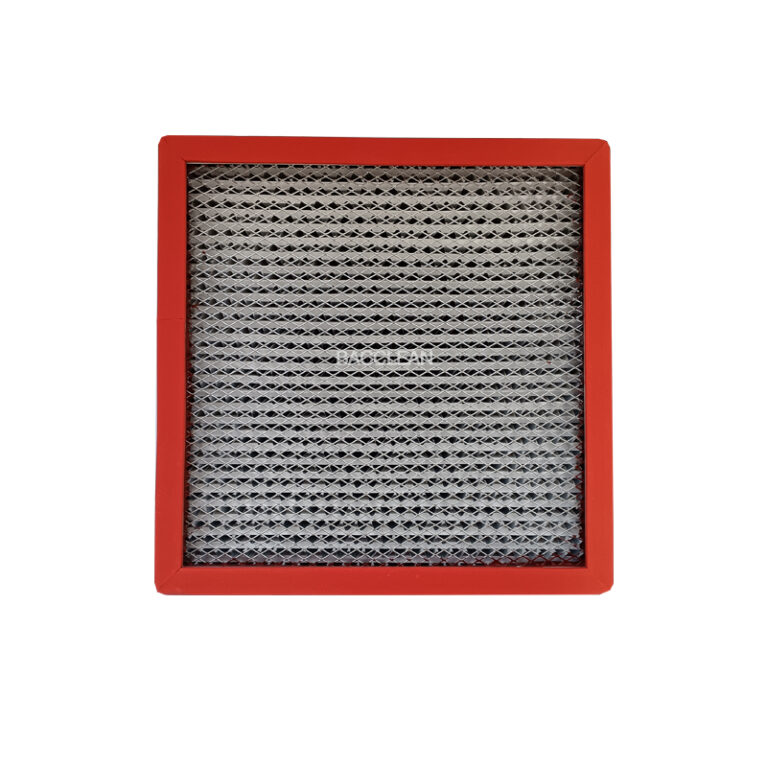
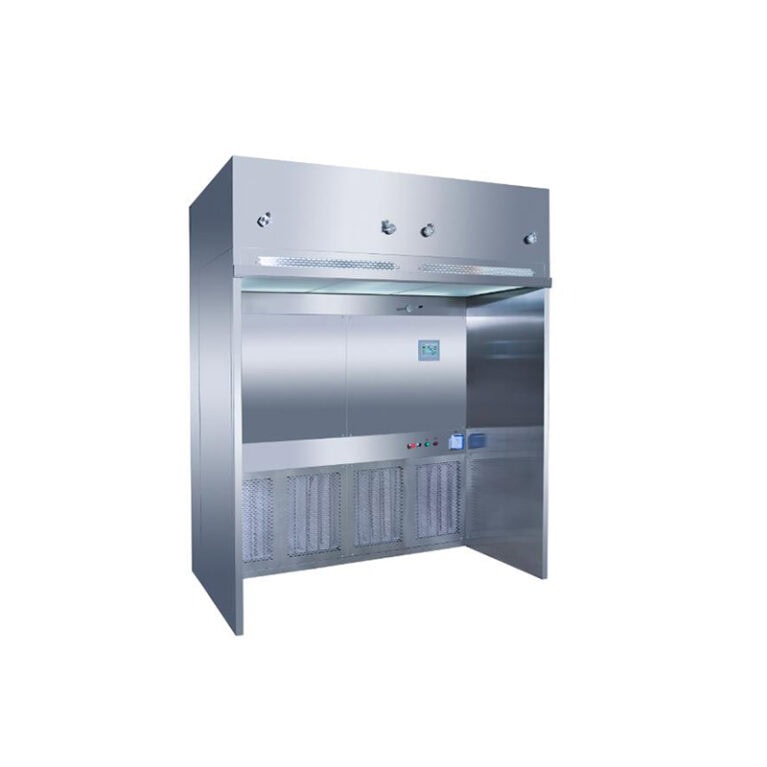
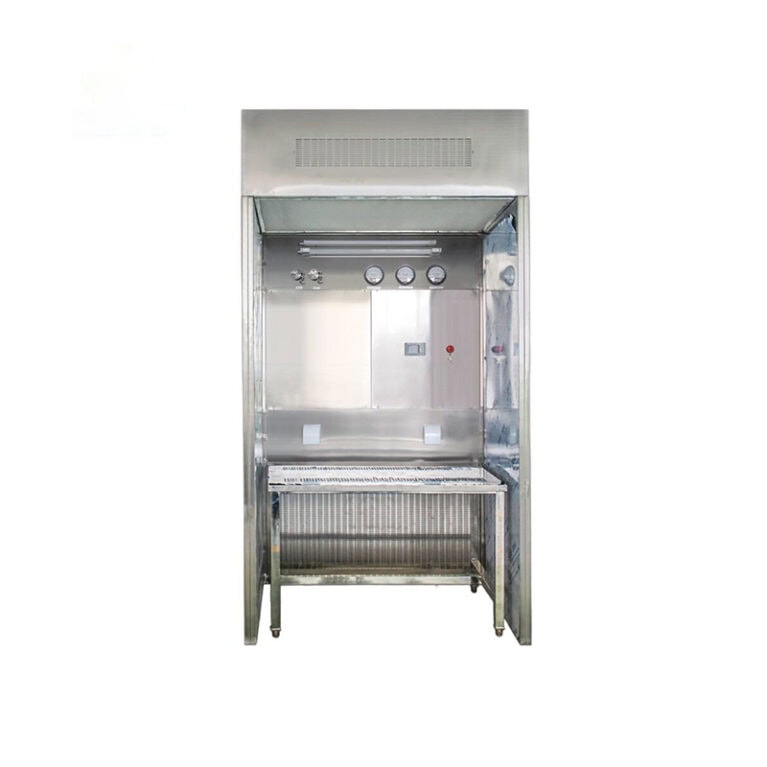
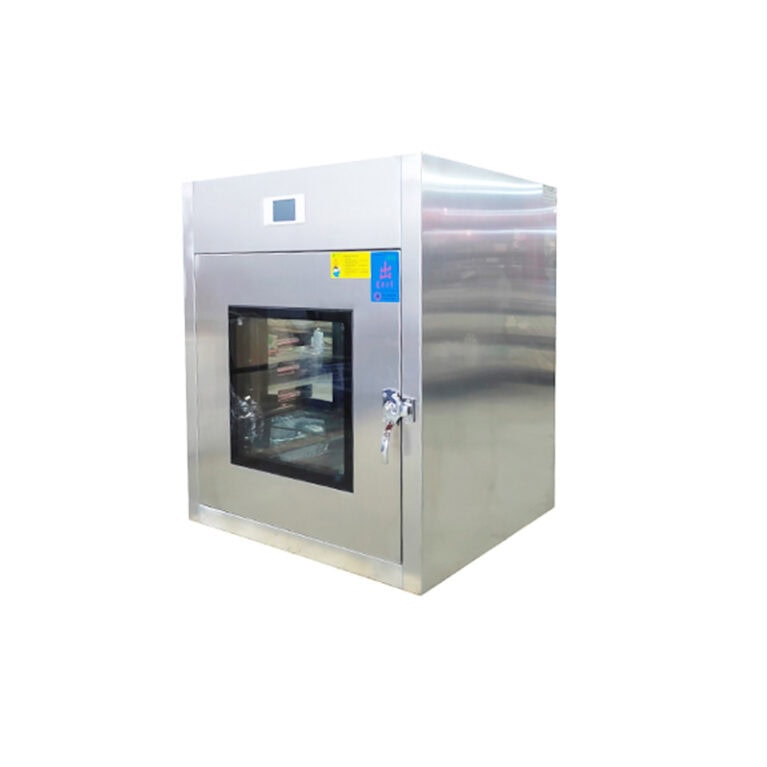
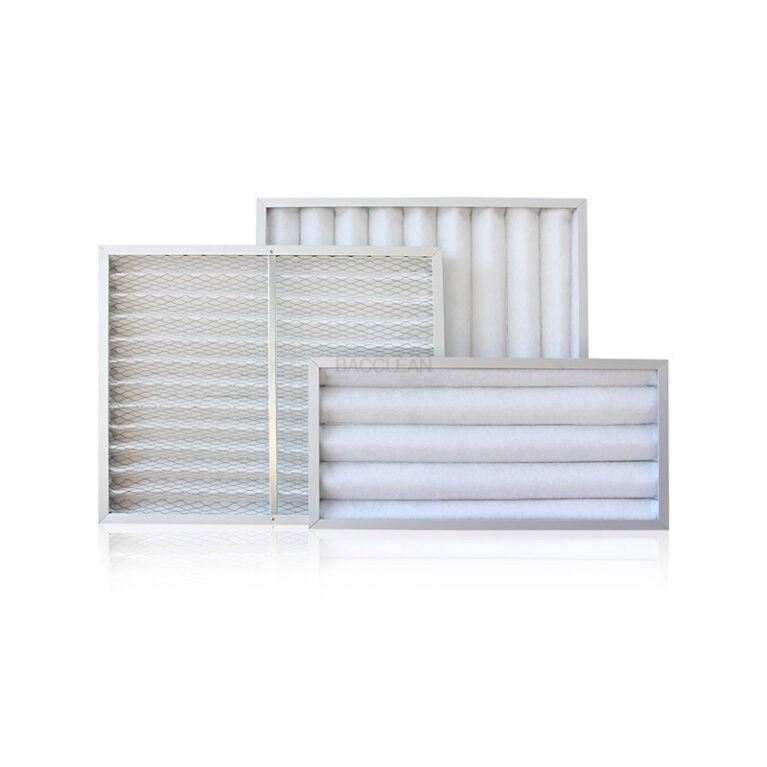
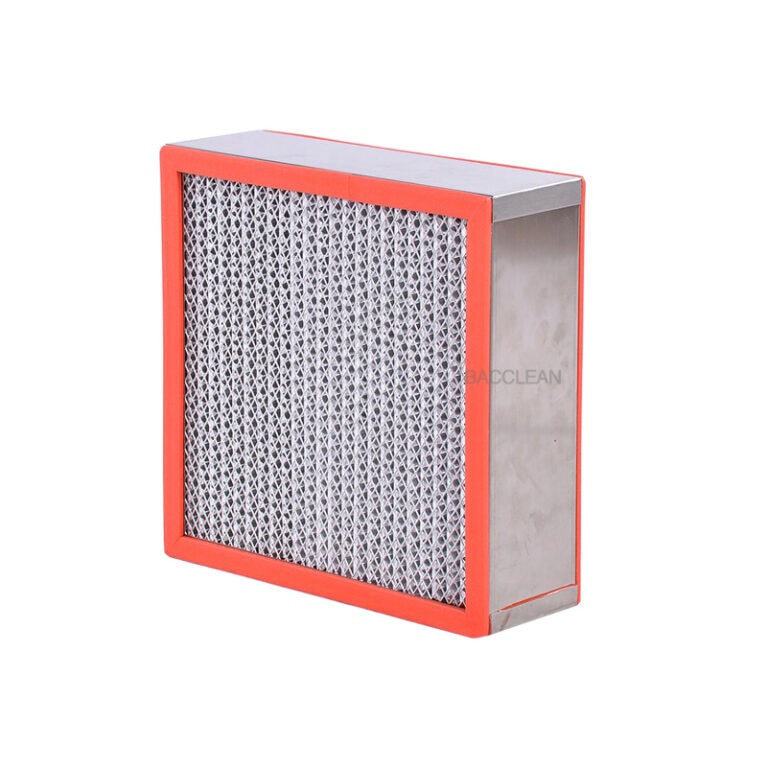
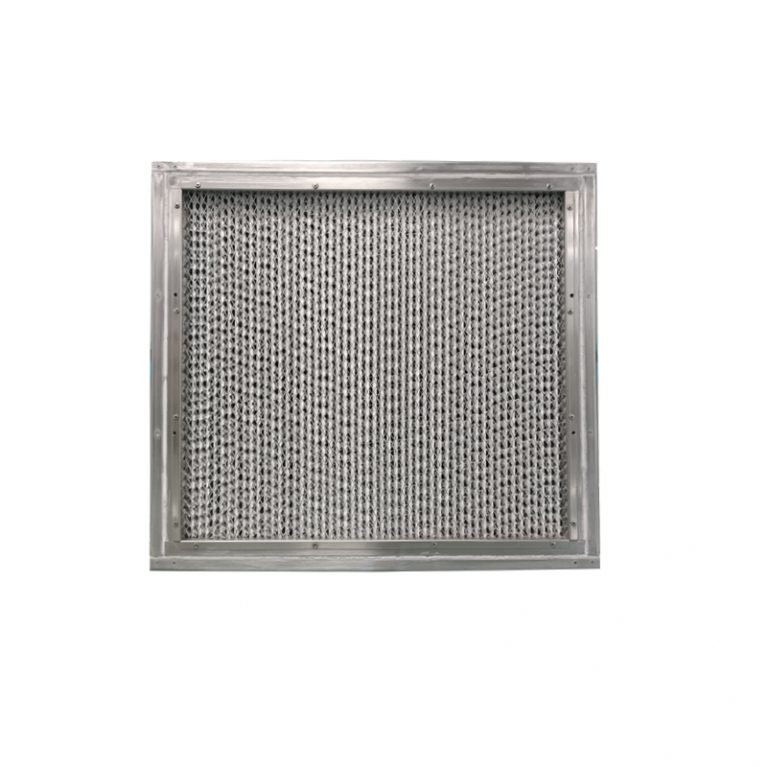
The leak-proof air supply ceiling is an upgraded and optimized version of the laminar air supply ceiling. The core difference lies in the decoupled design of the filtration and leak prevention mechanism, as well as the resulting advantages in installation, maintenance, airflow, and cost.
1. Core Principle and Structural Differences
1. Traditional laminar air supply ceiling (conventional / ordinary type)
Structure: The high-efficiency filter (HEPA) is directly installed at the end of the air supply (at the bottom), and below is the diffuser plate / mesh plate.
Principle: Air → Static pressure box → End high-efficiency filter → Diffuser plate → Inside the room.
Leak prevention logic: Relying on the absolute sealing of the end filter. Once the frame or filter core leaks, the contaminated air directly enters the clean area, without secondary protection.
Air flow coverage rate: Approximately ≤ 70%, prone to dead corners.
2. Leak-proof air supply ceiling (DSC)
Structure: Based on the leak-proof layer theory, the high-efficiency filter is moved to the upper part of the static pressure box (not at the end), and an additional sub-high-efficiency leak-proof layer (damping layer) is added at the end.
Principle: Air → Static pressure box → Pre-high-efficiency filter → Mixed and evenly distributed → End leak-proof layer → Inside the room.
Leak prevention logic:
The pre-HEPA is responsible for the main filtration, using zero-pressure sealing technology.
The end leak-proof layer (sub-high-efficiency) undertakes the triple functions of secondary filtration + uniform distribution + leak prevention.
Even if the pre-HEPA has a slight leakage, the leaked particles will be intercepted by the end leak-proof layer, reducing the contamination impact to 1/475 of the traditional level.
Air flow coverage rate: ≥ 90%–95%, the airflow is more uniform and more resistant to interference.
2. Key Performance and Application Comparison Table
| Comparison dimension | Traditional laminar air supply ceiling | Leak-proof air supply ceiling |
| Filter position | The end (the bottom) | Front section (upper part of the static pressure box) + End sealing layer |
| Leak-proofing capability | Depend on the end seal. Any leakage will lead to contamination. | Dual protection, with minimal impact of leakage |
| Air flow distribution rate | ≤ 70% | ≥90% |
| Equipment height | High (≥ 500mm), requiring a high floor height | Thin (about 350mm), suitable for low-rise height scenarios |
| Installation method | On-site assembly is challenging and the quality is difficult to control. | Factory prefabrication, on-site assembly, stable quality |
| Maintaining convenience | It is necessary to enter the clean area to replace the filter. It is prone to contamination. | Replacement on the exterior side will not affect the cleanliness of the interior environment. |
| Appearance | Multiple mesh plates are joined together, with screws protruding. | Overall leak-proof layer, with hidden connecting parts, and aesthetically pleasing. |
| Applicable scenarios | Construct a new high-standard clean room with no limit on floor height | Operating room (I/II/III grades), renovation project, projects with height restrictions |
| Total cost | High installation and maintenance costs | Fast installation, easy maintenance, and more economical in the long run |
III. Summary of Core Advantages
Higher safety: Dual filtration + leak-proof design, completely eliminating the risk of end-point leakage and ensuring more reliable cleanliness.
More flexible installation: Thinner thickness, factory prefabrication, suitable for renovations and low-rise high-rise buildings.
Easier maintenance: Outdoor side filter replacement without disrupting the sterile state of the clean area.
More uniform airflow: Higher coverage rate, effectively expanding the effective area of unidirectional flow.
Better economic efficiency: Lower installation and leak detection requirements, resulting in lower long-term operation and maintenance costs.
