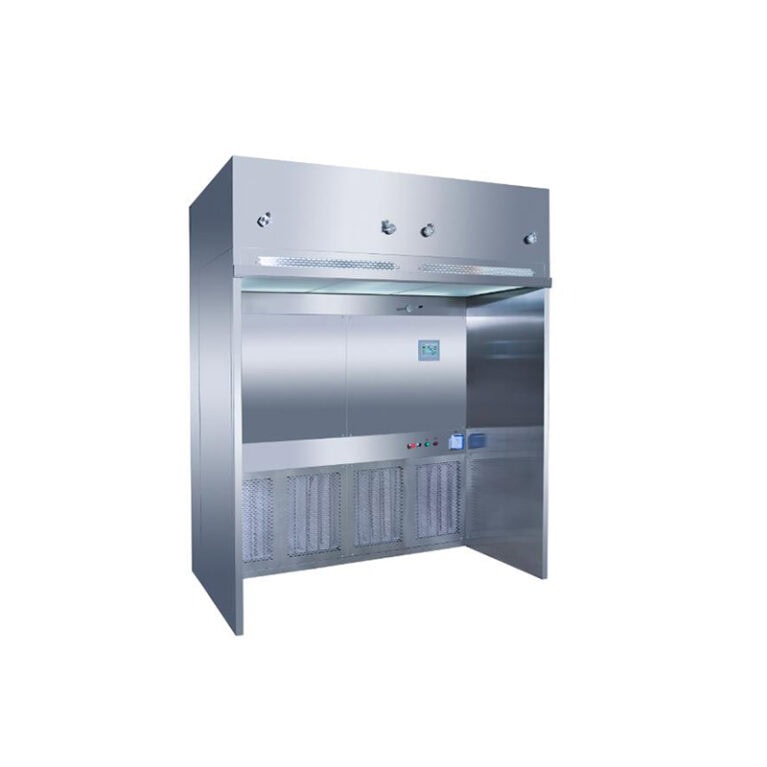
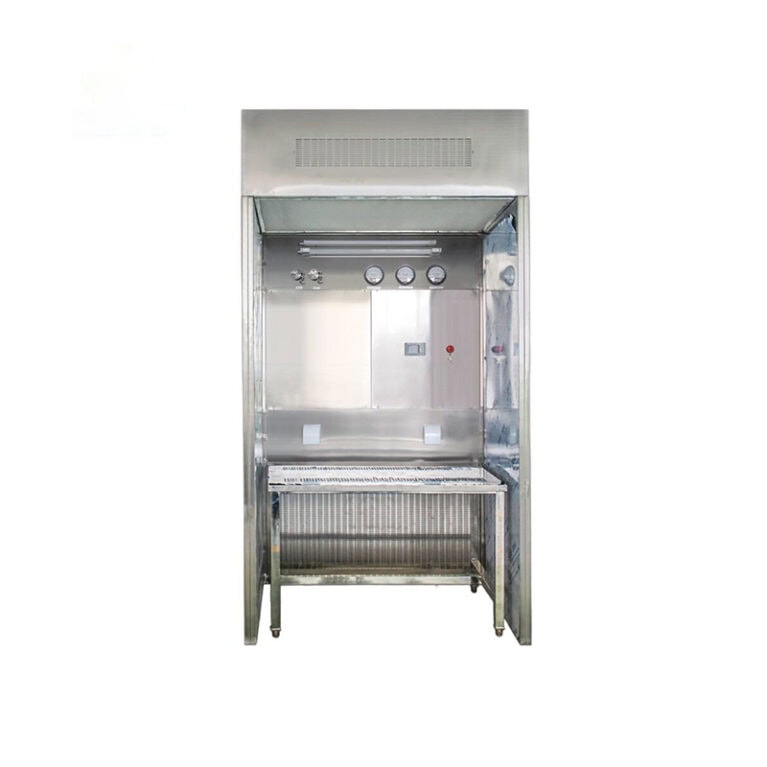
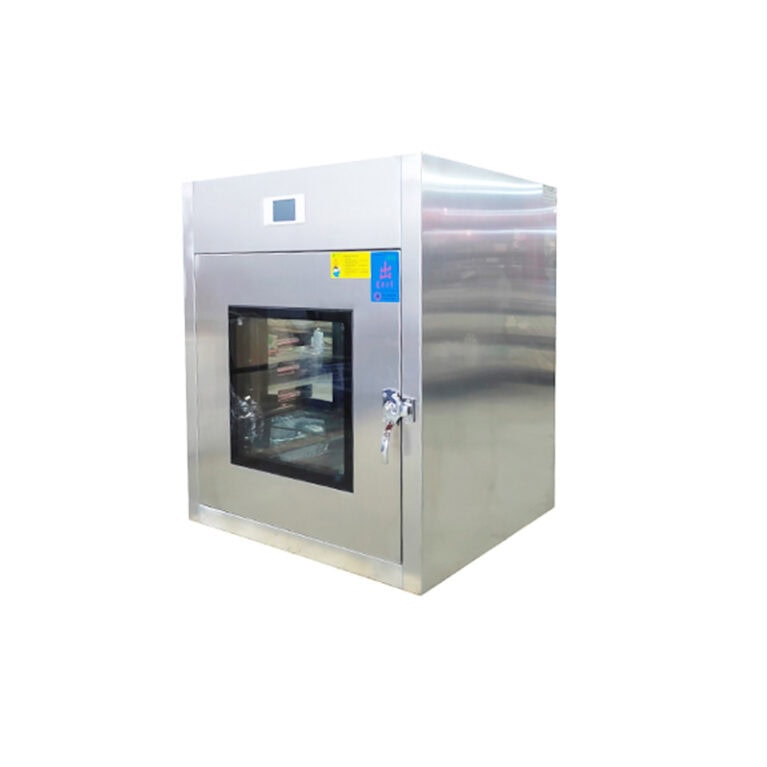
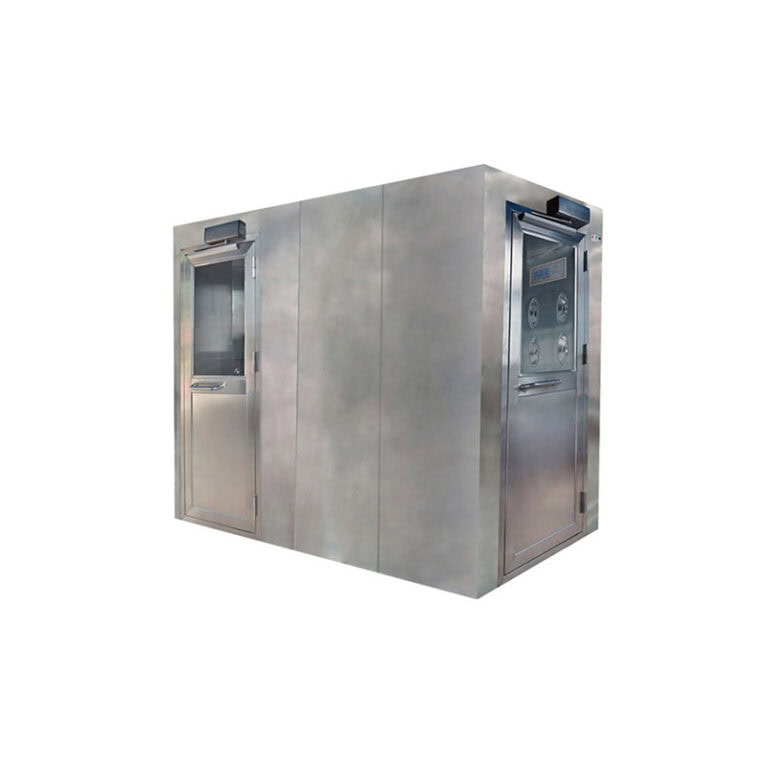
A clean bench is a basic equipment that provides a localized sterile and dust-free clean environment. Through the use of a fan to filter the air through an efficient filter, a unidirectional airflow is formed, isolating external contaminants and being widely used in various industries with high requirements for environmental cleanliness. The core of daily maintenance lies in ensuring the cleanliness effect and prolonging the equipment’s service life.
1. Core application fields
Biomedical and life science field
This is the main application scenario of the clean bench, used for sterile operation-related experiments and production. For example, cell culture, bacterial inoculation and purification, genetic engineering experiments, sterile formulation assembly, vaccine preparation, etc., it can effectively prevent samples from being contaminated by microorganisms and protect operators from harmful bacterial strains.
Microbial detection and food industry
In the sterile detection laboratories of food enterprises, it can be used for the isolation and cultivation of total bacterial count and pathogenic bacteria in food; it is also suitable for the preparation of probiotic preparations and sterile food ingredients, ensuring that the microbial indicators of the products meet the standards.
Electronic and semiconductor industry
It is used for the assembly, inspection and maintenance of precision electronic components (such as chips, sensors, circuit boards), avoiding damage to components caused by dust and static electricity, and improving the stability and yield of products.
New materials and laboratory research
In the preparation and processing of nanomaterials, special coatings, optical materials, etc., operations need to be carried out in a dust-free environment to prevent impurities from mixing and affecting the material performance; it is also applicable to the physical and chemical experiments and sample pre-treatment requirements of universities and research institutes.
Cosmetics and personal care industry
For the research and small sample preparation of high-end cosmetics (such as sterile essences, medical skin care products), it ensures that the products are not contaminated during production and complies with the requirements of cosmetic safety standards.
2. Daily maintenance and care guidelines
Daily maintenance should follow the principle of “regular cleaning, monitoring operating status, and timely replacement of core components”. The specific operations are as follows:
Daily cleaning management
Pre-use and post-use cleaning: Before and after each use, wipe the workbench surface, inner walls, and air outlet grilles with 75% ethanol or chlorine-containing disinfectant for 10 – 15 minutes, then ventilate; avoid using strong acid and strong alkali disinfectants to prevent corrosion of the equipment.
Avoid accumulation of contamination: Do not place items unrelated to the operation on the workbench, and promptly clean the waste generated during operation (such as culture medium bottles, cotton swabs); do not perform operations with large amounts of dust and volatile gases on the workbench.
External cleaning: Clean the equipment shell with a damp cloth every week to keep the surface free of dust and stains.
Operating status monitoring
Self-cleaning upon startup: Before each use, turn on the fan 20 – 30 minutes in advance to allow the equipment to complete the self-cleaning process, and then operate when the cleanliness is达标; it is strictly prohibited to operate immediately after starting the machine.
Observation of operating parameters: During daily operation, pay attention to the noise and wind speed of the fan. If the noise increases abnormally or the wind speed significantly decreases, it may be due to filter blockage or fan failure, and it is necessary to promptly investigate.
Avoid frequent start-stop: For short periods (1 – 2 hours) of re-use, the fan can be kept running at a low speed to reduce equipment wear.
Maintenance and replacement of core components (filters)
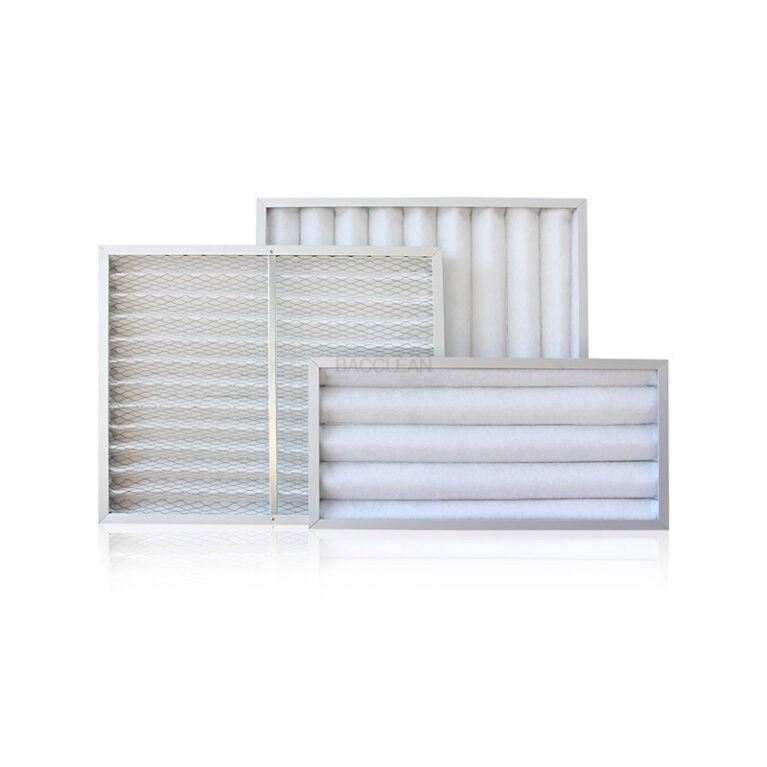
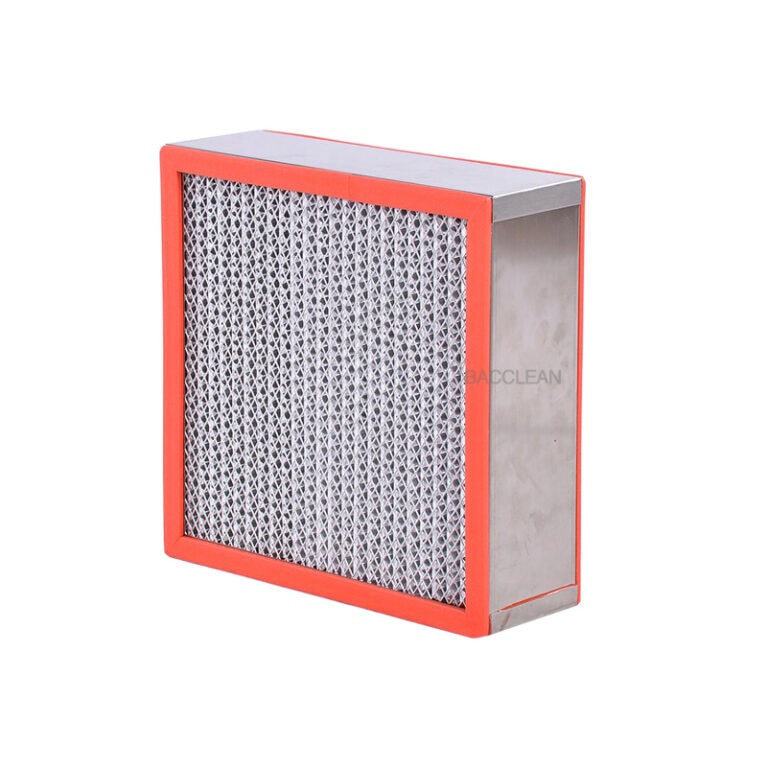
The cleanliness effect of the clean bench depends on the primary filter and the high-efficiency filter. The maintenance focus is as follows:
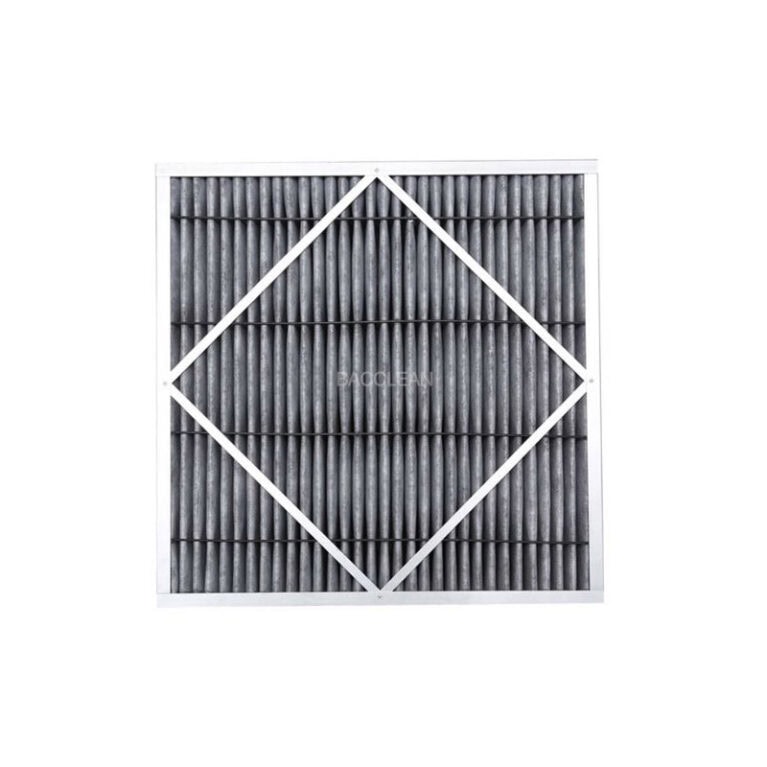
Primary filter (pre-filter)
Function: Filter out large particles of dust in the air to protect the subsequent high-efficiency filter.
Maintenance frequency: Remove and clean once every 1 – 2 months. Wash with clean water and dry after, if the filter material is damaged or the resistance after cleaning is still high, it is necessary to replace immediately.
Replacement judgment criteria: The resistance increases to 1.5 times the initial resistance, or the surface dust is obvious and does not improve after cleaning.
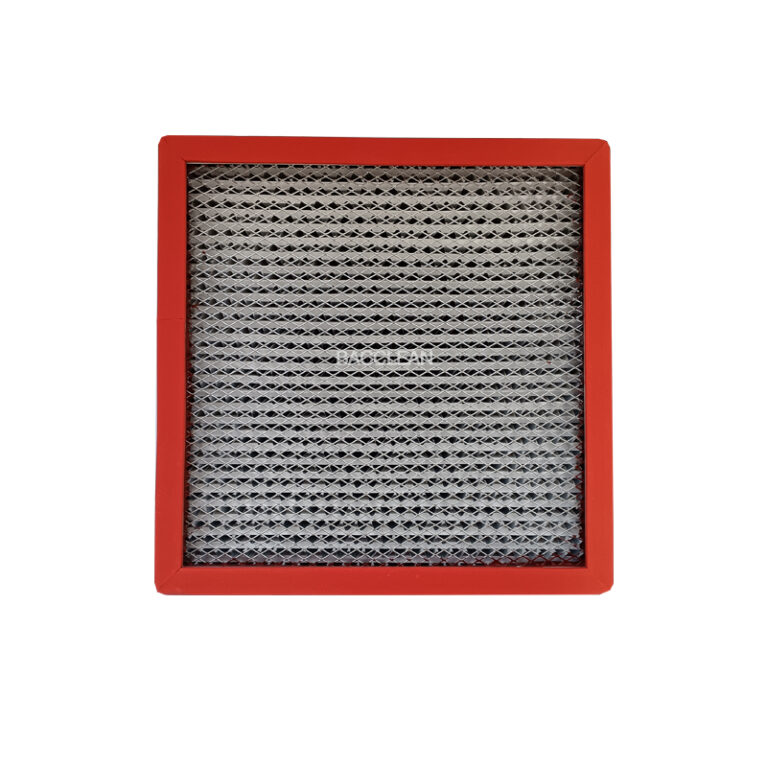
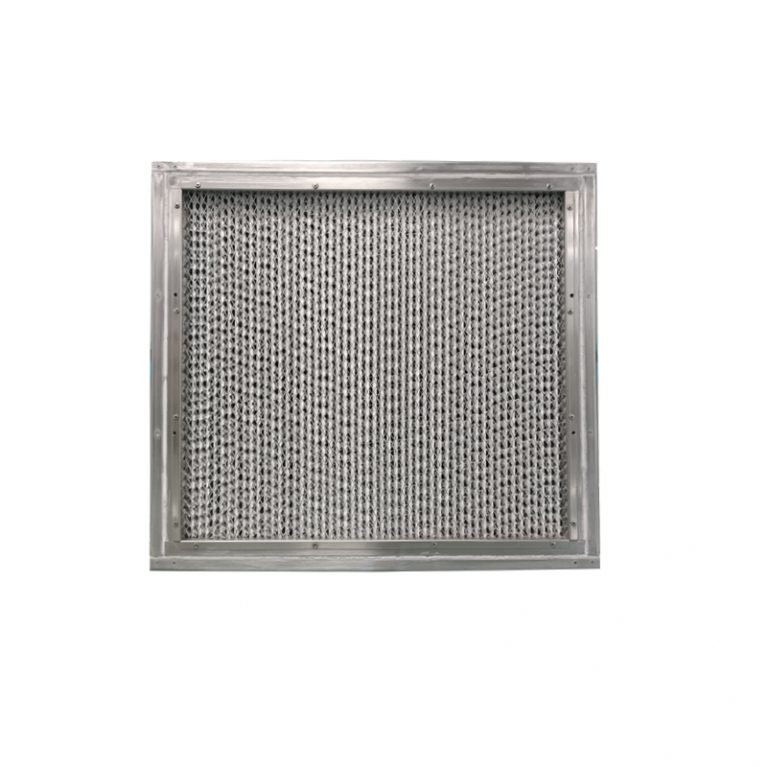
High-efficiency filter (core filter) Function: Filters particles larger than 0.3 μm, with a filtration efficiency of over 99.99%. It is crucial for maintaining cleanliness.
Replacement criteria: ① Resistance reaches the final resistance value indicated by the equipment (usually 200 – 300 Pa); ② After professional testing, the cleanliness of the workbench does not meet the standards (such as excessive dust particle count); ③ The filter is damaged or has air leakage; ④ Under normal use conditions, the service life of the high-efficiency filter is generally 1 – 2 years, depending on the usage frequency and environmental cleanliness.
Note: When replacing the high-efficiency filter, strictly follow aseptic operation. After replacement, retest the cleanliness. It can be put into use only when it meets the standards.
Regular calibration and testing
Every 6 – 12 months, entrust a professional third-party institution to test the cleanliness, average wind speed, and the number of settled bacteria / airborne bacteria of the workbench to ensure compliance with ISO 14644 or relevant national standards.
Every year, inspect the electrical system of the equipment (such as the fan motor, control panel) to prevent circuit aging from causing faults.
Preventive measures for faults
The ultraviolet lamp on the workbench is only used for disinfection when no one is present. It is strictly prohibited for personnel to stay nearby when it is turned on to avoid skin and eye burns from ultraviolet rays; The lifespan of the ultraviolet lamp is approximately 8,000 hours. Replace it promptly when it reaches the lifespan.
Maintain a dry and ventilated environment for the equipment placement to avoid electrical components getting damp and filters getting moldy due to humid conditions.
III. Tips for Troubleshooting Common Faults
Insufficient cleanliness: First, check if the high-efficiency filter is clogged or leaking; second, check if the primary or high-efficiency filter has not been cleaned in time.
Low wind speed: It is likely that the primary or high-efficiency filter is clogged. First, clean the primary filter; if the wind speed still does not improve, replace the high-efficiency filter.
Fan cannot start: Check if the power supply is normal, if the control panel is faulty, or if the fan motor is damaged. It is recommended to contact a professional for repair.