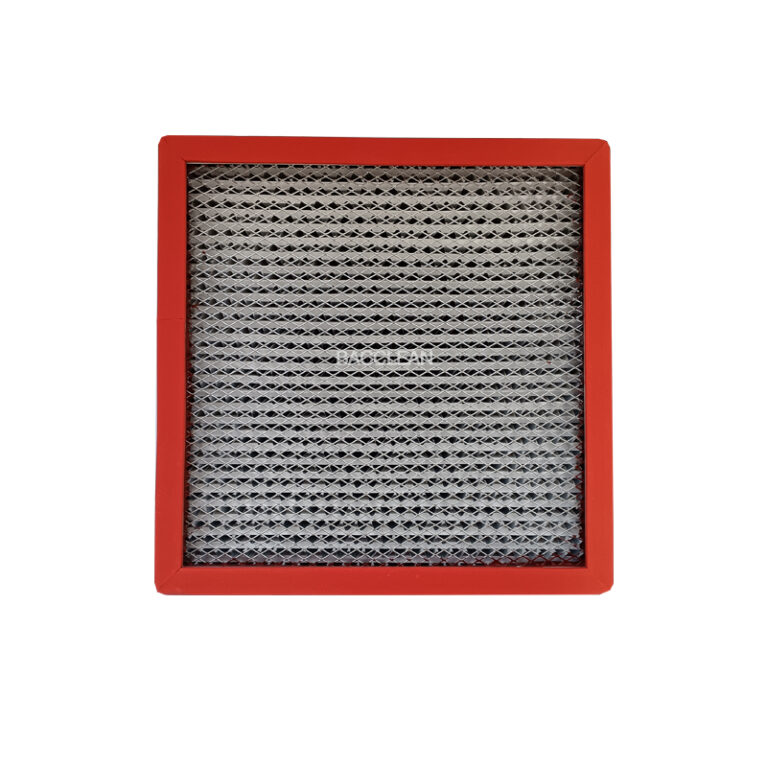
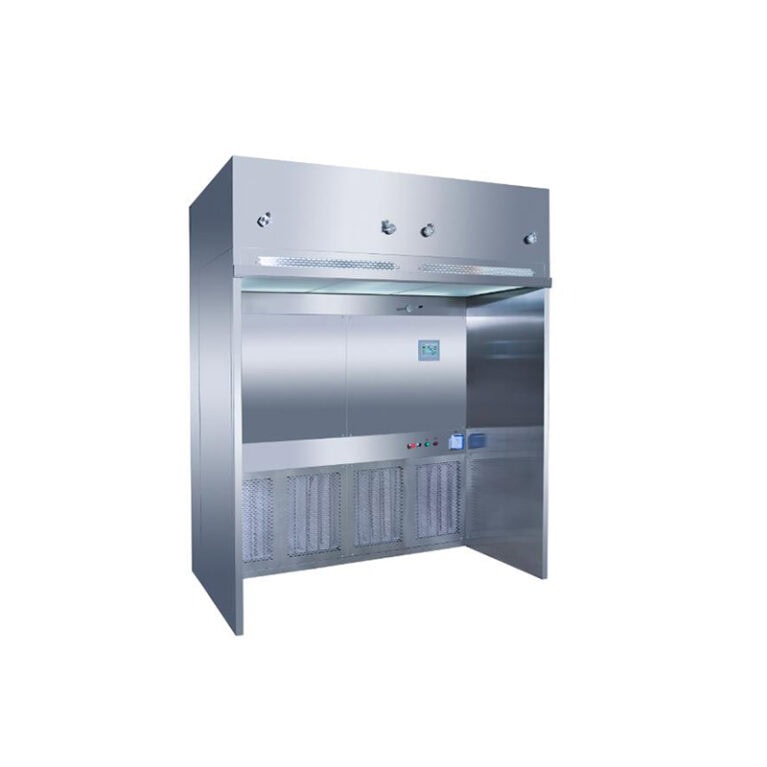
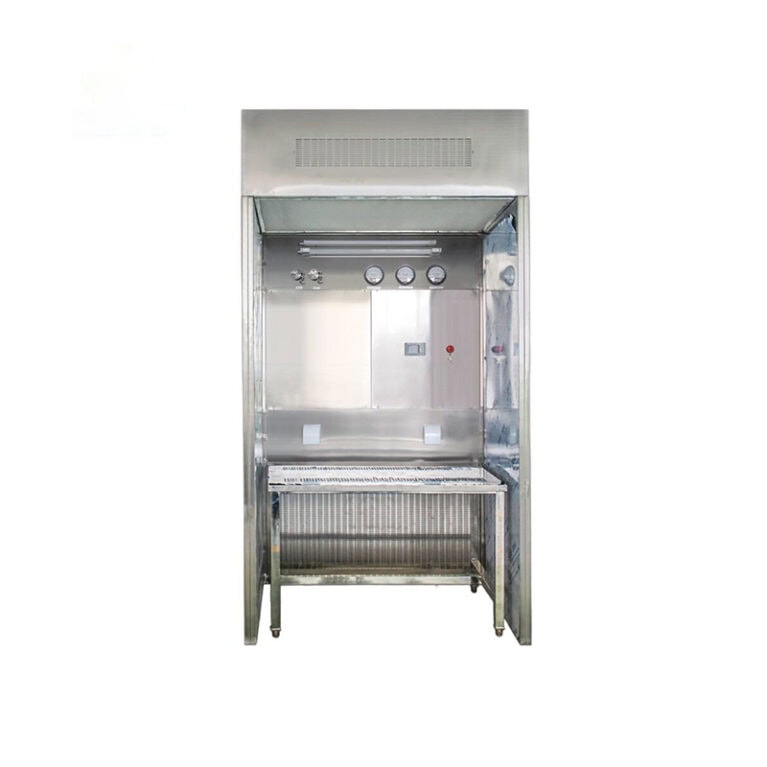
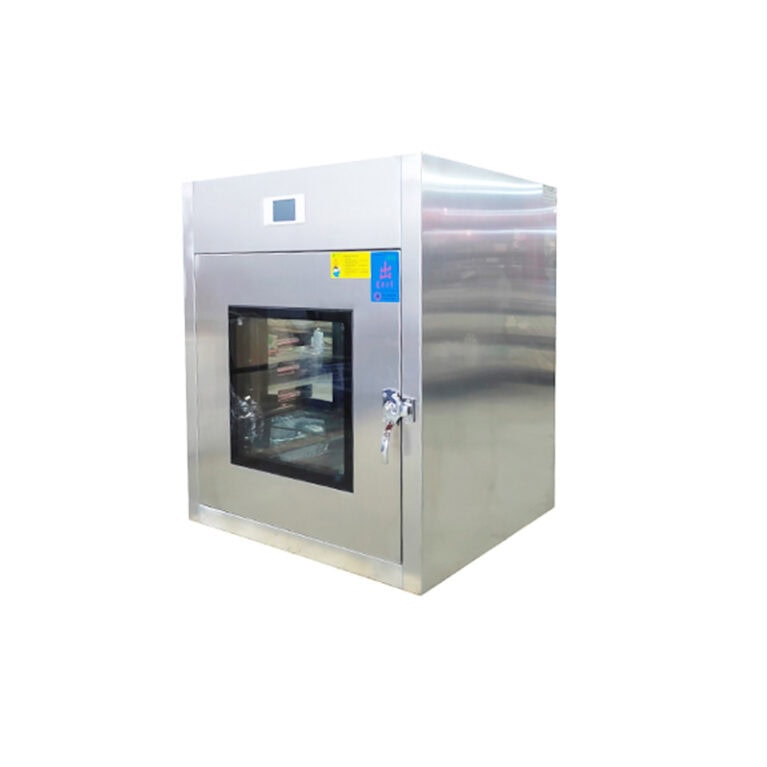
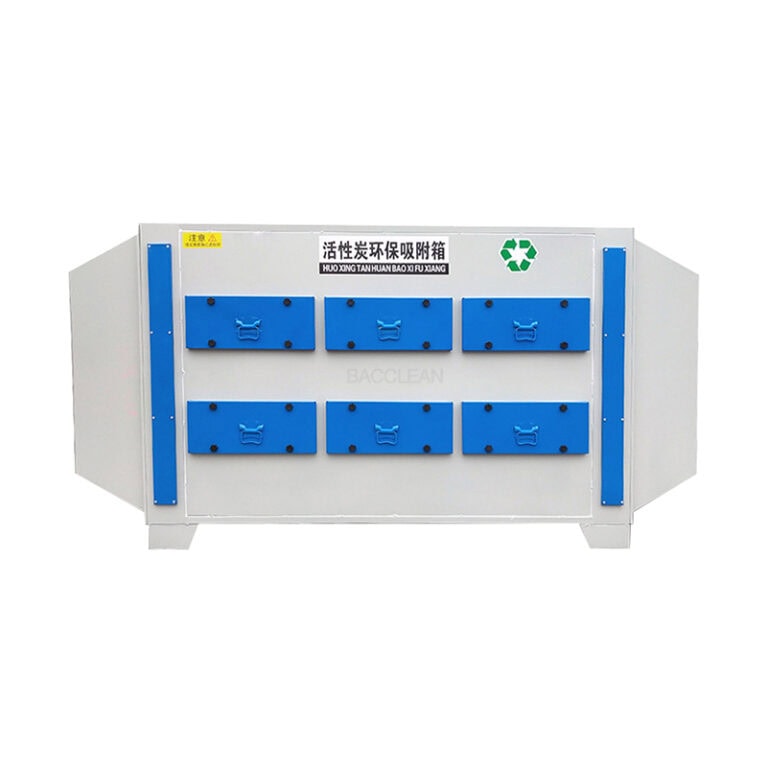
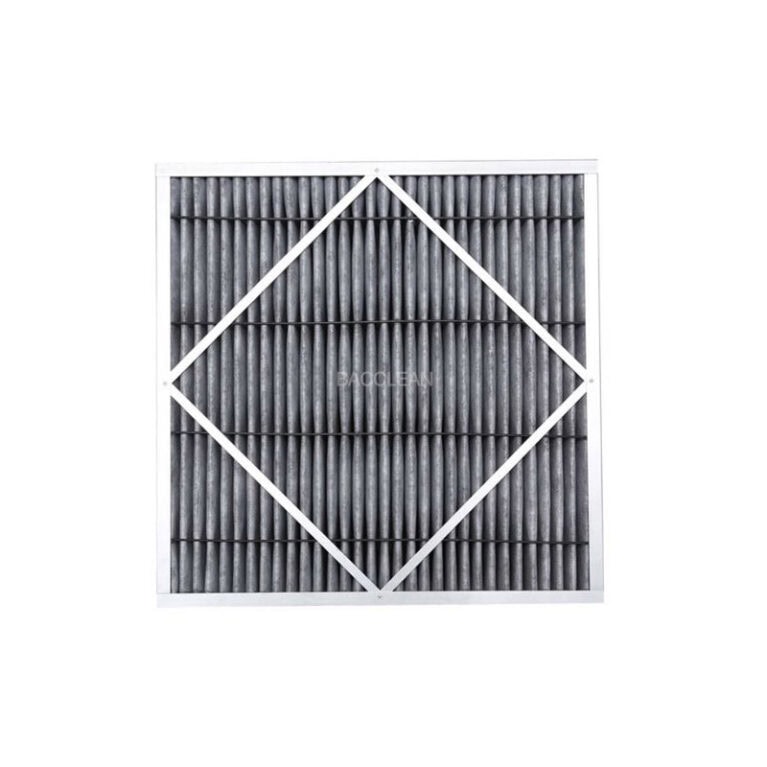
The air purification and disinfection machine is a device that integrates air purification and sterilization and disinfection. It can remove particles, odors, harmful gases, and kill bacteria, viruses and other microorganisms at the same time. It is widely used in various scenarios. Its daily maintenance directly affects the operational efficiency and service life of the equipment.
I. Core Application Fields
1. Medical and health care field
Applicable scenarios: Hospital outpatient departments, wards, operating rooms, laboratories, disease control center laboratories, etc.
Core requirements: The hospital environment is densely populated with pathogenic microorganisms. The equipment must have highly efficient sterilization capabilities (such as killing the novel coronavirus, influenza virus, Staphylococcus aureus, etc.), and at the same time filter out surgical smoke and odors from drugs to meet the hospital’s infection control standards.
Special requirements: In some scenarios, models that comply with the “Regulations on Hygiene and Safety Evaluation of Disinfection Products” should be selected to support coexistence with humans and avoid excessive ozone.
2. Civilian home and office fields
Applicable scenarios: Home interiors, office buildings, school classrooms/dormitories, kindergartens, nursing homes.
Core requirements: Remove formaldehyde, PM2.5, pollen, and pet hair, kill mites and mold spores, and relieve discomfort for people with allergies. In office and teaching scenarios, silent operation should be taken into account to avoid affecting work and study.
3. Commercial public domain
Applicable scenarios: shopping malls, hotel rooms, waiting halls of airports and high-speed railway stations, cinemas, gyms.
Core requirement: Rapid purification in large Spaces, eliminating odors, droplets and aerosols generated by dense crowds, and reducing the risk of cross-infection. For some places, it is necessary to choose models with high air volume and wall-mounted or ceiling-mounted features to save space.
4. Industrial and clean fields
Applicable scenarios: Clean workshops (electronics, pharmaceuticals, food processing), laboratories, precision instrument production workshops, and areas where biosafety cabinets are compatible.
Core requirements: Meet the cleanliness grade requirements (such as 10,000-level and 100,000-level cleanrooms), filter suspended particulate matter and volatile organic compounds (VOCs), and at the same time inhibit the growth of microorganisms to ensure product quality and experimental safety.
5. Special fields
Applicable scenarios: Mobile cabin hospitals, quarantine hotels, cold chain logistics warehouses, and livestock farms.
Core requirements: Rapid disinfection of pathogenic microorganisms in the environment. Cold chain scenarios need to adapt to low-temperature and high-humidity environments, and livestock farms need to tolerate irritating gases such as ammonia.
Ii. Key Points for Daily Maintenance
The maintenance of air purification and disinfection machines should focus on four core components: filters, disinfection components, the machine body, and sensors. The maintenance cycles for different models may vary slightly. It is recommended to refer to the equipment manual for execution.
1. Filter system maintenance (Core Link
The filter screen is the key to purification efficiency and needs to be cleaned and replaced regularly to avoid secondary pollution.
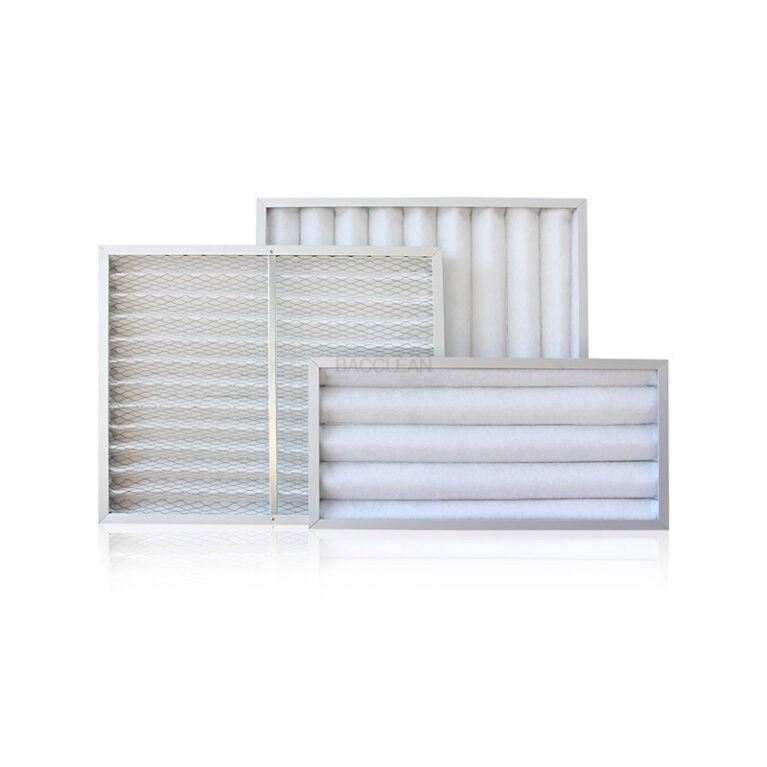
Primary filter screen
Material: Mostly non-woven fabric and metal mesh, can be washed repeatedly.
Maintenance cycle: Clean once every 1-2 weeks.
Operation: Remove the filter screen, rinse it with clean water or vacuum up the surface dust, dry it and then reinstall it. Do not expose it to direct sunlight.
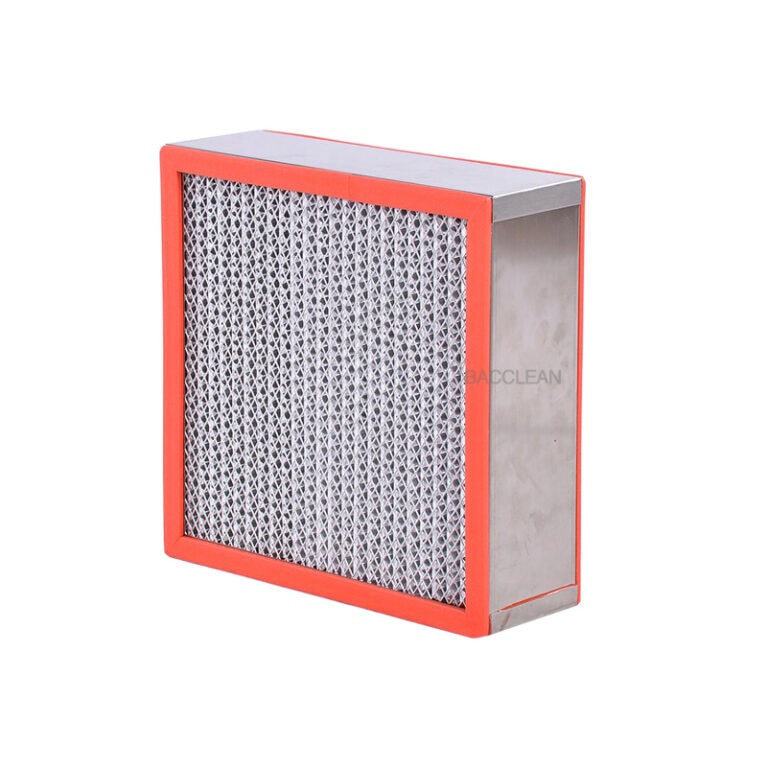
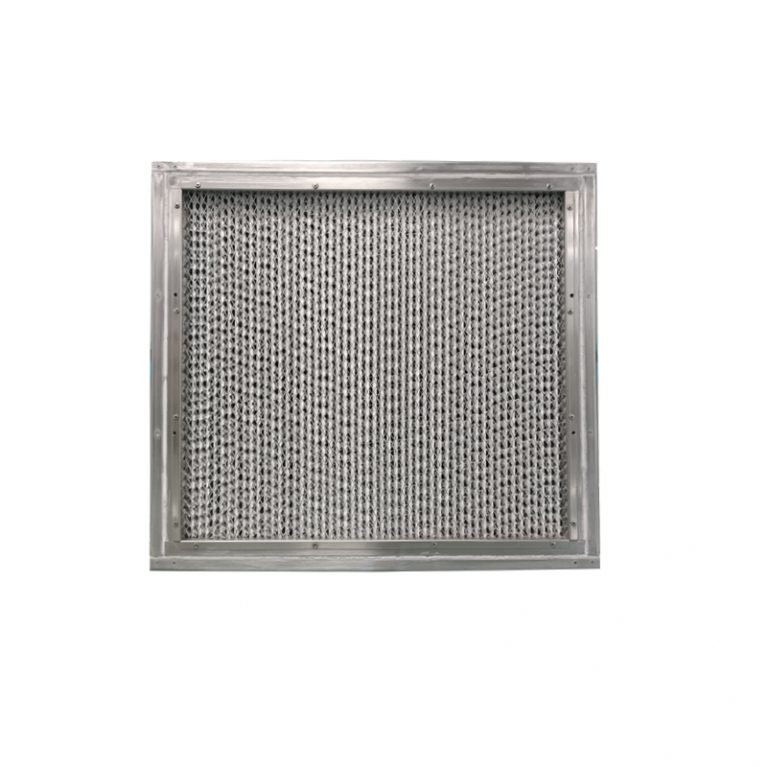
Medium and high-efficiency filters (HEPA filters)
Material: Superfine glass fiber, non-washable.
Maintenance cycle: Replace once every 3 to 6 months. In highly polluted environments (such as near hospitals and construction sites), the time limit is shortened to 1-2 months.
Note: When replacing, check the sealing condition of the filter screen to avoid air leakage. The used filter screens should be sealed and discarded to prevent the spread of microorganisms.
Activated carbon filter screen
Function: Adsorb formaldehyde, odors and VOCs.
Maintenance cycle: Replace every 2 to 3 months. After adsorption saturation, it will release an unpleasant odor and needs to be replaced in time.
Auxiliary: The filter screen can be placed in a well-ventilated area to dry for 4 to 6 hours regularly to extend its service life (the effect is limited and cannot be replaced).
2. Maintenance of disinfection components
The maintenance methods for components of different disinfection technologies vary. Common types are as follows:
Ultraviolet disinfection lamp
Lifespan: Generally 8,000 to 10,000 hours.
Maintenance: Wipe the dust on the surface of the lamp tube with alcohol cotton every 1-2 months to avoid affecting the ultraviolet penetration rate. Replace it in time after reaching the service life; otherwise, the sterilization efficiency will drop significantly.
Note: Avoid looking directly at the ultraviolet lamp. The power should be turned off during maintenance.
Plasma/negative ion generator
Maintenance cycle: Clean once every month.
Operation: Remove the electrode plate and wipe the surface dust and oxides with a cotton swab dipped in alcohol to prevent a decrease in electrode discharge efficiency.
Ozone generator
Note: After ozone disinfection, Windows should be opened for ventilation for more than 30 minutes before entering. Regularly inspect the ozone sensor to ensure that the concentration does not exceed the standard (the safe indoor ozone concentration is ≤0.1mg/m³).
3. Maintenance of the body and sensors
Body cleaning: Wipe the outer shell of the body with a dry cloth every 1-2 weeks to prevent dust from blocking the air inlet and outlet. In environments with heavy oil stains (such as kitchens), neutral cleaners can be used for wiping. Do not use corrosive liquids.
Sensor calibration: PM2.5, formaldehyde and other sensors are susceptible to dust. Calibrate them once every 3 to 6 months with a standard calibrator to ensure accurate values. You can gently wipe the sensor probe with a cotton swab in daily life.
Water tank maintenance (humidification type model) : If the equipment has a humidification function, change the water once a week and clean the inner tank of the water tank to prevent mold growth.
4. Precautions for operation and storage
When in operation, avoid blocking the air inlet and outlet to ensure smooth air circulation.
When not in use for a long time, the power should be turned off, the filter screen removed and dried, then sealed and stored. The body should be placed in a dry and well-ventilated area to prevent moisture.
Regularly check if the power cord and plug are damaged to avoid the risk of short circuit.
5. Regular effect testing
Professional instruments can be used every quarter to test the indoor air quality (such as PM2.5 concentration and total bacterial count) to verify the operation effect of the equipment.
In professional scenarios such as medical care and industry, regular monitoring of disinfection effects should be conducted in accordance with industry standards, and records should be kept.
Iii. Common Misunderstandings in Maintenance
Only replacing the HEPA filter while neglecting the cleaning of the primary filter leads to accelerated clogging of the HEPA filter.
Wash the HEPA filter → Destroy the fiber structure of the filter and completely lose its filtering effect.
The ultraviolet lamp has been used beyond its expiration date, resulting in insufficient sterilization rate and failure to meet the disinfection requirements.
After ozone disinfection, humans and machines coexist → Ozone irritates the respiratory tract and causes discomfort.