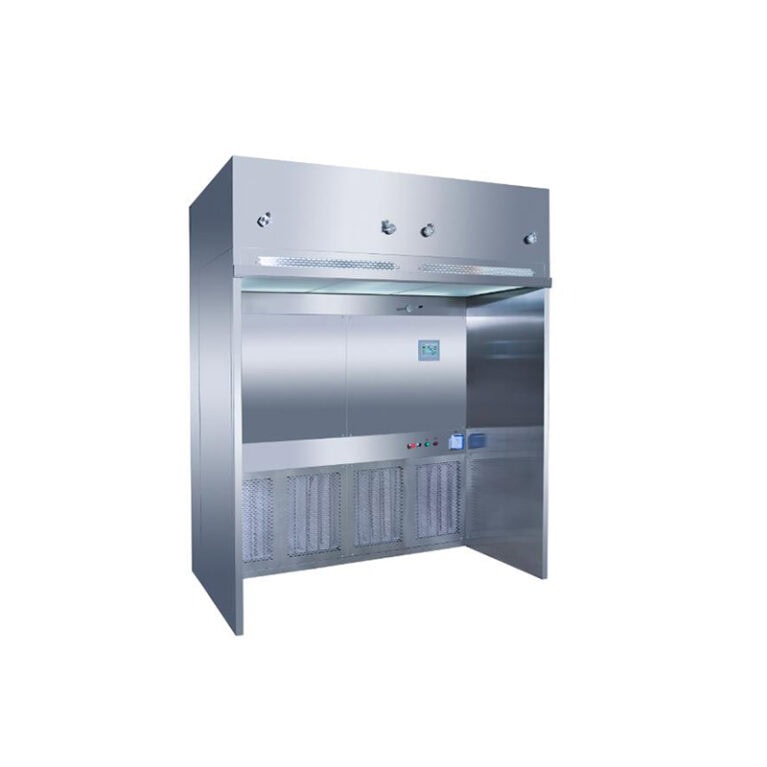
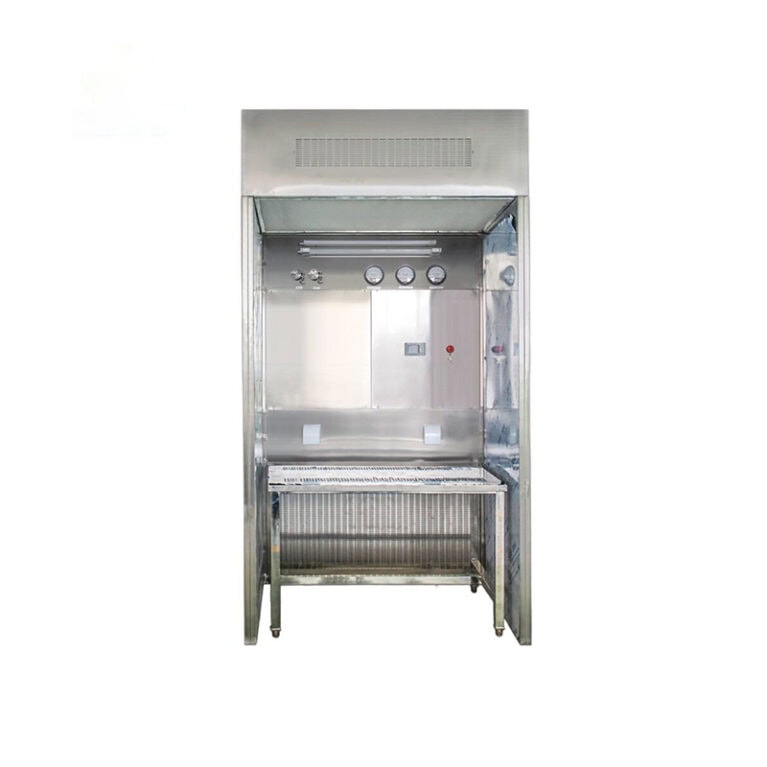
The biopharmaceutical industry has extremely strict requirements for aseptic environments and prevention of cross-contamination. The ultra-clean workbench, as a key equipment for core processes such as sterile formulation production, bacterial strain operation, and cell culture, must strictly follow standardized operating procedures to ensure product quality complies with GMP (Good Manufacturing Practice for Pharmaceuticals) standards. This specification covers four parts: pre-operation preparation, operation control during the process, post-operation processing, and special scenarios.
I. Pre-operation Preparation
Personnel Preparation
Strictly follow the changing procedures for the clean area in biopharmaceuticals: change shoes → remove outer clothing → put on clean clothing → wear a mask and gloves → hand disinfection (75% ethanol wiping, action ≥ 30 seconds).
It is strictly prohibited to wear jewelry, watches, and long hair must be completely contained in a clean cap to avoid hair and skin debris from falling into the workbench.
Avoid strenuous exercise, eating, and makeup 30 minutes before entering the clean area to reduce microbial emissions.
Equipment Inspection and Self-Cleaning
Appearance and condition: Check the workbench surface, inner wall, and air outlet grille for cleanliness, without residual stains or debris; check the equipment power supply, control panel for normal operation, and no abnormal alarm on the indicator lights.
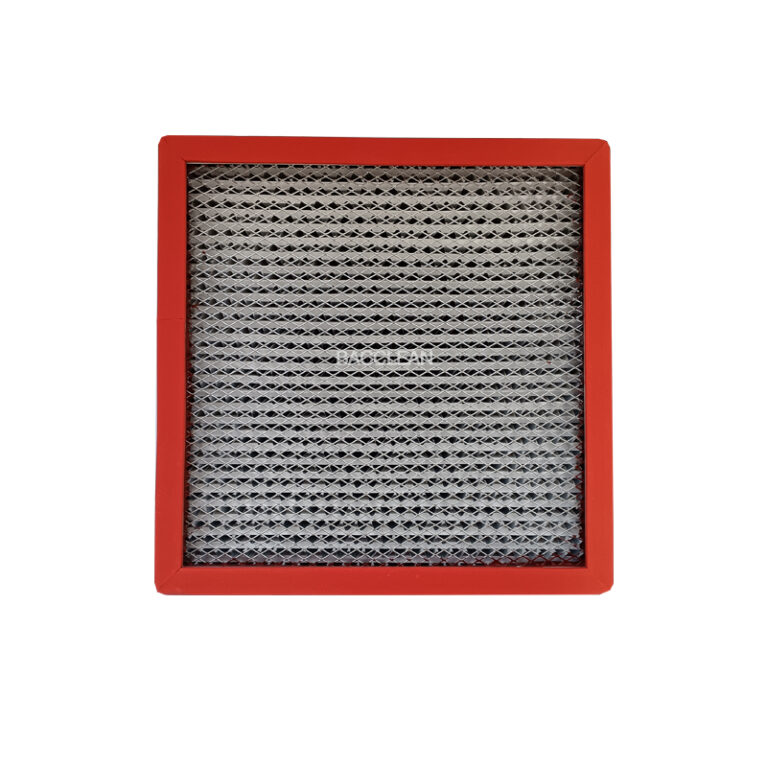
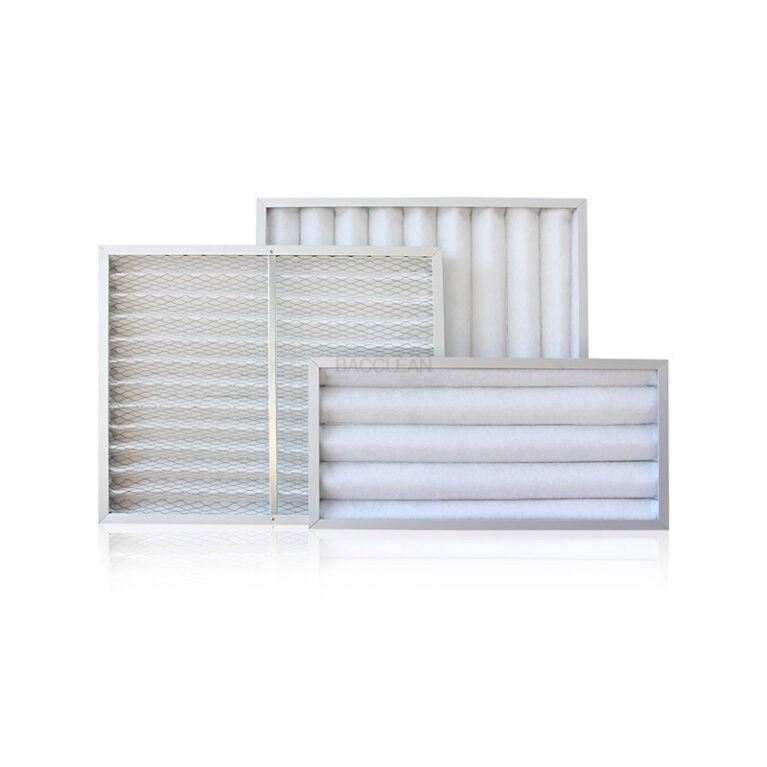
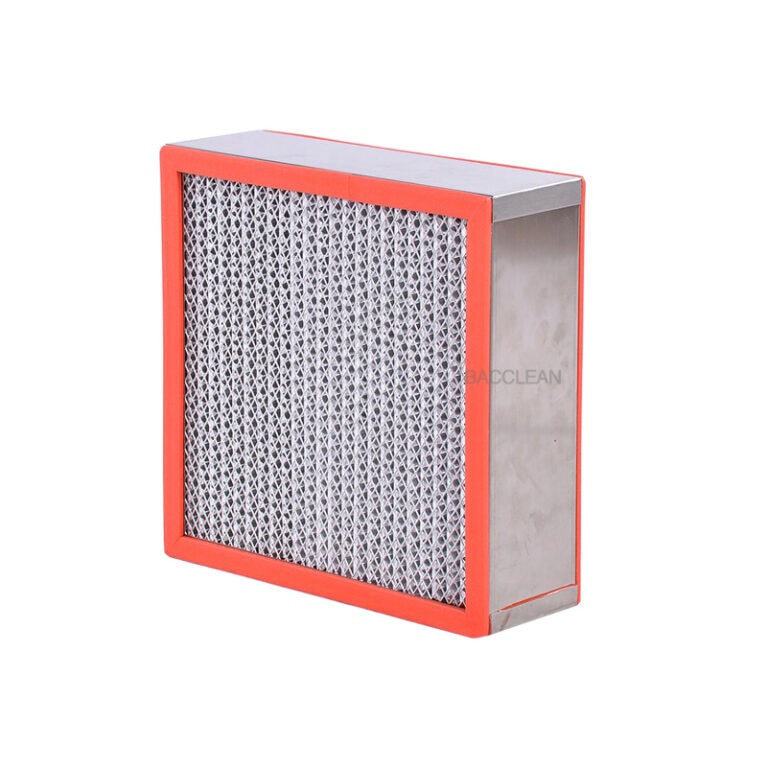
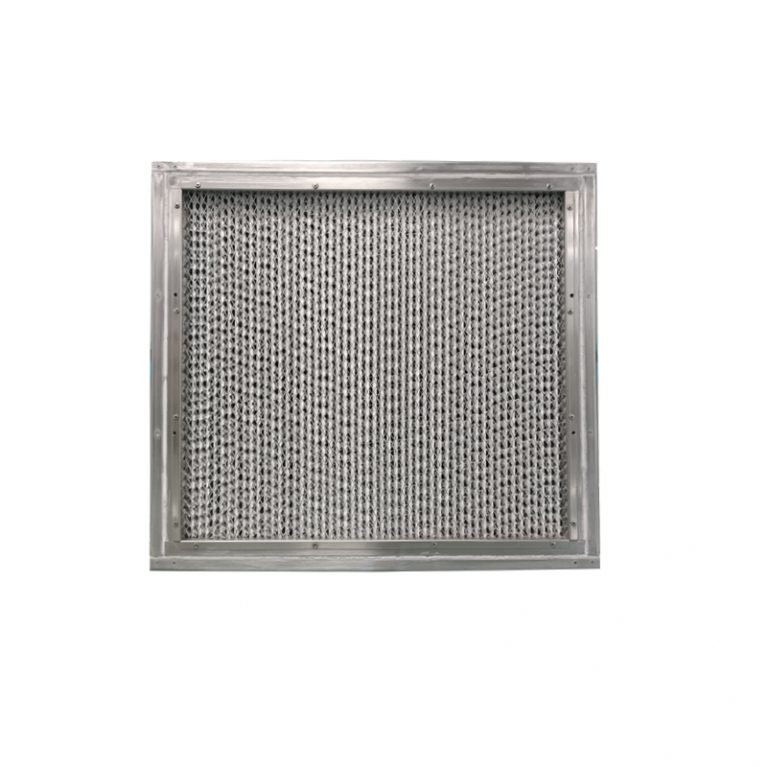
Parameter Verification: Record the differential pressure value of the high-efficiency filter (compare with the initial pressure difference, if it reaches 80% of the final resistance, be alert of blockage); confirm that the fan speed is in line with the operation requirements (biopharmaceuticals recommend setting to high speed to ensure wind speed ≥ 0.3m/s).
Startup Self-Cleaning: Turn on the fan and ultraviolet disinfection lamp 30-40 minutes before (only use when no one is present), ultraviolet disinfection time ≥ 30 minutes; after disinfection, turn off the ultraviolet lamp, keep the fan running to allow the clean air flow to fully replace the air in the workbench.
Cleanliness Confirmation (Key Processes Must Be Executed): Take a sample of settled or suspended bacteria or use a dust particle counter to detect to ensure compliance with A-level clean area standards (≥ 0.5μm particles ≤ 3520 per m³, ≥ 5μm particles ≤ 0 per m³).
Material Preparation and Transfer
All materials entering the workbench (culture medium, bacterial strains, consumables, equipment, etc.) need to be sterilized (high-pressure steam sterilization, dry heat sterilization, or irradiation sterilization), and mark the sterilization date and expiration date.
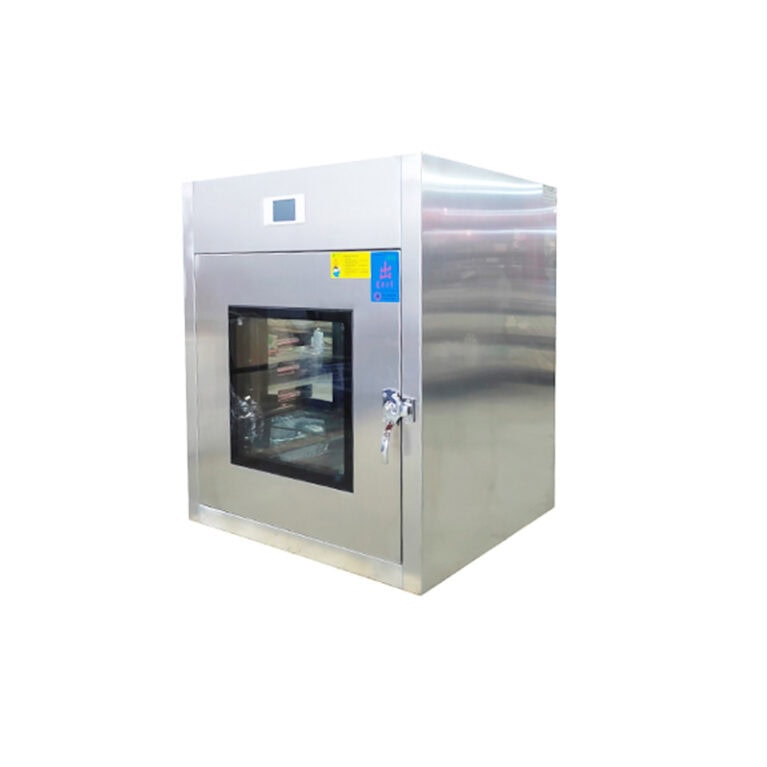
Material transfer needs to be disinfected in the transfer window before being sent in, the outer packaging needs to be removed in the clean area to avoid dust contamination; place the materials in separate zones according to “sterile area, semi-sterile area, contaminated area” to avoid cross-contamination.
Glassware needs to be dried in advance to avoid microbial growth from moisture; transfer pipettes, inoculation loops, etc. need to be sterilized and placed in a sterile tray.
II. Operation Control Specifications
Core Requirements of Aseptic Operation
Personnel Positioning and Actions: Operators need to stand on the wind side of the workbench, slowly extend their arms through the opening on the front of the workbench, avoiding facing the air outlet directly; the movement amplitude should be small, and it is strictly prohibited to cross the aseptic operation area to prevent air flow from being disturbed.
Principle of Opening Caps and Exposure: After opening containers such as petri dishes and culture medium bottles, the opening should face the air flow direction to reduce external contamination; shorten the exposure time after opening the cap and immediately cover after the operation.
Tool Usage Specifications: Inoculation loops and pipette tips need to be sterilized after each use; avoid direct contact of the working surface of sterile equipment, such as the tip of the pipette and the inner wall of the petri dish.
Cross-contamination Prevention
It is strictly prohibited to conduct two or more different bacterial strains or cell lines simultaneously in the same workbench to prevent cross-contamination of strains.
Wastes (such as discarded pipettes, cotton swabs, culture medium residues) need to be placed in the sterile garbage bag in the workbench immediately and not allowed to accumulate in the operation area; the garbage bag needs to be sealed and removed to avoid aerosol diffusion.
If adding materials during the operation, wipe the surface of the materials with 75% ethanol before placing them, and the action needs to be fast and smooth.
Environment and Personnel Protection When handling live bacteria, toxic strains or allergenic biological products, it is necessary to do so in a biosafety laminar flow hood, while wearing a protective mask to prevent aerosol inhalation.
It is strictly prohibited to eat, smoke, or chat in the workbench, and avoid actions such as coughing or sneezing directly towards the operation area; if you need to change your posture, turn your back to the workbench.
Maintain stable airflow inside the workbench and do not randomly turn off the fan or adjust the speed; if there is an abnormality in the equipment (such as a sudden drop in wind speed or an alarm), immediately stop the operation, seal the materials, and contact the equipment maintenance personnel for handling.
III. Post-operation Processing
Material and Waste Disposal
Sterile products (such as semi-finished products, strains) should be sealed and labeled, and promptly transferred to the designated storage area (such as a cold storage room, a constant temperature incubator), and fill in the material transfer record.
Biological waste (such as bacterial culture media, contaminated consumables) should be placed in a dedicated biosafety waste bag, sealed, and sterilized by high-pressure sterilization according to the “Biological Pharmaceutical Waste Disposal Procedure”, and then transported out of the clean area.
Uncontaminated consumables (such as unused pipettes) should be re-sterilized before reuse, or treated as general waste.
Equipment Cleaning and Disinfection
Use a sterile cloth dipped in 75% ethanol or 0.5% peracetic acid to wipe the workbench surface, inner walls, air outlet grilles, and material trays from the inside out, from top to bottom, for at least 15 minutes; for stubborn stains, first wipe with sterile water, and then treat with disinfectant.
After cleaning, turn on the ultraviolet lamp for disinfection for 30 minutes (in the absence of people), then turn off the ultraviolet lamp, keep the fan running for 10 minutes, and discharge the residual disinfectant odor.
If there is spillage of culture medium or leakage of strains during the operation, immediately cover the contaminated area with disinfectant, act for 30 minutes, and then clean it up; afterwards, the workbench needs to undergo additional sedimentation bacteria testing to confirm there is no contamination. Record filling
Comply strictly with GMP requirements to fill out the “Operation Record of Ultra-clean Workbench”. The content includes: operation date, operator, equipment number, self-cleaning time after startup, pressure difference value, operation content, material name and batch number, cleaning and disinfection method, equipment operating status, etc.
The record should be legible and traceable, and cannot be altered; if modification is needed, it should be crossed out and signed with the date.
IV. Special Scene Precautions
Vaccine / Biologic Product Production: During the operation, the temperature (controlled within 18-26℃) and humidity (45%-65%) inside the workbench need to be monitored throughout; avoid abnormal temperature and humidity to prevent affecting the stability of the products; strictly prohibit performing operations that generate dust such as freeze-drying and filling inside the workbench.
Gene Engineering Strain Operation: Use a negative pressure ultra-clean workbench to prevent the release of recombinant strains; after the operation, thoroughly disinfect the workbench and surrounding environment. The disinfectant can be a chlorine-containing disinfectant (such as 500mg/L sodium hypochlorite).
Emergency Handling of Equipment Failures: If the fan suddenly stops during operation, immediately cover all sterile materials with sterile gauze and seal the container; quickly evacuate the operation area, contact maintenance personnel, and wait for the equipment to be repaired and self-cleaned to meet the standards before continuing the operation.