
I. Preparations Before Operation (Safety Prerequisites)
Environmental inspection
Confirm that the FFU installation area is free of obstacles, flammable materials, and corrosive gases. The ground/installation surface should be flat and stable, and there should be no personnel or irrelevant equipment left around.
Check that the working environment is well-ventilated. The clean area must be cleaned in advance to prevent dust from entering the FFU air duct and compromising the filtration effect.
Equipment inspection
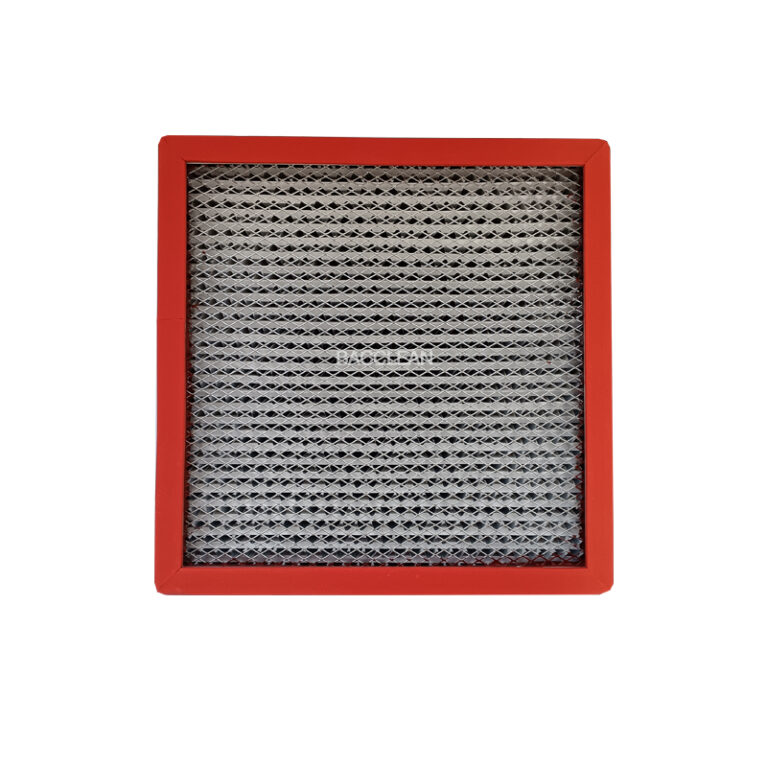
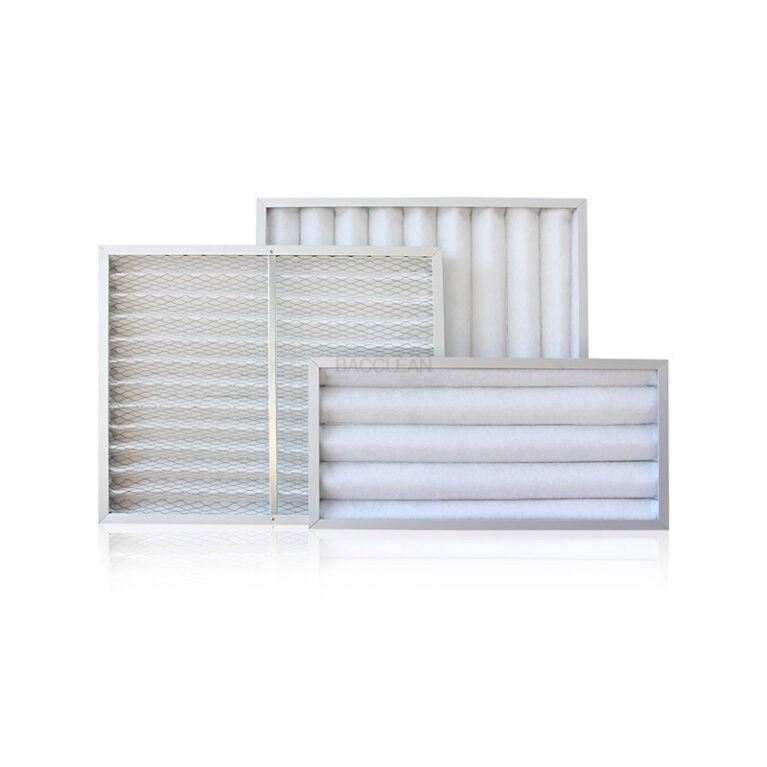
Appearance: Check that the FFU housing is not deformed or damaged, the connecting bolts are tight, the pre-filter is installed in place without looseness, and the air outlet is not blocked.
Circuit: Check that the insulation layer of the power cord is not damaged or aged, that the plug/terminal block is firmly connected, that the grounding (PE line) is reliable, and that there are no exposed wires.
Functional components: Confirm that the fan impeller is not stuck (manually gently turning the impeller should ensure smooth rotation), the buttons and indicator lights on the control panel are in good condition, and the speed control knob (if any) has a clear position.
Personnel preparation
Operators must be familiar with the working principle of FFU and this guide, and wear corresponding protective equipment (in clean areas, clean suits and gloves must be worn; electricians must hold valid certificates and wear insulating shoes).
When multiple people collaborate, clearly define the division of labor to avoid miscommunication. Before starting the operation, inform the surrounding personnel of the operation’s intention and set up warning signs (such as “Equipment under debugging, please do not approach”).
Ii. Startup Operation (Standard Procedure)
Confirm before power-on
Check that the rated voltage of the FFU is consistent with the supply voltage (commonly 220V/380V), confirm that the power switch is in the “OFF” position, and adjust the speed control knob to the lowest position (if speed control is supported).
Check again that the filter installation is well sealed without any air leakage gaps, and there are no abnormalities in the connection between the fan and the motor.
Step-by-step startup
Close the main power switch and observe whether the power indicator light on the control panel lights up normally without any abnormal sounds or odors.
Press the “Start” button. After the fan starts slowly, gradually adjust the speed control knob to the desired wind speed (select according to the cleanliness requirements. It is usually recommended to operate at 80%-100% of the rated wind speed).
Observe the operating status of the equipment within 30 seconds after startup: The impeller rotates smoothly without eccentric vibration, the noise is ≤75dB (normal operation standard), and there is no burnt smell, electromagnetic abnormal noise, or other abnormalities.
During operation, attentive monitoring and maintenance are critical for safety.
Wind speed monitoring: Regularly measure the wind speed at the air outlet with an anemometer to ensure uniformity and stability (for conventional clean areas, the requirement is 0.3-0.5m/s). If the wind speed drops sharply, it may be due to a clogged filter, which needs to be replaced promptly.
Operating status: Conduct an inspection once every hour to ensure that the fan operates smoothly, the casing temperature is ≤60℃ (without overheating), and there is no flashing alarm on the control panel indicator lights.
Safety Precautions: It is strictly prohibited to open the casing or touch the rotating parts, such as the impeller and motor, when the FFU is in operation. Do not throw foreign objects into the air outlet to avoid blocking the air duct and causing motor overload.
Daily maintenance specifications
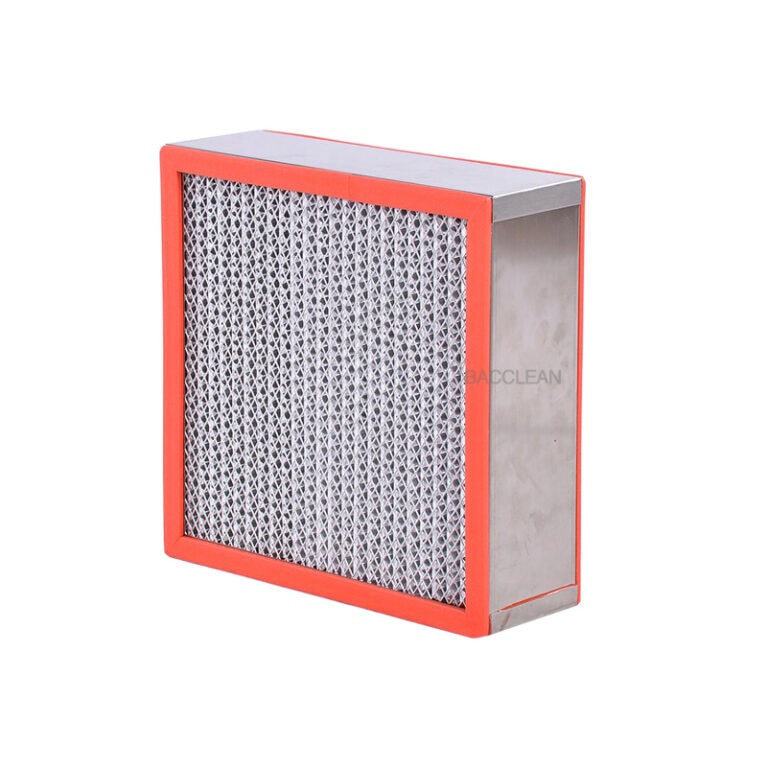
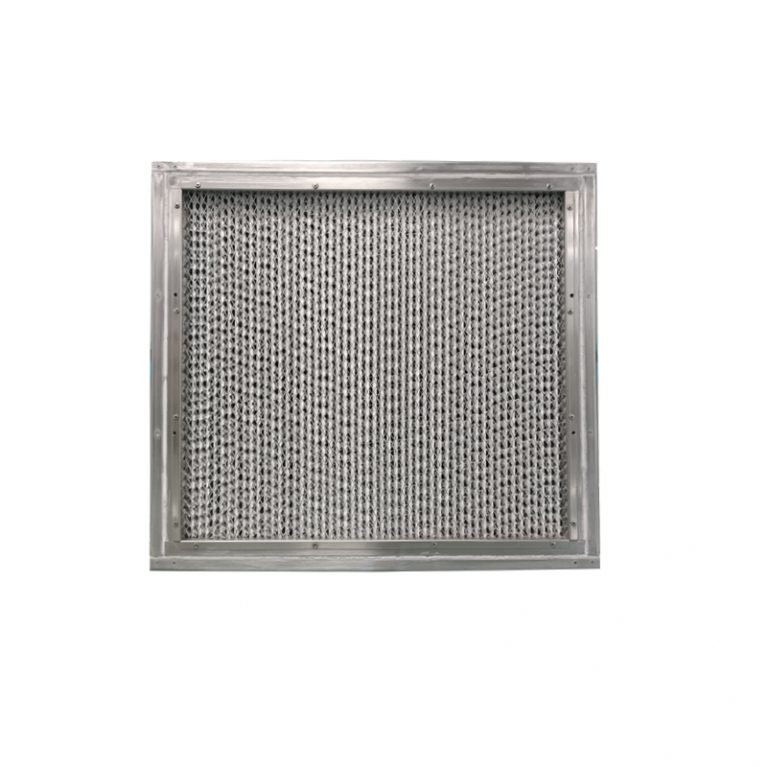
Filter maintenance: The primary filter cotton should be cleaned once a week (it can be washed with water, dried, and reused, and replaced after cumulative use for 3 months). High-efficiency filters should be inspected every 6 to 12 months. If the filtration efficiency is lower than 99.99% (for 0.3μm particles) or the pressure difference exceeds the set value, they should be replaced immediately.
Motor maintenance: Check the lubrication of the motor bearings every three months. If abnormal noise or a decrease in speed occurs, replenish the lubricating grease or replace the bearings in a timely manner. Avoid long-term overloading operation of the motor (the load current should not exceed 1.1 times the rated current).
Cleaning requirements: When cleaning the FFU, power must be cut off first. Wipe the outer shell with a dry and clean cloth. It is strictly forbidden to rinse the motor and electrical control components with water to prevent short circuits and leakage.
Iv. Shutdown and Emergency Response (Risk Control)
Normal shutdown process
First, adjust the speed control knob to the lowest position, press the “Stop” button, and after the fan has completely stopped rotating, turn off the main power switch.
After shutting down, clean up the surrounding environment of the equipment and record parameters such as operating time, wind speed, and filter status to facilitate subsequent maintenance.
Emergency response plan
Abnormal shutdown: If the machine suddenly stops during operation, first cut off the power supply, check whether the circuit overload protection and motor overheat protection have been triggered. Only after eliminating faults such as short circuits and impeller jamming can the machine be restarted. Do not forcibly start multiple times.
Leakage/electric shock: If the equipment casing is found to be electrified or the power cord is damaged and leaking electricity, immediately cut off the main power supply, evacuate the site, and have a professional electrician inspect and repair it. Only after confirming that the insulation is qualified can it be used again.
Fire risk: If the equipment shows signs of fire, such as a burnt smell or smoke, immediately cut off the power supply and use a dry powder fire extinguisher to put out the fire. It is strictly forbidden to directly extinguish the fire with water. At the same time, evacuate the surrounding people.
V. Taboos (Absolutely Prohibited)
Non-professionals are strictly prohibited from disassembling or modifying the FFU motor and electronic control system to prevent safety accidents caused by circuit faults.
It is strictly prohibited to use FFU in a damp environment (relative humidity > 85%) or in an environment with corrosive gases to prevent equipment rusting and leakage of electricity.
Do not overload operation: Do not forcibly increase the air pressure by blocking the air outlet or increasing the resistance of the air duct, etc., to avoid motor burnout.
No illegal wiring: It is strictly prohibited to privately connect power sources. Do not use copper or iron wires to replace fuses. Ensure that the circuit protection device is in good condition and effective.
Environmental inspection
Confirm that the FFU installation area is free of obstacles, flammable materials, and corrosive gases. The ground/installation surface should be flat and stable, and there should be no personnel or irrelevant equipment left around.
Check that the working environment is well-ventilated. The clean area must be cleaned in advance to prevent dust from entering the FFU air duct and compromising the filtration effect.
Equipment inspection
Appearance: Check that the FFU housing is not deformed or damaged, the connecting bolts are tight, the pre-filter is installed in place without looseness, and the air outlet is not blocked.
Circuit: Check that the insulation layer of the power cord is not damaged or aged, that the plug/terminal block is firmly connected, that the grounding (PE line) is reliable, and that there are no exposed wires.
Functional components: Confirm that the fan impeller is not stuck (manually gently turning the impeller should ensure smooth rotation), the buttons and indicator lights on the control panel are in good condition, and the speed control knob (if any) has a clear position.
Personnel preparation
Operators must be familiar with the working principle of FFU and this guide, and wear corresponding protective equipment (in clean areas, clean suits and gloves must be worn; electricians must hold valid certificates and wear insulating shoes).
When multiple people collaborate, clearly define the division of labor to avoid miscommunication. Before starting the operation, inform the surrounding personnel of the operation’s intention and set up warning signs (such as “Equipment under debugging, please do not approach”).
Ii. Startup Operation (Standard Procedure)
Confirm before power-on
Check that the rated voltage of the FFU is consistent with the supply voltage (commonly 220V/380V), confirm that the power switch is in the “OFF” position, and adjust the speed control knob to the lowest position (if speed control is supported).
Check again that the filter installation is well sealed without any air leakage gaps, and there are no abnormalities in the connection between the fan and the motor.
Step-by-step startup
Close the main power switch and observe whether the power indicator light on the control panel lights up normally without any abnormal sounds or odors.
Press the “Start” button. After the fan starts slowly, gradually adjust the speed control knob to the desired wind speed (select according to the cleanliness requirements. It is usually recommended to operate at 80%-100% of the rated wind speed).
Observe the operating status of the equipment within 30 seconds after startup: The impeller rotates smoothly without eccentric vibration, the noise is ≤75dB (normal operation standard), and there is no burnt smell, electromagnetic abnormal noise, or other abnormalities.
During operation, attentive monitoring and maintenance are critical for safety.
Wind speed monitoring: Regularly measure the wind speed at the air outlet with an anemometer to ensure uniformity and stability (for conventional clean areas, the requirement is 0.3-0.5m/s). If the wind speed drops sharply, it may be due to a clogged filter, which needs to be replaced promptly.
Operating status: Conduct an inspection once every hour to ensure that the fan operates smoothly, the casing temperature is ≤60℃ (without overheating), and there is no flashing alarm on the control panel indicator lights.
Safety Precautions: It is strictly prohibited to open the casing or touch the rotating parts, such as the impeller and motor, when the FFU is in operation. Do not throw foreign objects into the air outlet to avoid blocking the air duct and causing motor overload.
Daily maintenance specifications
Filter maintenance: The primary filter cotton should be cleaned once a week (it can be washed with water, dried, and reused, and replaced after cumulative use for 3 months). High-efficiency filters should be inspected every 6 to 12 months. If the filtration efficiency is lower than 99.99% (for 0.3μm particles) or the pressure difference exceeds the set value, they should be replaced immediately.
Motor maintenance: Check the lubrication of the motor bearings every three months. If abnormal noise or a decrease in speed occurs, replenish the lubricating grease or replace the bearings in a timely manner. Avoid long-term overloading operation of the motor (the load current should not exceed 1.1 times the rated current).
Cleaning requirements: When cleaning the FFU, power must be cut off first. Wipe the outer shell with a dry and clean cloth. It is strictly forbidden to rinse the motor and electrical control components with water to prevent short circuits and leakage.
Iv. Shutdown and Emergency Response (Risk Control)
Normal shutdown process
First, adjust the speed control knob to the lowest position, press the “Stop” button, and after the fan has completely stopped rotating, turn off the main power switch.
After shutting down, clean up the surrounding environment of the equipment and record parameters such as operating time, wind speed, and filter status to facilitate subsequent maintenance.
Emergency response plan
Abnormal shutdown: If the machine suddenly stops during operation, first cut off the power supply, check whether the circuit overload protection and motor overheat protection have been triggered. Only after eliminating faults such as short circuits and impeller jamming can the machine be restarted. Do not forcibly start multiple times.
Leakage/electric shock: If the equipment casing is found to be electrified or the power cord is damaged and leaking electricity, immediately cut off the main power supply, evacuate the site, and have a professional electrician inspect and repair it. Only after confirming that the insulation is qualified can it be used again.
Fire risk: If the equipment shows signs of fire, such as a burnt smell or smoke, immediately cut off the power supply and use a dry powder fire extinguisher to put out the fire. It is strictly forbidden to directly extinguish the fire with water. At the same time, evacuate the surrounding people.
V. Taboos (Absolutely Prohibited)
Non-professionals are strictly prohibited from disassembling or modifying the FFU motor and electronic control system to prevent safety accidents caused by circuit faults.
It is strictly prohibited to use FFU in a damp environment (relative humidity > 85%) or in an environment with corrosive gases to prevent equipment rusting and leakage of electricity.
Do not overload operation: Do not forcibly increase the air pressure by blocking the air outlet or increasing the resistance of the air duct, etc., to avoid motor burnout.
No illegal wiring: It is strictly prohibited to privately connect power sources. Do not use copper or iron wires to replace fuses. Ensure that the circuit protection device is in good condition and effective.
