
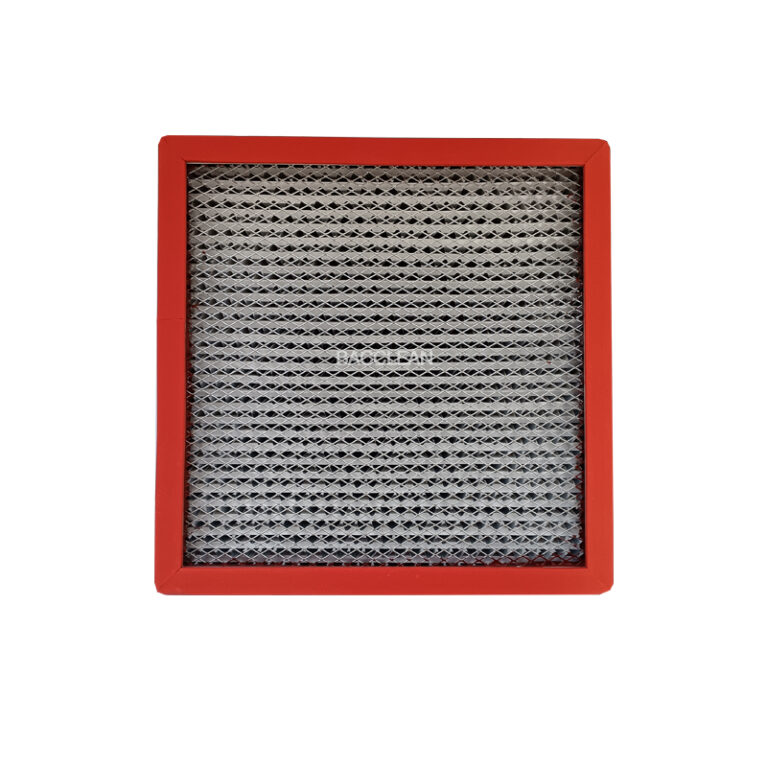
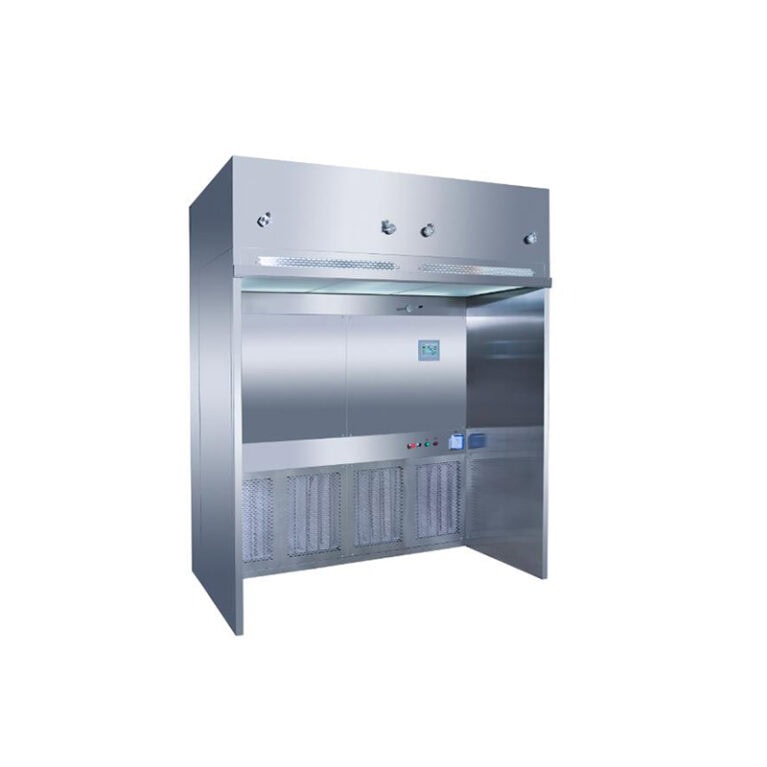
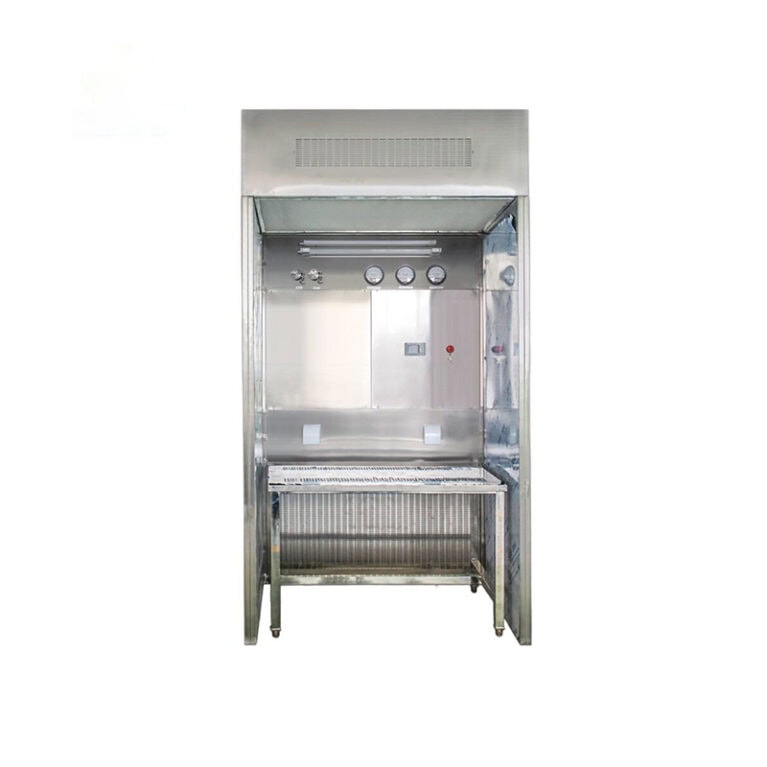
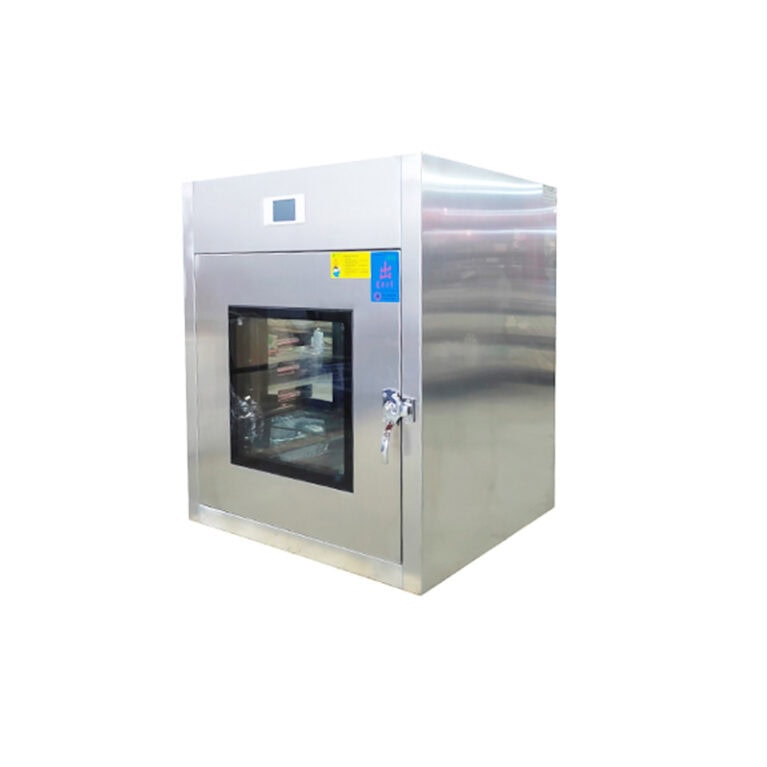
To extend the service life of the DOP laminar transfer window, a systematic maintenance system needs to be established from six dimensions: standard operation, daily cleaning, regular maintenance, management of core components, environmental control, and emergency response to faults. The following is the specific implementation guide:
1. Standard operation: The foundation for a long service life
Strictly implement double-door interlock
Ensure that neither the inner nor the outer doors can be opened simultaneously. After each operation, confirm that the doors are fully closed and locked
Do not forcefully open or close the doors or hit the door frame with hard objects to prevent damage to the lock and sealing strips
Immediately stop using the window if the interlock fails, hang a “Under Maintenance” warning sign, and contact professionals for handling
Standardized item transfer
Do not place items that are too heavy, sharp, hot, or corrosive, to avoid scratching the inner wall or damaging the transfer table
Place items centrally to reduce contact with the inner wall and prevent blocking the laminar airflow
Close the fan and ultraviolet lamp promptly after transfer to avoid unnecessary energy consumption and component wear
DOP detection operation standards
Strictly control the aerosol concentration and pressure during detection to avoid damaging the high-efficiency filter
Thoroughly clean the interior of the transfer window after detection to prevent residual oil mist from affecting subsequent use
2. Daily cleaning: The key to preventing contamination and faults
| Cleaned areas | Frequency of cleaning | Cleaning method | Notes for Attention |
| Inner walls, transmission platform | After each use |
Dip the dust-free cloth in the neutral cleaner and wipe it, then rinse it clean with pure water. |
Disable chlorine-based and acidic cleaners to prevent corrosion of the stainless steel surface. |
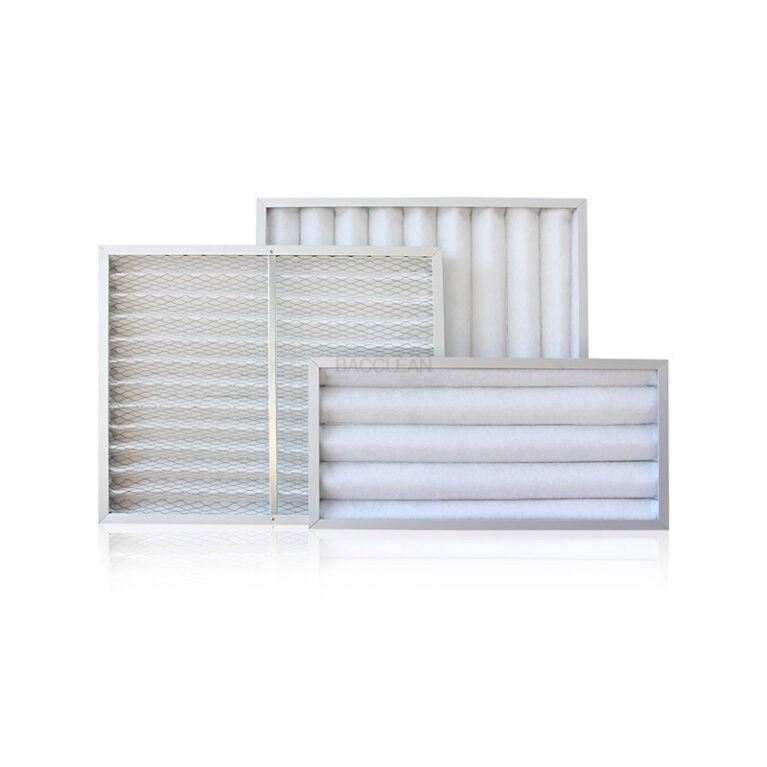
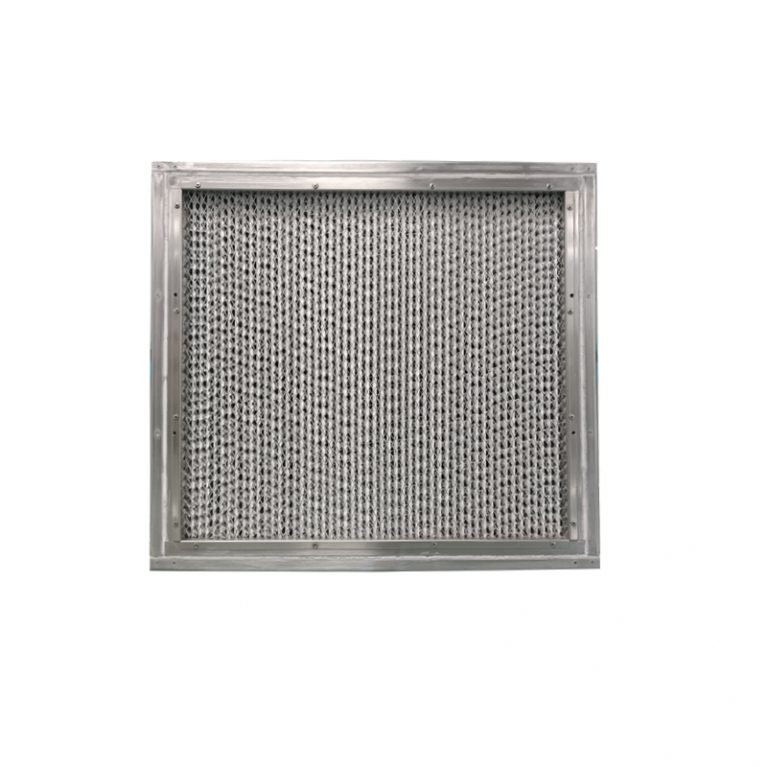
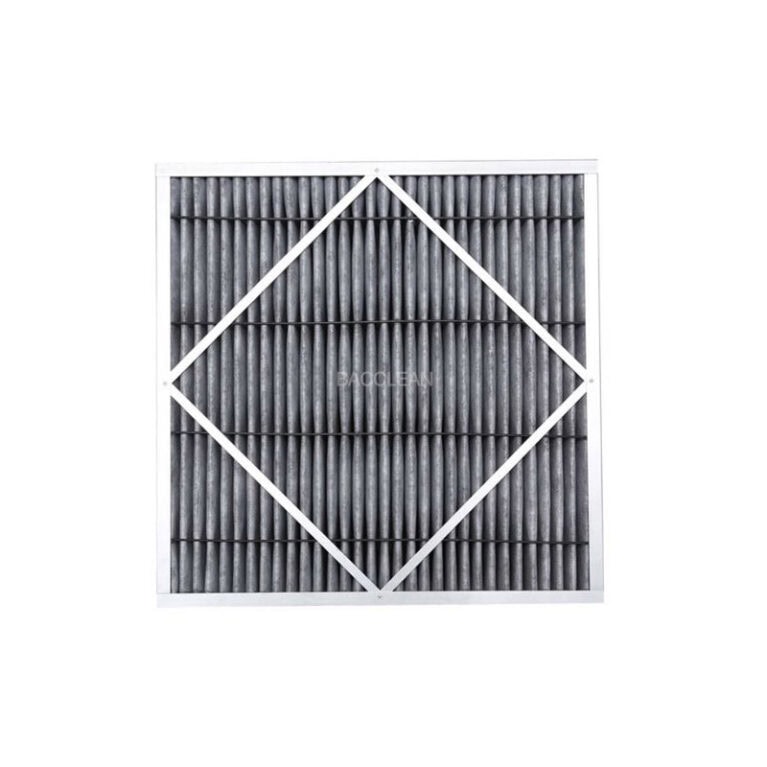
| Primary filter | Once or twice a week | Non-woven fabric filter: Soak in clean water / neutral detergent for 10-15 minutes, gently rub, then air dry; Metal mesh filter: Dust collection or water washing | Dry it thoroughly before installation to prevent the growth of microorganisms due to moisture. |
| Sealing strip | Once a month | Use a dust-free cloth to wipe and check for any dust or oil stains. | Replace immediately if aging or deforming occurs. |
| Pressure differential gauge, control panel | Once a week | Use a dust-free cloth to gently wipe, to prevent water from entering the electrical components. | Prevent damage to the instrument’s accuracy |
III. Regular Maintenance: Establish a Preventive Maintenance Plan
| Maintenance project | Maintenance cycle | Maintenance Content | Criteria for judgment |
| Wind speed and cleanliness level testing | Once a month | Use an anemometer and a particle counter to test the uniformity and cleanliness of the internal airflow. | The wind speed should be ≥ 20m/s, and the cleanliness should meet the design level (100-level / 1000-level) |
| Pressure differential monitoring | Daily recording, monthly calibration | Check the reading of the pressure differential gauge and compare it with the initial value. | When the pressure difference of the high-efficiency filter exceeds 1.5 to 2 times the initial value, consider replacing it. |
| Sealing strip inspection | Once a month | Check for aging, deformation, and detachment, and measure the compression amount. |
Replace immediately if the compression is insufficient or cracks appear. |
| Electrical system inspection | Once every quarter | Check whether the wiring, switches and contactors are loose or overheating. | If any abnormalities are found, tighten or replace immediately. |
| Fan maintenance | Once every six months | Check the lubrication of the bearings, the tension of the belts (if any), and clean the fan blades. | When there is abnormal noise or abnormal temperature from the bearing, add the special lubricating grease. |
| DOP/PAO Leak Testing | Once every 6 to 12 months | Release aerosols upstream of the filter and scan the downstream to detect the leakage rate. | When the leakage rate exceeds 0.01% and cannot be repaired, replace the high-efficiency filter. |
IV. Core Component Management: The Key Step for Longevity Extension
Filter System Maintenance (Top Priority)
Primary Filter: Must be replaced after 3-5 cleanings or after 3-6 months of use to prevent the decline in filtration efficiency and affect the lifespan of the high-efficiency filter
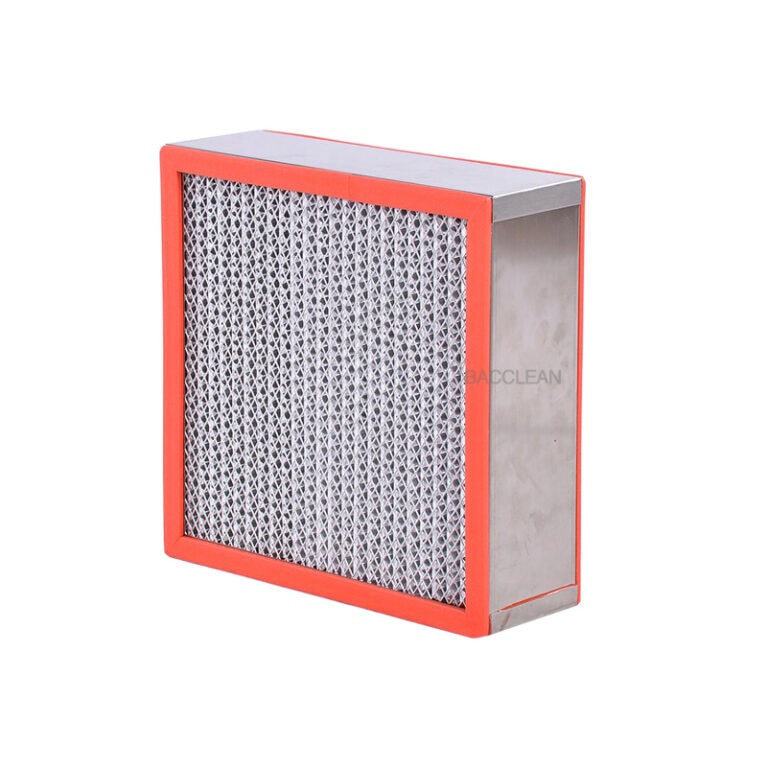
High-Efficiency Filter: Replace every 6-12 months in normal environments, and shorten to 3-6 months in high-pollution environments; replace immediately if the DOP leak test fails or the pressure difference reaches twice the initial value
When replacing the high-efficiency filter, wear clean gloves to ensure a tight fit with the frame, without any gaps, and evenly tighten the bolts
Sealant Maintenance
Select silicone rubber seals that are resistant to high temperatures and aging to ensure sealing performance
Apply special sealant during installation to enhance the sealing effect
Emergency Handling: If the sealant falls off, temporarily stick it with high-temperature adhesive tape and replace the new sealant within 24 hours
Fan and Motor Maintenance
Regularly clean the fan inlet and rotor to prevent dust accumulation that leads to a decrease in air volume and motor overload
Add food-grade lubricating grease to the motor bearings every six months to reduce friction loss
When not in use for a long time, run the machine for 10-15 minutes per month to prevent rusting of the bearings
Ultraviolet Lamp Maintenance
Test the radiation intensity quarterly. Replace the lamp tube when it is below 70% of the standard value
The lamp tube has an average lifespan of 8,000 hours, and must be replaced when it expires. Avoid prolonged exposure to personnel to prevent skin and eye damage
V. Environmental Control: Creating Suitable Operating Conditions
Temperature and Humidity Control
Maintain the operating environment temperature between 10-30℃ and relative humidity between 40%-60%
Avoid direct sunlight and heat sources to prevent the box from deforming and the sealant from aging
Environmental Management around the transfer window
Keep the area around the transfer window clean to avoid dust accumulation that affects the air intake quality
Keep away from corrosive chemicals and gases to prevent the stainless steel box and electrical components from corroding
Regularly clean the air intake area to ensure smooth ventilation
Long-term Shutdown Management
Thoroughly clean the interior, replace the new filter
Turn off the power, unplug the plug, and cover the entire machine with a dust cover
Check once a month, run the machine for 15 minutes every 3 months to maintain the activity of the components
VI. Fault Emergency and Record Management: The Guarantee System for Longevity
Common Fault Handling
| Type of Fault | Emergency handling |
Professional repair |
| Interlock failure | Manually lock the double doors and stop using them. | Inspect the circuits and locks, and replace the damaged parts. |
| Decrease in air volume | Clean the primary filter and inspect the fan | Check the pressure difference of the high-efficiency filter. Replace it if necessary. |
| Air leakage | Sealed with temporary tape. Replace the sealing strip within 24 hours. | Check the sealing of the box and repair any gaps. |
| The ultraviolet lamp is not working. | Check the power supply and the lamp tube. | Replace the lamp tube or the ballast |
Establish a complete maintenance file
Record the time, personnel and results of each cleaning, maintenance, and component replacement
Keep DOP inspection reports, filter replacement records and fault handling logs
Regularly analyze data, optimize maintenance cycles, and predict potential failures
VII. Key Prohibited Items
Prohibit non-professionals from disassembling the electrical system or mechanical locks to avoid secondary damage
High-efficiency filters must not be cleaned or reused; they can only be replaced
Prohibit welding, grinding and other operations that generate a large amount of dust in the transfer window
Avoid continuous operation of ultraviolet lamps for a long time, which may affect the lifespan of the lamp tube and the internal material of the transfer window
Through the above systematic management, the service life of the DOP laminar transfer window can be extended by 30% – 50%, while ensuring that it always maintains good cleanliness and safety, providing a reliable guarantee for the cleanroom environment.
