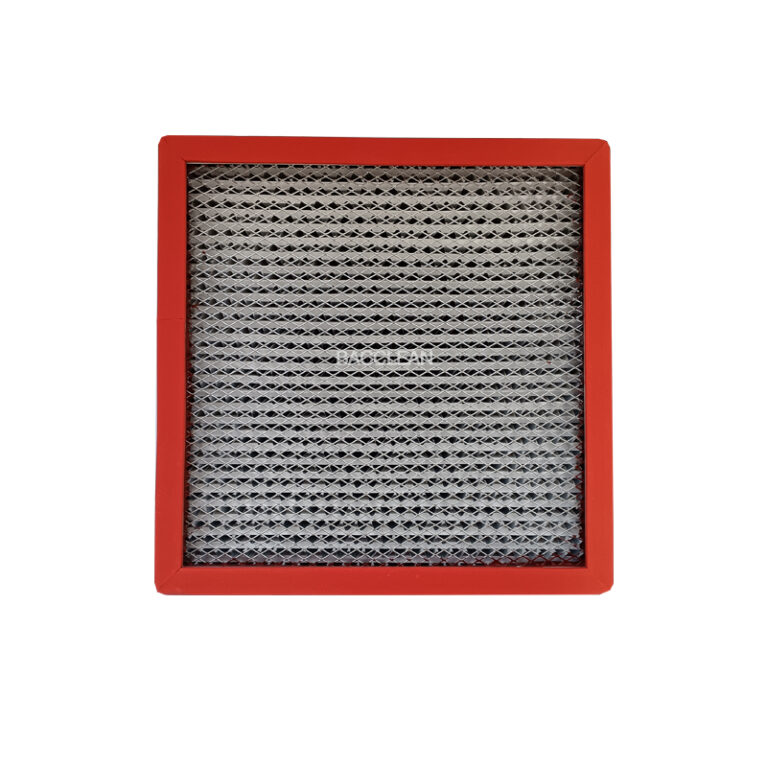
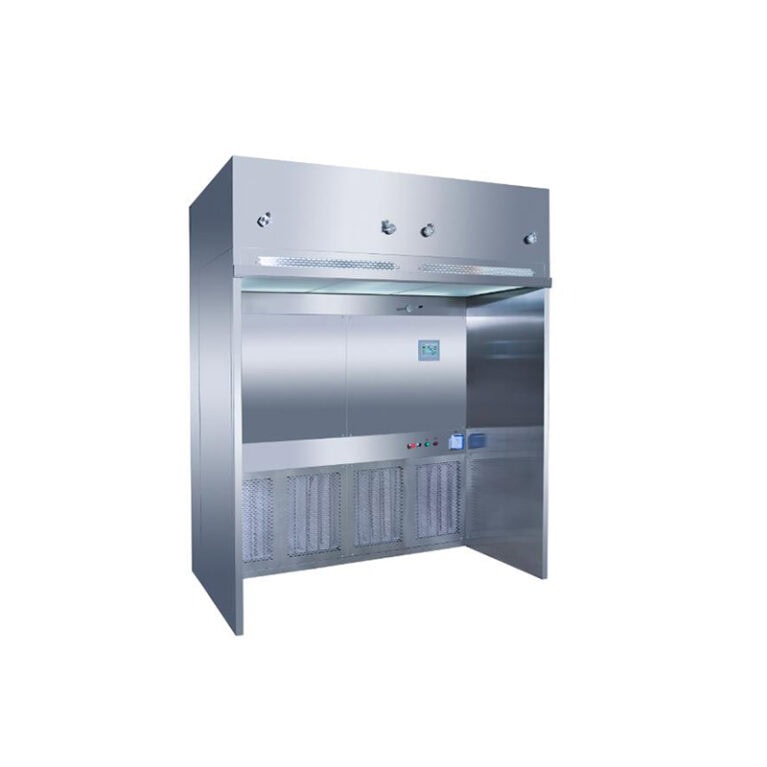
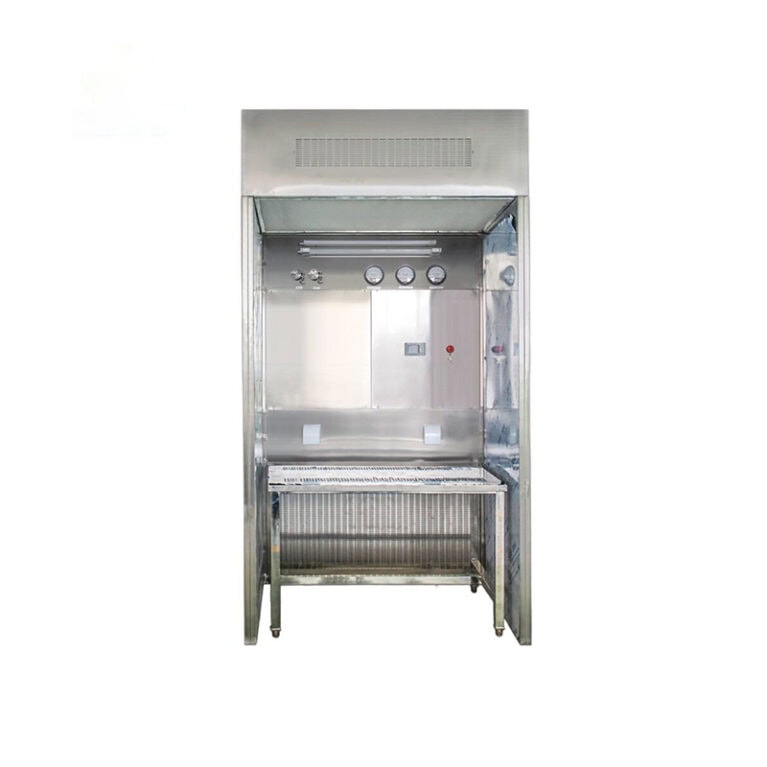
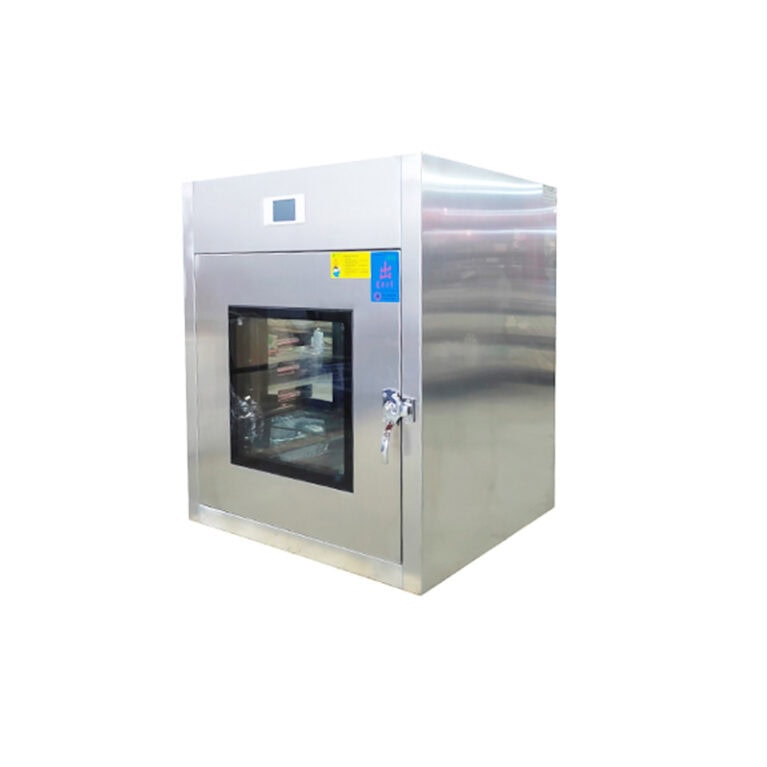
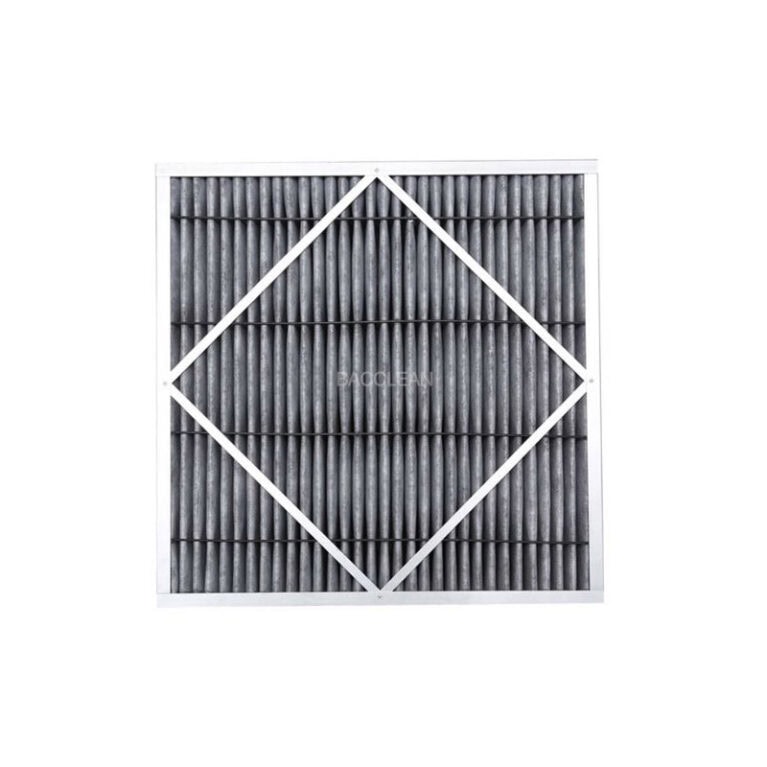
To extend the service life of high-temperature resistant air filters with separators, the key lies in reducing dust load, controlling operating conditions, and ensuring proper maintenance and protection. Considering its high-temperature resistance and high resistance characteristics, the following targeted measures can be taken:
1. A well-configured pre-filtration system is provided to intercept large particles of dust
Selection of staged filtration
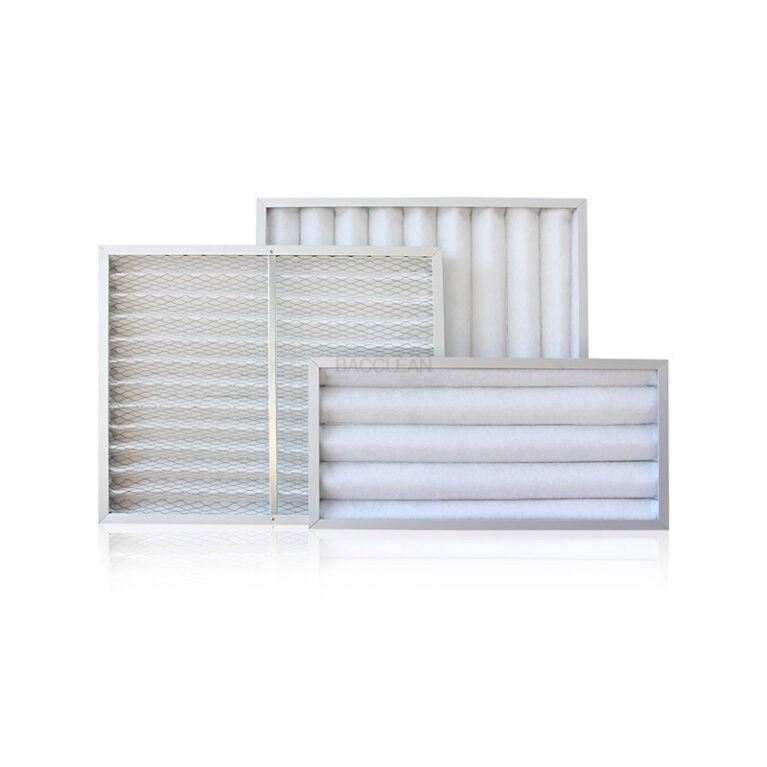
Before the high-temperature resistant filter, a medium-efficiency filter (F7-F8 grade) or a sub-high-efficiency filter (H10-H11 grade) should be connected in series. It is preferred to use a pre-filter product with the same temperature resistance (such as a medium-efficiency filter made of glass fiber, with a temperature resistance of ≥200℃) to avoid the failure of the pre-filter at high temperatures.
Function: It can intercept large particles of dust ≥1μm (accounting for over 80% of the total dust volume), significantly reduce the clogging speed of the filter material of high-temperature resistant filters, and extend their service life by 50% to 100%.
Scene adaptation: For environments with high dust concentration such as coating drying rooms and boiler exhaust gas treatment, it is recommended to adopt a “coarse + medium” two-stage pre-filtration.
The pre-filter should be replaced regularly
Establish a replacement ledger for the pre-filter and adjust the cycle according to the environmental dust concentration
Clean environment (such as high-temperature sterilization workshops in pharmaceutical manufacturing) : Replace every 3 to 6 months.
High-dust environments (such as high-temperature dust removal in metallurgy) : Replace every 1-2 months;
To prevent dust from “penetrating” into the high-temperature resistant filter after the pre-filter is clogged.
Second, strictly control the operating conditions to avoid over-parameter operation
Stabilize the air volume and wind speed
The operating air volume should be controlled within ±10% of the rated air volume of the filter. It is strictly prohibited to operate beyond the air velocity (air velocity > 0.5m/s). Excessive wind speed will intensify the impact of dust on the filter material, causing rapid clogging of the filter material’s pores and increasing the risk of filter material damage.
It is recommended to install an air volume regulating valve or a variable frequency fan to adjust the air volume in real time and avoid fluctuations in air volume caused by fan failure or changes in pipeline resistance.
Control the temperature and humidity to prevent the filter material from aging
It is strictly prohibited to operate the filter beyond its rated temperature resistance. For instance, for a 250℃ grade glass fiber filter, the long-term operating temperature should be controlled below 220℃, with a safety margin reserved to prevent the failure of the filter material binder and the embrittlement of the fibers.
In high-temperature and high-humidity environments (relative humidity > 85%), waterproof and high-temperature resistant filters should be selected, and dehumidification devices should be installed to prevent dust from clumping and clogging the filter material due to moisture, and to prevent the filter material frame from rusting and deforming.
Iii. Optimize daily maintenance and operation norms
Regularly monitor resistance and issue early warnings
The resistance is monitored in real time through the differential pressure gauge/transmitter. When the resistance reaches 80% of the final resistance, it is listed as a key concern, and backup filters are prepared in advance to avoid sudden shutdowns.
Clean the pressure guiding pipe and pressure tapping hole monthly to prevent dust blockage, which may cause distortion of the resistance reading and misjudgment of the filter status.
Standardize the start-up, shutdown and dust-proof protection of equipment
Avoid frequent start-up and shutdown of the equipment to reduce stress damage to the filter material caused by thermal expansion and contraction. When starting the equipment, run it at low speed for 10 to 15 minutes first, then increase it to the rated air volume to reduce air flow impact.
When the equipment is shut down for more than 24 hours, the air intake surface of the filter should be sealed with a dust cover to prevent external dust from settling and adhering to the surface of the filter material.
Regularly check the integrity of the filter material
Every quarter, the machine should be shut down to inspect the sealing condition of the filter. Check if the filter material is damaged, wrinkled, or if the sealant is cracked. Repair or replace the damaged parts in time to prevent the unfiltered airflow from short-circuiting through.
Fourth, select high-quality filter products to enhance durability from the source
Select high-quality filter materials and frames
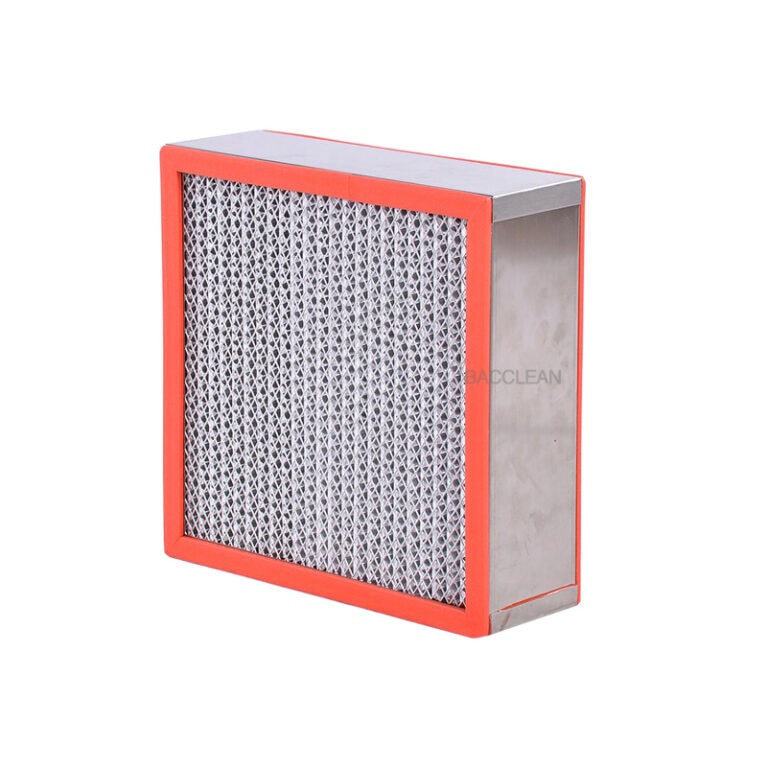
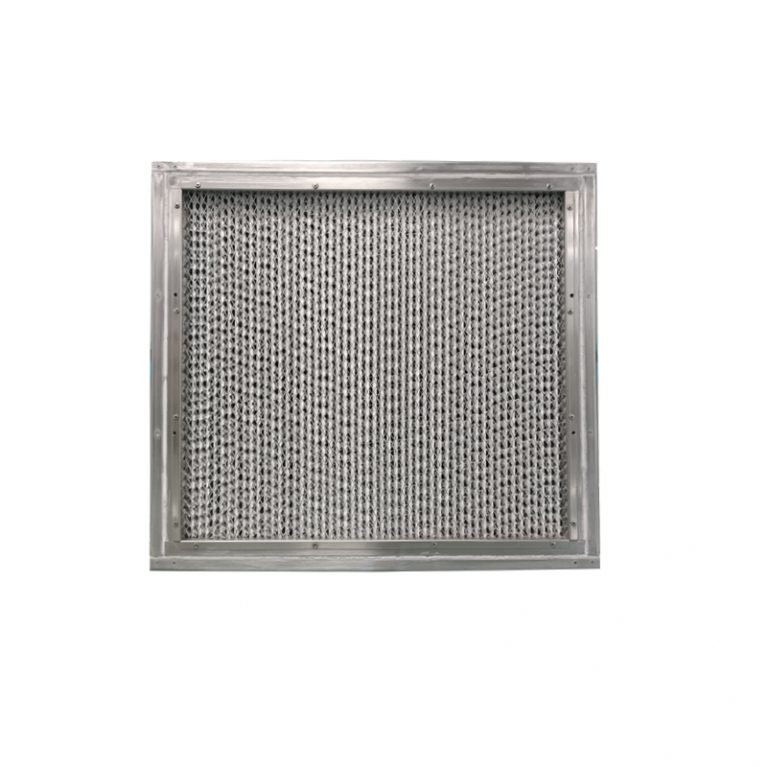
Filter material: Select superfine glass fiber or ceramic fiber materials. The fibers are evenly distributed, with stable pore structure, and have stronger resistance to high-temperature impact and dust wear.
Frame: Galvanized steel plate or stainless steel frame is selected, and high-temperature resistant silicone rubber (with a temperature resistance of ≥300℃) is used as the sealant to prevent frame deformation and sealing failure at high temperatures.
Select the product model that is suitable for the working conditions
Customize filters based on actual dust concentration, temperature and air volume parameters to avoid “overkill” or “overkill”. For instance, in high-dust environments, filters with a larger windward area can be selected to reduce the dust load per unit area of the filter material.
Summary
The core logic for extending the service life of high-temperature resistant air filters with separators is “reducing burden + stabilizing operating conditions + frequent maintenance” : By reducing dust entry through pre-filtration, controlling air volume and temperature to prevent filter material damage, and conducting regular monitoring and maintenance to promptly eliminate potential hazards, the service life of the filter can be extended by more than 50%, while ensuring stable filtration efficiency.