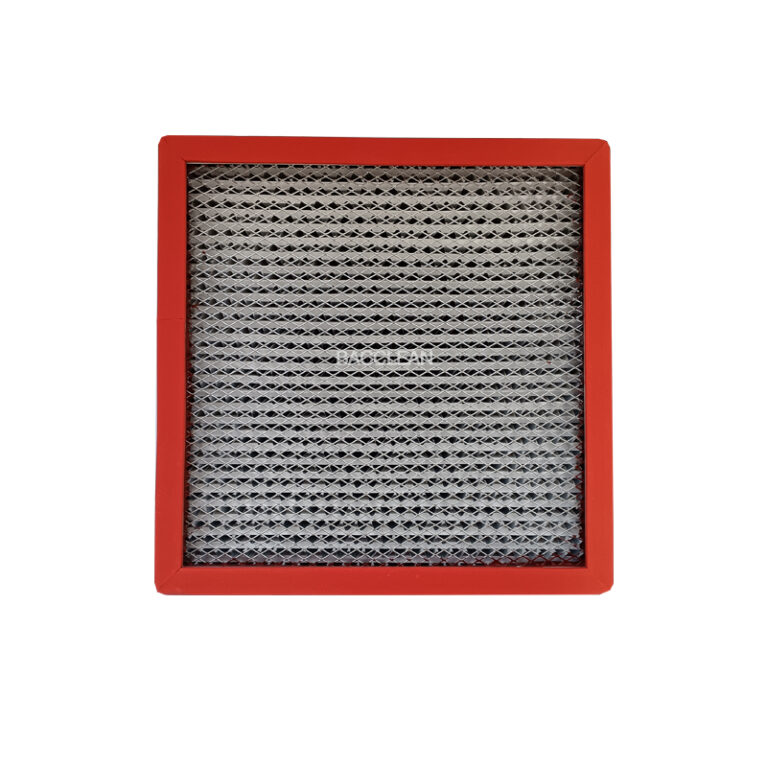
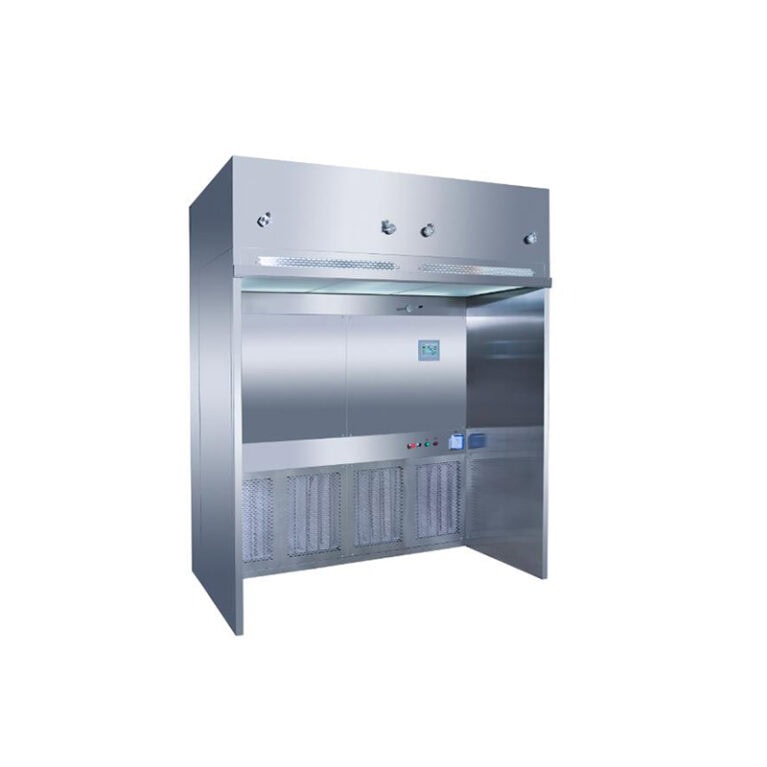
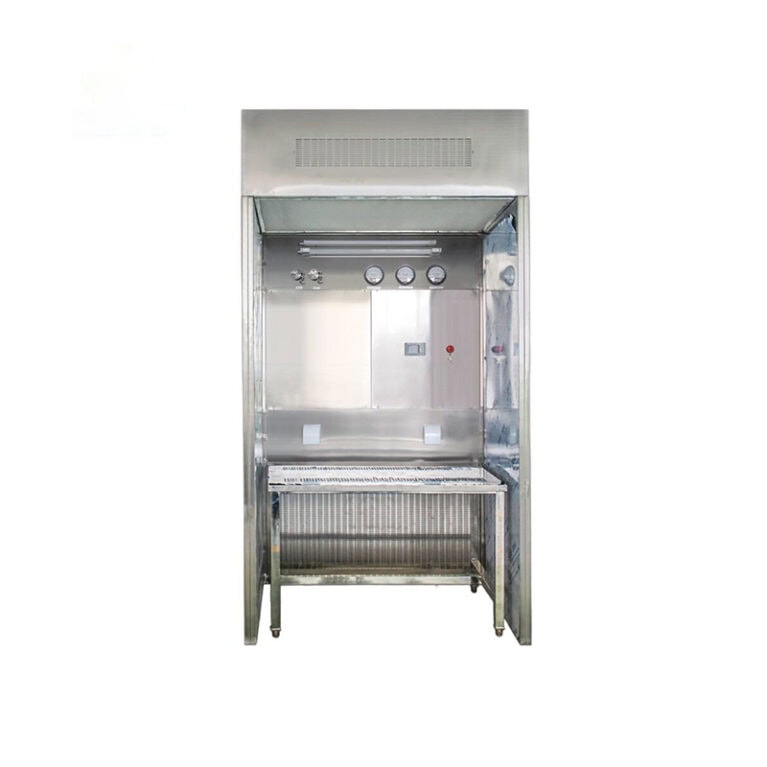
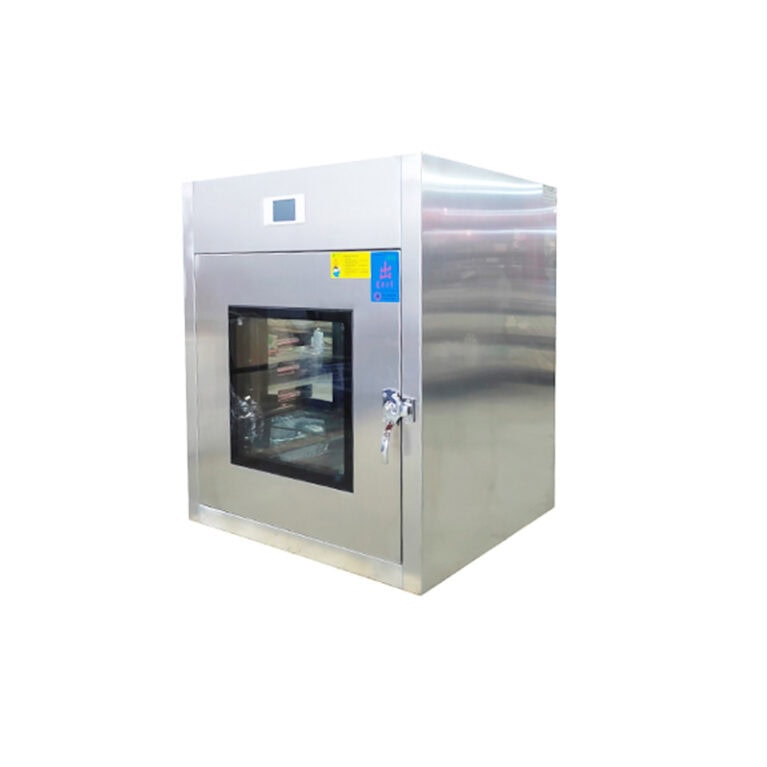
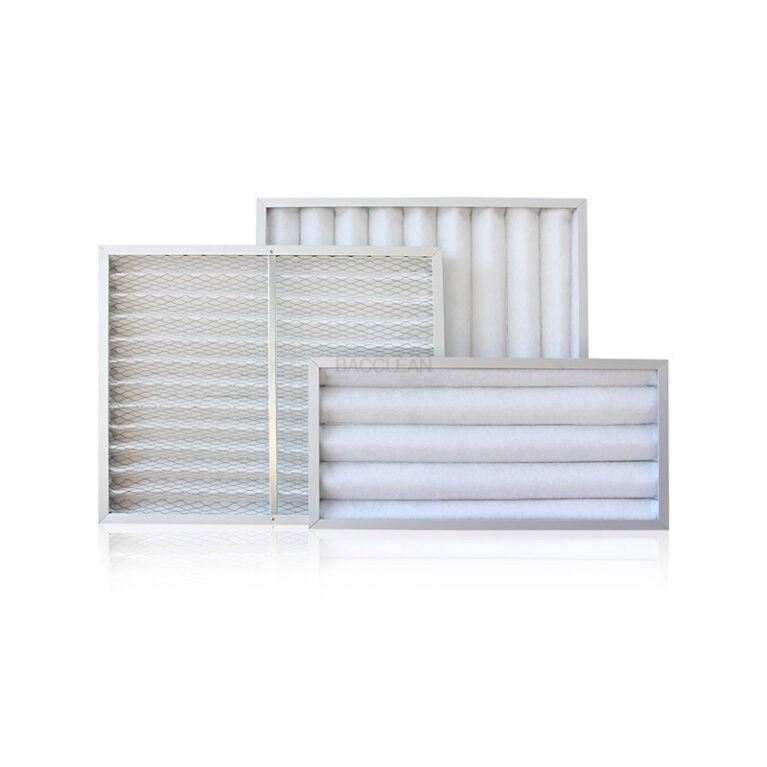
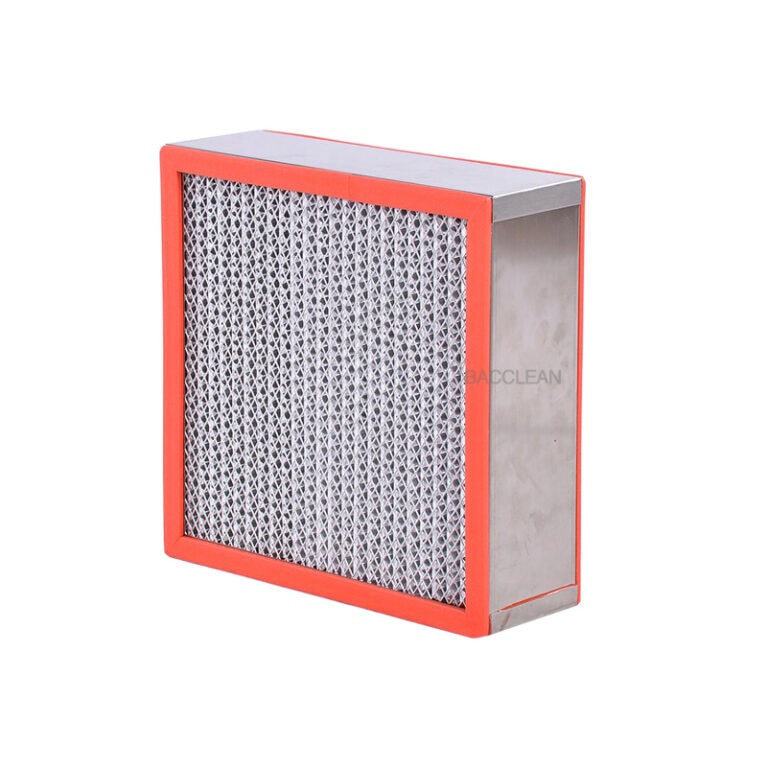
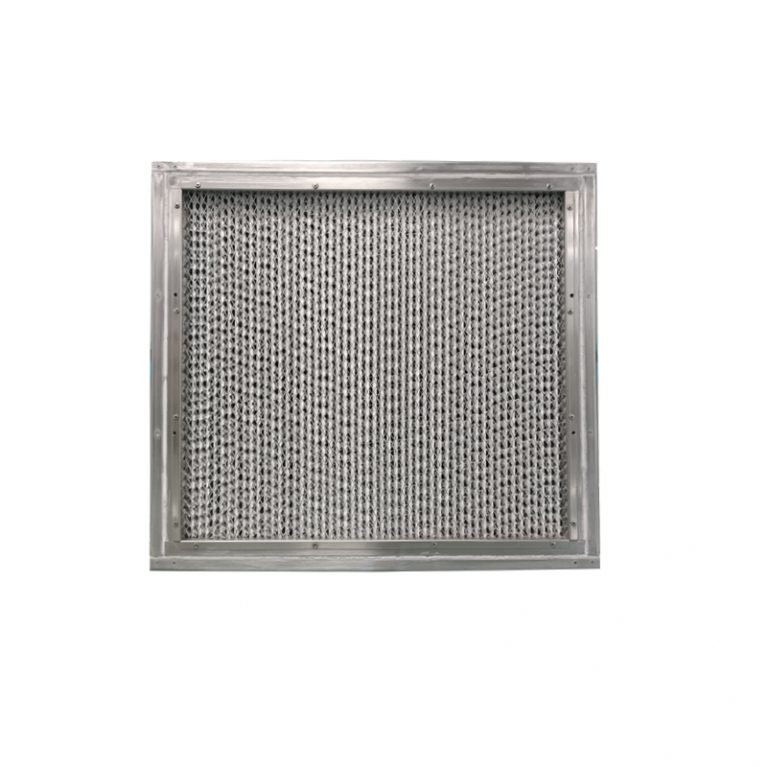
Determining whether the pre-filter (primary or secondary) needs to be replaced is quite simple. Just remember the 4 criteria and you can make the decision by observing and testing on-site without having to guess.
1. Check the pressure difference (the most accurate and standard method)
This is the most common method used in HVAC and cleanroom systems:
When installing, record the initial pressure difference.
If the pressure difference reaches twice the initial pressure difference, it’s time to replace it.
Common experience values (for quick judgment only):
Primary filter: Final resistance 90-150 Pa
Secondary filter: Final resistance 150-250 Pa
As long as the pressure difference reaches this level, regardless of whether it’s dirty or not, it is recommended to replace it. Otherwise, the lifespan of the subsequent high-efficiency filter will be significantly shortened.
2. Check the appearance (the most intuitive)
Without using instruments, you can also make the judgment:
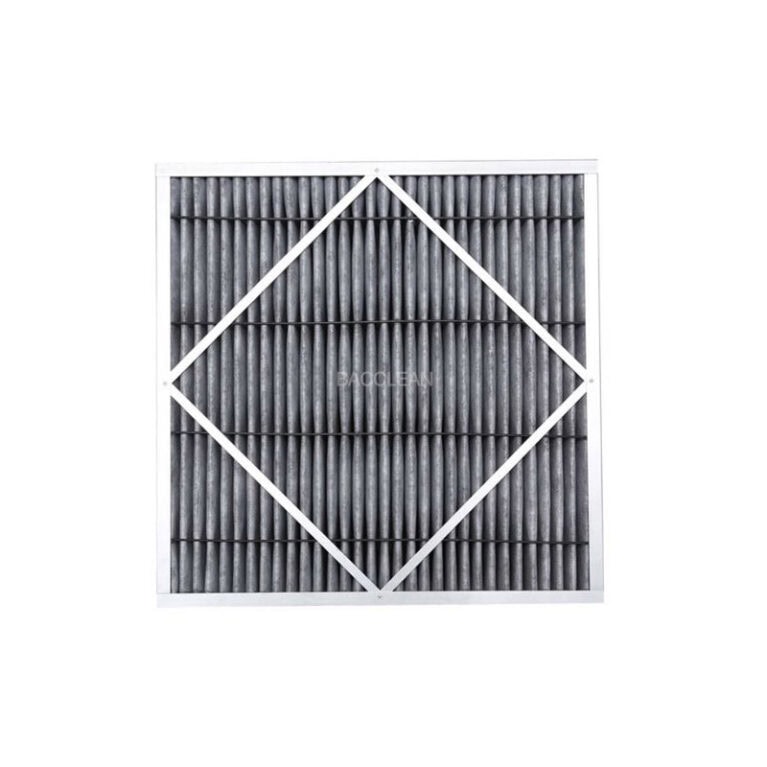
The filter material is obviously blackened, yellowed, or covered with dust
The filter screen is deformed, collapsed, or bulging
The frame, sealing area has chips, damage, or air leakage
The surface has mold spots, water stains, or corrosion
If any of these conditions occur, replace it immediately.
3. Feel the wind speed (simple and practical)
The air volume at the outlet has significantly decreased
Compare the wind speed at the same outlet before and after, and it has decreased significantly
The pressure difference and air change rate of the cleanroom do not meet the design requirements
This basically indicates that the pre-filter is blocked.
4. Check the usage time (backup reference)
If there is no pressure difference meter, make a conservative judgment based on time:
Primary filter: 1-3 months