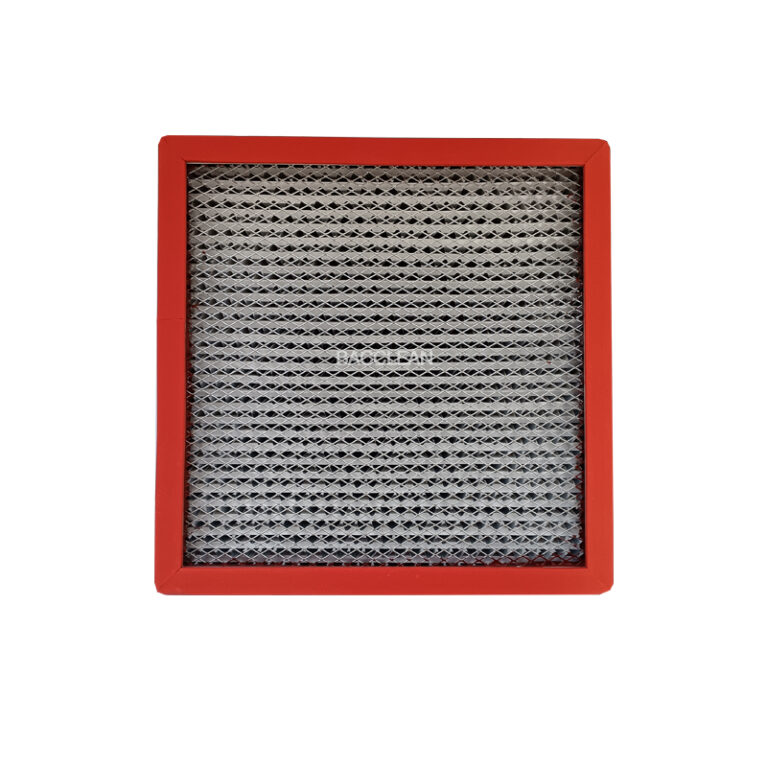
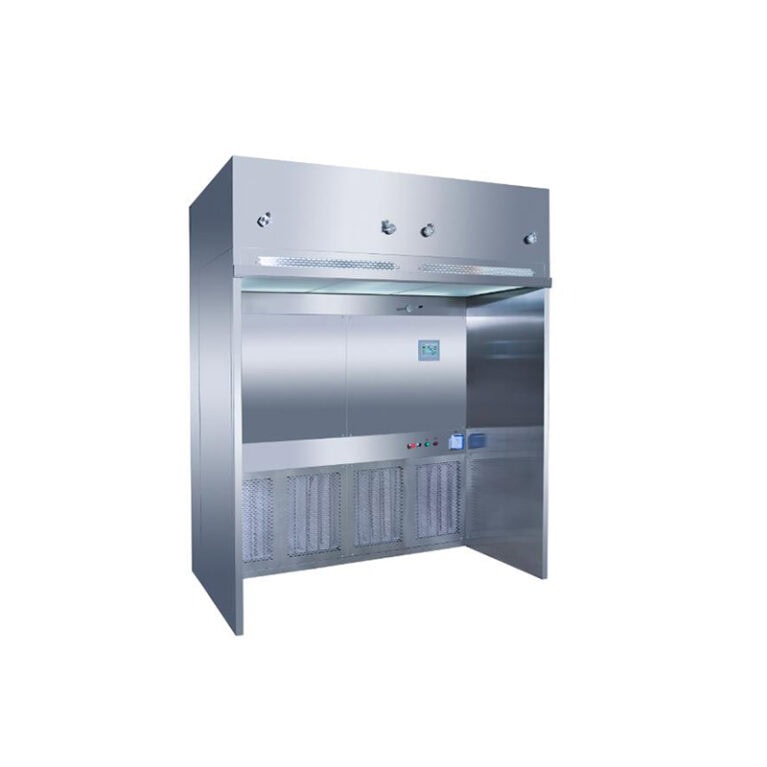
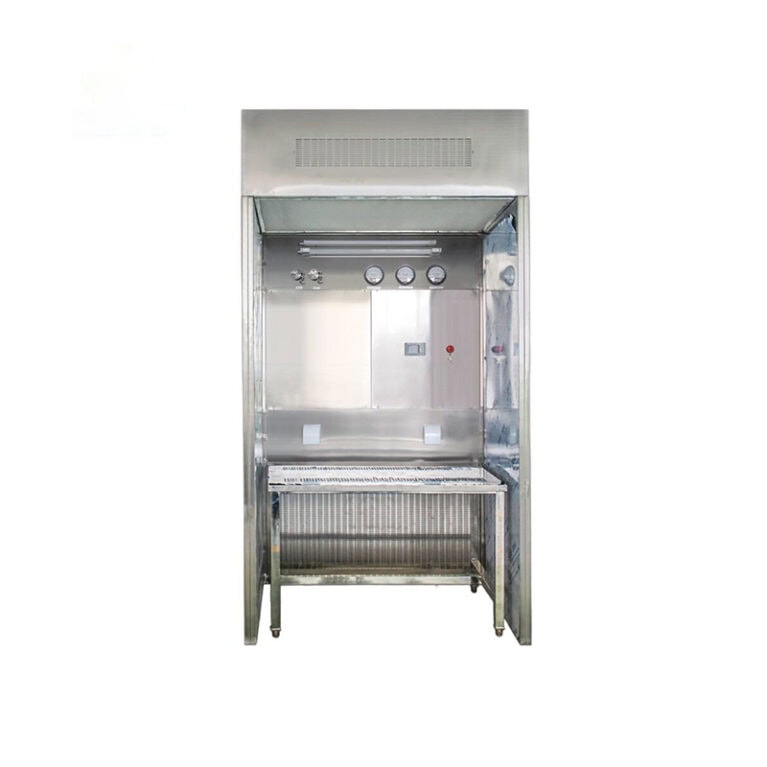
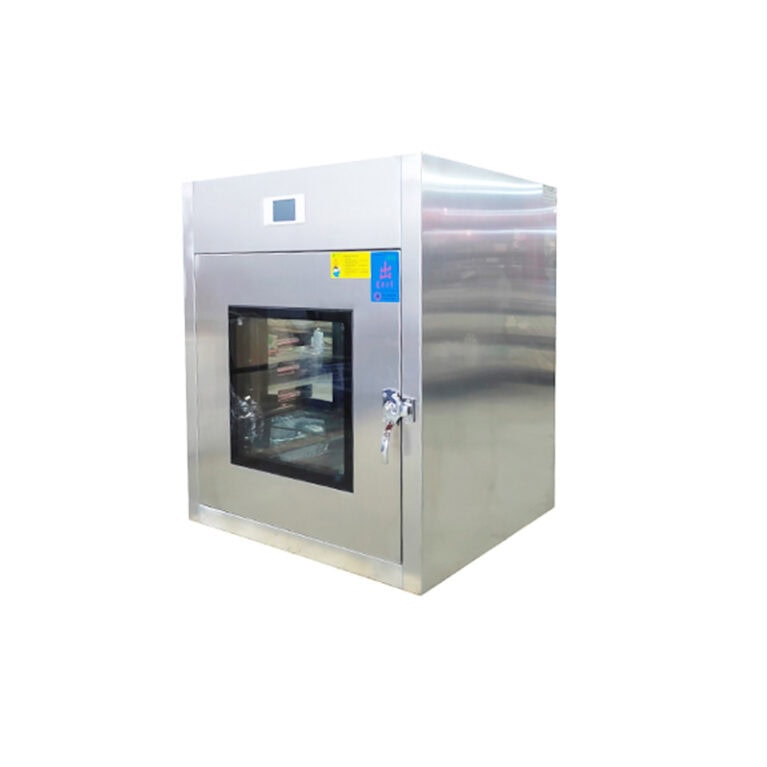
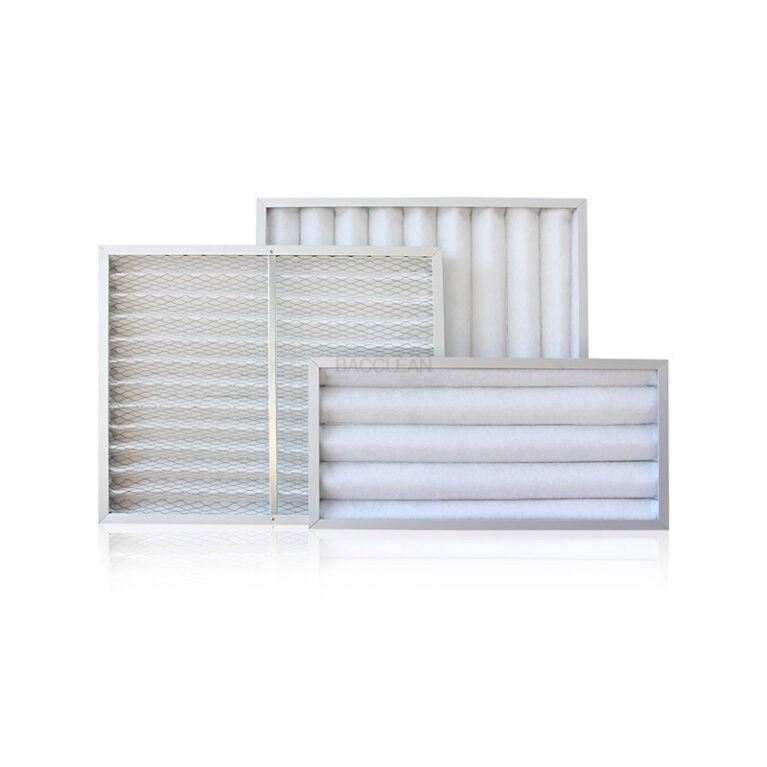
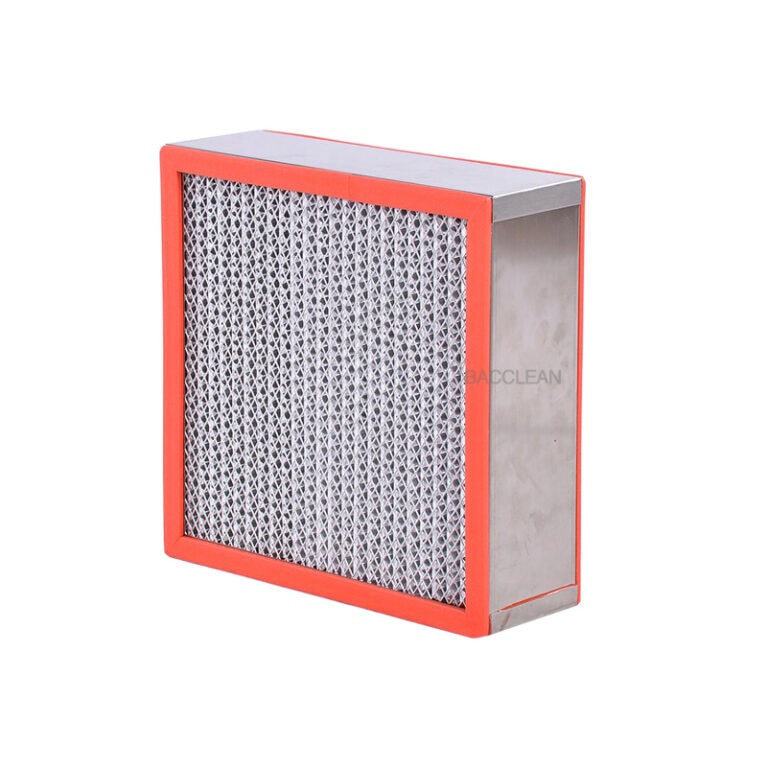
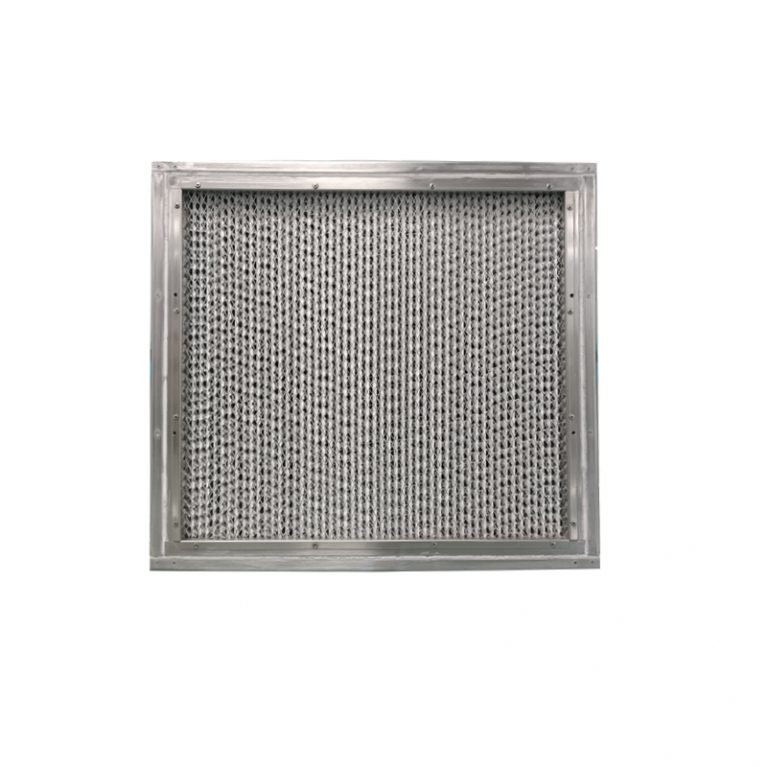
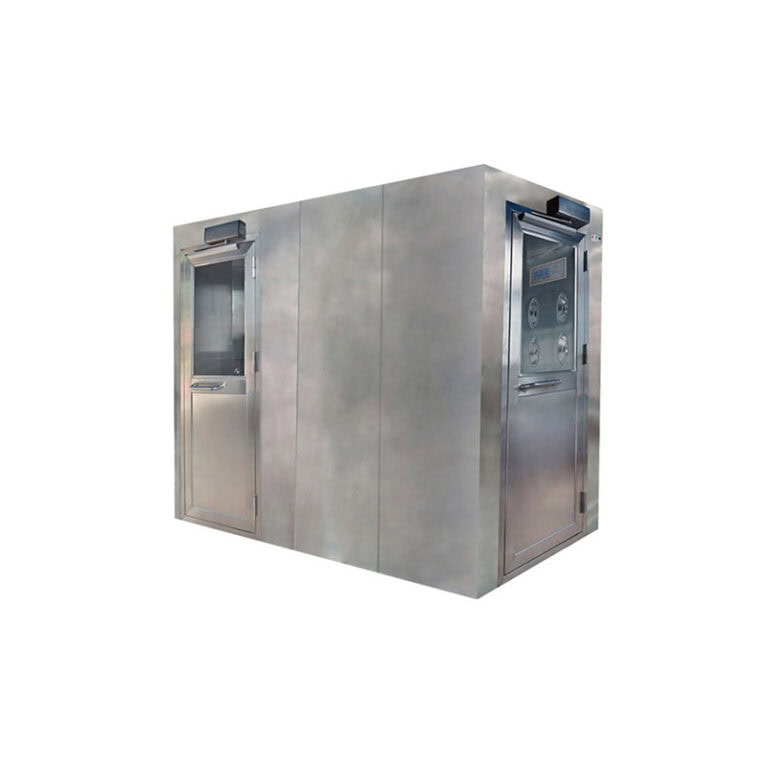
To determine whether the high-efficiency filter (commonly H13/H14 grades) of the automatic double-door material shower needs to be replaced, it is necessary to take quantitative data as the core, performance testing as the support, and intuitive phenomena as the supplement, and make a comprehensive judgment in combination with the operating status of the equipment. Specifically, the following priority can be investigated
I. Core Judgment Basis: Differential Pressure gauge monitoring data (The most intuitive and crucial)
The pressure difference change of high-efficiency filters directly reflects the degree of filter material clogging and is the primary criterion for replacement.
Basic premise: Record the initial pressure difference of the filter in a brand-new state (standard range: 100-300Pa, subject to the equipment manual).
Change threshold (to be changed if any condition is met) :
The operating pressure difference is ≥ 1.5 times the initial pressure difference (for example, if the initial pressure difference is 200Pa, when the pressure difference rises to 300Pa or more).
If the operating pressure difference remains persistently above 500Pa (even if it does not reach 1.5 times the initial value, it indicates that the filter material is severely clogged, which will lead to a sudden drop in the air blowing speed and an increase in energy consumption).
The operating pressure difference is less than 50Pa (most likely due to filter material damage, loose installation frame or seal failure, causing air flow short circuit and no filtration effect).
Ii. Key Verification Methods: Filter Integrity Testing (Precise Leak Detection)
Confirm whether the filter has failed through professional testing to avoid the hidden danger of “pressure difference meeting the standard but leakage exists”
Detection method: Every quarter, a particle counter (with a particle size of 0.3μm) is used to scan and detect the air outlet surface of the high-efficiency filter.
Criteria for judgment
If an abnormal increase in particulate matter concentration is detected in a local area during scanning (exceeding the requirements of the corresponding clean area grade, such as ≥0.3μm particles ≤ 3,520,000 particles /m³ in Class 8 clean areas), it indicates that the filter material has pinholes, damage or installation gaps, and it needs to be replaced immediately.
When conducting the inspection, the fan should be turned off and the air outlet guard cover removed to ensure that the scan covers the entire air outlet surface of the filter (including the connection between the frame and the box).
Iii. Auxiliary Judgment Signals: Equipment Operation and Environmental Phenomena
When the pressure difference or detection data is not clear, but the following phenomena occur, it is necessary to focus on investigation and consider replacement:
Abnormal air-blowing performance
The air velocity at the outlet remains persistently below 15m/s (after ruling out fan failure, clogging of the primary filter, and dust accumulation in the pipeline, it can be determined that the high-efficiency filter is clogged).
When blowing air, there is a “whistling sound”, “uneven airflow”, or the noise of the fan operation increases significantly (due to the clogging of the filter material causing an imbalance in airflow resistance).
The environment in the clean area does not meet the standards
If the detection results of the particle counter in the clean area exceed the set grade (for example, the requirement for particles ≥0.3μm in the electronic workshop Class 7 is ≤ 352,000 particles /m³), and after excluding other pollution sources such as personnel, materials, and building seals, it is necessary to suspect that the high-efficiency filter has failed.
Issue with the intuitive appearance of filter materials:
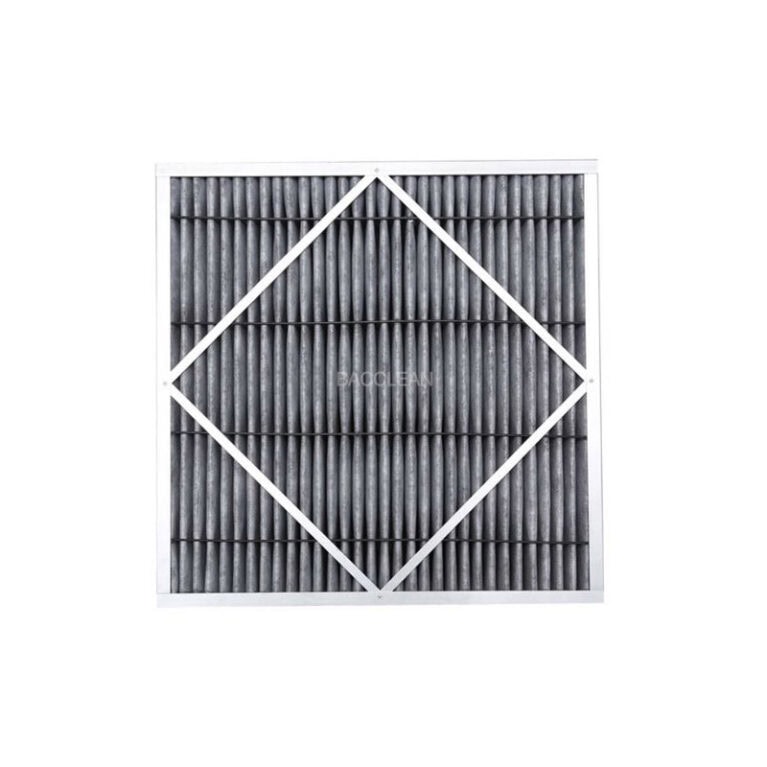
During disassembly and inspection, it was found that the surface of the filter material had obvious damage, deformation, mold, or the sealing glue of the frame had cracked or fallen off.
The color of the filter material has turned dark gray/black, and there is no significant improvement after purging (indicating that the interior of the filter material is saturated and can no longer intercept particulate matter).
Iv. Mandatory replacement in special scenarios
Major dust pollution, chemical leakage and other accidents occur in the area where the material spray room is located, which may cause pollutants to penetrate the filter material.
If the equipment has been out of use for a long time (more than 6 months), the filter material may become damp, breed microorganisms, or the pressure difference may be normal after it is reactivated.
When the service life of the high-efficiency filter reaches the upper limit of the regular cycle (even if the pressure difference and detection are normal, it is still recommended to replace it, such as 1-2 years in a standard environment and 6-12 months in a high-dust environment).
Summary of Core Principles
The replacement of high-efficiency filters should follow the logic of “pressure difference priority, detection and verification, and phenomenon supplementation”. The core basis should be the quantified data of the pressure difference gauge first, followed by integrity detection to confirm no leakage, and finally a comprehensive judgment should be made in combination with the operating status of the equipment and the environmental effect. Avoid blindly replacing based solely on usage time or neglecting leakage issues due to non-compliance with pressure difference standards. Ensure the dust isolation effect of the material shower on the clean area and guarantee that the cleanliness of the production environment meets the specification requirements.