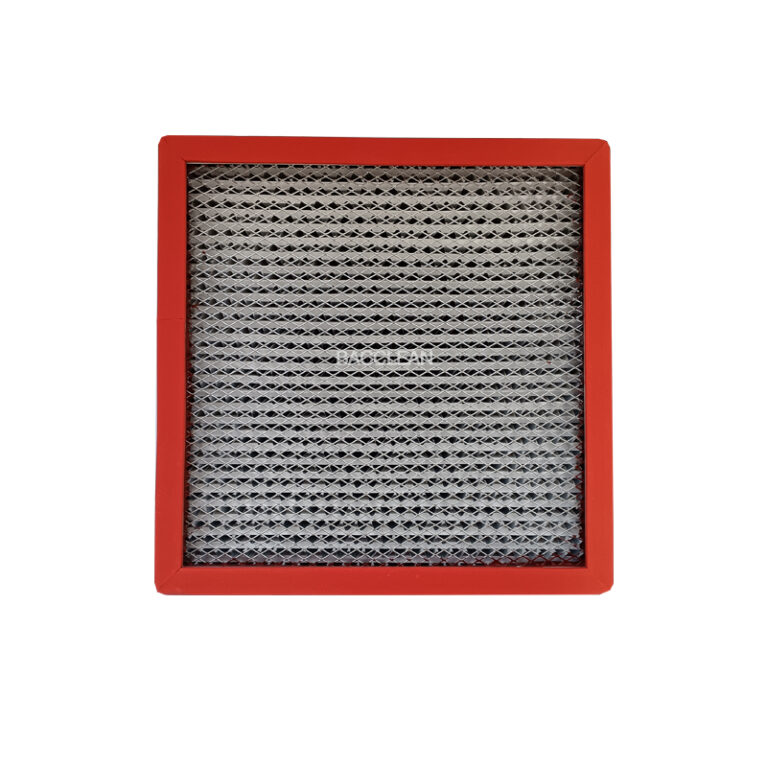
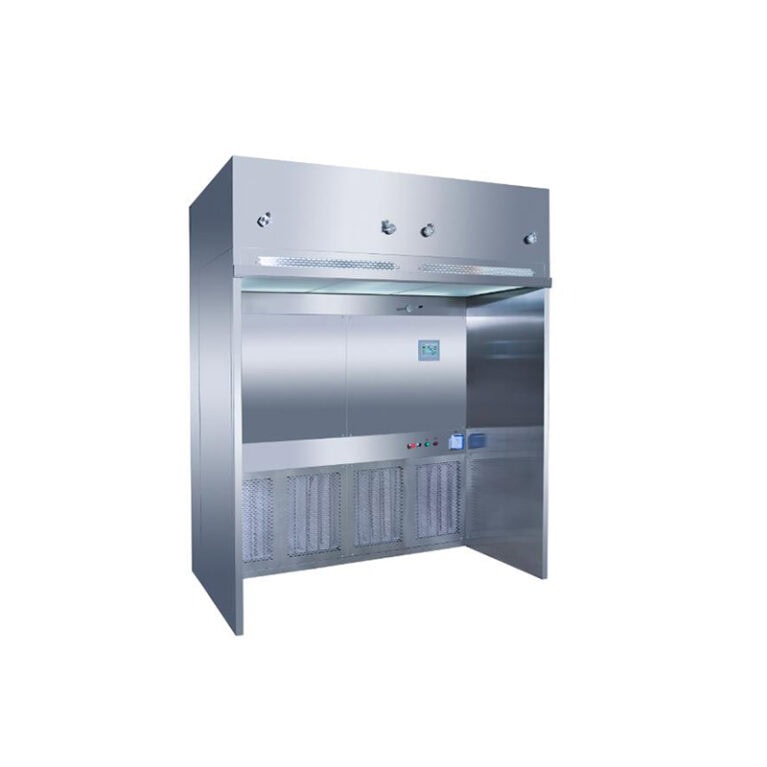
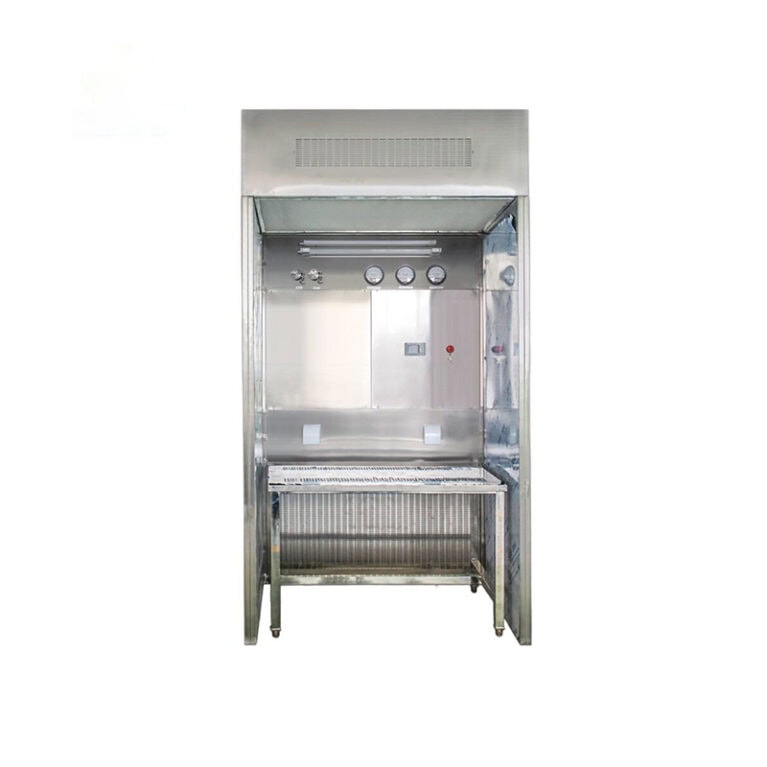
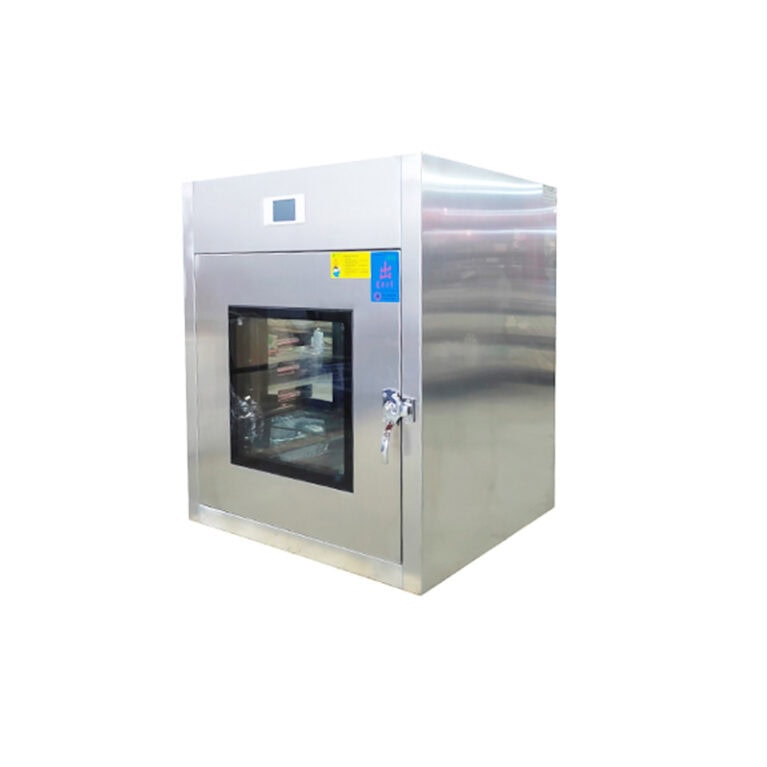
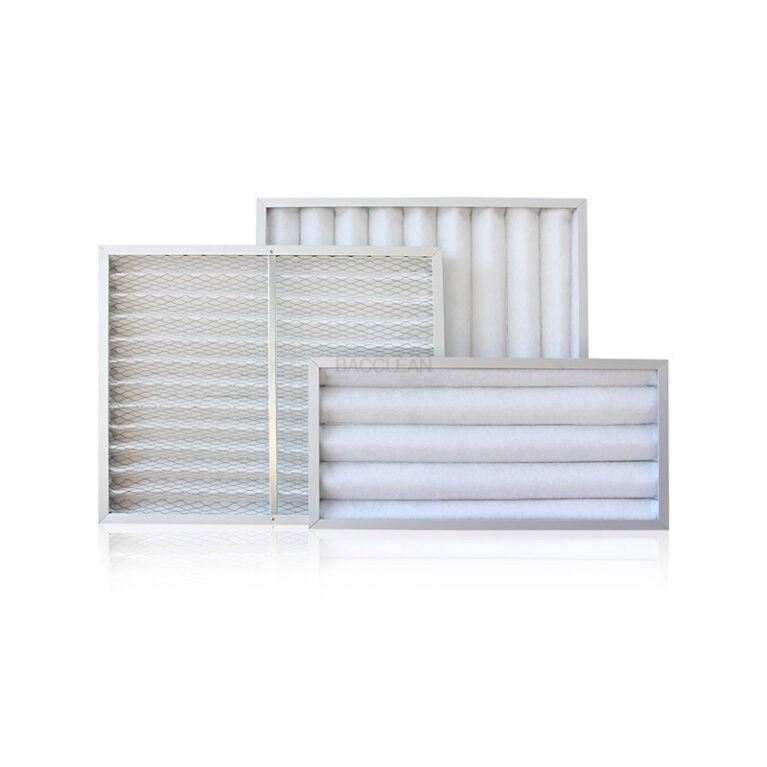
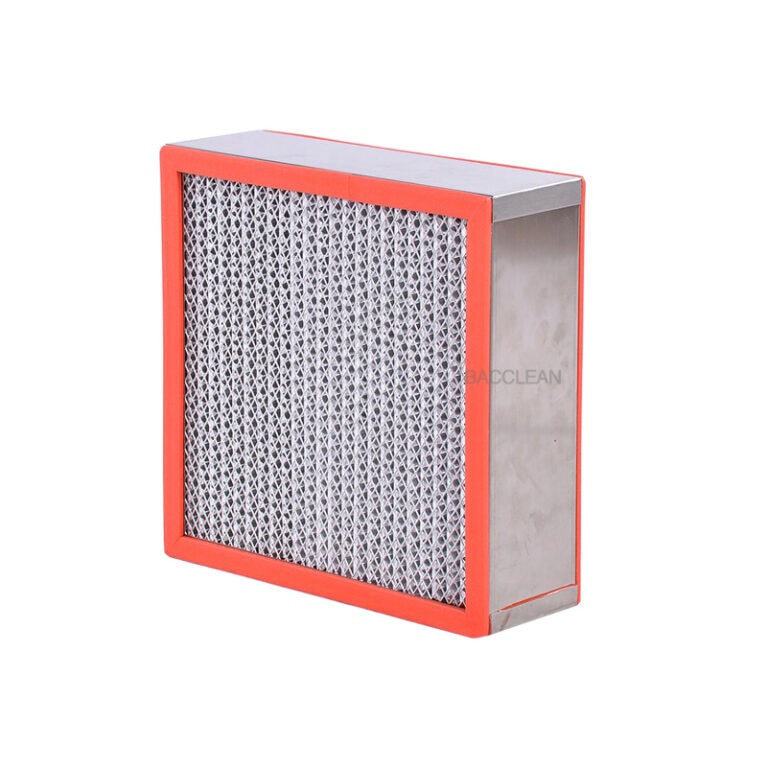
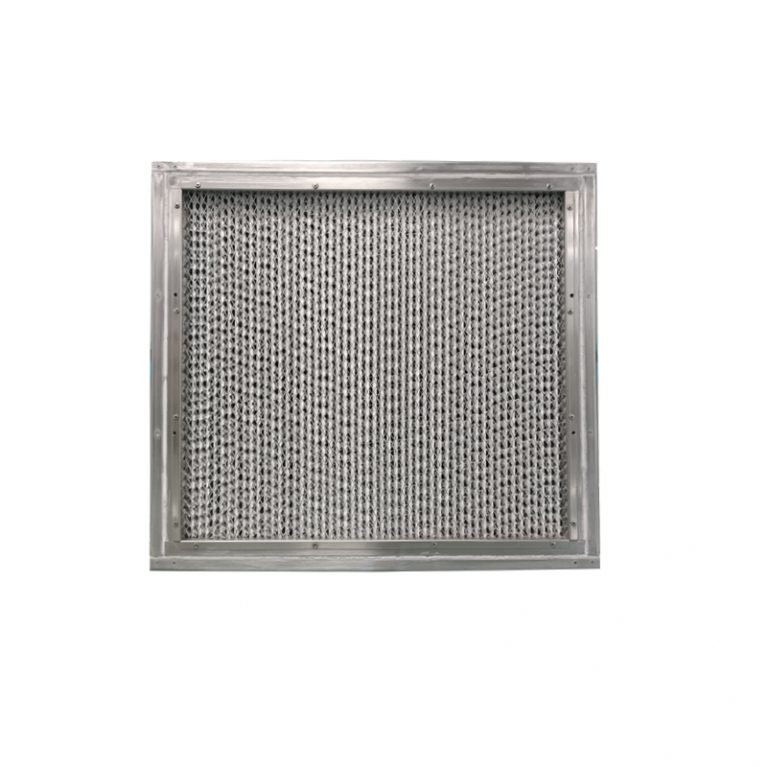
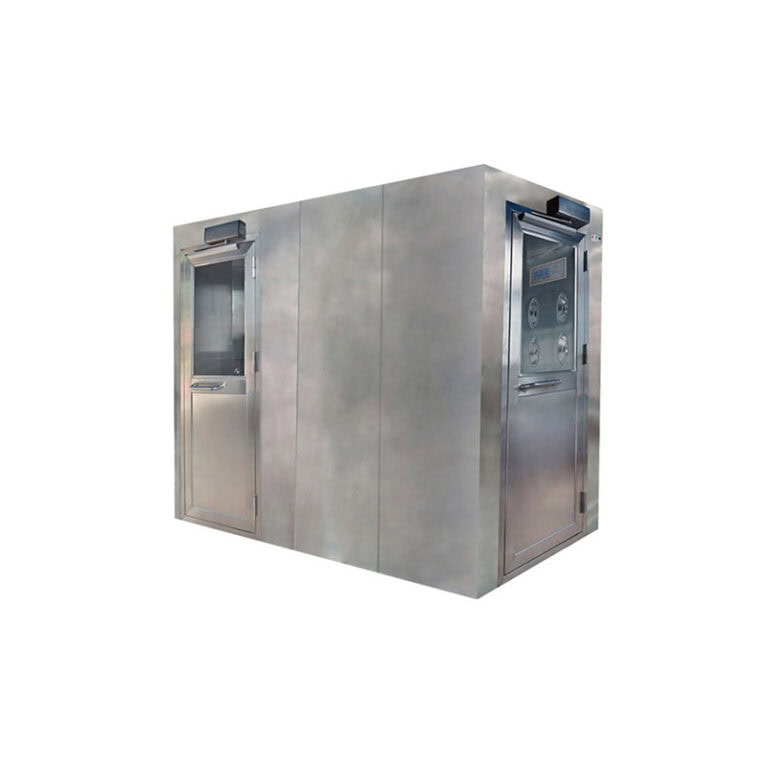
To determine whether the filter of an explosion-proof air shower needs to be replaced, a comprehensive judgment should be made by combining pressure difference monitoring, visual inspection, functional effect and explosion-proof safety requirements. The core is to distinguish the different replacement standards of primary filters and high-efficiency filters, and at the same time avoid potential safety hazards during the inspection process. The following are the specific judgment methods:
I. Core Judgment Basis: Differential Pressure Monitoring (the most scientific and preferred method)
Both the primary and high-efficiency filters of explosion-proof air shower rooms need to be equipped with differential pressure gauges (some explosion-proof models use flameproof differential pressure gauges). By monitoring the resistance changes of the filters, the replacement timing can be determined. This is a commonly used precise standard in the industry.
Primary filter
Initial resistance: Usually 50 to 100Pa
Replacement threshold: When the reading of the differential pressure gauge reaches twice the initial resistance or exceeds 200Pa, it must be replaced immediately (or cleaned and reused; if the resistance still exceeds the standard after cleaning, it must be replaced).
Explosion-proof precautions: When inspecting the differential pressure gauge, use anti-static tools to wipe the dust off the dial. It is strictly forbidden to strike or disassemble the explosion-proof sealing components of the differential pressure gauge.
High-efficiency filter
Initial resistance: Usually 100 to 200Pa
Replacement threshold: When the reading of the differential pressure gauge reaches the final resistance (typically 300 to 400Pa, subject to the equipment manual), it must be replaced and cannot be cleaned and reused.
Special circumstances: If the high-efficiency filter has not reached the final resistance but the pressure difference rises sharply within a short period of time (such as more than 50Pa within one week), it is necessary to check whether there is filter blockage, seal failure or abnormal dust accumulation inside the air shower. If it is the filter itself that is blocked, it should be replaced in advance.
Ii. Auxiliary Judgment Basis: Visual Inspection (Intuitive and easy to operate)
When there is no differential pressure gauge or the differential pressure gauge is faulty, visual inspection can be used for judgment. During operation, anti-static tools must be used, and it is strictly forbidden to touch the filter frame with metal instruments.
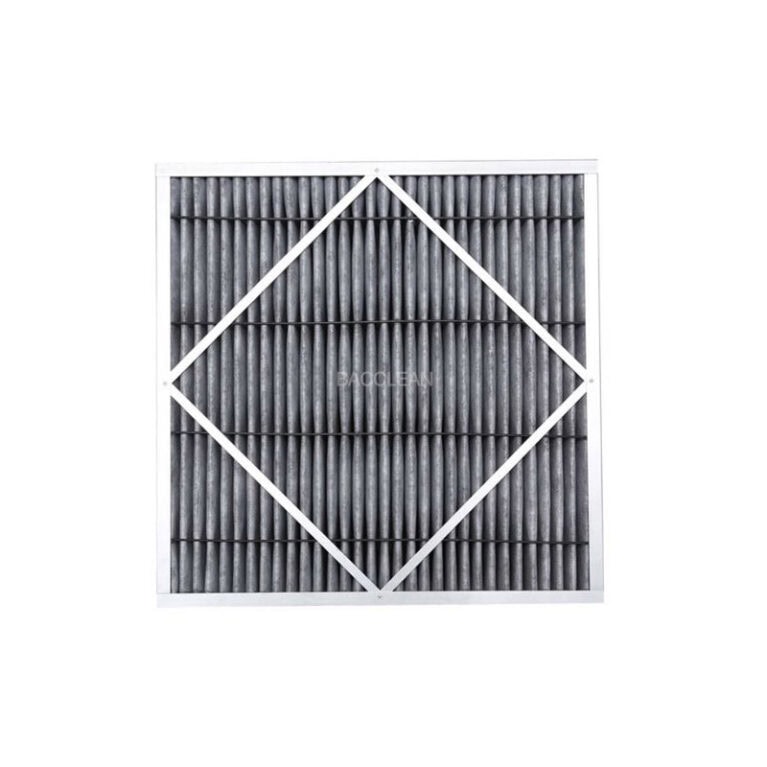
Primary filter
The surface of the filter is severely dusted, with obvious grayish-black stains, oil stains or debris clogging. Even after cleaning, it still cannot restore its permeability.
The filter frame is deformed or damaged, or the filter material is torn or fallen off, resulting in the failure of the filtration effect.
The filter material ages, hardens and loses its elasticity, making it unable to effectively capture dust.
High-efficiency filter
The sealing rubber strip of the filter ages, cracks or falls off, causing unfiltered air to leak through the gap (explosion-proof air shower rooms must strictly avoid this situation to prevent flammable and explosive dust or gas from entering the clean area).
Obvious damage or holes appear on the surface of the filter material, or the frame is deformed, resulting in poor sealing between the filter material and the frame.
Uneven dust on the surface of the filter, with local blackening and caking, indicates abnormal airflow distribution and may have partially failed.
Iii. Basis for Functional Judgment: Verification of air shower effect
When the performance of the filter declines, the cleaning function of the air shower will be directly affected, which can be judged by the following phenomena:
During the air shower, the air output from the nozzle is significantly weakened, and the air shower time needs to be extended to achieve the original dust removal effect.
The dust settling speed inside the air shower chamber accelerates, and obvious dust accumulation appears within a short period after cleaning.
After the personnel/materials enter the clean area through air shower, the cleanliness test fails to meet the standard (such as the number of particles detected by the particle counter exceeding the standard).
Iv. Special Judgment Requirements for Explosion-proof Environments
If the filter replacement needs to be carried out within the explosion-proof area, even if the replacement threshold has not been reached, if the connecting screws between the filter frame and the air shower box are loose or there are gaps at the sealing area, the machine should be stopped first for handling. If necessary, the filter should be replaced in advance to prevent the leakage of flammable and explosive media.
All replaced filter spare parts must be original factory compliant products. High-efficiency filters should have a sealed design suitable for explosion-proof environments. It is strictly prohibited to use filters of non-explosion-proof specifications as substitutes.
V. Summary of Priority Changes
High-efficiency filter: When the pressure difference reaches the final resistance > filter material damage/seal failure > cleanliness does not meet the standard, replace it if any of these conditions are met.
Primary filter: When the pressure difference reaches twice the initial resistance > remains clogged after cleaning > the filter material is damaged or aged, prioritize cleaning and reuse. If it cannot be reused, replace it.