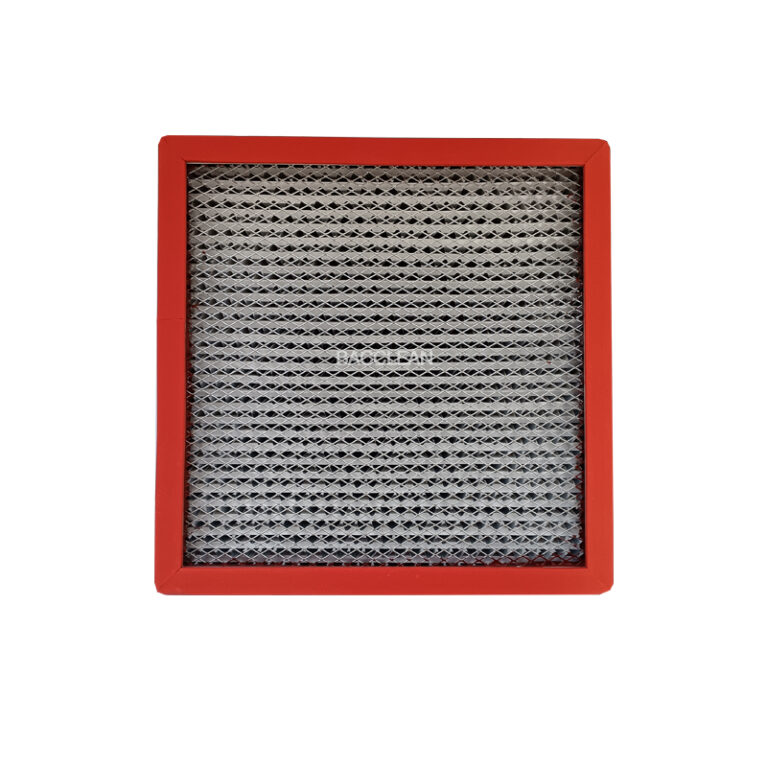
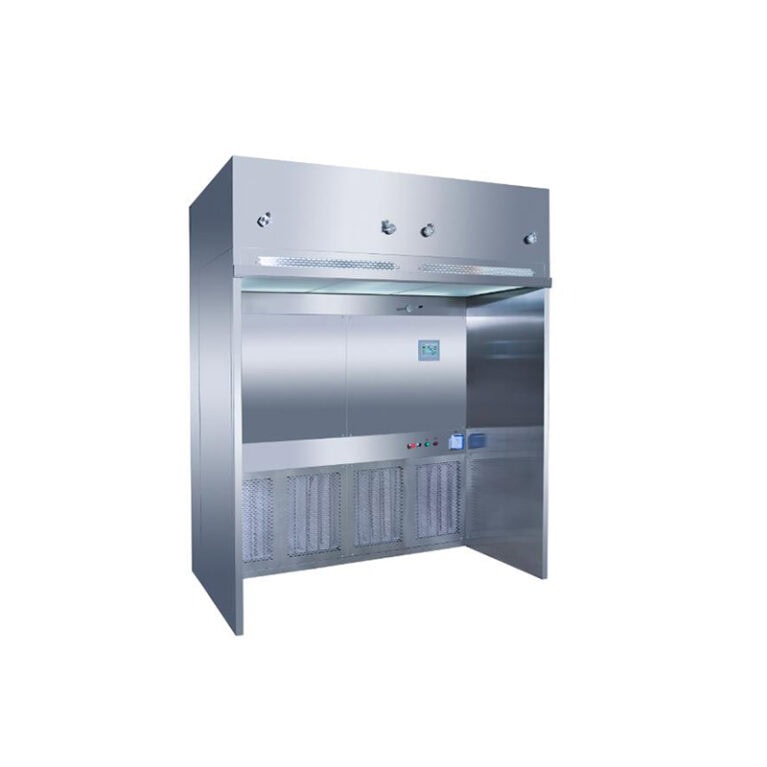
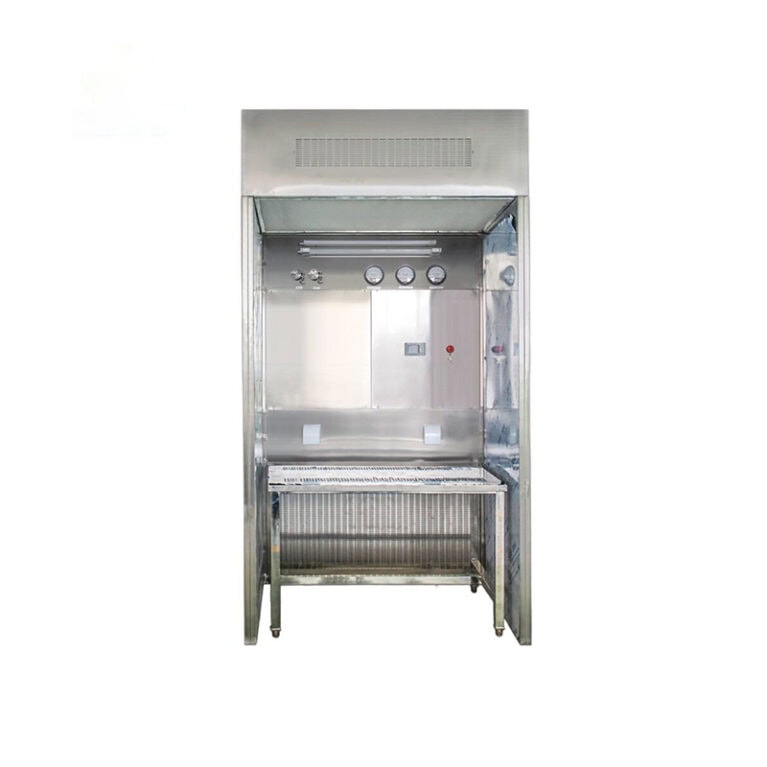
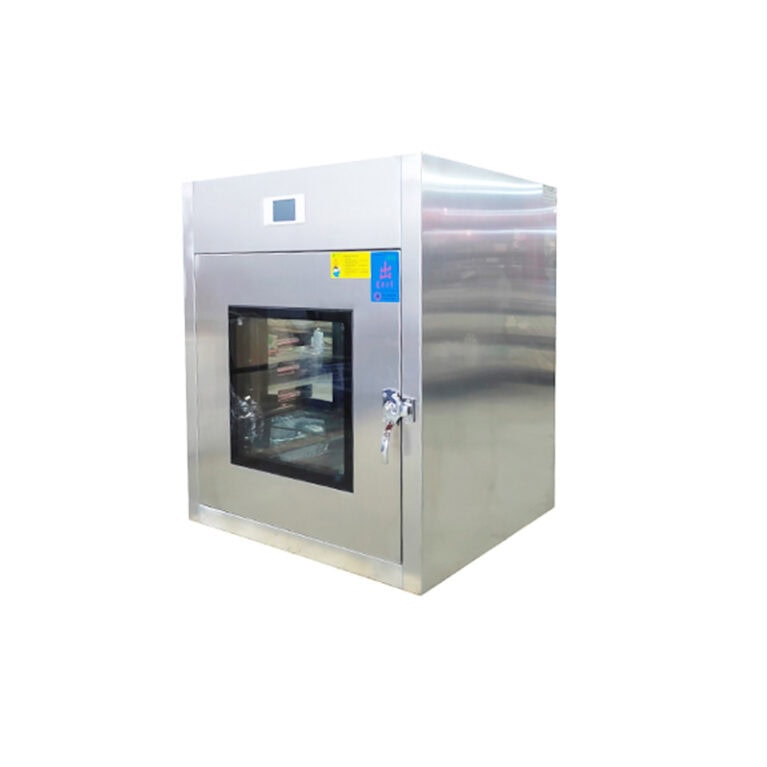
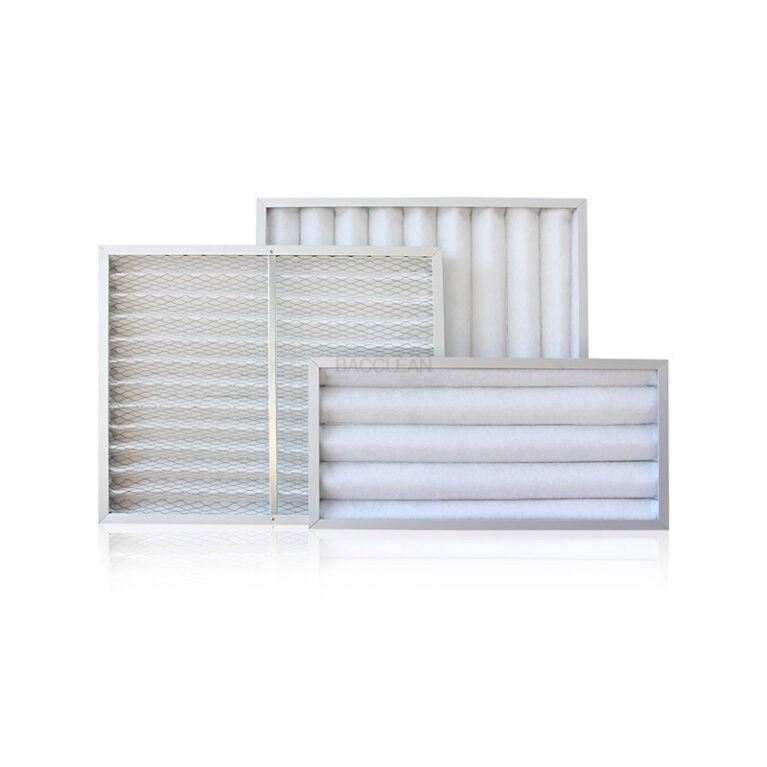
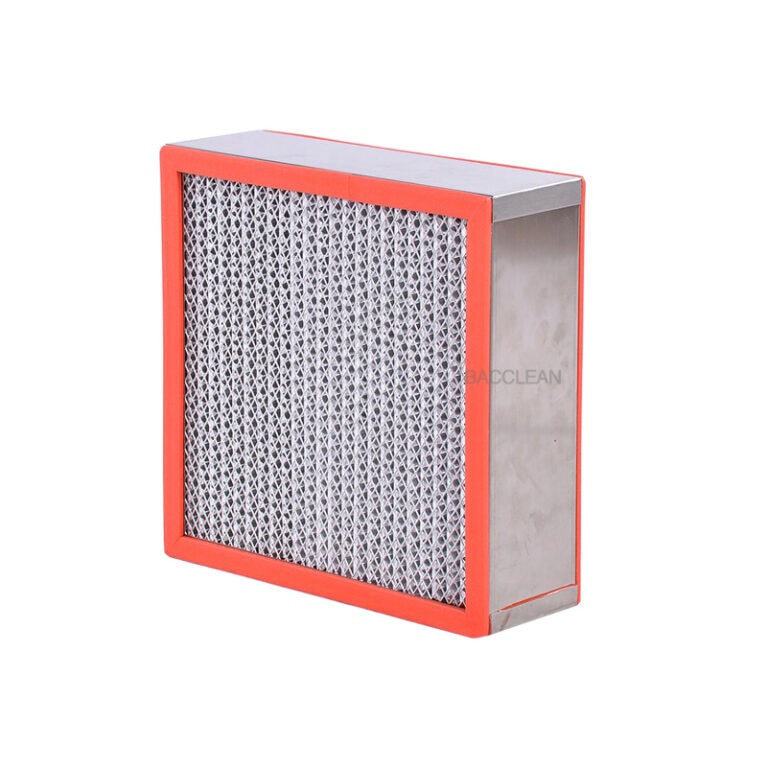
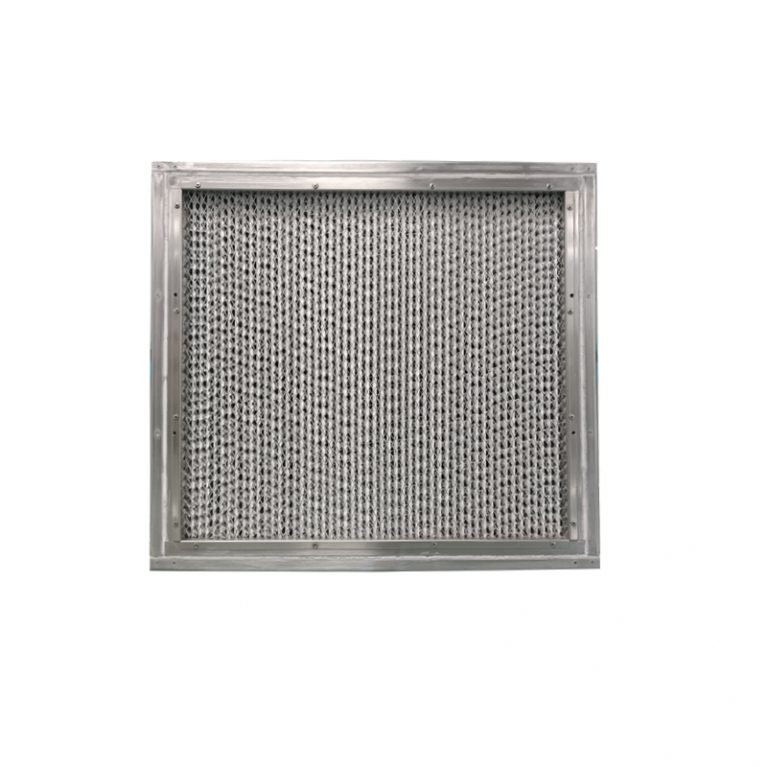
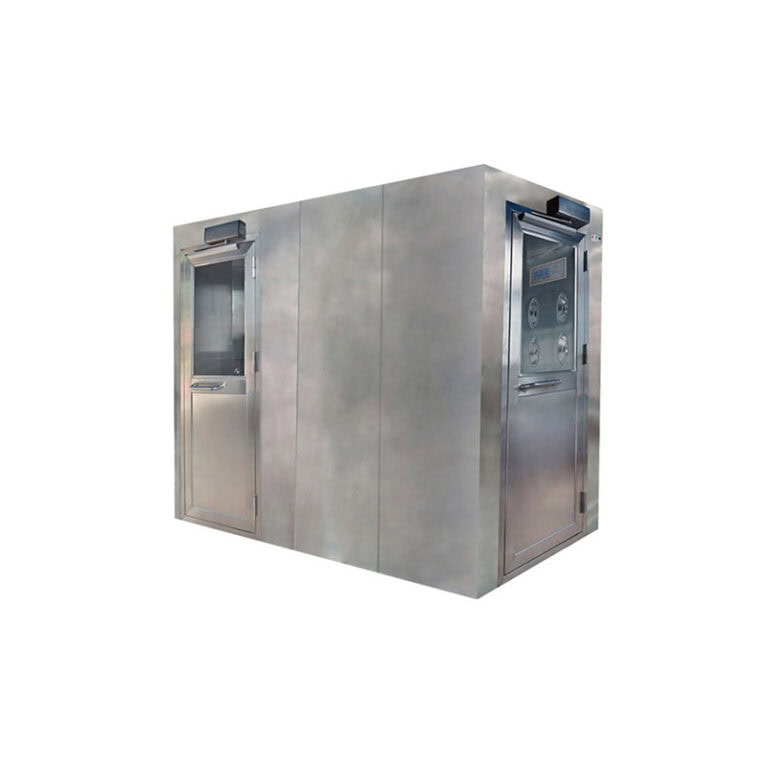
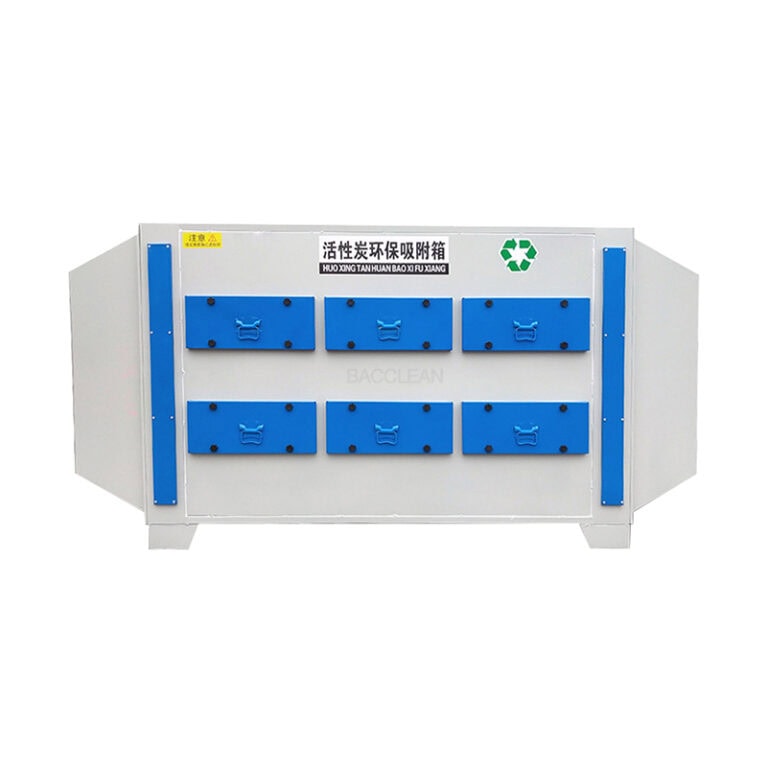
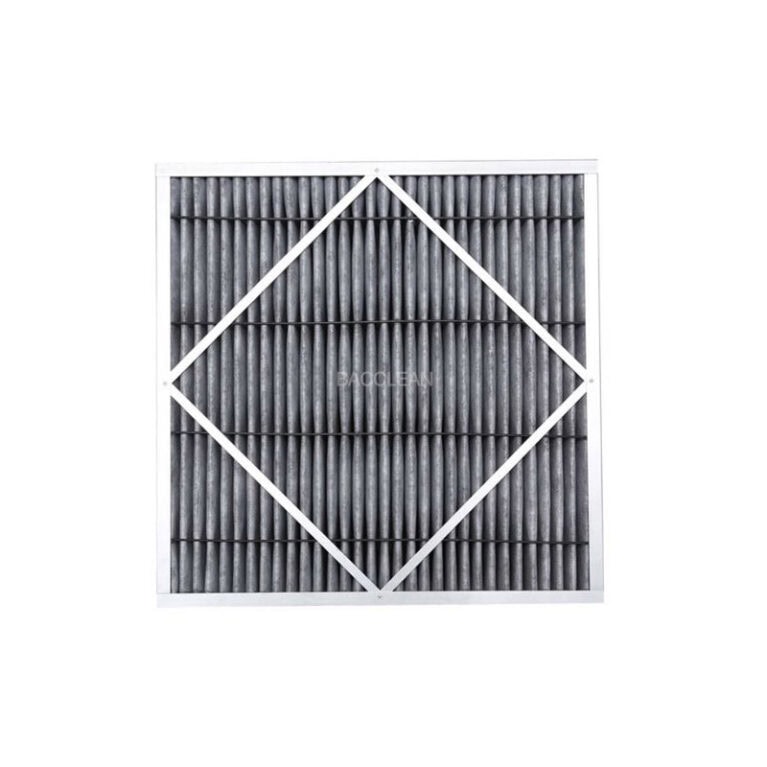
The high-efficiency filters (HEPA/ULPA) for the air supply ceiling are made of ultra-fine fiber structure. They must not be washed, wiped forcefully, or blown with high pressure. Otherwise, the pore structure of the filter material will be damaged, resulting in filter material damage and leakage, and the filtering efficiency will be directly lost. The “surface cleaning” only targets the frame, outer mesh, and sealing rubber ring of the filter. The specific operation process is as follows:
1. Preparations before cleaning
Stop the machine and cut off the power supply: Close the air supply ceiling fan and the corresponding power supply, wait until the fan completely stops before operating. Avoid air flow carrying dust particles into the deep layer of the filter material.
Personnel protection: Operators must wear clean clothes, dust-free gloves, and protective masks to avoid skin oils and hair contamination of the filter and the clean room environment.
Tool preparation: Prepare non-fibrous dust-free cloth, purified water (or clean room-specific neutral cleaning agent), and dust-free wiping rods. Do not use ordinary rags, detergent, alcohol, etc., which are corrosive or prone to shedding.
2. Cleaning process by parts
Filter frame cleaning
Dip a small amount of purified water into the dust-free cloth and gently wipe the frame from the inside out to remove surface dust and accumulated dirt.
If there are stubborn stains on the frame corners, you can dip in diluted neutral cleaning agent (cleaner: purified water = 1:10) and wipe, then wipe off the remaining cleaning agent with a clean wet dust-free cloth, and finally dry with a dry dust-free cloth.
Outer mesh cleaning (if applicable)
For high-efficiency filters with metal outer mesh, use a dust-free wiping rod to gently clean the dust in the mesh pores; or cut the dust-free cloth into strips and gently sweep the surface of the mesh.
Do not use a vacuum cleaner or high-pressure air gun to blow the mesh; the high-pressure air flow will impact the filter material, causing fiber breakage or deformation.
Sealing rubber ring cleaning
Dip the dust-free cloth into purified water and gently wipe the sealing rubber ring in contact with the air supply ceiling frame to remove dust and attachments on the surface of the rubber ring.
After cleaning, check if the rubber ring has deformed, cracked, or if there are signs of aging. If so, replace it in time to avoid loose sealing causing air leakage.
3. Inspection and repositioning after cleaning
Visual inspection: After cleaning, visually inspect the filter material surface of the filter. Do not touch the filter material; use the light transmission method to check if the filter material has any damage, holes, or bulges. If any of these problems exist, replace the filter immediately.
Installation and repositioning: Place the cleaned filter back into the air supply ceiling frame in the original position, ensuring that the sealing rubber ring is tightly attached to the frame without any deviation or warping; after installation, gently push the filter to confirm that it is not loose.
Start the fan and monitor if the filter pressure difference is stable. At the same time, use a dust particle counter to randomly inspect the cleanliness of the air supply area to confirm there are no abnormalities before putting it into normal operation.
4. Key prohibitions and precautions
The filter material of the high-efficiency filter cannot be reused after cleaning. Surface cleaning is only for non-filter material parts; if the filter material surface has obvious stains, mold spots, or the pressure difference reaches the final resistance, it must be replaced immediately.
Do not use high-pressure air guns, water washing, ultrasonic cleaning, etc. to handle the high-efficiency filter. These operations will directly cause the filter material to be scrapped.
The dust-free cloth waste generated during cleaning needs to be sealed and collected for treatment in accordance with the standards for clean room hazardous waste to avoid pollution spread.