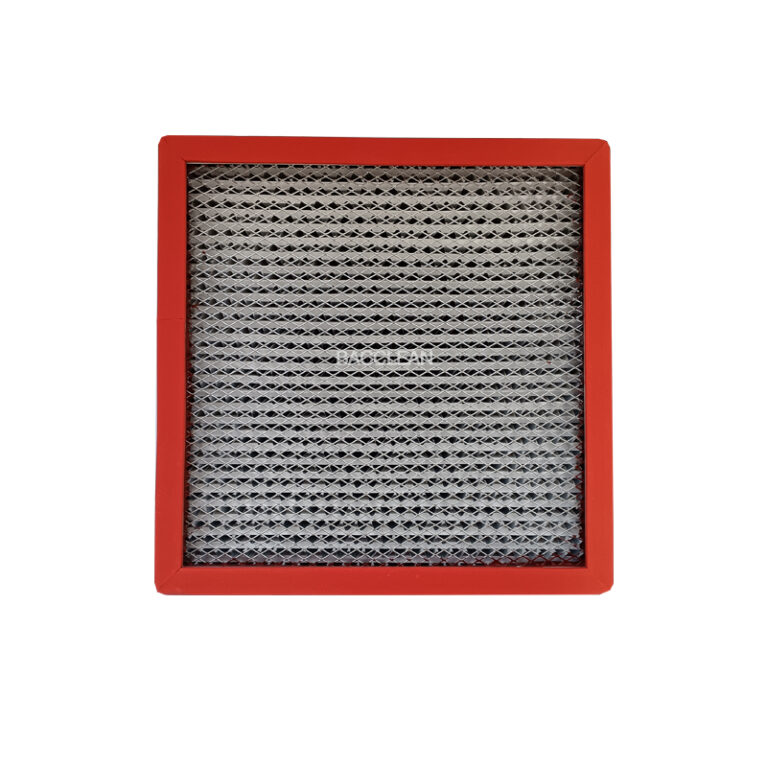
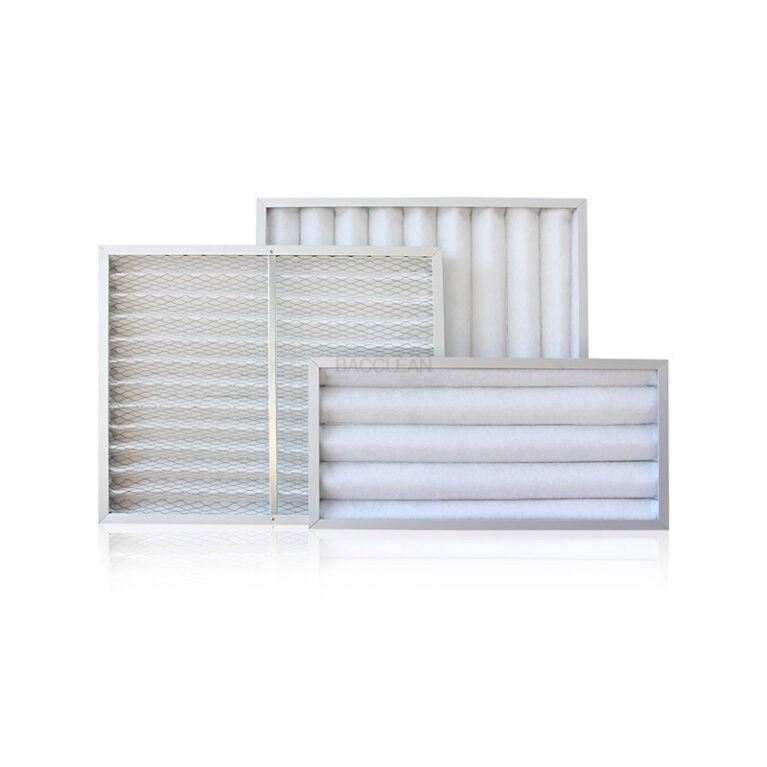
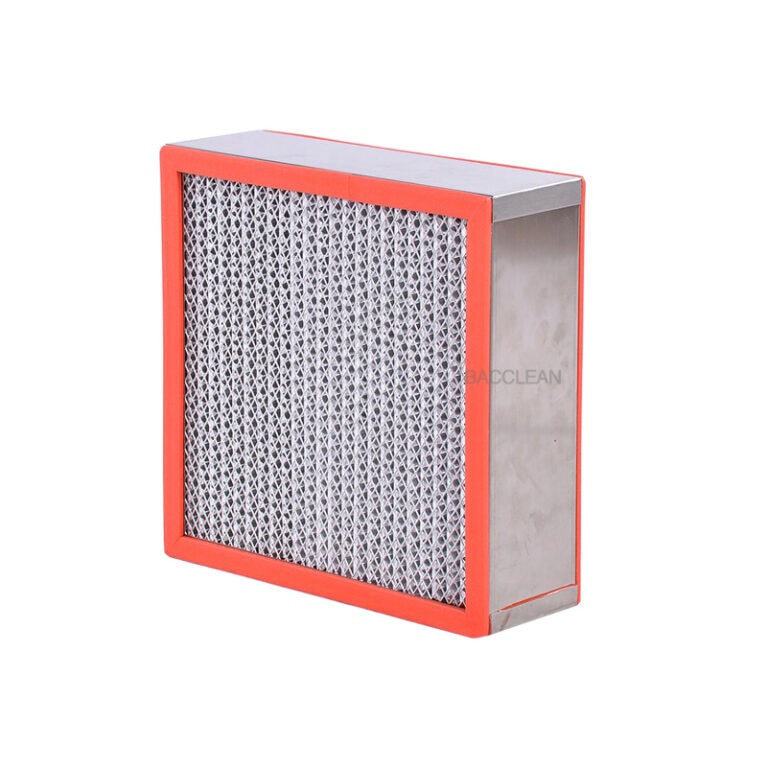
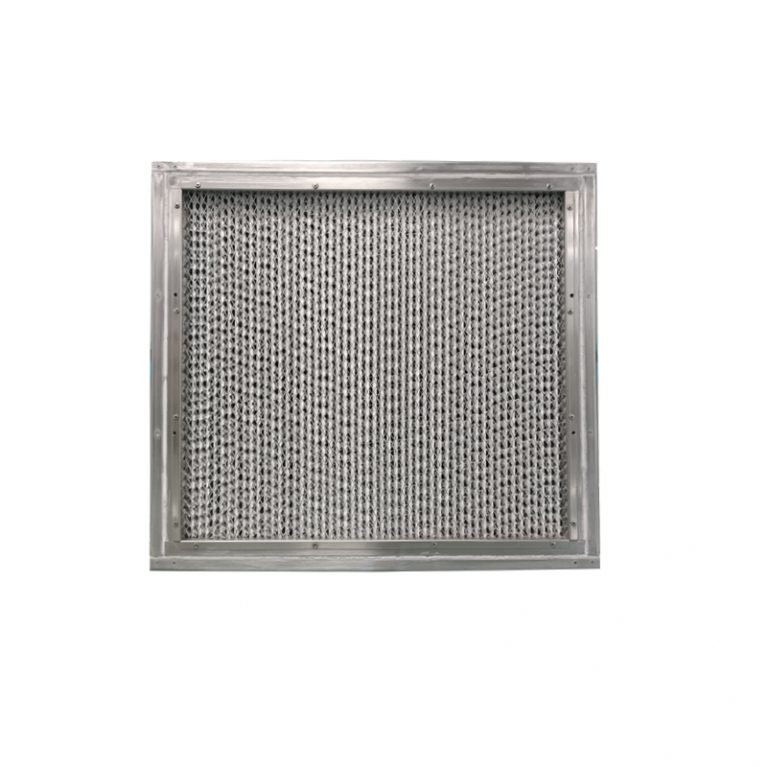
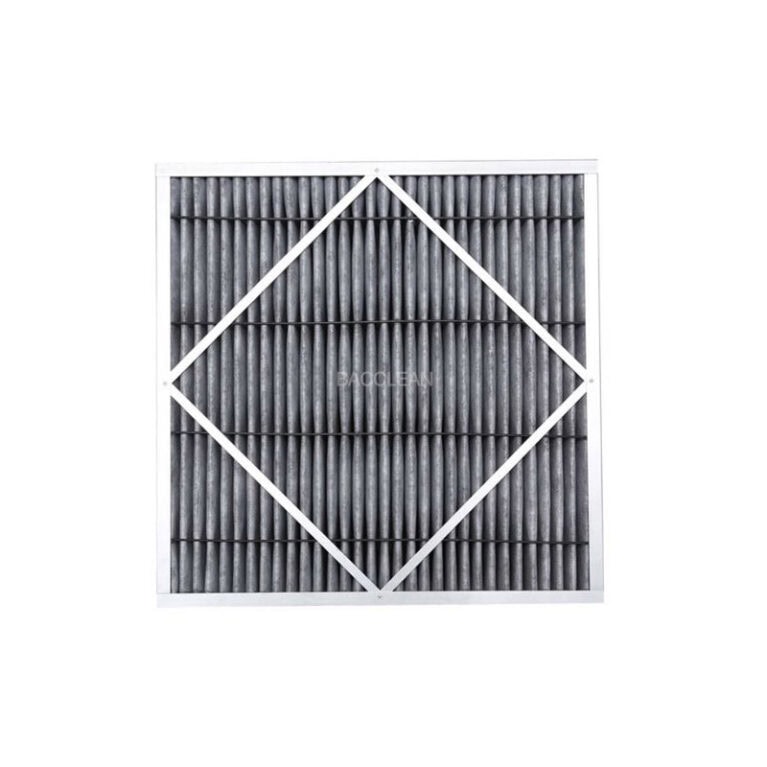
There is no fixed standard for the cleaning frequency of the mother and child frame washable filter. It mainly depends on three key factors: the concentration of pollutants in the usage environment, the operating load of the equipment, and the change in the filtration pressure difference. Specifically, it can be classified and referred to according to the following scenarios:
High-pollution industrial scenarios
It is suitable for environments with high concentrations of dust and particulate matter such as painting workshops, chemical raw material workshops, and ventilation systems for mines, where the filters are prone to rapid dust accumulation.
Cleaning frequency: once every 1 to 2 weeks
Supplementary judgment: When the pressure difference before and after the filter reaches 1.5 to 2 times the initial pressure difference, it needs to be cleaned immediately to avoid blockage and affect ventilation efficiency.
Commercial medium-pollution scenarios
It is applicable to places with dense populations but moderate pollutant concentrations such as office buildings, shopping malls, general departments of hospitals, and hotels.
Cleaning frequency: Once every 3 to 4 weeks
Supplementary judgment: It can be combined with the operating status of the central air conditioning system. If the air volume at the air outlet drops significantly or the indoor dust sensation intensifies, it is necessary to clean it in advance.
Civilian low-pollution scenarios
It is suitable for environments such as household fresh air/air purifiers and school classrooms where pollutants are mainly daily dust and hair.
Cleaning frequency: Once every 1 to 2 months
Supplementary judgment: In household scenarios, the surface of the filter screen can be directly observed. If there is obvious dust accumulation or the color of the filter screen becomes dark, it can be disassembled and cleaned.
High-load scenarios for rail transit
It is suitable for scenarios with extremely large foot traffic and high dust load, such as subway stations, carriages, and airport waiting halls, where the filter is constantly in a high-load operation state.
Cleaning frequency: Once a week (for station ventilation systems); 2 weeks per session (carriage ventilation system)
Supplementary judgment: Dynamic adjustments should be made in combination with the equipment operation and maintenance ledger, pressure difference monitoring data, and actual dust accumulation conditions.
Key points to note
The cleaning frequency should be based on the monitoring of pressure difference as the core basis, rather than relying solely on the time cycle, to avoid excessive cleaning damaging the filter screen structure or untimely cleaning leading to increased energy consumption.
After each cleaning, it is necessary to check whether the filter screen is damaged. If there are holes or deformations, it should be replaced in time to prevent unfiltered contaminants from entering the subsequent system.