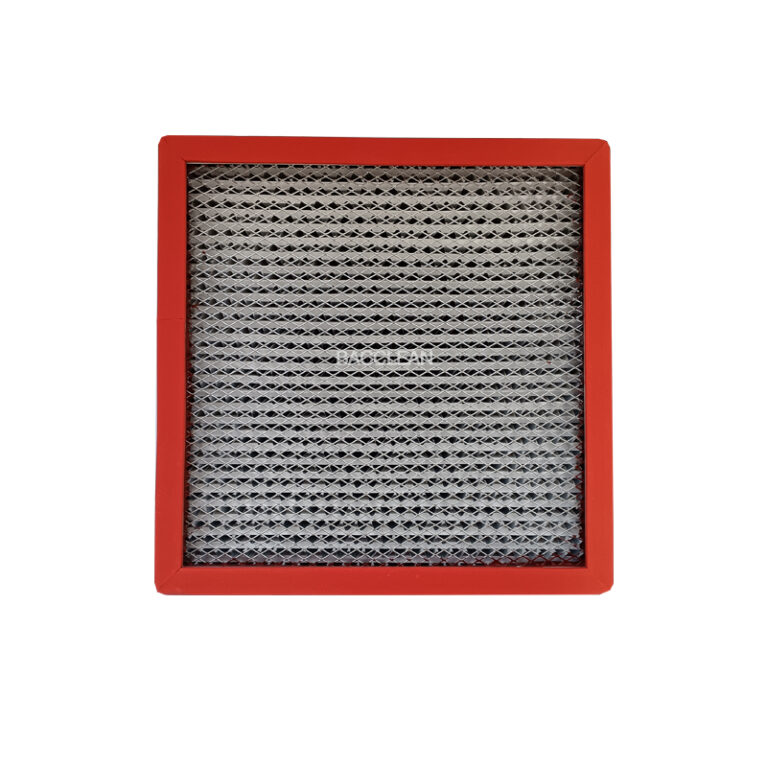
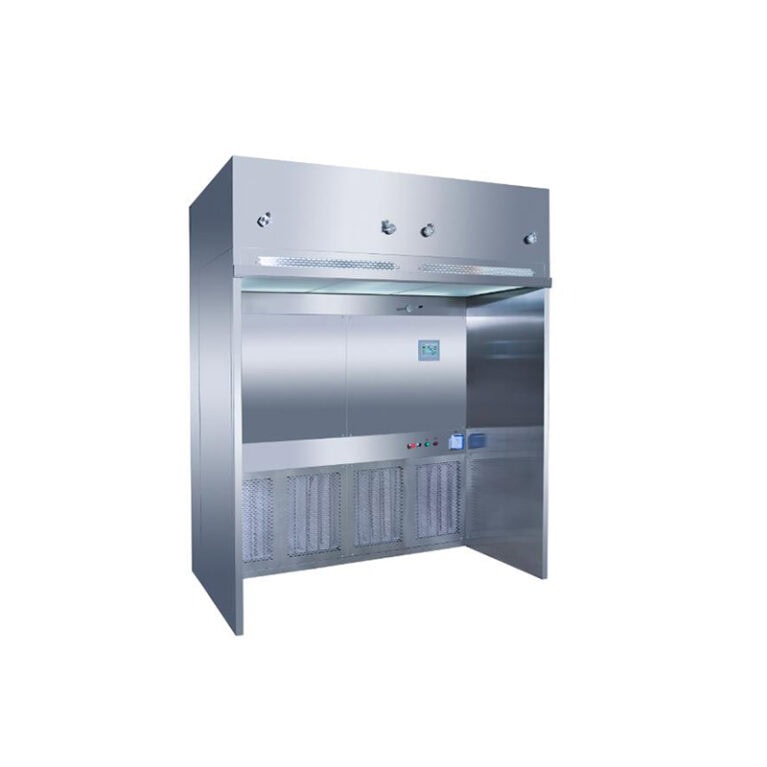
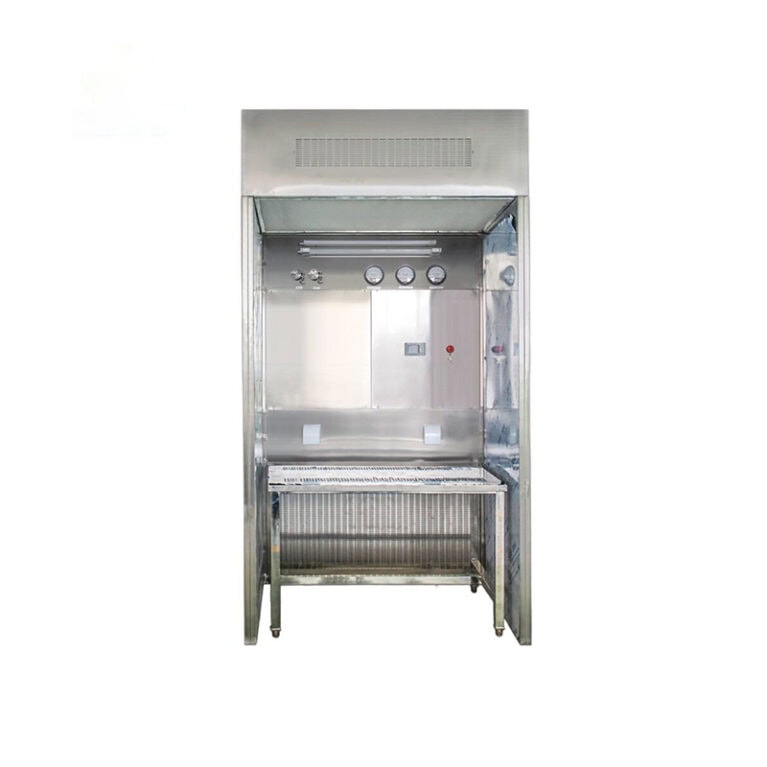
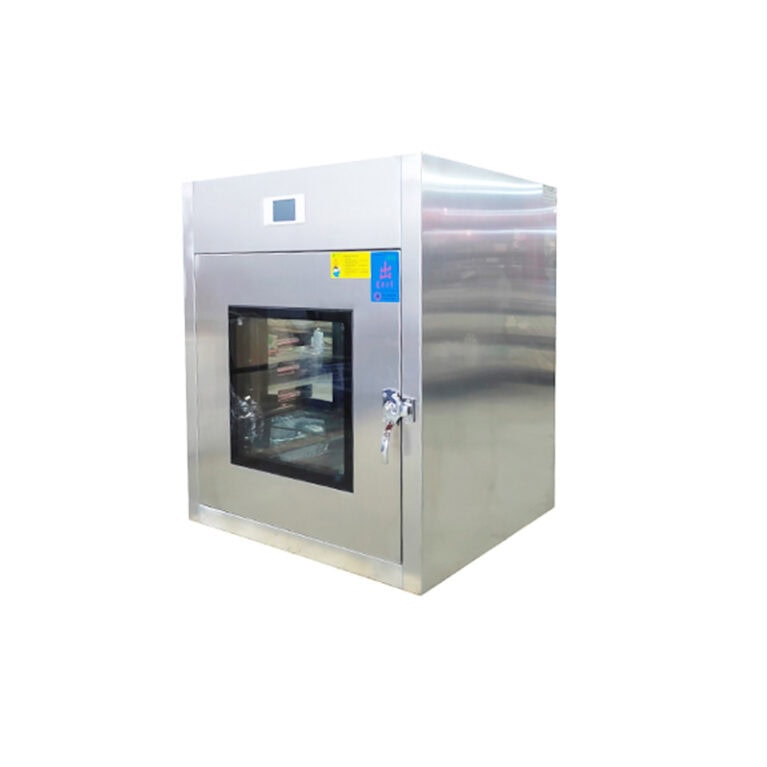
Ensure that the daily maintenance records of the air supply ceiling are accurate. The key points are: accurate instruments, true data collection, strict filling, thorough verification, and clear standards. This will prevent “estimated, fabricated, modified, or incorrect” data from being generated at the source. Here is a set of actionable measures you can follow:
1. First, ensure that the measurement data is accurate.
The instruments must be calibrated regularly.
Pressure gauges, anemometers, temperature and humidity meters, etc., should be sent for calibration at regular intervals, and the calibration certificates should be attached. Any expired or non-compliant instruments must not be used.
Before use, conduct a self-check.
Before measuring the pressure difference, check if the zero point is normal;
Before measuring the wind speed, confirm that the probe is clean and in the correct position.
Use a unified measurement method.
Fix the measurement point position, height, and reading time to avoid data deviation due to different individuals.
2. Second, ensure that the record process is true and not falsified.
Numbers must be written: pressure difference XX Pa, wind speed XX m/s, resistance XX Pa.
Fill in immediately after maintenance, without relying on memory or centralized re-filling.
Only write the measured values, do not write “normal / acceptable”.
It is necessary to write numbers: pressure difference XX Pa, wind speed XX m/s, resistance XX Pa.
Do not estimate or make up numbers.
Write exactly as many as the readings, do not round off or make up the values.
3. Fill in in a standardized way: prevent errors in format
Do not alter or scratch.
Paper records: single-line correction, write the correct value + modifier + date beside it.
Electronic records: retain the modification log, who modified, when, what was modified can be traced.
Units and symbols should be unified
Pressure use Pa, wind speed use m/s, do not mix or lack units.
No skipping items or leaving blank spaces
Even if there is no abnormality, it must be clearly written as “no abnormality”, do not leave blank spaces that may cause misunderstandings.
4. Recheck and close the loop: ensure accuracy through the process
Operator’s record + on-site verification by the reviewer
The reviewer compares the instrument readings with the records to confirm consistency before signing.
Key records must be double-checked
For efficient filter replacement, PAO leak detection, deviation handling, etc., double-check is mandatory.
Regular spot checks and comparisons
Managers randomly go to the site to read the meter and compare with historical records to ensure the records = the actual state.
Five words to summarize:
Accurate instruments + On-site measurement + Write actual numbers + Strict recheck + Clear standards = 100% accurate maintenance records, fully meeting GMP / cleanroom audit requirements.