I will provide you with a set of practical and directly applicable methods for the cleanroom site, fully GMP-compliant, with the sole aim of significantly extending the lifespan of the high-efficiency filters without compromising the cleanliness level, and saving costs and reducing risks.
1. Core concept (in one sentence)
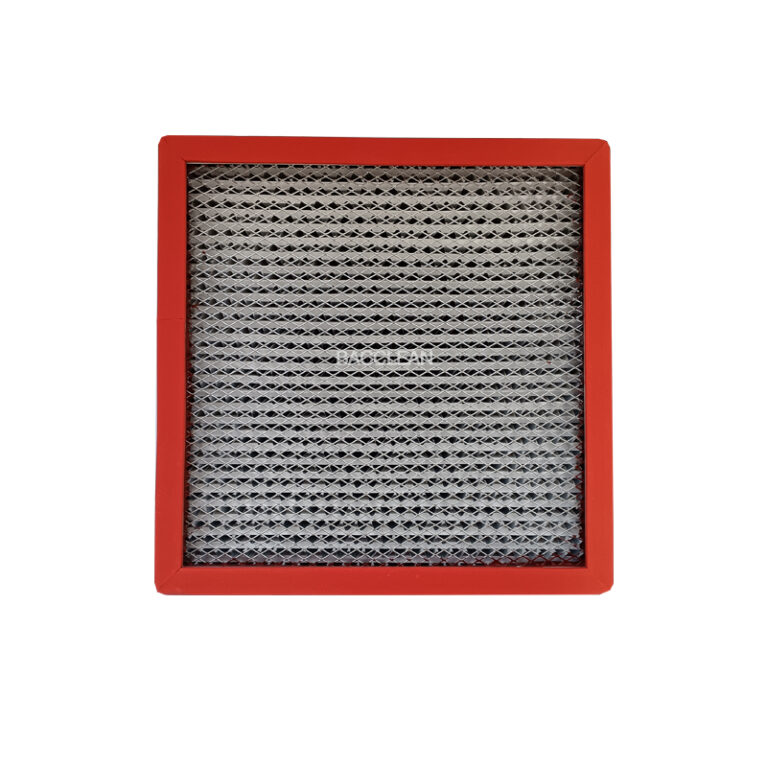
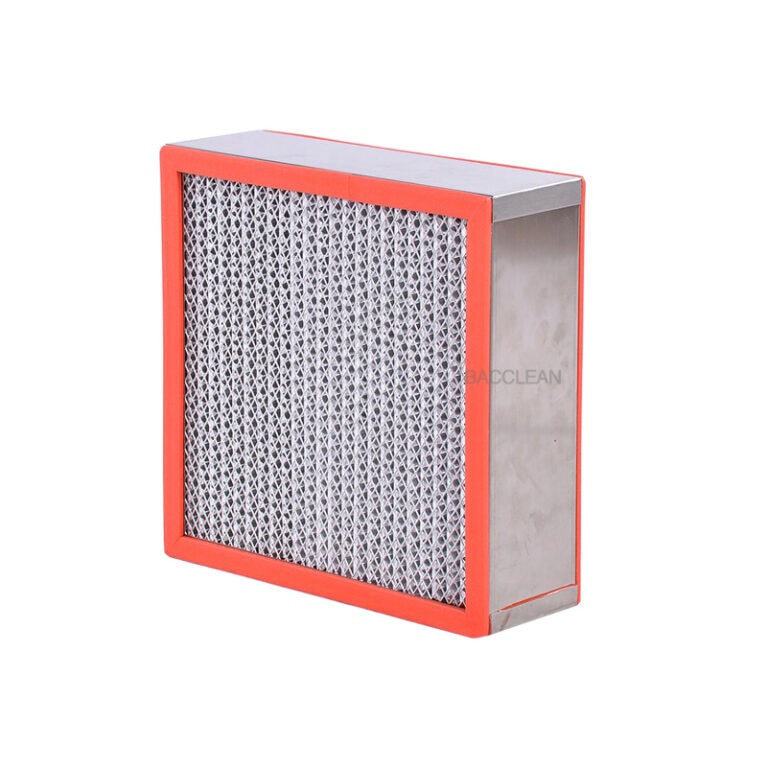
Make the high-efficiency filters do less work: The previous filters block all the dust, and the high-efficiency filters only perform the final check.
2. 6 most effective and immediately actionable methods
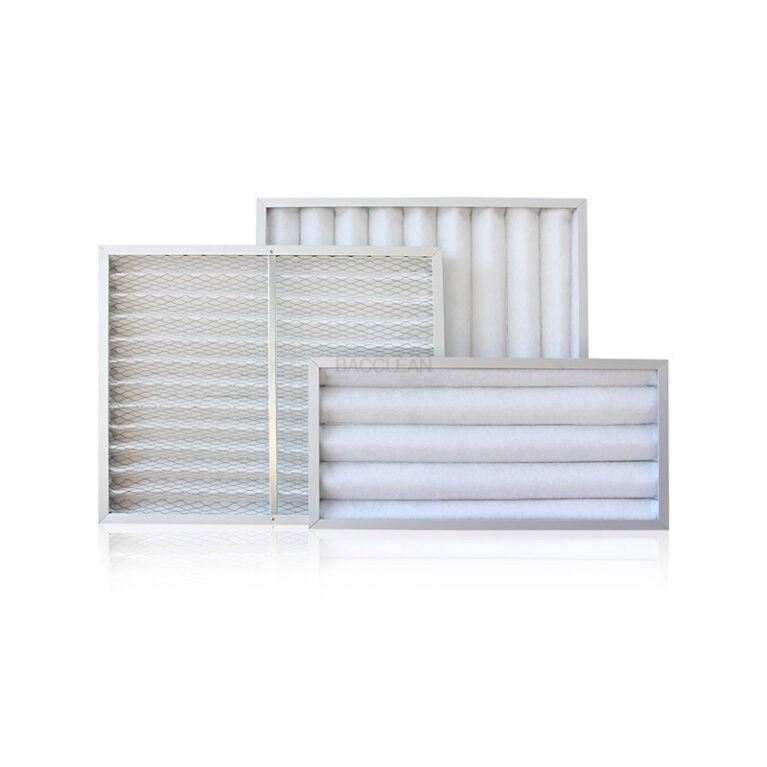
1. Replace the primary and intermediate filters on time (most crucial!): The primary and intermediate filters should be replaced every 1 to 3 months. As long as the first two stages are replaced in time, the lifespan of the high-efficiency filters can be directly extended by 1 to 2 times.
2. Control the indoor dust sources (reduce the load at the source)
Reduce open operations of powders, particles, and dust materials
Use lint-free cloths for cleaning, and prohibit ordinary mops and rags
Have personnel change clothes according to regulations, reducing hair and skin flakes
Avoid opening boxes, unpacking, and sanding under the high-efficiency air intake
3. Control humidity to prevent the high-efficiency filters from getting moldy and collapsing
Control the relative humidity within 45% to 65%
Strictly prohibit water leakage, condensation water, and spray directly towards the air intake
High humidity → The high-efficiency filters are prone to mold, filter paper deterioration, and resistance increase
4. Standardize daily cleaning, without harming the high-efficiency filters
Only clean the diffusers and panels
Never clean the high-efficiency filter paper, touch, press, or blow
Clean in the upward direction from top to bottom, and do not blow dust into the duct
5. Reasonably control the air volume, avoid overloading operation
The larger the air volume, the faster the high-efficiency filters absorb dust and the shorter their lifespan
Under the premise of meeting the cleanliness level, do not blindly increase the air volume
Regularly calibrate the air volume and pressure difference to ensure stable operation
6. Conduct pressure difference monitoring, issue early warnings
Record the initial pressure difference
When the pressure difference approaches 1.5 times the initial resistance, start preparing for replacement
Avoid sudden blockage and forced emergency shutdown for replacement