I. Core conclusion (by scenario)
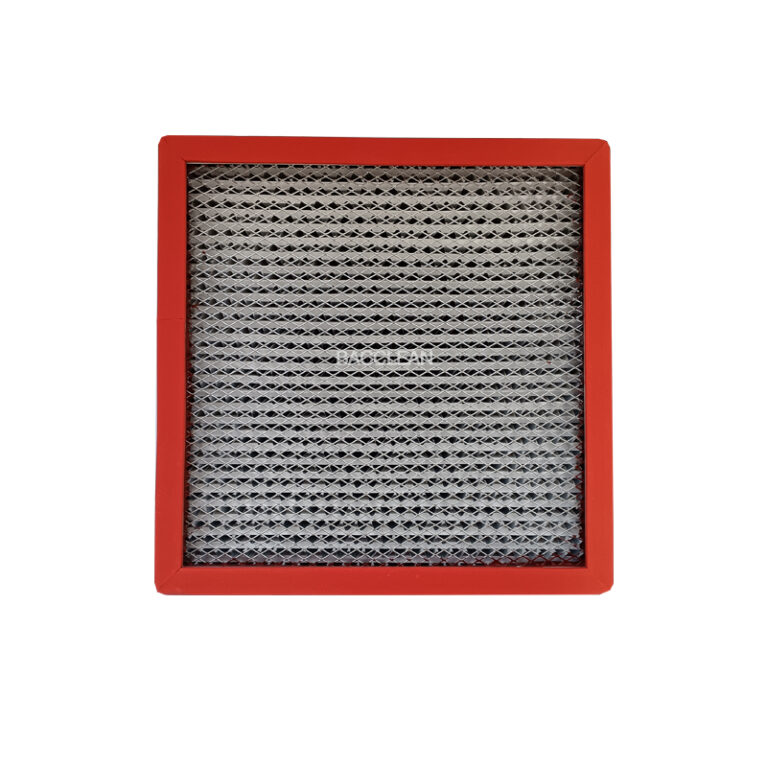
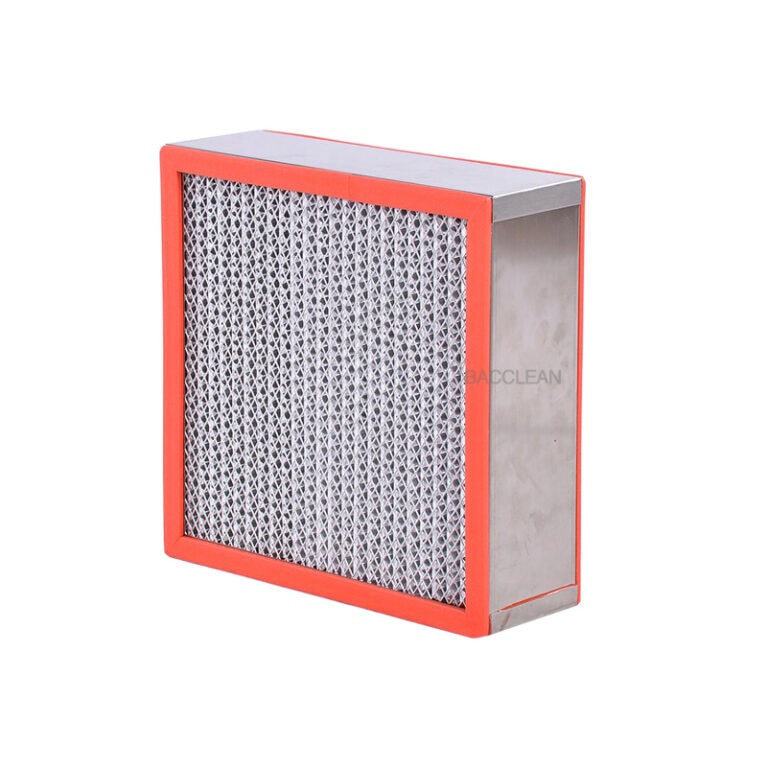
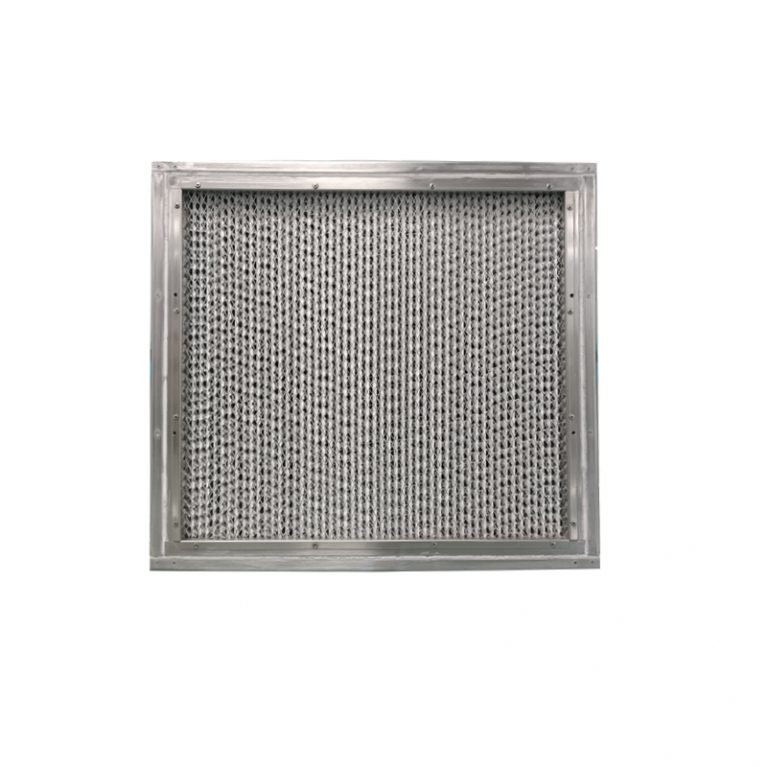
Conventional cleanrooms (electronics / packaging materials / general cosmetics, low dust, daily use 8-12 hours): H13/H14 high-efficiency filters: theoretical design life 1-2 years; based on pressure difference compliance, most can last 18-24 months.
High dust / high frequency use (multiple material transfers, heavy industry support, daily use over 16 hours): actual lifespan: 6-12 months is likely to exceed pressure difference and get clogged.
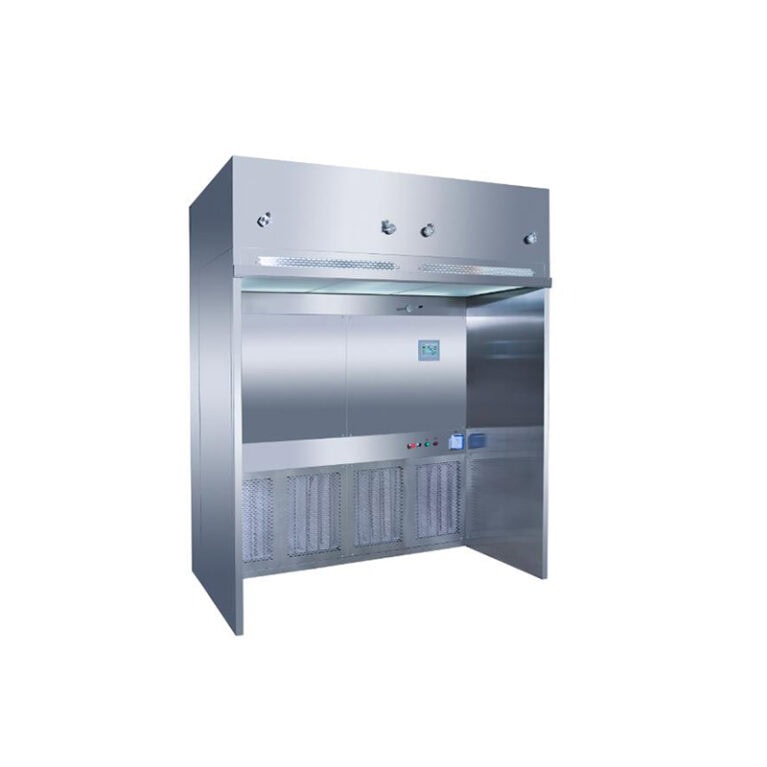
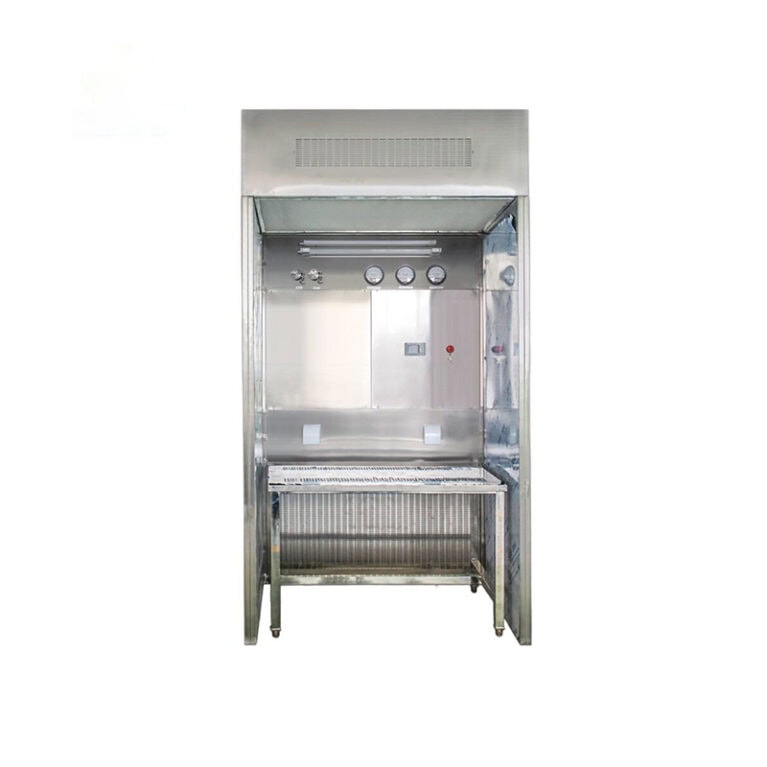
Aseptic pharmaceuticals / biosafety / high-grade clean areas (GMP strict control): even if pressure difference is normal, it is recommended not to exceed 12-18 months for mandatory re-inspection + assessment for replacement to avoid leakage risks.
II. Key reminder: Lifespan ≠ time; prioritize 3 hard indicators
Pressure difference: increase to 1.5 times the initial pressure difference / exceed 500 Pa → must replace;
PAO leak detection / particle scanning: leakage, frame leakage → replace immediately;
Air velocity: outlet continuously lower than 15 m/s, excluding fan and primary filter blockage → efficient filter must be scrapped.
III. Core factors affecting lifespan
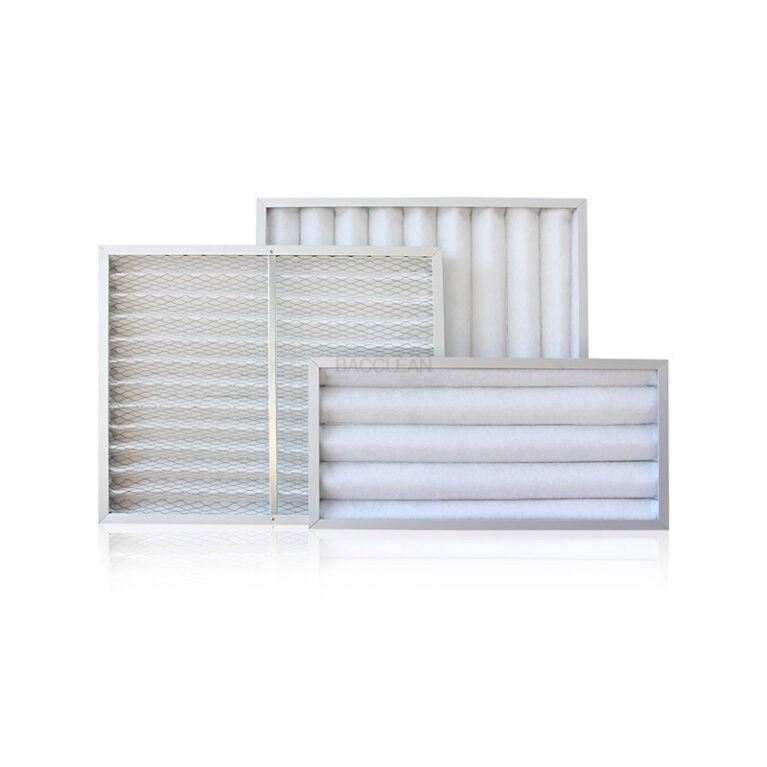
Regular replacement of the front-end primary filter (3-6 months once), can significantly extend the lifespan of the efficient filter;
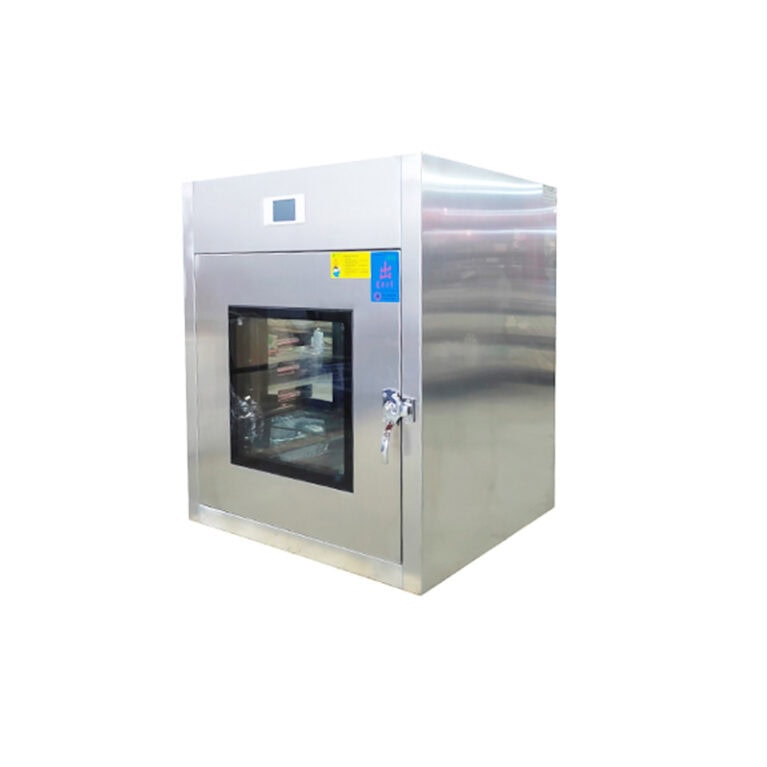
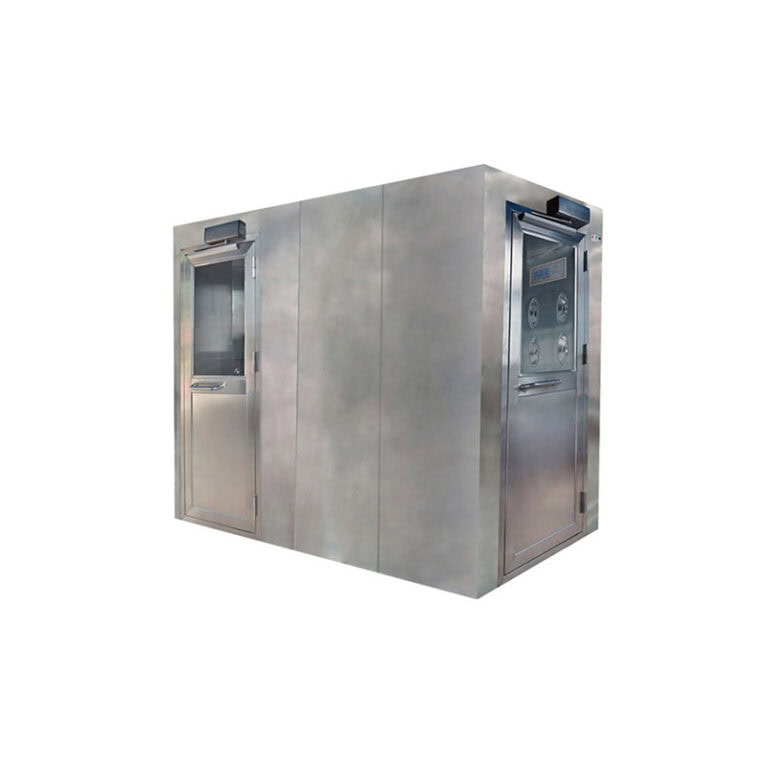
Outdoor pre-treatment of goods and dust removal are in place, reducing the dust content in the incoming air;
Avoid frequent rapid opening and closing, severe vibration to prevent filter material cracking and leakage.
Simplified summary
Conventional conditions: 1-2 years; high dust and high frequency use: half a year to 1 year; high cleanliness control: strictly control within 1.5 years; ultimately determined by pressure difference + leak detection data.