The core principle of DOP efficient leak detection (including the general logic for PAO leak detection)
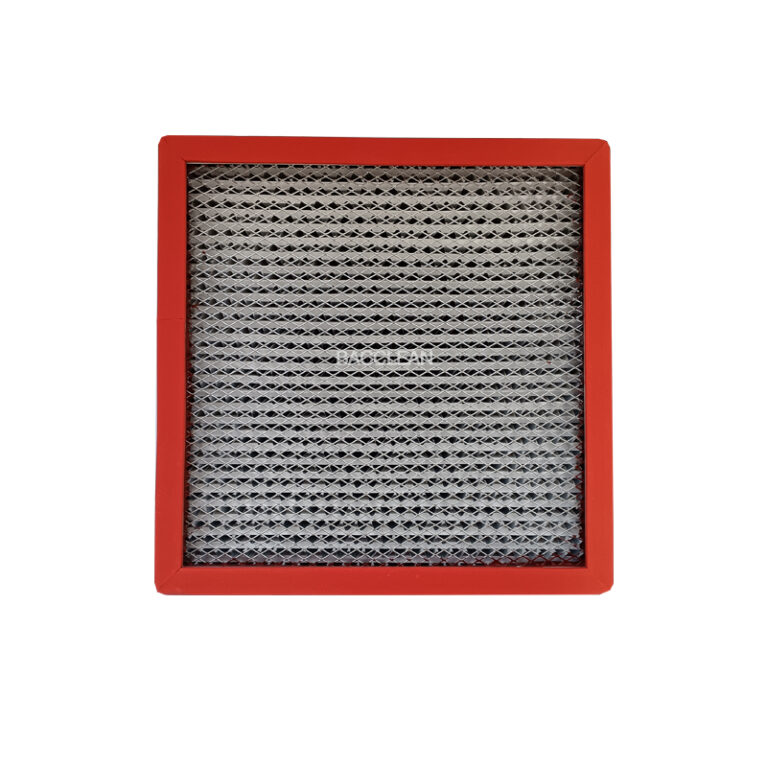
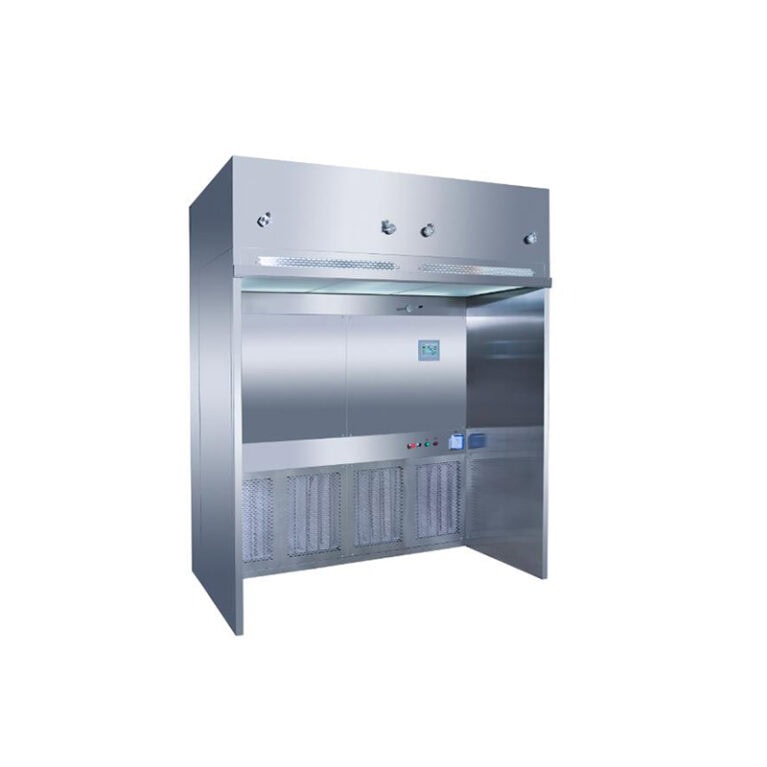
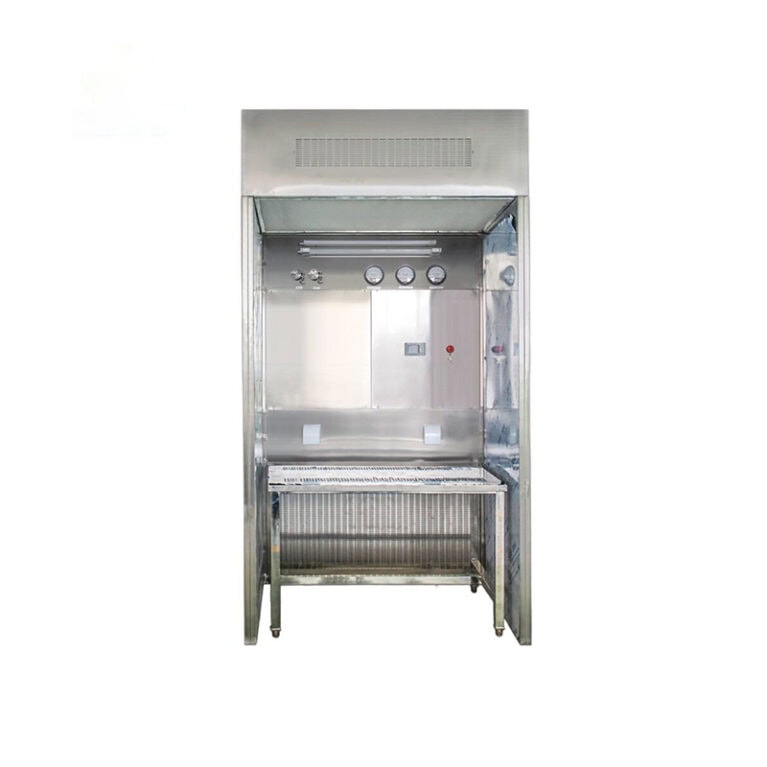
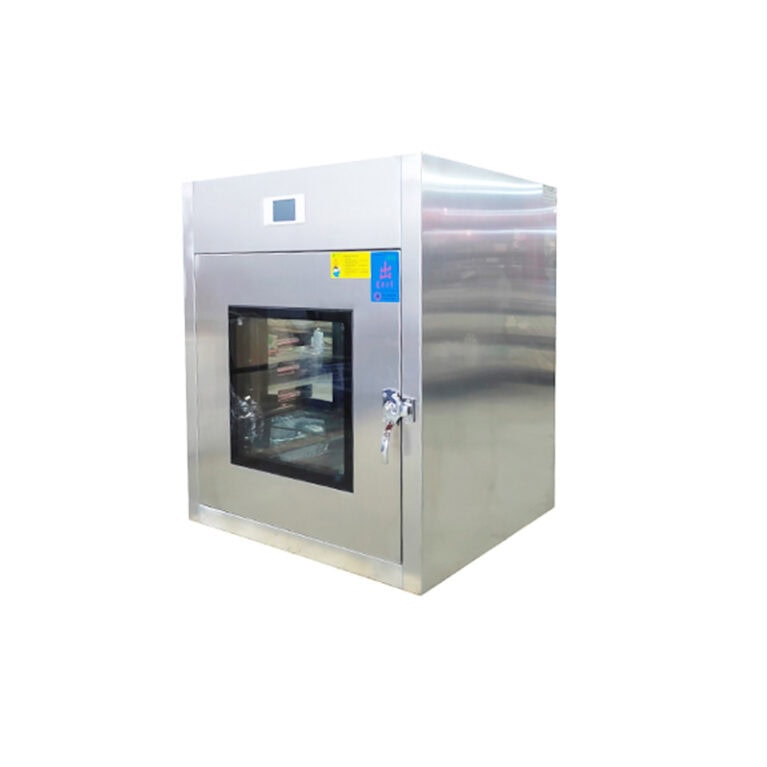
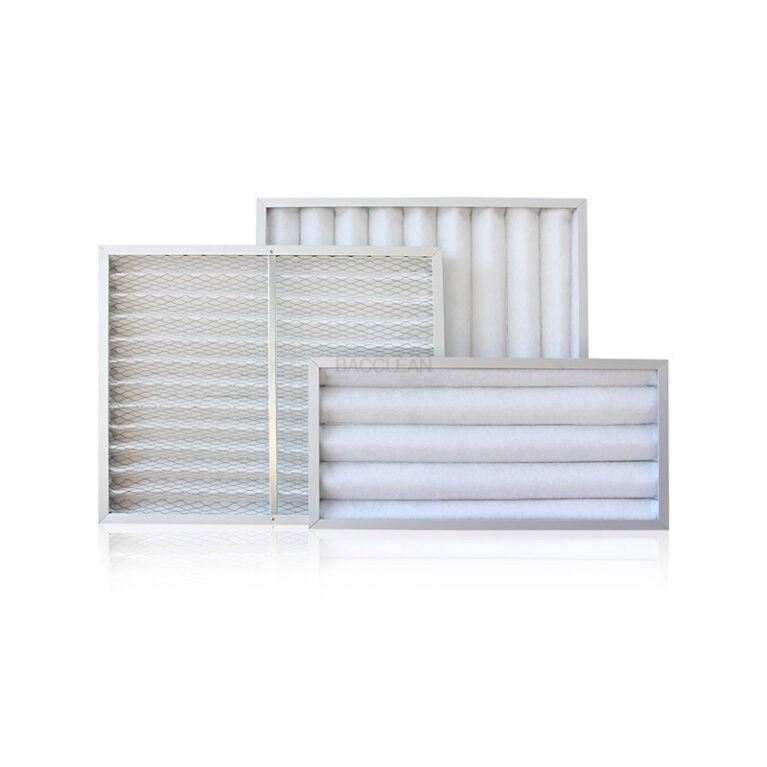
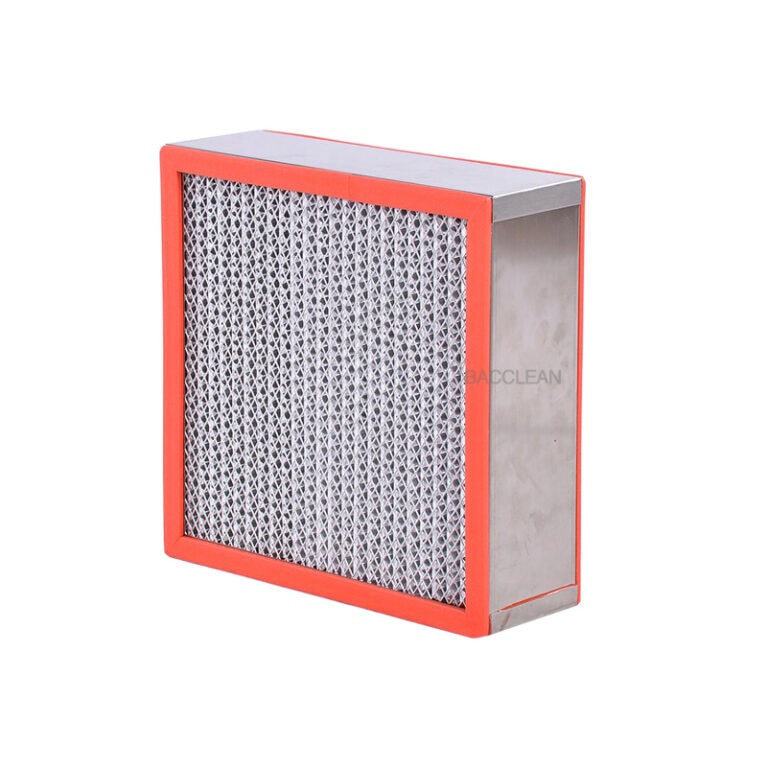
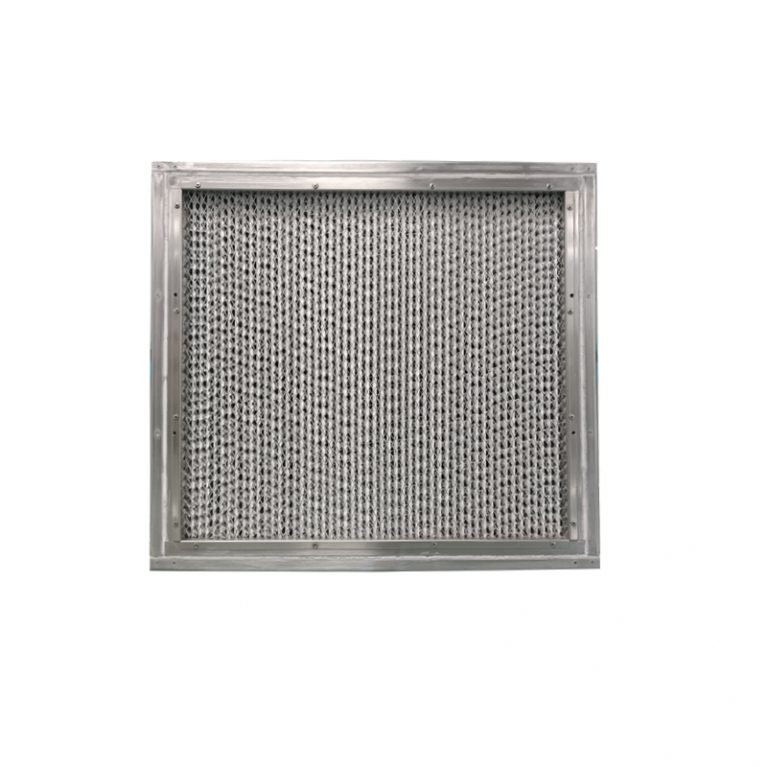
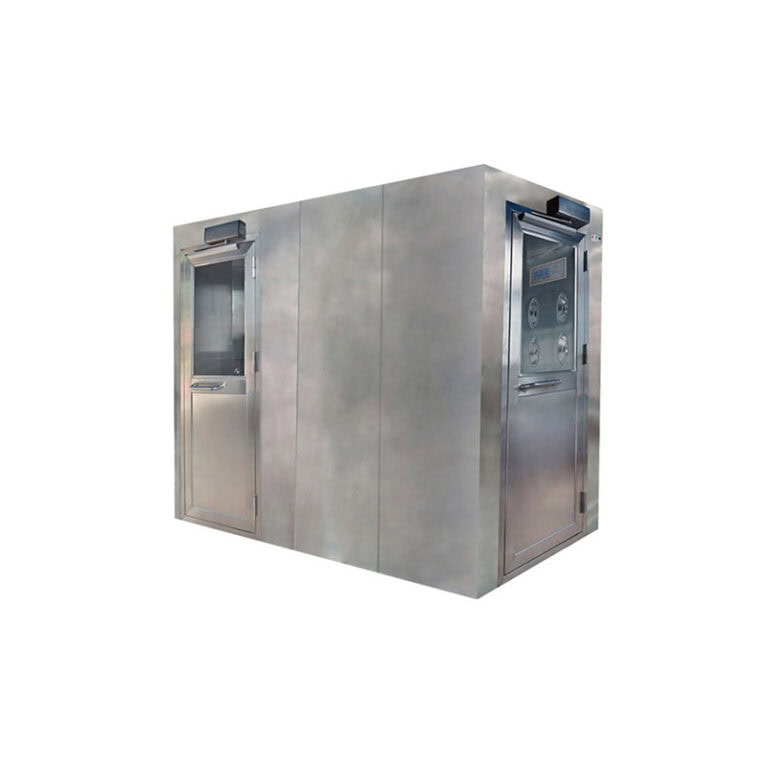
DOP efficient leak detection is a classic method for verifying the integrity of high-efficiency air filters (HEPA/ULPA). The core is used to verify whether there is leakage at the filter material and sealing points (with the frame and installation surface), which is the core means for the installation and replacement of high-efficiency filters and regular verification in clean rooms (including DOP laminar transfer windows, clean benches, and air showers). Due to environmental protection requirements, currently, PAO (poly α-olefin) is commonly used to replace DOP (di-tert-butyl phthalate), and both have the same leak detection principle, only the dusting medium is different. The industry often collectively refers to it as “DOP/PAO leak detection”.
The core principle of this method is based on the most easily penetrated particle size (MPPS) of the high-efficiency filter: by artificially generating a uniform 0.3μm particle size DOP/PAO aerosol, sending it upstream of the high-efficiency filter and forming a stable concentration, then precisely sampling and detecting the aerosol concentration downstream of the filter. By calculating the “upstream-downstream concentration ratio (penetration rate)”, it determines whether the filter is leaking – if the filter material is damaged, the sealing glue cracks / installation gap, the upstream aerosol will penetrate through the leak point to the downstream, causing the downstream concentration to exceed the limit.
Key prerequisite: Why choose 0.3μm particle size DOP aerosol?
The filtration efficiency of high-efficiency filters does not increase linearly with particle size reduction. There is a most easily penetrated particle size (MPPS, Most Penetrating Particle Size), which is the lowest filtration efficiency particle size, and the detection of this particle size is the most strict and can verify the integrity of the filter most effectively.
For conventional glass fiber filter materials of HEPA/ULPA filters, 0.3μm is the classic MPPS (in the new standard, the MPPS of some filters may have slight deviations due to filter material processing, but it still uses 0.3μm as the core detection particle size); After heating and atomization of DOP/PAO and subsequent classification, it can stably generate single-dispersed 0.3μm aerosol, with uniform particle size and good suspension properties, which can precisely simulate the particle penetration scenarios in the actual operation of the clean room, and is an ideal medium for detection.
1. Classic detection method: Photometer method (light scattering method) – Mainly used by the industry
This is the core method of DOP efficient leak detection, applicable to the integrity detection of all HEPA/ULPA filters. Leak detection for transfer windows and small clean equipment is mainly based on this method, and the core is to achieve concentration detection through the light scattering characteristics of the aerosol. The principle is divided into 4 steps:
1. Dusting: Generate stable DOP/PAO aerosol upstream
The DOP/PAO liquid is heated and atomized by the dusting device to form micrometer-sized aerosol, which is filtered by the classification device of the dusting device to obtain a single-dispersed aerosol mainly at 0.3μm; The aerosol is sent into the upstream static pressure box / seal cavity (such as the laminar box inside the transfer window, the filter inlet side) by compressed air.
2. Homogenization: Form uniform and stable aerosol concentration upstream
After dusting, let the aerosol circulate / stand still in the upstream cavity of the filter to make the concentration uniform and stable (the photometer method requires the upstream concentration to be controlled at 20-80μg/m³, too high or too low concentration will cause detection errors).
3. Sampling: Simultaneous sampling and detection of light scattering signals upstream and downstream
The dual-channel sampling system of the leak detector simultaneously extracts equal volumes of air from the upstream and downstream of the filter:
Aerosol particles have light scattering characteristics: When laser / visible light shines on the aerosol particles, scattering occurs, and the intensity of the scattered light is proportional to the concentration of the aerosol (the more particles, the higher the concentration, the stronger the scattering light).
The photoelectric sensor of the leak detector converts the scattered light signal into an electrical signal, which is then converted into the corresponding aerosol concentration value through internal algorithms.
4. Judgment: Calculate the transmission rate and determine if there is a leak.
By automatically calculating the downstream concentration / upstream concentration × 100% = transmission rate using the leak detector, and combining the standard limit value judgment results:
For HEPA filters (efficiency ≥ 99.97% @ 0.3 μm): The qualified limit is that the transmission rate ≤ 0.01% (i.e., the filtration efficiency ≥ 99.99%, leaving a safety margin);
For ULPA ultra-high efficiency filters: The qualified limit is that the transmission rate ≤ 0.001% (for some high-grade clean rooms, it should be ≤ 0.0001%);
If the transmission rate suddenly increases at a certain position (such as the filter material surface, the edge sealing area, or the connection seam with the box) during the detection, it indicates that there is a leak point at that position.
II. Supplementary detection method: Particle counter method – Special for high cleanliness areas
This method is an upgraded supplement to the photometric method, directly detecting the particle number concentration of 0.3 μm in the downstream, which is more in line with the core requirements of “particle number control” in clean rooms, and is suitable for efficient leak detection in clean rooms of Class 100 and above (including transfer windows). The principle is more intuitive:
Upstream dust generation: Consistent with the photometric method, generating 0.3 μm DOP/PAO aerosol to ensure the stability of the upstream particle number concentration (generally ≥ 10⁵ particles/L);
Downstream sampling: Using a laser particle counter to sample at each point downstream of the filter, directly counting the number of 0.3 μm particles in a unit volume;
Judgment: If the particle number concentration at a certain position downstream suddenly exceeds the background value by 10 times or more, or persists ≥ 1 particle/L (Class 100 clean room requirement), it is determined as a leak point;
Core advantages: No need for concentration conversion, directly corresponding to the particle number indicators of the clean room, and the detection results are more in line with the actual operating conditions.
III. Special points of DOP laminar transfer window leak detection (aligned with equipment application)
The high-efficiency filter of the transfer window is a small built-in type. During leak detection, no large-scale dust generation / sampling equipment is required. Local sealing dust generation + portable leak detector can be used. The principle is the same as the general method, only the sampling / dust generation points are adapted to the equipment structure:
Dust generation point: Insert the dust outlet of the portable dust generator into the laminar box of the transfer window (upstream of the filter), seal the gap between the dust outlet and the box to avoid aerosol leakage;
Sampling point: Use the sampling probe of the leak detector to scan uniformly at the outflow surface of the filter (including the filter material surface, the edge and box sealing area, and the gap of the outflow protective net) at a constant speed (≤ 5 cm/s), and detect the transmission rate / particle number point by point;
Additional detection: The sealing seam between the laminar box and the box of the transfer window, if it involves the installation gap of the filter, also needs to be included in the sampling range to avoid secondary leakage.
IV. Core judgment criteria (national standards / industry common, applicable to clean room GMP/ISO 14644)
Regardless of the photometric method or the particle counter method, the core qualified requirements for DOP/PAO leak detection are:
High-efficiency filter (HEPA): The transmission rate at any position ≤ 0.01%, no local sudden exceedance;
Ultra-high efficiency filter (ULPA): The transmission rate at any position ≤ 0.001%;
Sealing area (edge, installation surface, adhesive joint): The transmission rate needs to be ≤ 0.005% (sealing areas are high-risk leakage areas, and the requirements are stricter);
After detection, if a leak point is found, it can be sealed (such as applying special sealing glue), and re-detect until qualified before use.
V. Supplementary: The difference between DOP and PAO (only the medium is different, the principle is completely universal) Due to the certain volatility and potential environmental impact of DOP (di-oleic acid), the domestic cleanroom industry has replaced DOP with PAO (poly-α-olefin, such as PAO-4) in accordance with environmental protection requirements. The only difference between the two is the physical properties of the dust emission medium. The leak detection principle, detection equipment, and determination criteria are completely the same. The advantages of PAO are: non-toxic, no volatility, better aerosol stability, and no corrosion to the leak detection instrument sensor. It is currently the mainstream choice.
To sum up briefly: The essence of efficient leak detection with DOP is the “most stringent aerosol penetration test”, by artificially simulating the particles that are most likely to penetrate the filter, detecting the concentration difference upstream and downstream, verifying the integrity of the filter itself and the sealing of the installation, which is the core pre-test method to ensure the cleanliness of the cleanroom (including transfer windows) meets the standards.