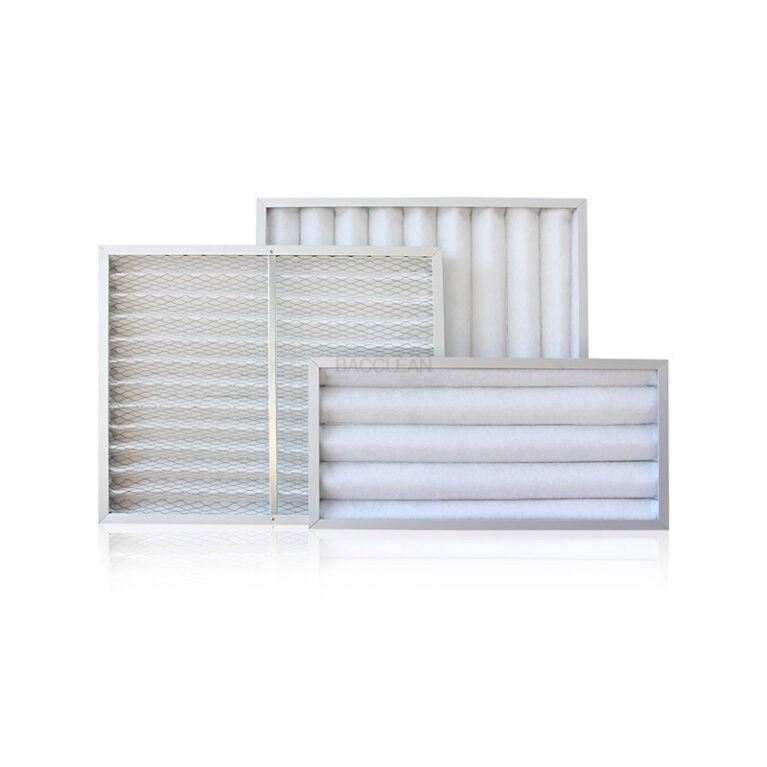
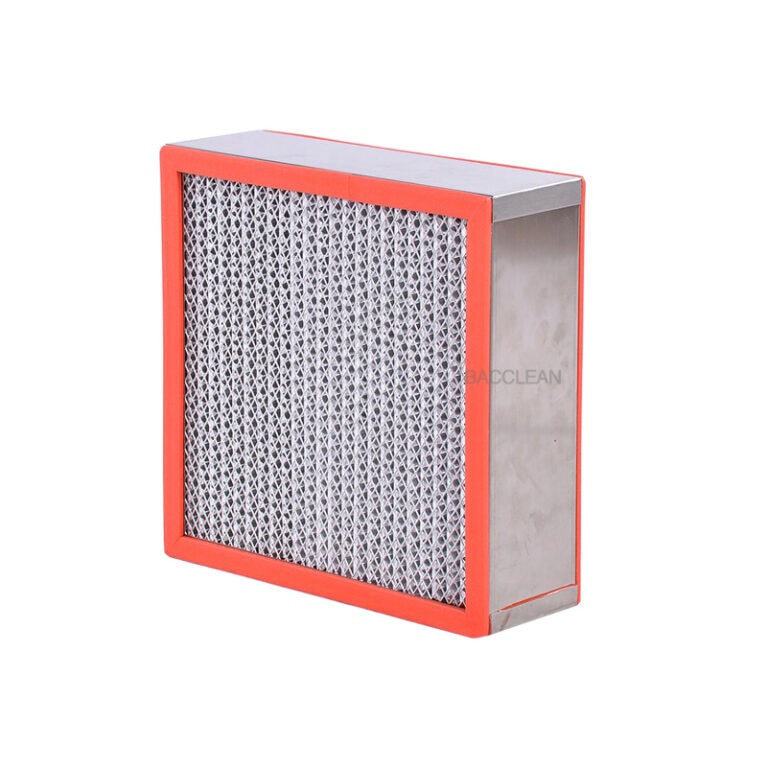
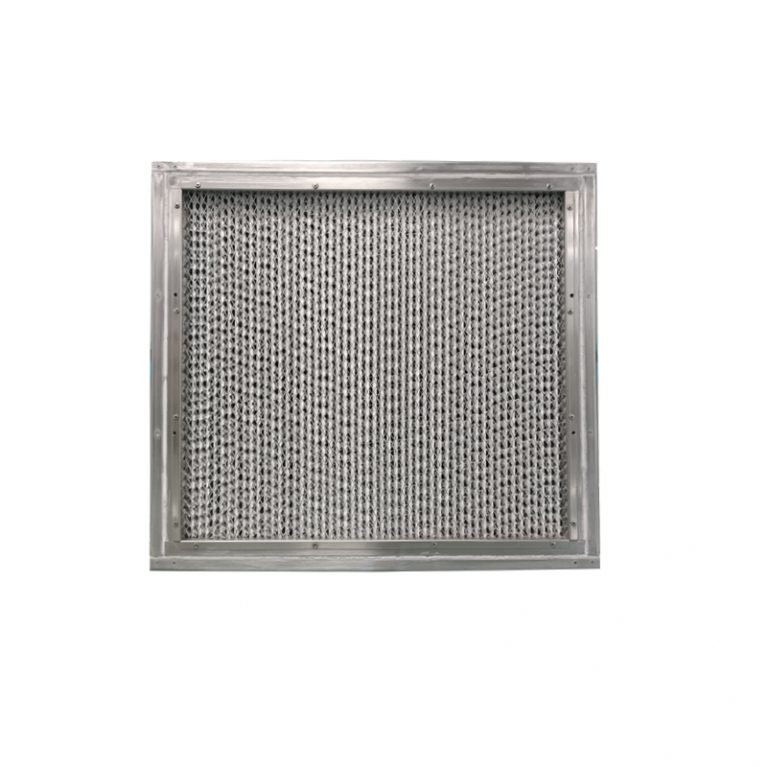
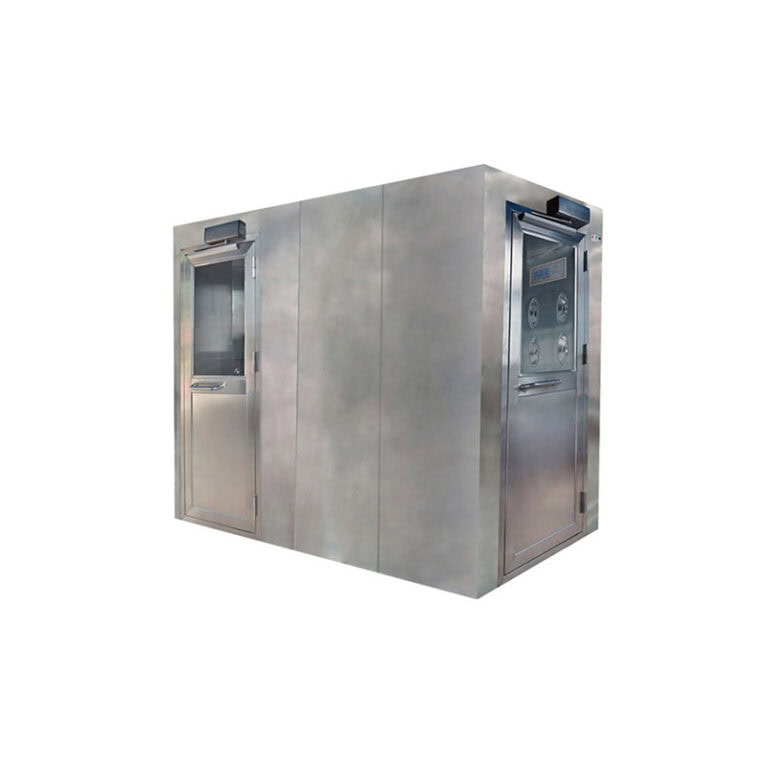
The environmental factors that affect the lifespan of the clean room mainly include the following categories, which directly determine the speed of aging of the frame, panels, filters, and seals:
1. Temperature and humidity (the most crucial factor)
High humidity environment: This is the most damaging to the clean room, accelerating:
Metal frames rusting, spray-painted layers peeling off
Sealant strips, sealing strips getting moldy, hardening, and cracking
High-efficiency filters getting damp, getting moldy, having increased resistance, and being prematurely scrapped
Severe temperature fluctuations: Materials expand and contract, leading to sealing failure, gaps widening, and air leakage.
2. Corrosive gases / chemicals
Acidic and alkaline gases, organic solvents, disinfectants (such as frequent use of ozone, peracetic acid)
Will directly:
Corrode aluminum alloys, stainless steel, galvanized layers
Aging plastics, PVC curtains, sealants
Damage fan motors, electrical components
3. Dust concentration
High dust and particle content:
Initial / mid / high-efficiency filters quickly clog up, resistance surges
Fans operating under high load for a long time, motors prematurely damaged
Cleanliness rapidly decreases, maintenance costs increase sharply
4. Vibration and external forces
High ground vibration, frequent collisions, pushing, pulling, and squeezing:
Frame loosening, deformation
Wall panels, ceiling panels cracking, air leakage
FFU, lamps, filters shifting, leakage
5. Light and ultraviolet rays
Long-term strong light, ultraviolet disinfection:
PVC soft curtains, acrylic plates, glass panels yellowing, becoming brittle, cracking
Sealant strips aging, hardening, losing elasticity
6. Ventilation and air flow conditions
Insufficient fresh air, poor exhaust, negative pressure inside:
Dirty outside air flowing in
Filter lifespan significantly shortened
The clean room is prone to dust accumulation and condensation