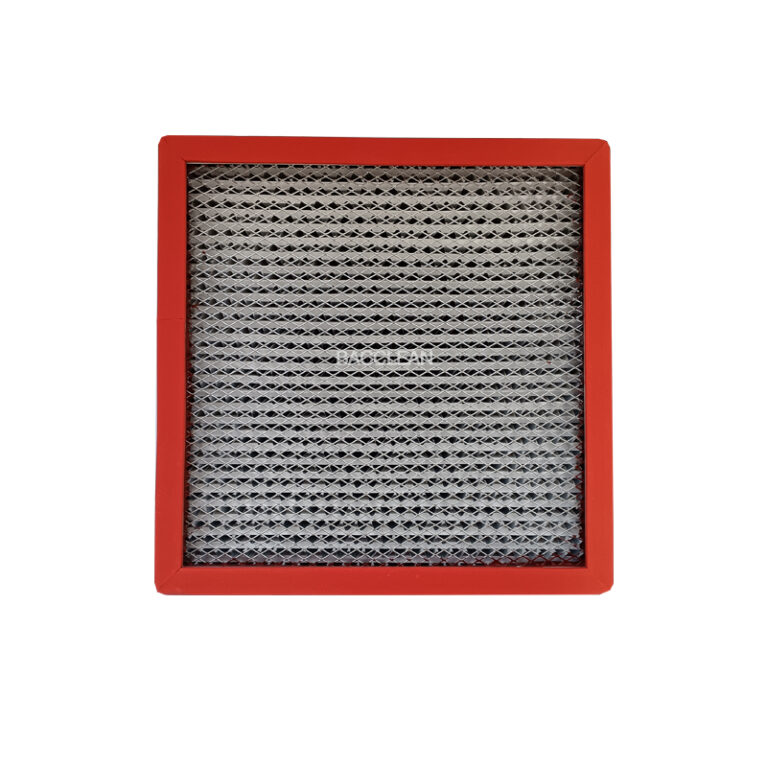
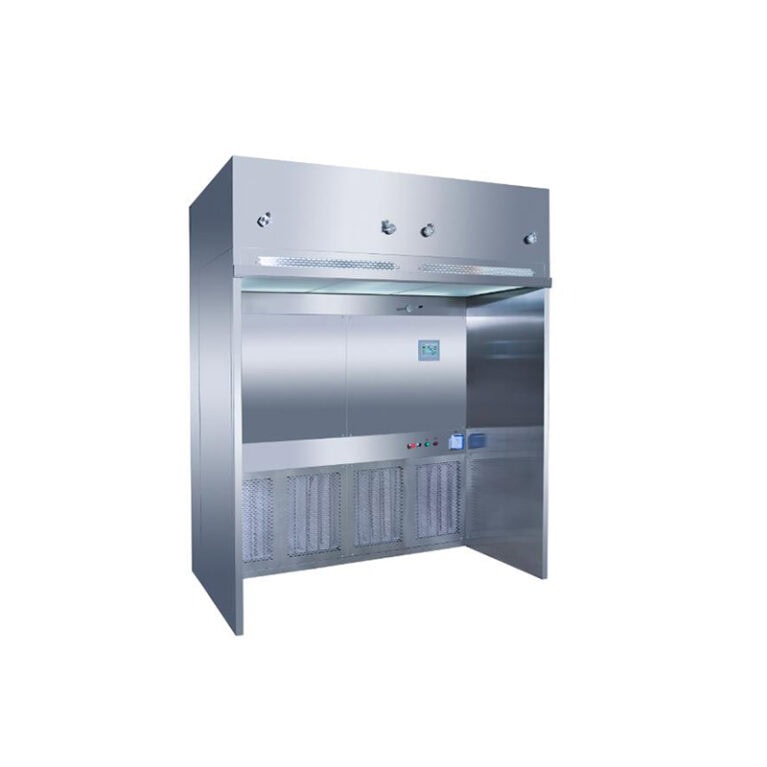
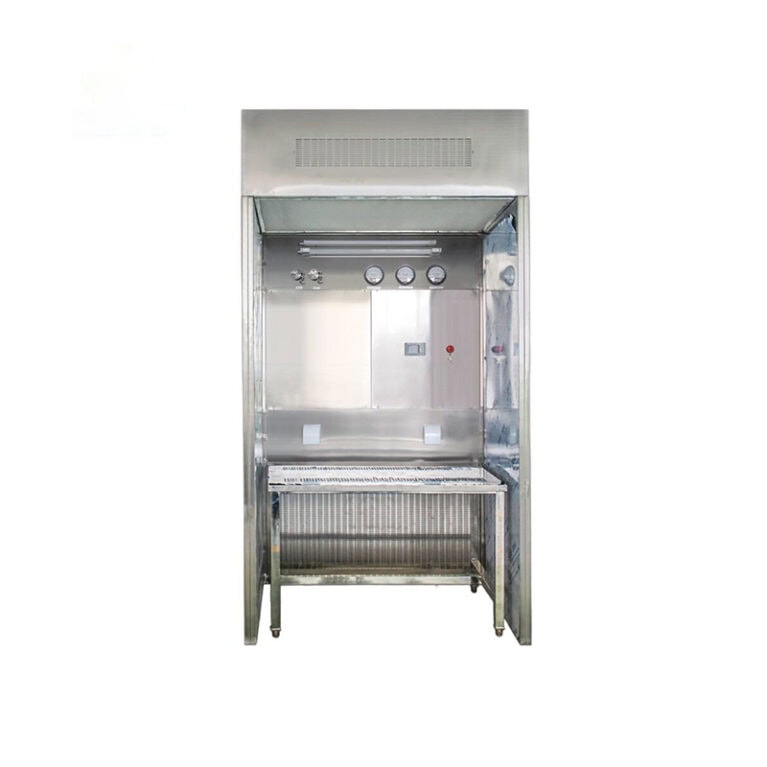
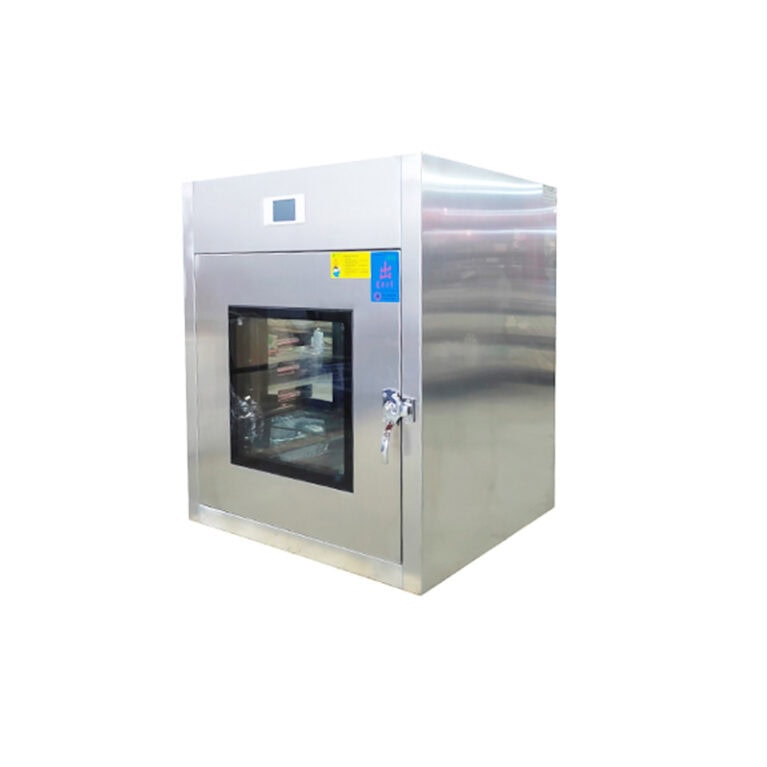
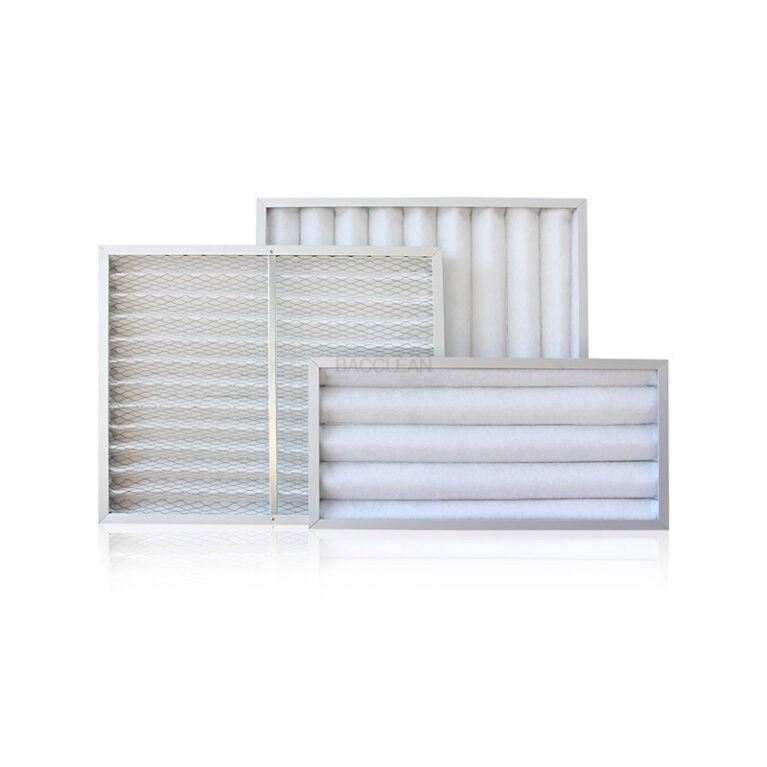
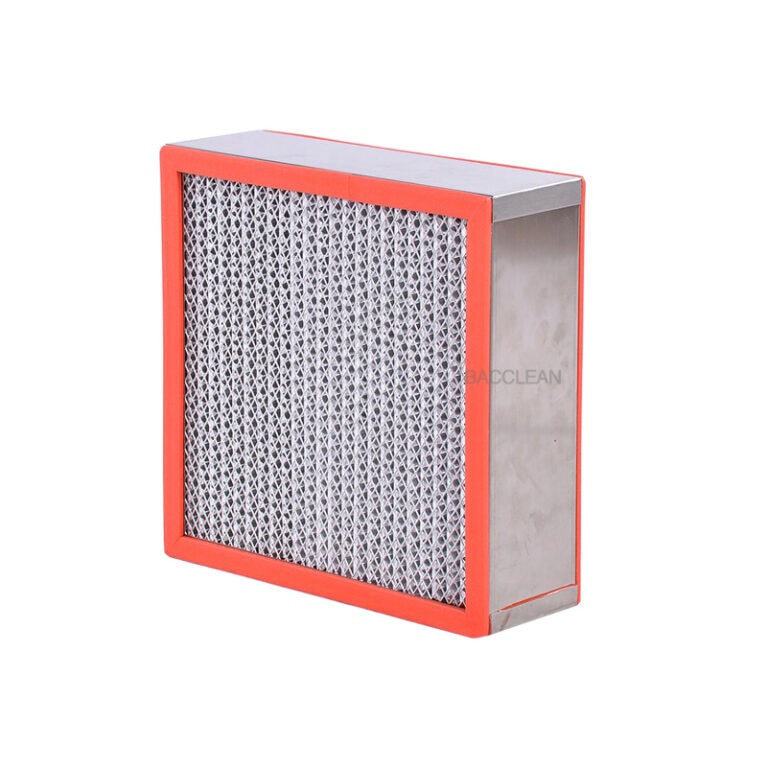
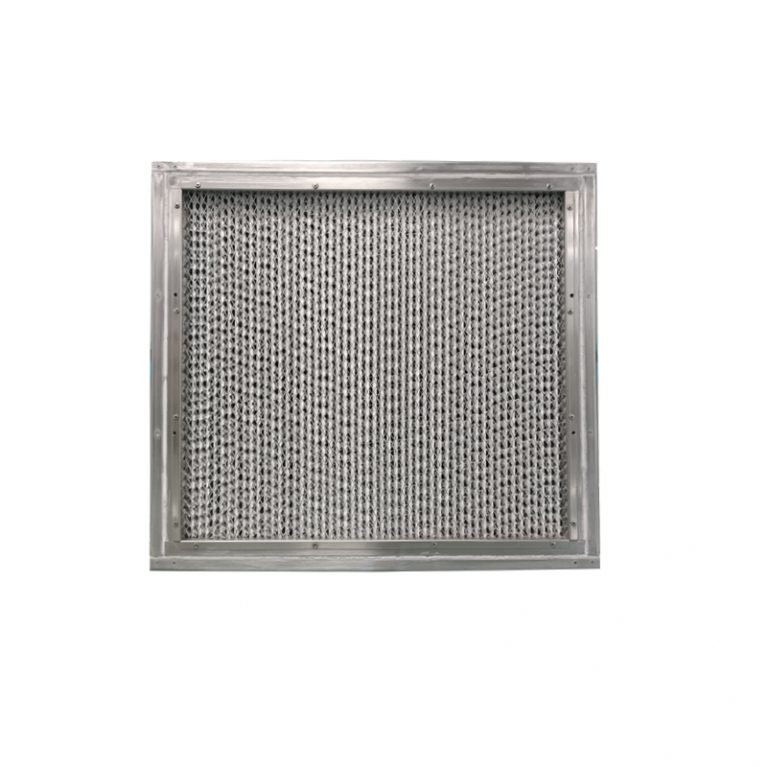
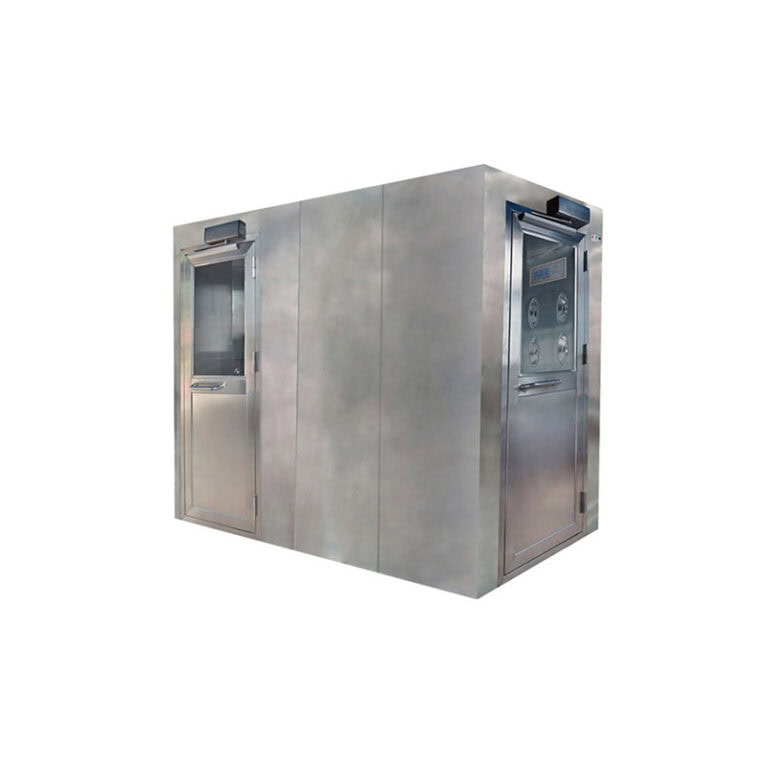
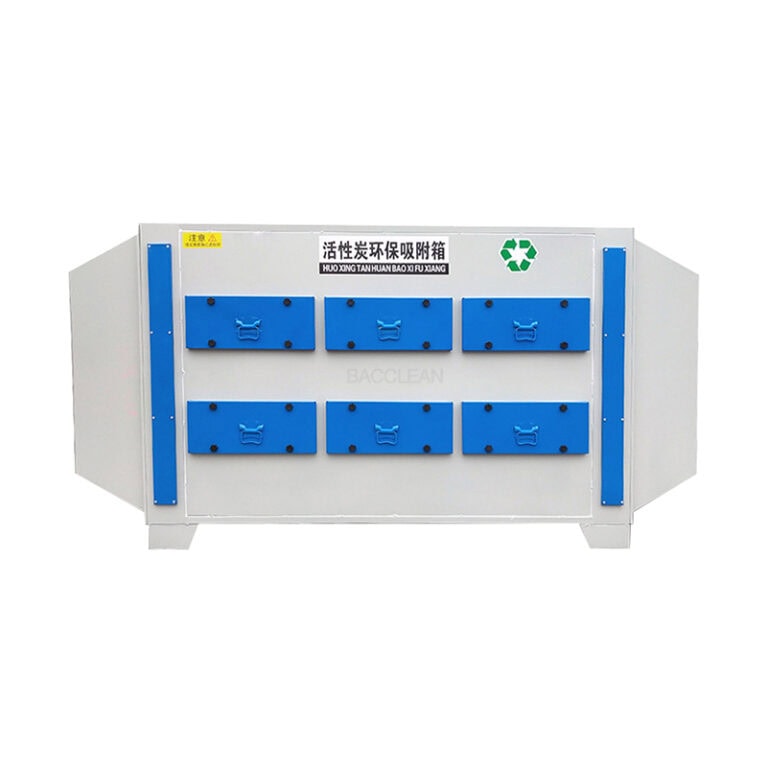
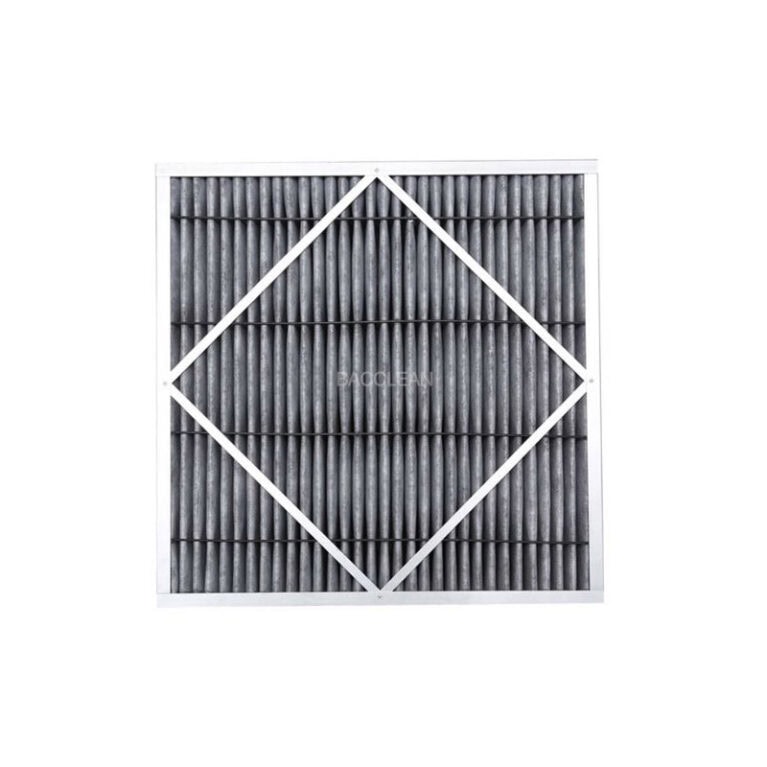
The core basis for determining whether the filter of the high-efficiency exhaust air filter unit (HEPA/ULPA) needs to be replaced lies in three key indicators: differential pressure monitoring, appearance condition, and service life. A comprehensive judgment should be made in combination with the actual operating scenarios to avoid premature replacement causing waste or over-use leading to pollution and equipment failure. Specifically, the following four types of situations can be precisely determined Compatible with all application scenarios such as industrial clean workshops, laboratories, and medical negative pressure zones
I. Core Determination Basis (Priority execution, most accurate) : The pressure difference reaches the final resistance standard
This is the most scientific and core indicator for determining the replacement of filters. The resistance change of high-efficiency filters directly reflects the degree of clogging and can be determined without disassembly
Basic logic: During the operation of the filter, dust and pollutants adhere to the surface of the filter material, and the resistance will gradually increase. When the final resistance equals 2 to 3 times the initial resistance, the filter material is close to saturation and cannot effectively filter, and it will also increase the load on the fan.
Specific operation: Record the reading of the differential pressure gauge (the pressure difference between the inlet and outlet of the high-efficiency filter) every day. If the reading remains stable within the final resistance range (the initial resistance of filters of different specifications varies; the initial resistance of conventional HEPA is 100 to 250Pa, and the final resistance corresponds to 200 to 750Pa, as indicated in the equipment manual), immediately arrange for replacement.
Special circumstances: If the pressure difference rises sharply (exceeding the final resistance within a short period of time), it is highly likely that the filter surface is clogged with large foreign particles or the filter material is damaged. There is no need to wait; simply stop the machine for inspection and replacement. If the pressure difference drops sharply (close to 0 or far below the initial resistance), it may be due to damaged filter material or poor installation sealing. Disassembly and inspection are required. If it is damaged, it should be replaced directly.
Ii. Intuitive Judgment Basis: Abnormal appearance and operating status (No need for professional instruments, quick troubleshooting)
During daily inspections, if any of the following situations occur through visual observation and tactile judgment, even if the final resistance has not been reached, replacement is still necessary:
Filter appearance damage: After disassembling, observe the filter material. If the filter membrane is cracked, deformed, or falls off, or if the frame is rusted or the sealing edge is cracked, it will cause unfiltered pollutants to be directly discharged, losing the filtering function. It must be replaced.
Signs of secondary pollution or filter failure: If there is obvious dust or odor at the exhaust outlet (in the case of no activated carbon pretreatment layer), or if the cleanliness of the workshop or laboratory does not meet the standards (confirmed by testing to be caused by the exhaust filter unit), it indicates that the filter has failed and should be replaced immediately.
Abnormal operation of the equipment: The noise of the fan keeps increasing and the vibration intensifies. After ruling out the fan’s own fault, it is highly likely that the resistance of the filter is too high and the fan is overloaded. At this time, the filter needs to be replaced to reduce the resistance.
Iii. Regular Safety Net Basis: Expiration of the service life (Preventive replacement to avoid hidden risks)
High-efficiency filters are disposable consumables. Even if there are no abnormalities in pressure difference or appearance, excessive use beyond the specified period will lead to aging of the filter material and a decline in filtration efficiency (especially for fine particles), and they need to be replaced at regular intervals.
Regular cycle: Generally, it should be replaced every 1 to 2 years (suitable for ordinary clean environments, such as electronic workshops and regular laboratories).
Shorten the cycle in special environments
High-pollution environments (chemical workshops, dust workshops) : Replace every 6 to 12 months.
High humidity/corrosive environment (pharmaceutical workshop, damp laboratory) : Replace every 3 to 6 months (to prevent the filter material from getting damp, moldy or corroded).
High-frequency operation scenarios (24-hour continuous operation) : Shorten the replacement to once every 6 to 12 months.
Supplementary note: If the front end of the filter is equipped with primary and medium-efficiency pre-treatment filters and they are well maintained, the service life of the high-efficiency filter can be appropriately extended (up to 30%), but it must not exceed two years.
Iv. Supplementary Determination for Special Scenarios (Adapting to Specific Industry Requirements)
In medical and biosafety scenarios (biosafety cabinet accessories, negative pressure wards) : If the equipment has been exposed to pathogenic microorganisms or toxic and harmful gases, even if it has been in use for a short period of time (less than 6 months), it must be replaced immediately, and the equipment should be disinfected after replacement.
In precision manufacturing scenarios (chip and semiconductor workshops) : When the concentration of particulate matter in the workshop exceeds the design standard and other factors are investigated to confirm that the problem lies with the exhaust filter unit, the filter should be replaced immediately, and at the same time, the pre-treatment filter should be checked to see if it needs to be replaced.
Key Reminder (Avoid Misjudgment, Mitigate risks)
Before replacement, it is necessary to confirm that the new filter should match the specifications of the original equipment (HEPA/ULPA level, size, and air volume), and have a qualified third-party test report to avoid filter failure due to non-compliant filter specifications.
Irreplaceable situation: High-efficiency filters cannot be cleaned and reused (cleaning will damage the filter membrane structure, causing a sudden drop in filtration efficiency). Even if there is no obvious contamination on the surface, they need to be replaced when they exceed their service life or reach the final resistance. Do not use them by chance.