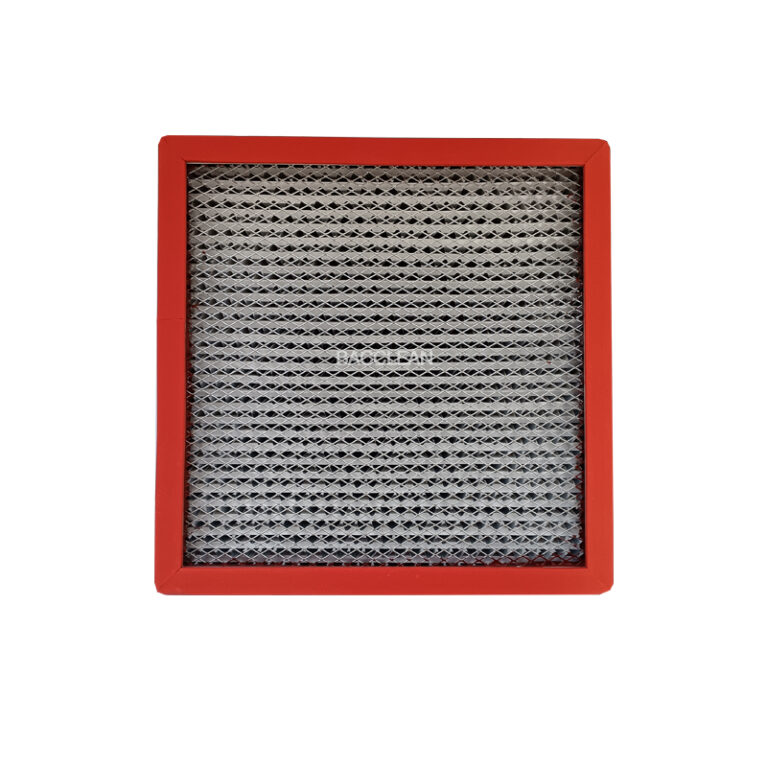
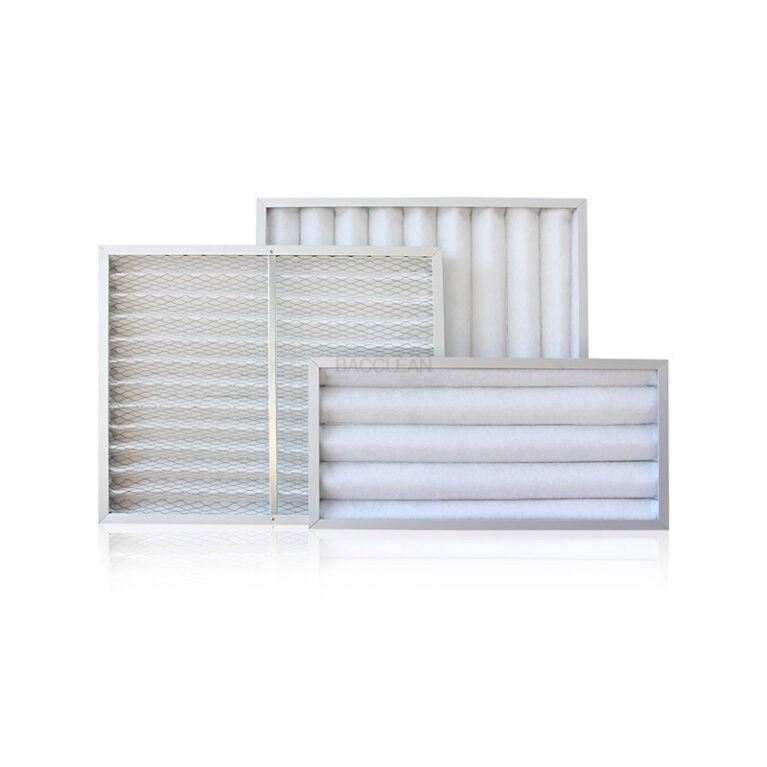
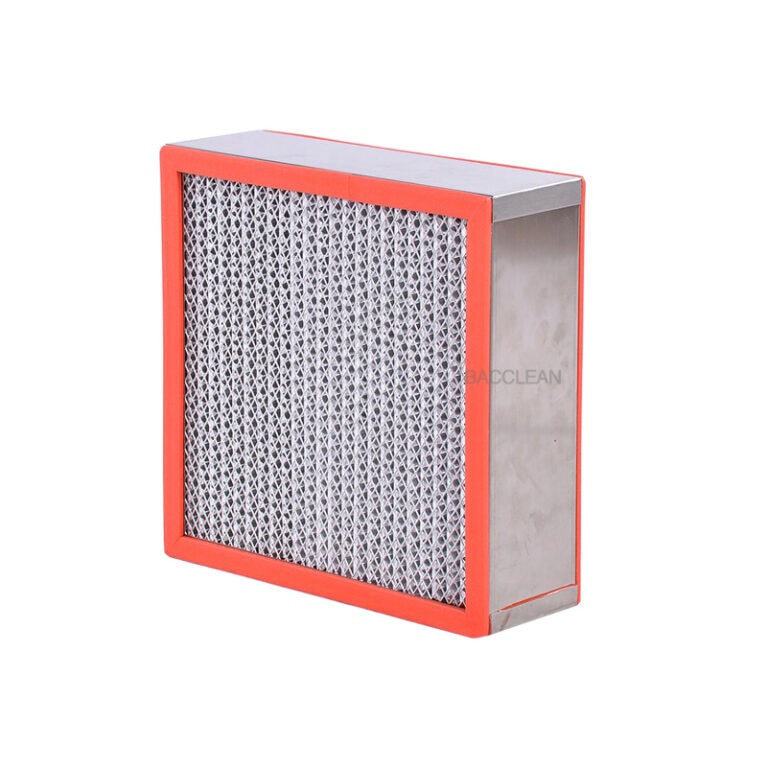
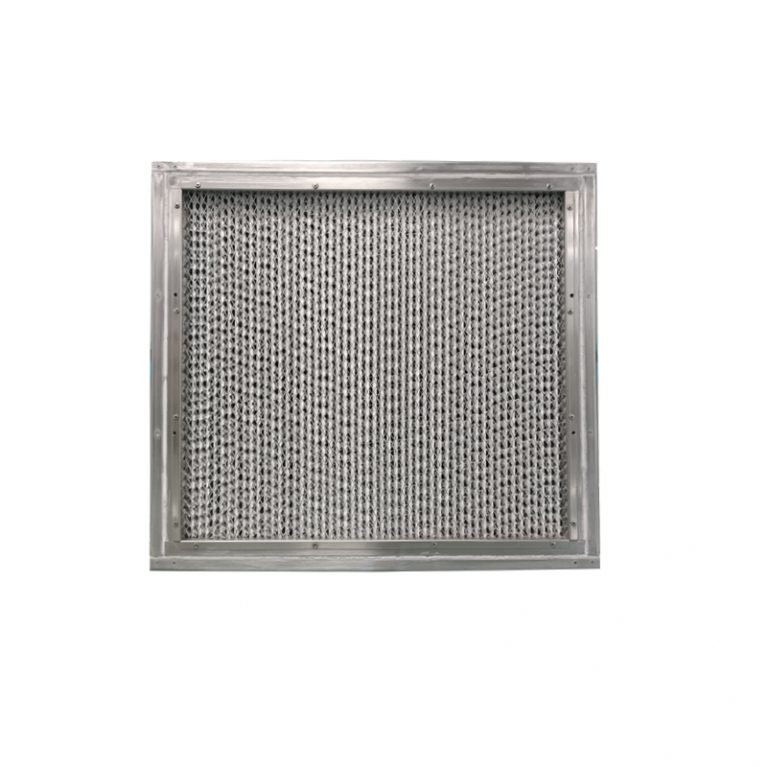
I present you with the most rigorous conclusion that can be directly incorporated into the SOP, and is approved by QA and audits:
The correct method for extending the lifespan of the filter does not reduce the filtration effect; instead, it makes the filtration effect more stable and lasting.
1. Why doesn’t it affect?
The methods you currently use are essentially: protecting the high-efficiency filter + reducing its burden rather than lowering the filtration standard.
These methods only have benefits and no drawbacks for the filtration effect.
Replace the primary and intermediate filters on time
→ Dust is blocked in advance, the high-efficiency filter remains clean, and the filtration efficiency remains at its highest.
Control dust, humidity, and do not touch the filter paper
→ The high-efficiency filter is not dirty, clogged, moldy, or torn, and its performance does not deteriorate.
Proper installation and ensuring sealing
→ No air leakage, no short circuit, and the actual filtration effect is not compromised.
Replace in time when the pressure difference increases
→ Always operating within the optimal working range of the high-efficiency filter, with stable air volume and cleanliness.
They do not change the high-efficiency itself; they just keep it in the optimal working state.
2. The only thing that truly affects the filtration effect is the wrong approach.
Failure to replace the primary and intermediate filters for a long time
Using the high-efficiency filter beyond its expiration date, with resistance exceeding the standard and not replacing it
Damaged, moldy, or leaking filter paper continues to be used
Wiping, pressing, and blowing the high-efficiency filter in reverse
These will:
Filter efficiency decreases
Insufficient air volume
Leakage occurs
Filtration standard does not meet the requirements