
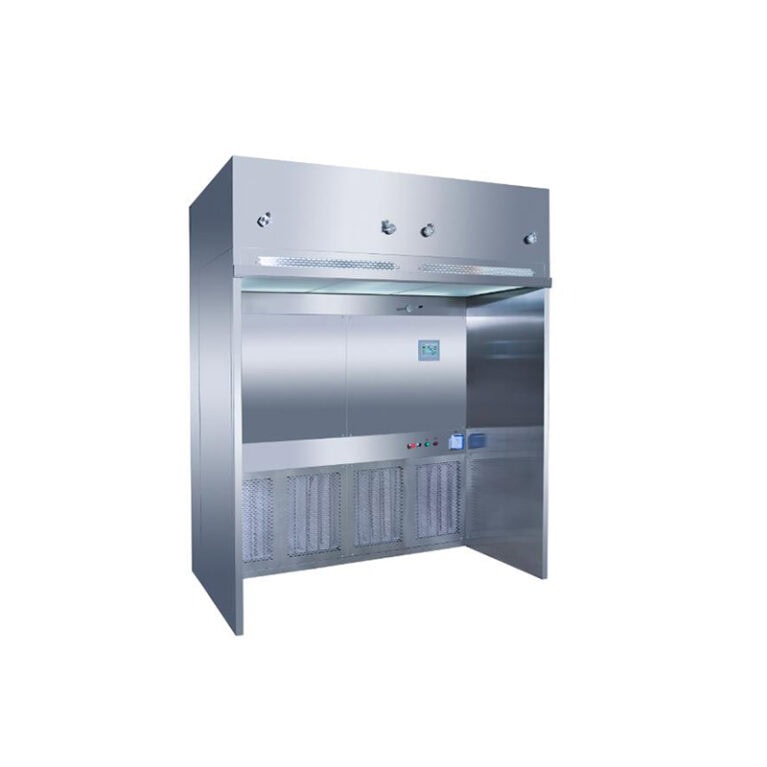
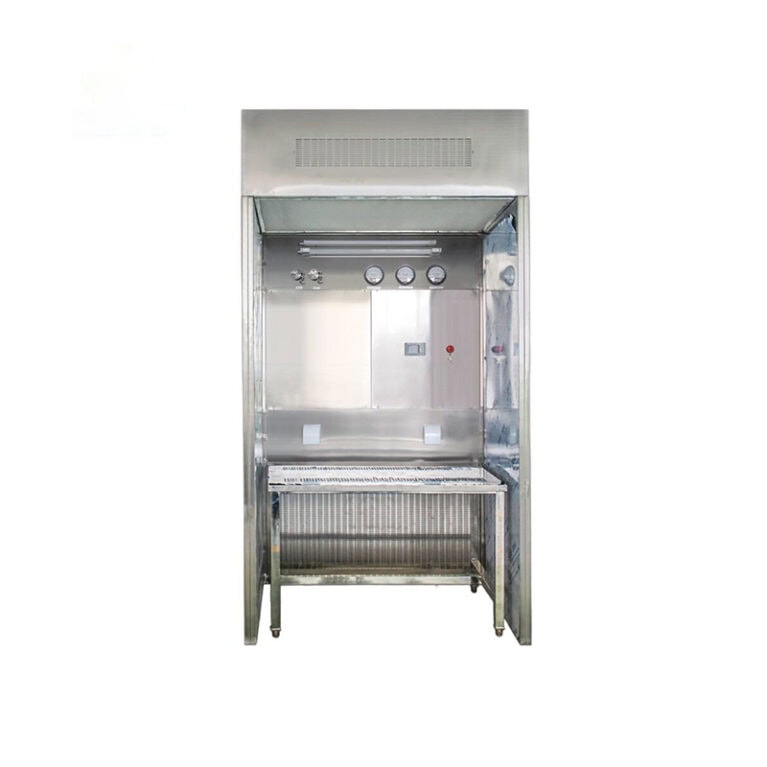
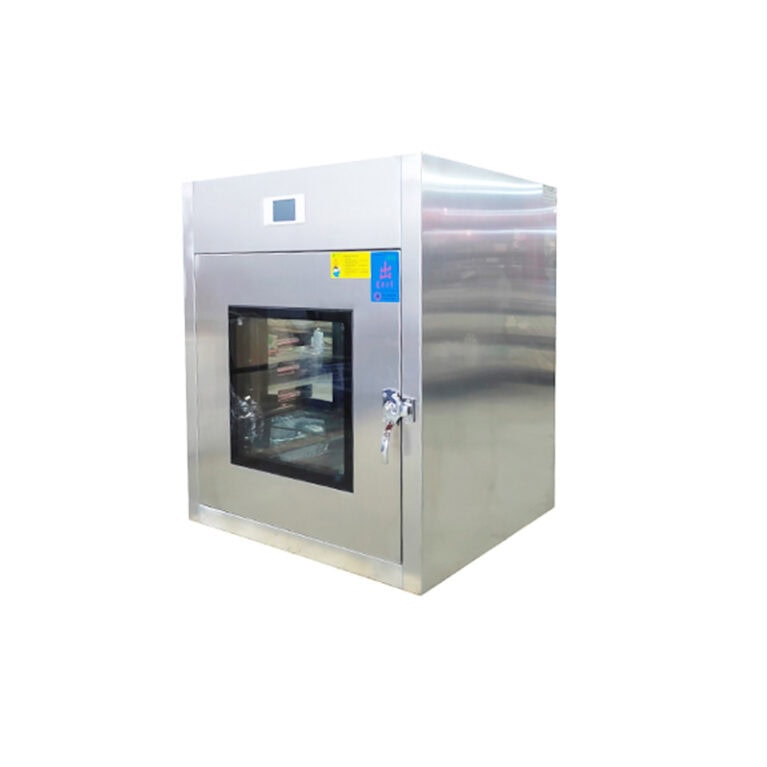
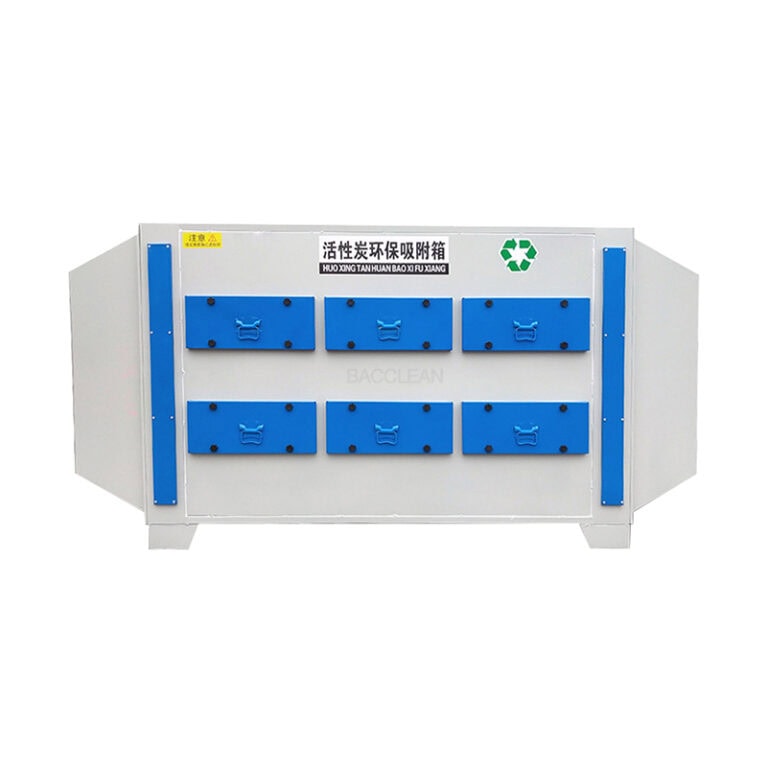
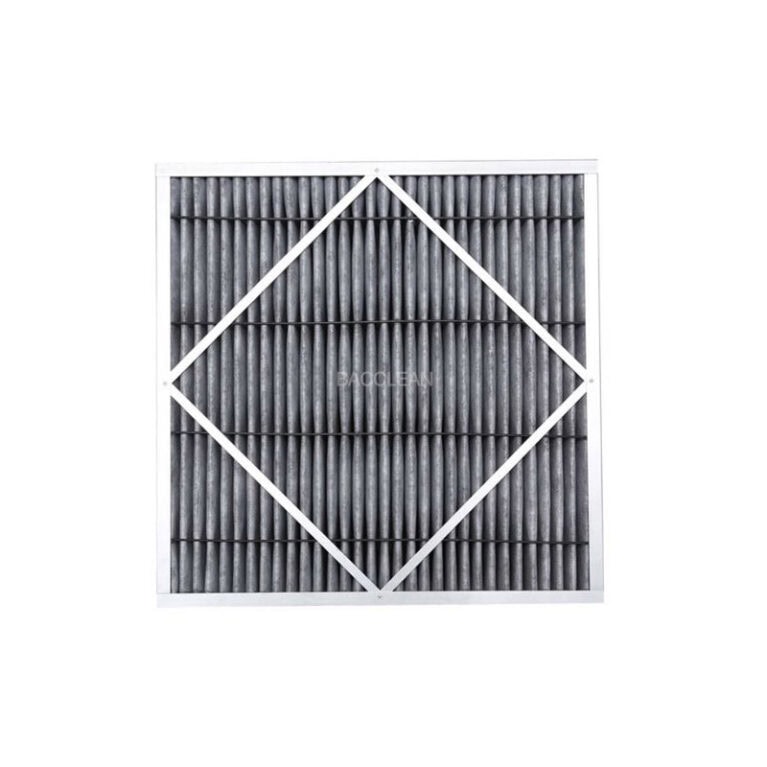
The core of the daily maintenance of high-efficiency exhaust devices is to ensure smooth airflow, effective filtration, and low-consumption operation of the equipment, while avoiding problems such as reduced exhaust efficiency, increased noise, and safety hazards caused by dust accumulation and component aging. The following is elaborated in the order of “core maintenance modules + cycles + key operation points”, taking into account both universality and industry adaptability:
I. Basic Maintenance (Daily/Weekly, Operable by All staff)
Operation status inspection (Daily)
Check the operating sound of the fan: no abnormal sounds or vibrations, stable fan speed, and no jamming.
Confirm the exhaust effect: By sensing the wind speed at the air outlet and the speed at which indoor odors/smoke are expelled, determine whether the exhaust is normal.
Check the instrument data: If air volume, air pressure and temperature and humidity meters are equipped, record the data to ensure it is within the rated range (deviations need to be checked in time).
External cleaning (weekly)
Wipe the fan casing and control panel to remove surface dust and oil stains (in industrial scenarios, focus on cleaning accumulated oil stains).
Clear debris from the air inlet and outlet: Remove obstructions from the air outlet (such as plastic bags, dust accumulation blocks) to ensure unobstructed airflow.
Check the connecting pipelines: Visually inspect the air duct interfaces and hoses for no damage or detachment, and ensure that the joints are well sealed (to prevent air leakage).
Ii. Maintenance of Core Components (Monthly/Quarterly, operated by professionals)
(1) Filtration system (Key core, directly affecting exhaust efficiency)
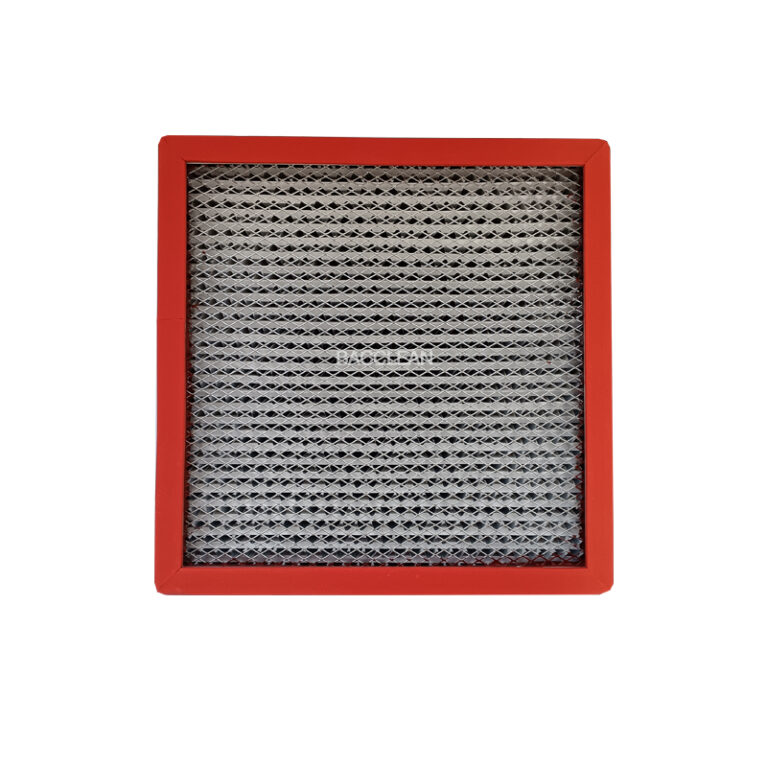
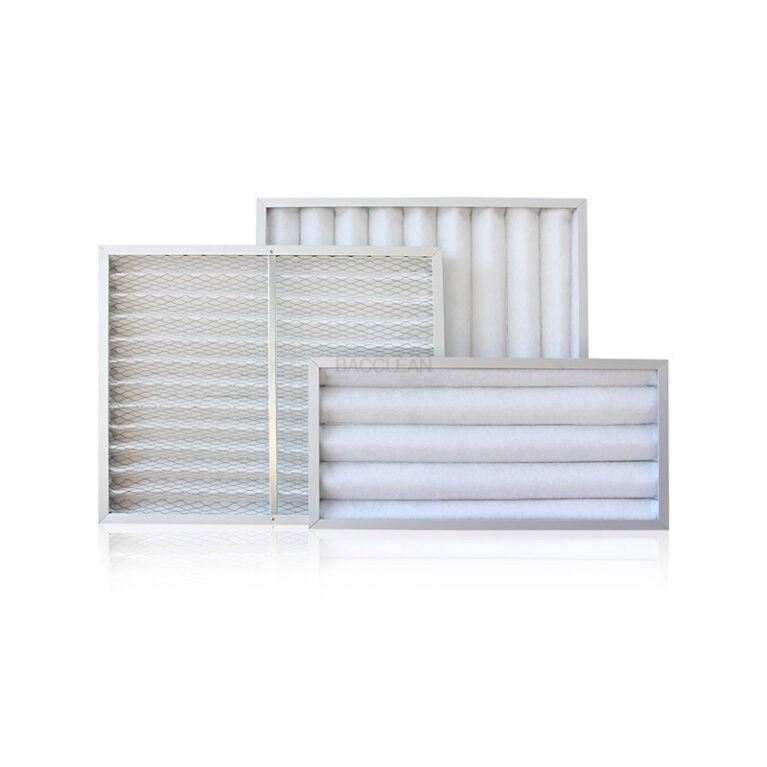
Primary filter (1-3 months, adjusted according to working conditions)
Operation: After disassembly, blow it back with compressed air (pressure ≤0.3MPa), or rinse it with clean water (the material can be washed with water), dry it and then reset it. If the filter cotton turns black or is damaged, replace it directly.
Key point: For scenarios involving industrial dust and cooking fumes, the inspection cycle should be shortened (once every 15 to 30 days).
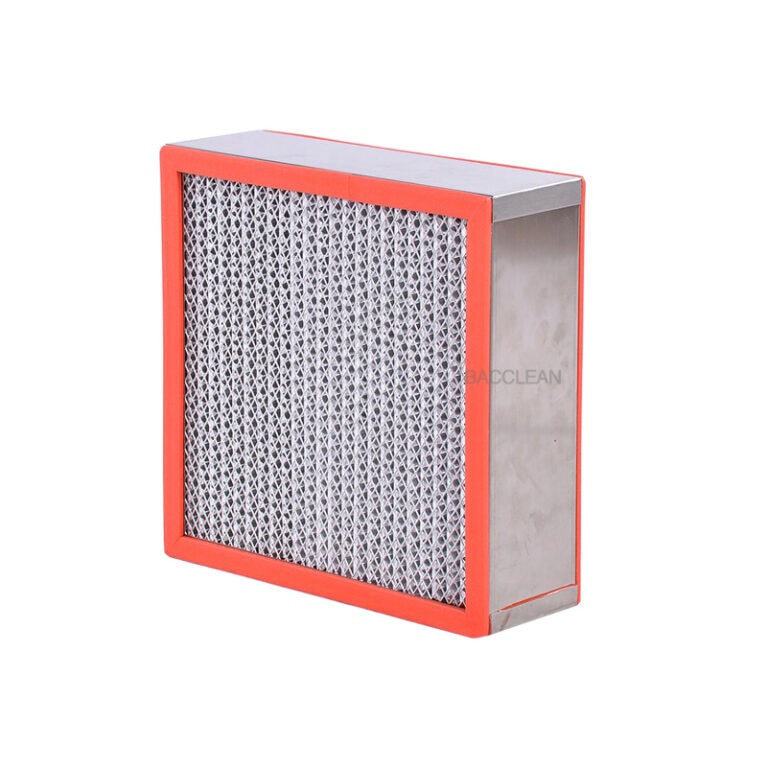
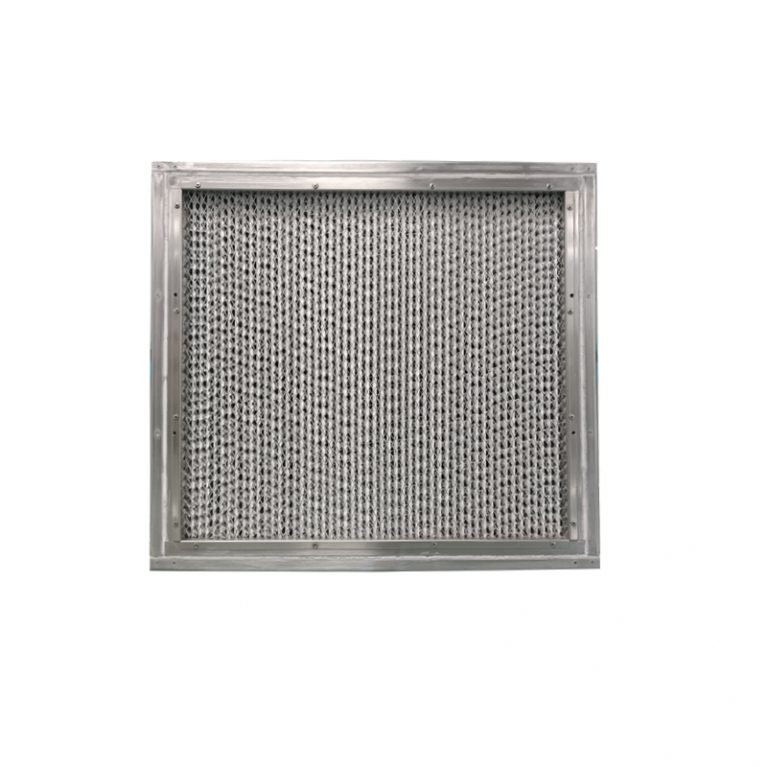
Medium/high efficiency filters (HEPA, 6-12 months, or when differential pressure alarm is triggered)
Operation: Judge by the differential pressure gauge (replace when the differential pressure exceeds twice the initial value). Wear gloves during replacement to avoid touching the filter membrane with your hands (to prevent contamination). After installation, ensure there is no air leakage at the sealing edge.
Key points: In scenarios such as medical laboratories and nuclear industries, after replacement, the filtration efficiency needs to be tested, and the discarded filter elements should be treated as hazardous waste.
(2) Fan and Motor (Power Core, Anti-fault shutdown)
Monthly: Check the motor temperature (≤70℃ during operation), whether there is any abnormal noise from the bearings, and add grease (once every three months, select the appropriate model).
Every quarter: Tighten the fixing bolts of the fan impeller and motor (to prevent loosening due to vibration), and check the belt drive device (if any) : The belt tension should be moderate, without cracking, slippage, or severe wear. Replace it when necessary.
Taboos: Do not remove the protective net when the fan is in operation. Do not wipe the motor terminal with a damp cloth (to prevent short circuit).
(3) Air ducts and air outlets (air flow channels, preventing dust accumulation and blockage)
Monthly: Clean the accumulated dust on the air outlet grille. Use a brush or vacuum cleaner to remove the dust and oil stains adhering to the surface (special degreaser should be used for cleaning in the kitchen of the catering industry).
Every quarter: Check the dust accumulation on the inner walls of the air ducts (which can be viewed through the access port). For light dust accumulation, blow it away with compressed air. For severe dust accumulation (such as industrial dust and cooking fumes), disassemble and clean it in sections to prevent secondary pollution caused by dust shedding.
Key points: In scenarios such as underground garages and mines, additional checks for corrosion and damage to air ducts are required, and timely repairs should be made.
(4) Control and Safety Devices (Ensuring Precise Operation)
Monthly: Test the sensitivity of the control panel buttons and switches, and check whether the differential pressure gauge, temperature controller, and alarm devices (such as overload alarm and differential pressure alarm) are triggered normally.
Every quarter: Check the grounding device (grounding resistance ≤4Ω), and ensure that the leakage protection switch operates normally to avoid the risk of motor leakage.
Special scenarios: In the medical and chemical industries, it is necessary to verify the negative pressure control system (such as in isolation wards) to ensure that the pressure difference meets the standards.
Iii. Maintenance Focus in Different Scenarios (Adapted to Industry Demands)
| Scénarios d'application | Maintenance focus | The situation of shortening the cycle |
| Industrial workshop (Dust/waste gas) | Dust cleaning of the filtration system and air ducts, and motor lubrication | High dust concentration and 24-hour operation |
| Medical laboratory/isolation ward | Replacement and inspection of high-efficiency filters, negative pressure sealing performance | Contact with pathogenic microorganisms and toxic gases |
| Catering kitchen | Oil removal from air outlets/ducts, and cleaning of oil stains on fan impellers | Frequent cooking every day leads to a large amount of cooking fumes |
| Civilian residence | Cleaning the filter screen of the kitchen range hood and the exhaust fan in the bathroom | The period of new house decoration and the damp and rainy season |
| Underground garage/tunnel | Corrosion inspection of air ducts and cleaning of exhaust gas filtration devices | There is a large volume of traffic and the tunnel has strong airtightness |
Iv. Maintenance of Taboos and Safety Precautions
Before all maintenance operations, the power must be cut off and the machine shut down. A “Under Maintenance” sign must be hung to prevent accidental start-up.
When working at heights (such as air ducts and roof fans), safety belts must be worn, along with protective gloves and masks (in industrial/medical scenarios, additional protective goggles and protective suits).
It is strictly prohibited to adjust the fan speed and wind pressure parameters at will to avoid exceeding the rated load of the equipment and causing damage to the components.
Waste filter elements and oil stain cleaning materials (especially those containing hazardous waste) should be classified and disposed of in accordance with local environmental protection regulations and must not be discarded at will.
Establish a maintenance ledger to record the date, content and model of replaced parts of each maintenance, which is convenient for traceability and fault detection.
V. Quick Troubleshooting of Common Faults (with Maintenance Responses)
Decreased exhaust efficiency: Check if the filter is clogged (prioritize cleaning/replacement) → Whether there is air leakage or dust accumulation in the air duct → Whether the fan speed is normal.
Abnormal noise/vibration of the fan: Tighten the bolts → Check the bearing lubrication → Uneven dust accumulation on the impeller (balance correction is required).
Motor overheating shutdown: Clean the motor heat sink → Check the overload protection device → Bearing jamming (replace the bearing).
