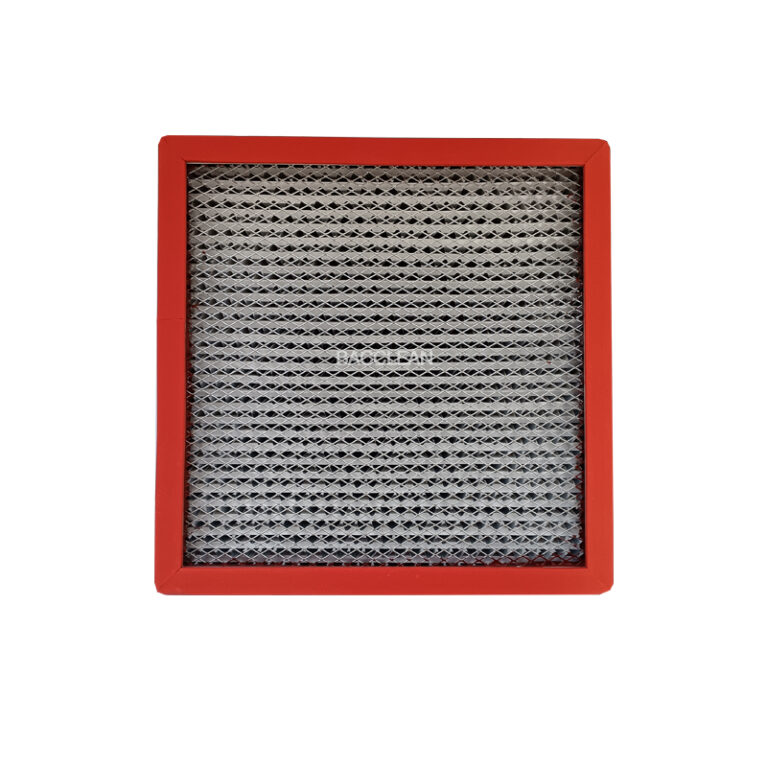
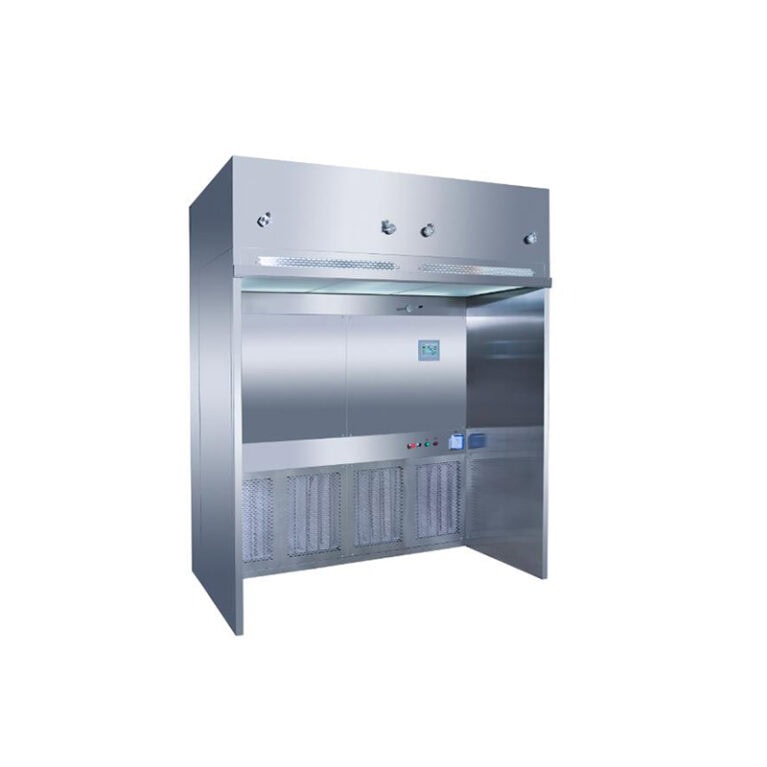
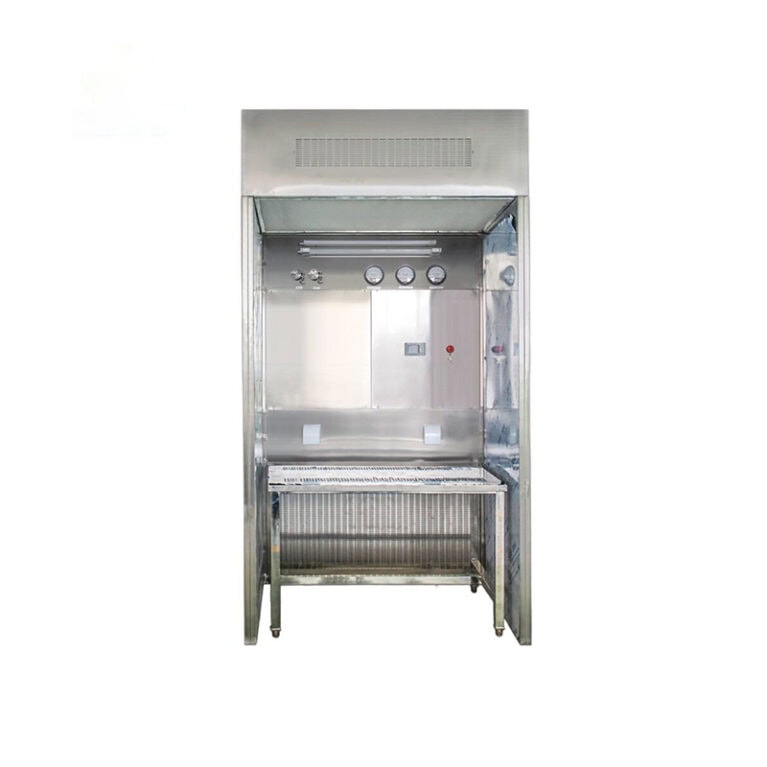
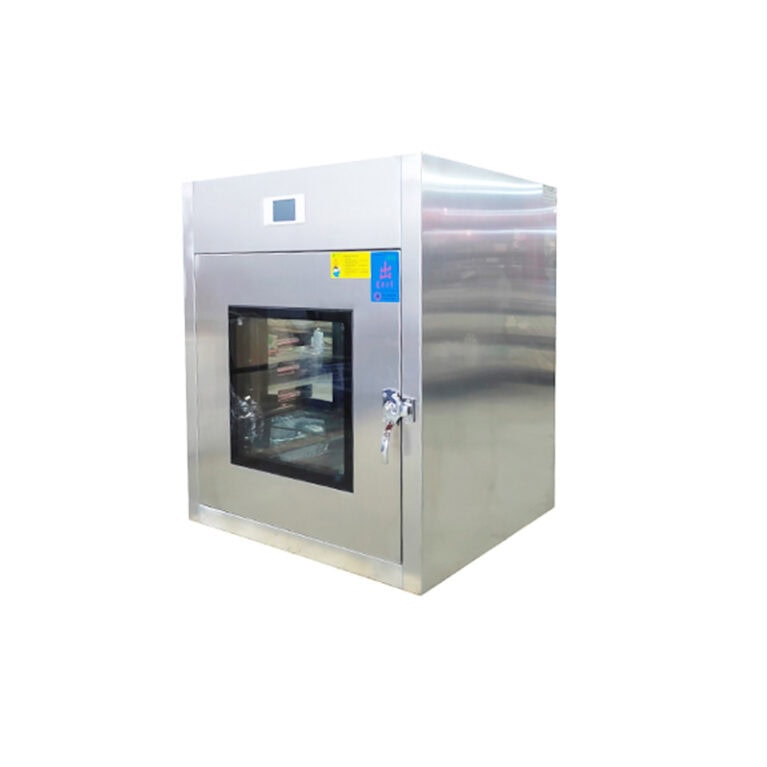
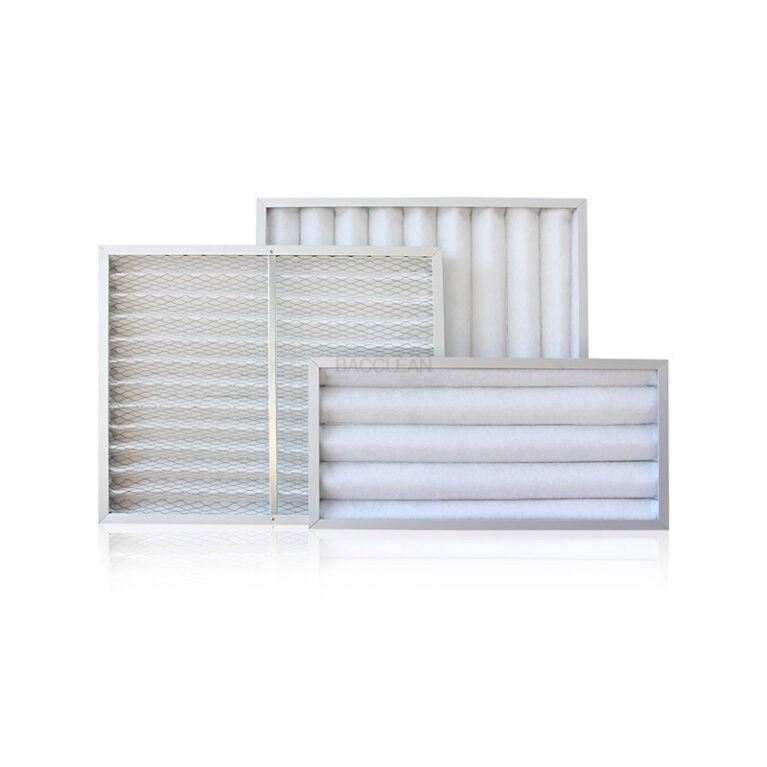
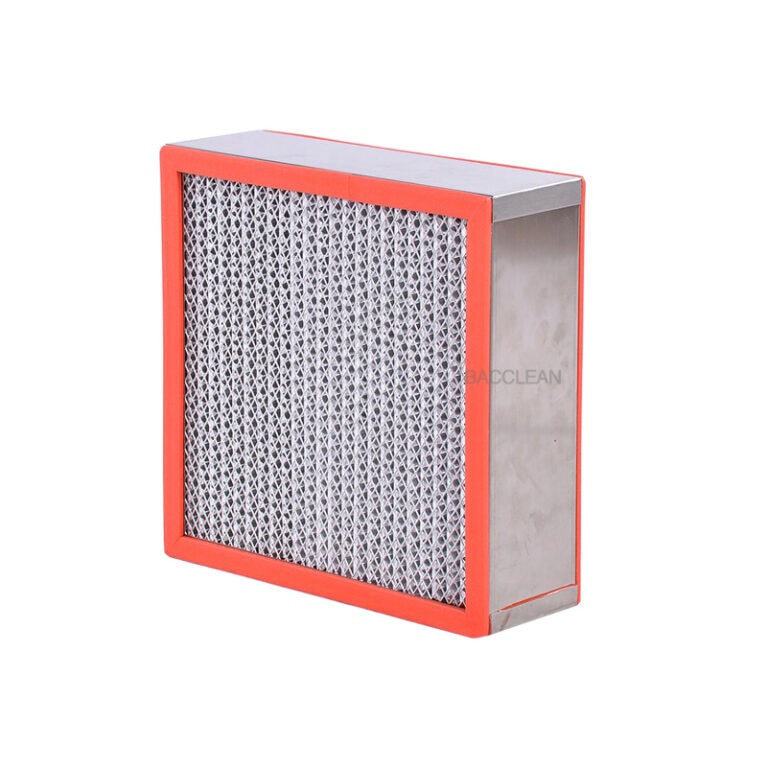
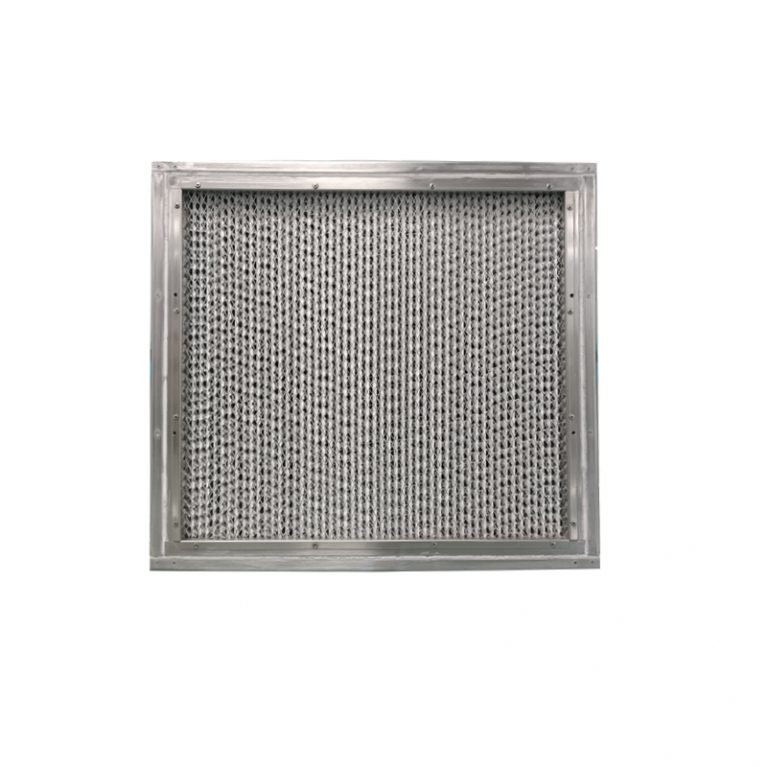
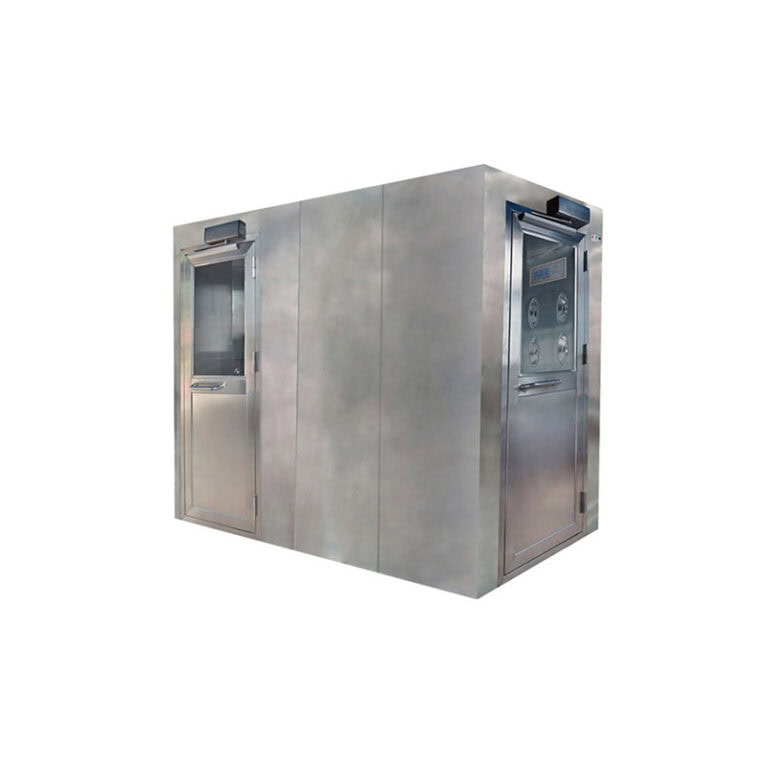
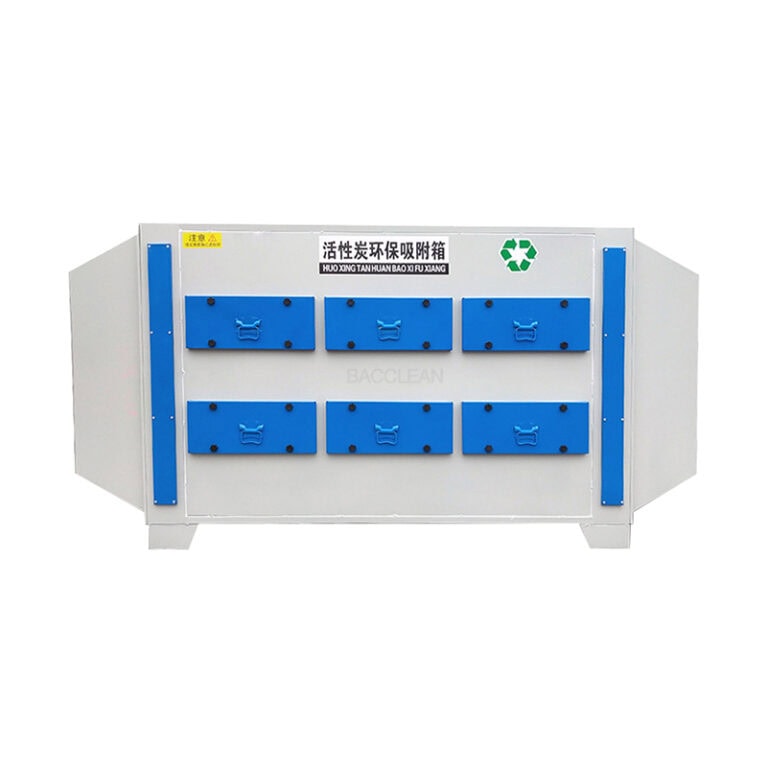
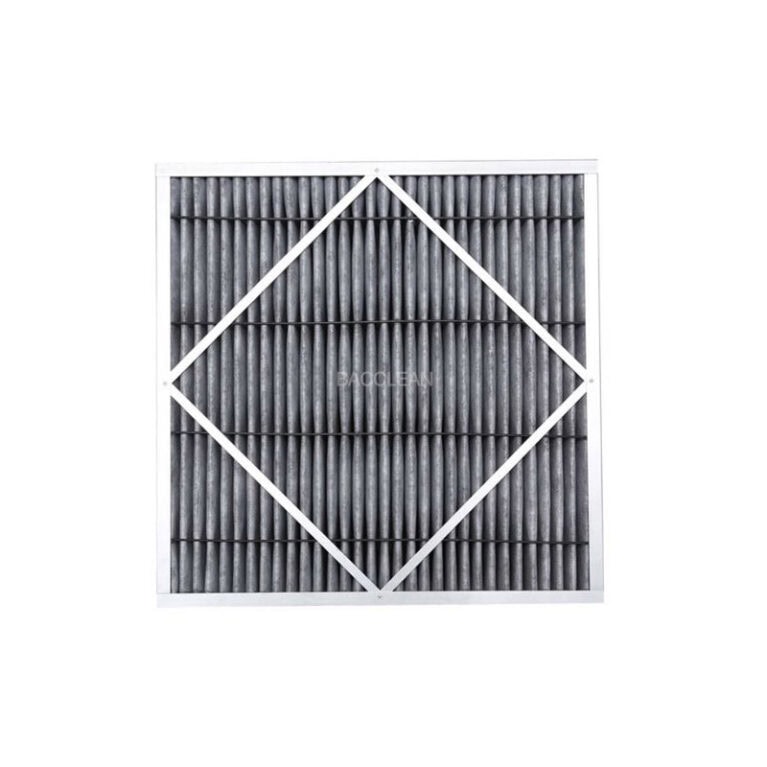
The core of daily maintenance for ultra-low resistance high-efficiency filtration units is pressure difference monitoring, regular inspections, standardized cleaning / replacement, and seal checks to ensure low resistance and high efficiency, extend lifespan, and avoid air leakage and secondary pollution.
1. Daily Monitoring (daily / per shift)
Pressure difference monitoring: Record the pressure difference at the inlet and outlet, establish an initial baseline value; the final resistance is usually 1.5–2 times the initial value, and an alert is triggered when it reaches 80%.
Appearance and operation: Check for deformation, damage, and dust accumulation on the casing and frame; no blockage at the inlet and outlet; the fan / valve operates smoothly, without abnormal sounds, and no abnormal vibrations.
Air volume and cleanliness: Observe if the supply air volume is stable; whether the particle concentration in the clean room / workshop meets the standard.
Record and archive: Daily record the pressure difference, operating status, and abnormal situations, forming an operation log.
2. Periodic Inspection and Maintenance (according to schedule)
1. Every week / every two weeks
Clean the casing and floating dust on the inlet surface (using a soft brush / vacuum cleaner, gently sweep from the clean side to the contaminated side).
Check the sealing strips and sealing grooves on the frame, for no aging, cracking, or detachment.
Verify the pressure difference trend to determine if it is approaching the warning value.
2. Every month
Comprehensive inspection of filter materials: Check for any damage, bulging, discoloration, or mold; check if the frame is loose.
Check if the fasteners and connecting parts are secure.
Test the alarm function (if any).
3. Every quarter / every half year
Deep cleaning: For washable types, clean according to the specifications (≤40℃ warm water, neutral detergent, natural air drying / ≤60℃ low-temperature drying).
For non-washable types: Only dry sweep / reverse dust removal, strictly prohibit water washing.
Recheck the sealing performance: Replace the sealing strips as necessary.
System linkage check: Match with the front-end primary efficiency and rear-end high-efficiency filters.
3. Cleaning and Regeneration Specifications (for washable types)
Power off and disconnect the power supply, remove the filter to prevent secondary pollution.
Dry sweep: Lightly sweep with a soft brush or low-pressure compressed air (≤0.3MPa) to remove large particles of dust.
Water wash: ≤40℃ warm water, rinse from the clean side to the contaminated side; optional neutral detergent soaking for 10–15 minutes.
Rinse until the water is clear, air dry or ≤60℃ low-temperature dry, strictly prohibit exposure to the sun.
Check: The filter material is undamaged, and the efficiency has no significant decrease before reuse; the number of cleanings ≤3 times, and if exceeded, replace.
4. Replacement Criteria and Operations
1. Replacement trigger conditions (satisfy any one of them)
Pressure difference reaches 1.5–2 times the initial value (final resistance).
Filter material is damaged, moldy, or severely dusty and cannot be cleaned.
Air volume / cleanliness continues to not meet the standard, after excluding other causes.
For washable types, clean ≥3 times or efficiency decreases >5%.
2. Replacement cycle reference (dynamic adjustment)
General environment: 6–12 months.
High dust / high load (such as electronics, pharmaceuticals, subway hubs): 3–8 months.
Low-load environment: 12–24 months.
3. Replacement operation points
Power off and disconnect the power supply, take precautions to prevent dust at the site.
Remove the old filter gently, vacuum clean the frame and sealing grooves.
Check the appearance, efficiency, and sealing integrity of the new filter, install it in the correct direction.
Compact the seal, no air leakage; measure the pressure difference, air volume, and check for leaks (if necessary, PAO/DOP).
Record the replacement time, model, initial pressure difference, and operating parameters.
5. Common Problems and Solutions
Resistance rises too quickly: Failure of the front-end primary efficiency, high environmental dust, excessive air volume; strengthen front-end filtration, adjust air volume, shorten maintenance cycle.
Leakage / cleanliness decline: Aging sealing strips, frame deformation, improper installation; replace the sealing, correct the frame, reinstall and check for leaks.
Filter material moldy: High humidity, condensation water; control temperature and humidity, enhance ventilation, replace the moldy filter in time.
Abnormal vibration / noise: Fan failure, frame loosening, filter installation offset; Maintenance shutdown, tightening, repositioning.
VI. Safety and Management
During maintenance, power is cut off, signs are hung, and dedicated personnel are on duty. Safety belts are used for high-altitude work.
Used filters are sealed and packaged, and disposed of in accordance with environmental protection requirements.
Establish a full life cycle ledger: model, installation date, initial pressure difference, maintenance/cleaning/replacement records, operation data.
Develop emergency plans: rapid response procedures for pressure surge, air leakage, equipment failure, etc.