
Combined with practical industrial experience, this article systematically sorts out targeted troubleshooting methods, standardized maintenance procedures and adaptation optimization schemes for various working conditions, providing technical support for stable long-term operation of equipment.
1. Accurate Troubleshooting & Solutions for Frequent Industrial Failures
-
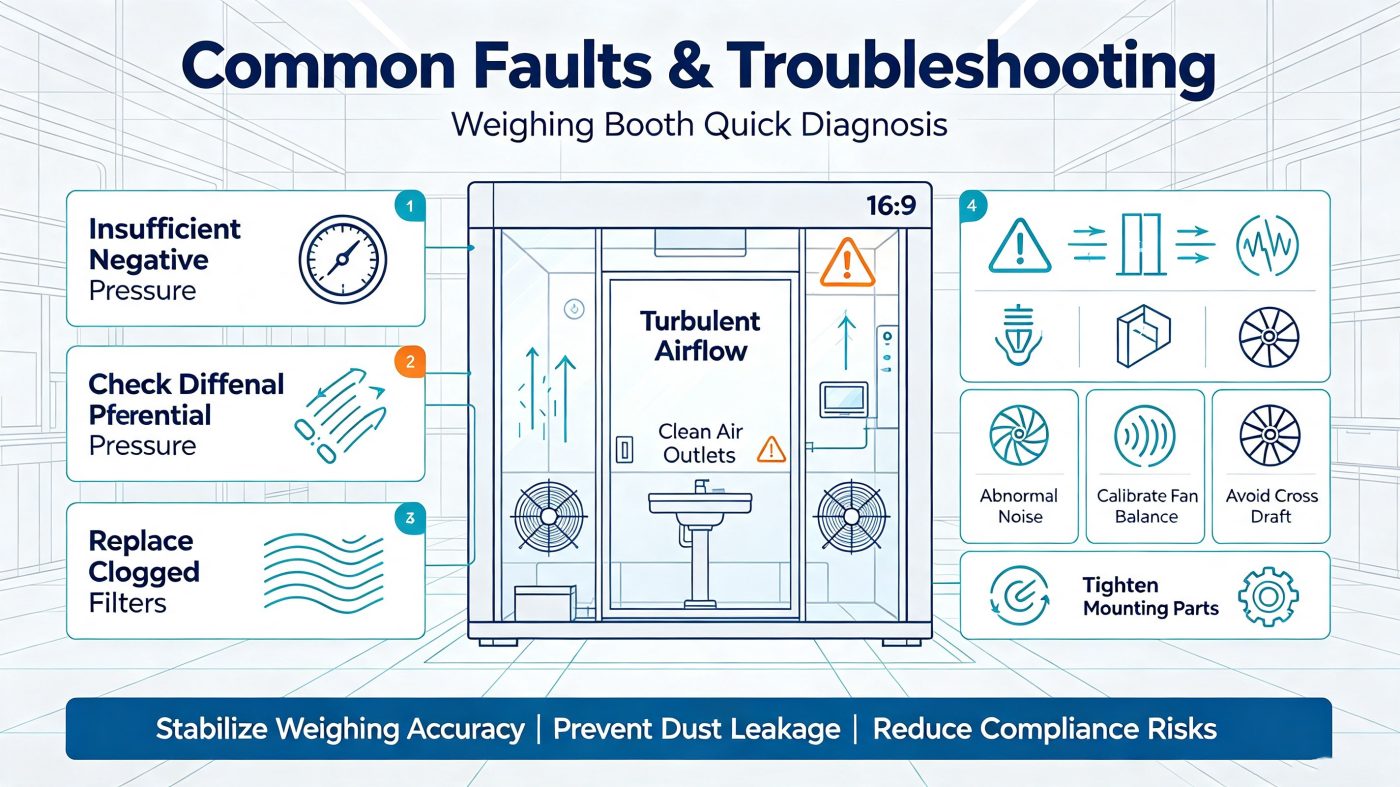
Insufficient negative pressure & dust leakage
Main causes: HEPA filter clogging, fan speed degradation, equipment sealing failure.
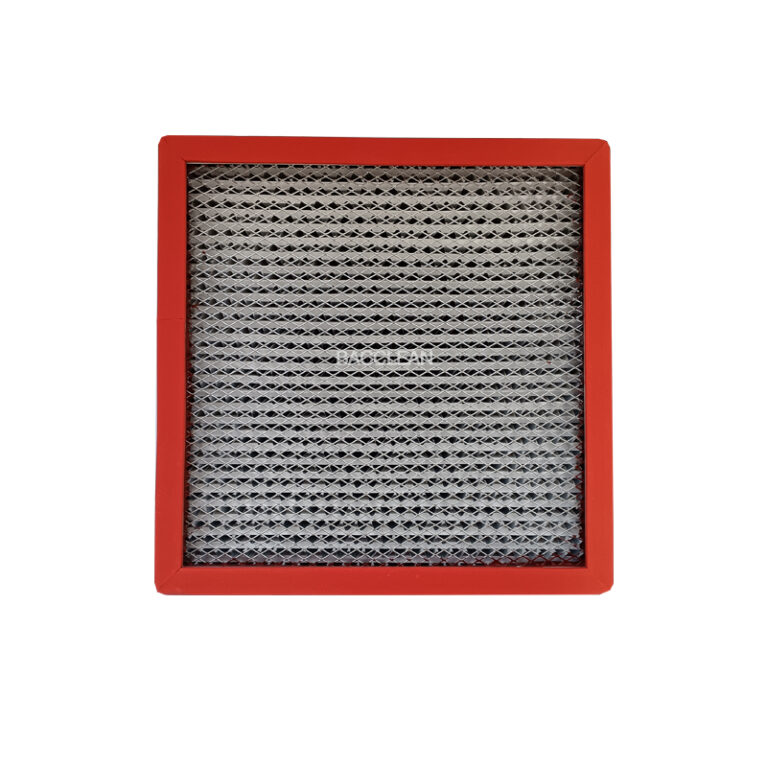
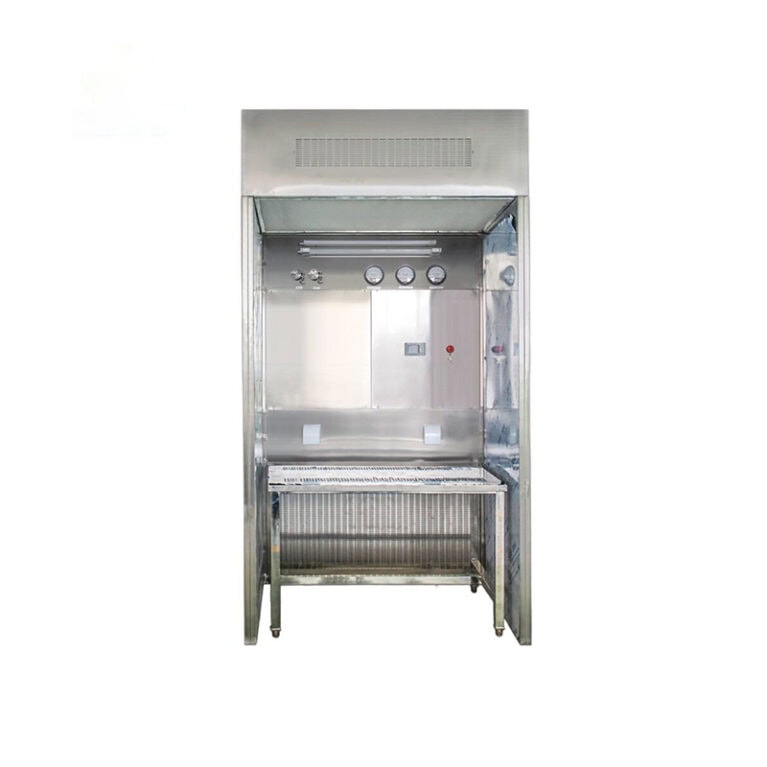
Check the differential pressure gauge first. Continuous differential pressure exceeding the standard threshold indicates heavy dust accumulation on filters, which shall be replaced timely. If dust leakage still occurs with normal differential pressure, inspect door frame sealing strips and welding gaps for air leakage and repair sealing defects. Insufficient fan air volume requires inspection of motor operating status, cleaning dust on impellers or replacing aging fan assemblies.
-
Turbulent airflow & fluctuating weighing data
Main triggers: dust blockage at air outlets, interference from surrounding ventilation equipment, excessive opening of operation windows.
Regularly clean air outlet deflectors, standardize operating behaviors and prevent cross airflow in workshops from disturbing local airflow environment.
-
Excessive equipment noise
Mostly caused by unbalanced fan impeller dynamic balance and loose fixing brackets. Regular impeller balance calibration and component fastening can control operating noise within 52dB, meeting cleanroom noise standards.
2. Standardized Maintenance: Core Guarantee for Stable Equipment Performance
A hierarchical maintenance system shall be established.
- Daily Maintenance: Clean equipment inner walls, operation countertops and air outlets; wipe and disinfect to prevent pollution caused by residual materials. Verify temperature, humidity, differential pressure and airflow velocity daily to ensure all parameters stay within standard ranges.
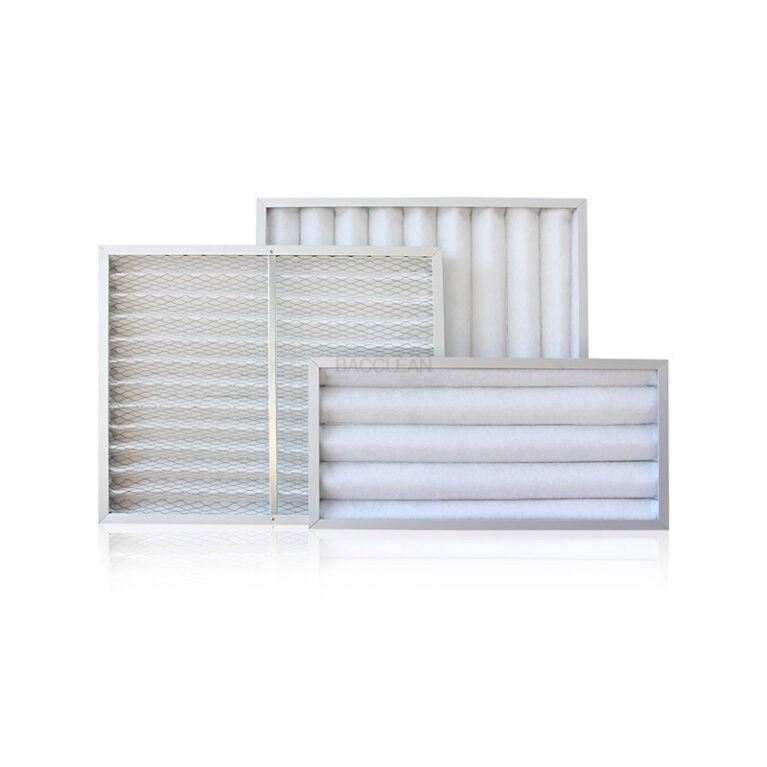
- Monthly Maintenance: Clean pre-filters, inspect sealing strips and fan operating conditions; calibrate airflow velocity and negative pressure accuracy.
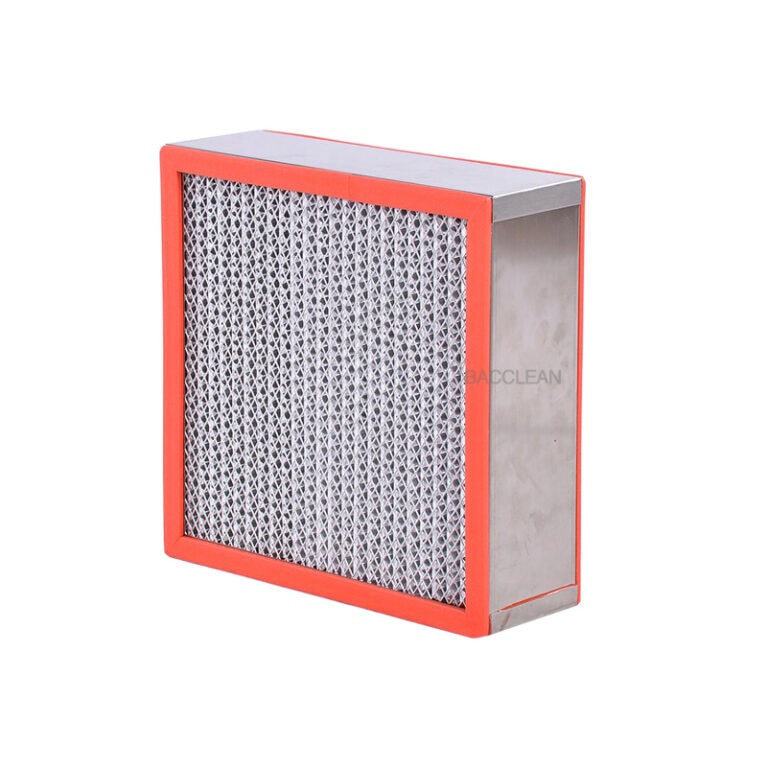
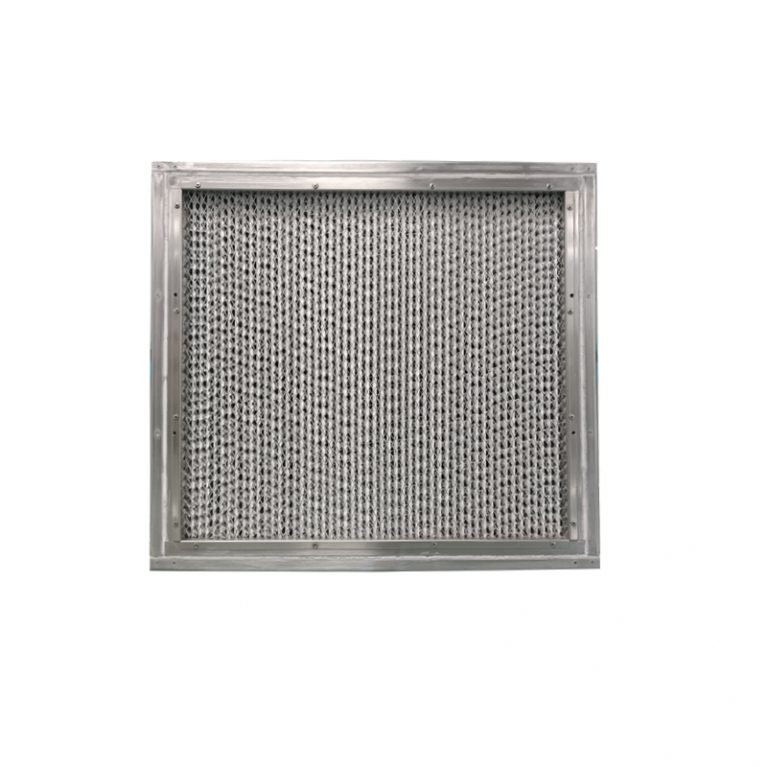
- Quarterly & Annual Maintenance: Replace HEPA filters; comprehensively test fans, electrical control systems and alarm modules; complete overall equipment commissioning and calibration.
Important note: HEPA filter replacement must be carried out under shutdown dust-free conditions. After replacement, filter scanning leak test and airflow balance test are mandatory to avoid substandard cleanliness resulting from improper installation.
3. Adaptation Optimization for Different Working Conditions
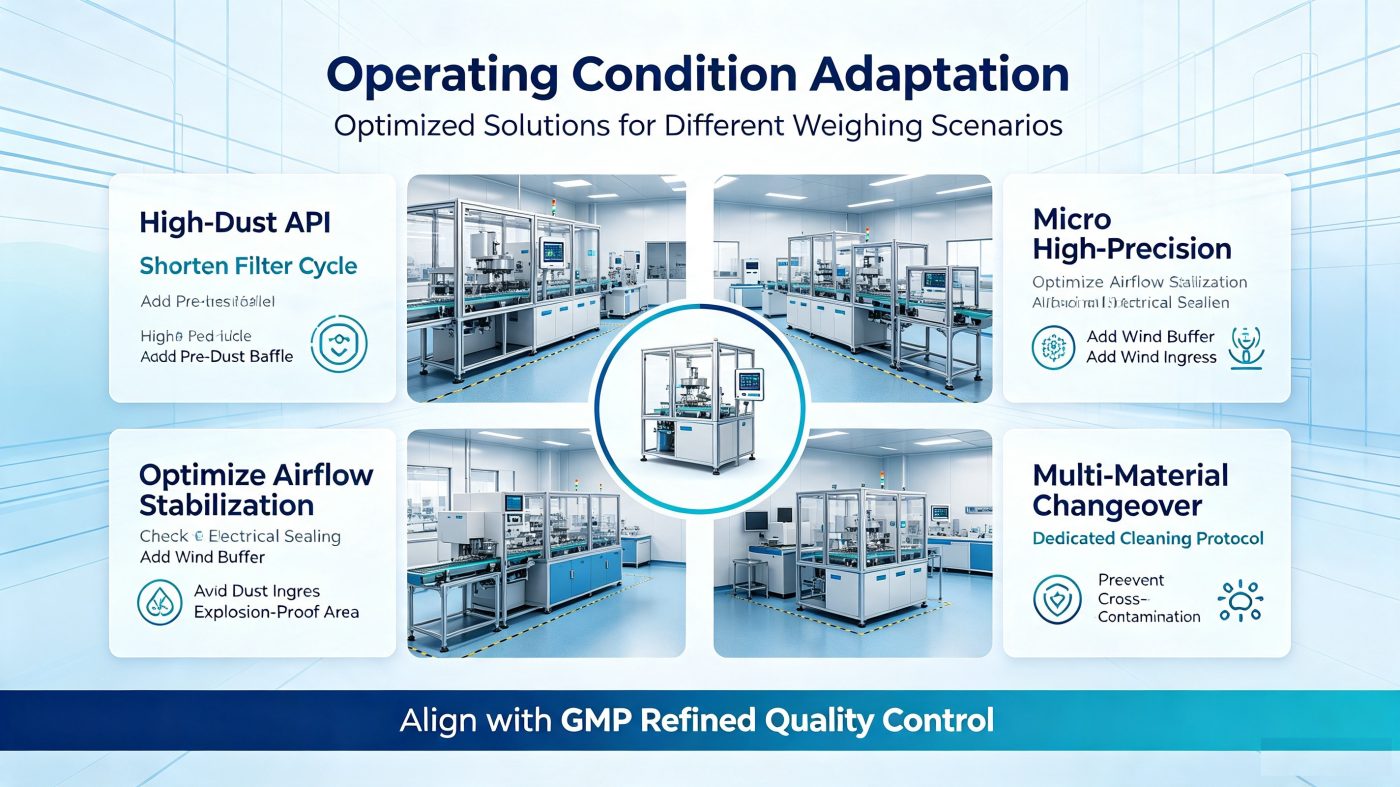
Optimization tailored to different scenarios can greatly improve equipment operating efficiency.
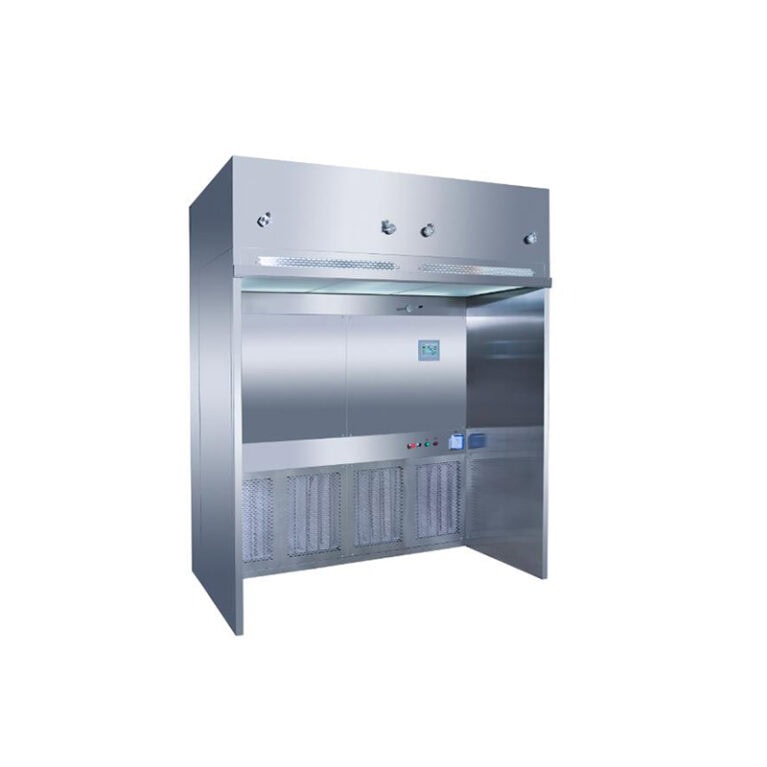
- High-dust API Weighing: Shorten filter replacement cycles, install front dust baffles to enhance pre-interception of dust and reduce HEPA filter consumption.
- Micro High-precision Weighing: Optimize airflow pressure stabilization system and install wind buffer structures to eliminate weighing errors induced by airflow fluctuation.
- Explosion-proof Cleanroom Conditions: Regularly inspect tightness of explosion-proof electrical components and prevent dust ingress into electrical circuits to eliminate safety hazards.
- Alternate Weighing of Multiple Materials: Establish exclusive cleaning and disinfection protocols to avoid cross-contamination, complying with refined GMP quality control requirements.
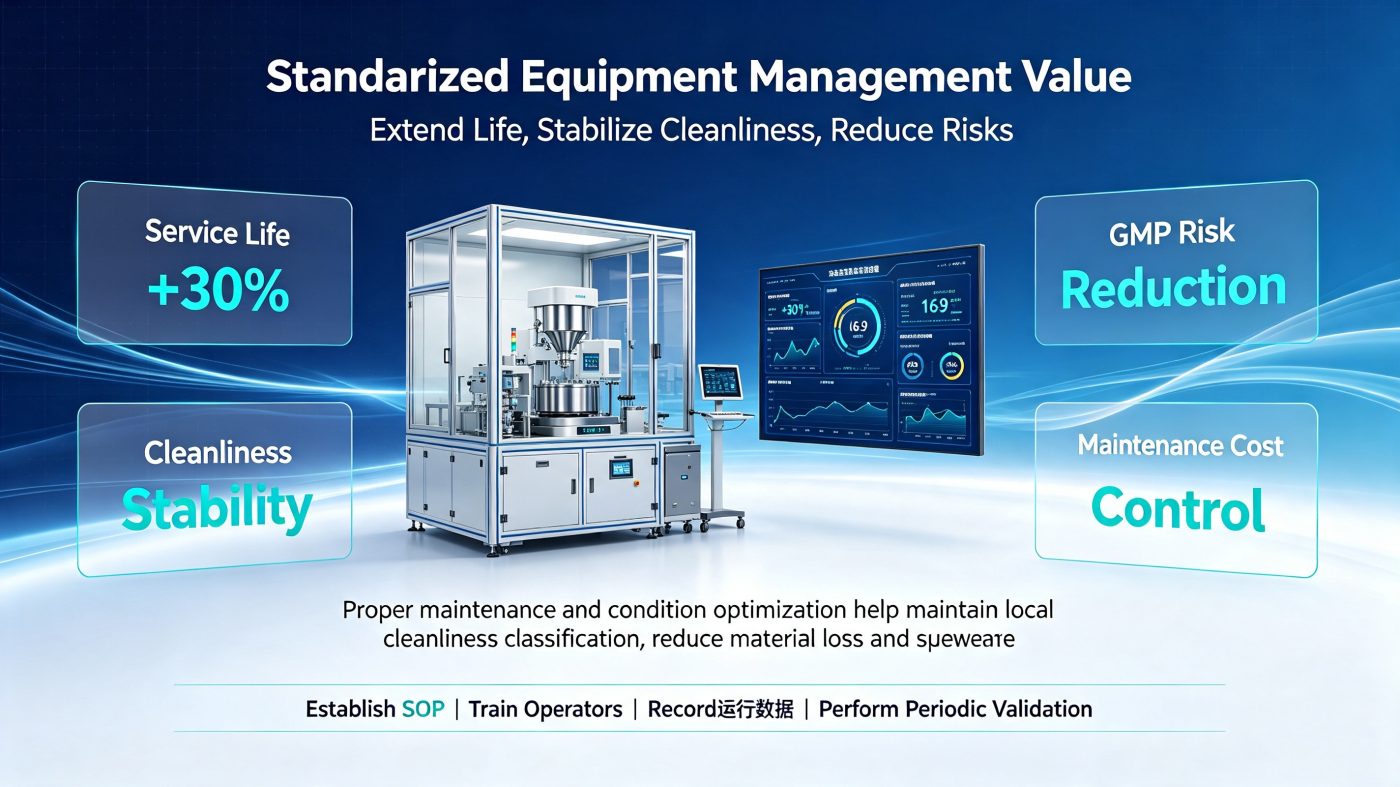
Proper maintenance and working condition optimization can extend the service life of weighing booths by 30%, sustain stable local cleanliness classification, and significantly reduce corporate compliance risks and equipment maintenance costs. It is an essential part of refined equipment management for clean production workshops.
