High-efficiency Filter (HEPA) Installation + Maintenance Complete Guidelines
I. Key Points During Installation (Incomplete / Incorrect Installation Directly Results in Failure of Efficiency, Unqualified Cleanliness)
1. Pre-installation Inspection
Handle the box gently, avoid dragging, stepping on, or bumping the filter surface; fiberglass filter materials are highly fragile and even tiny holes can cause dust leakage.
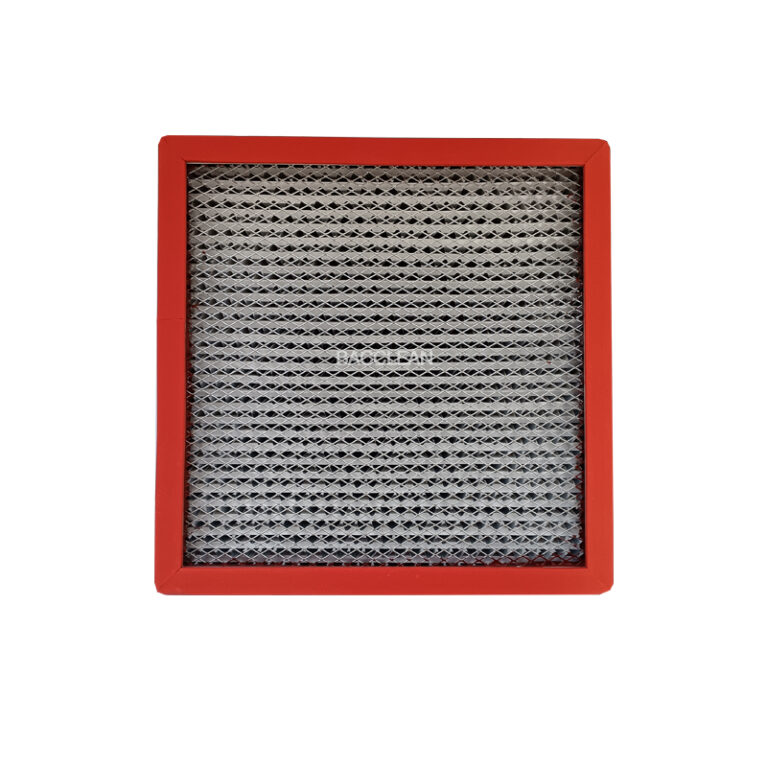
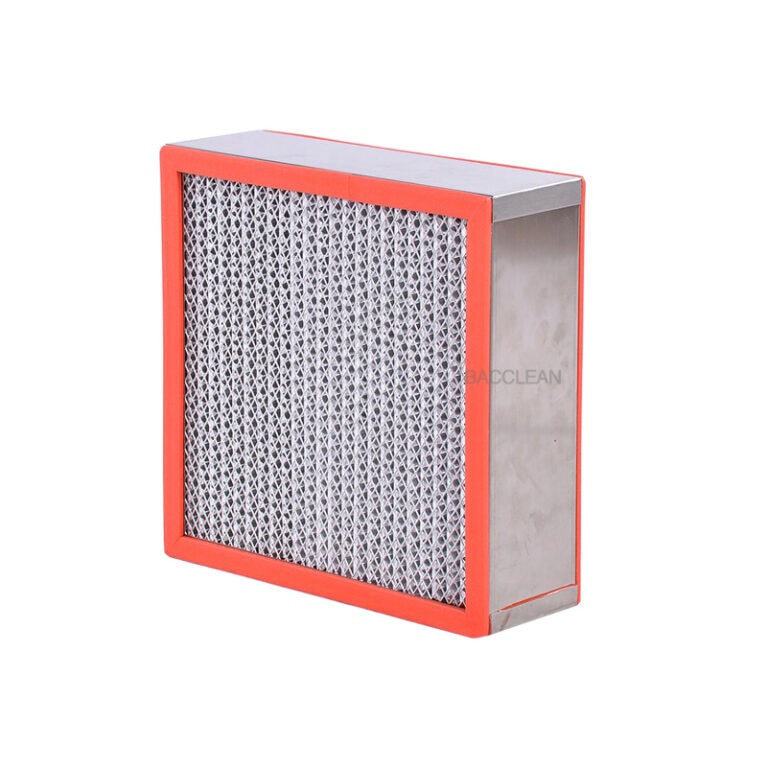
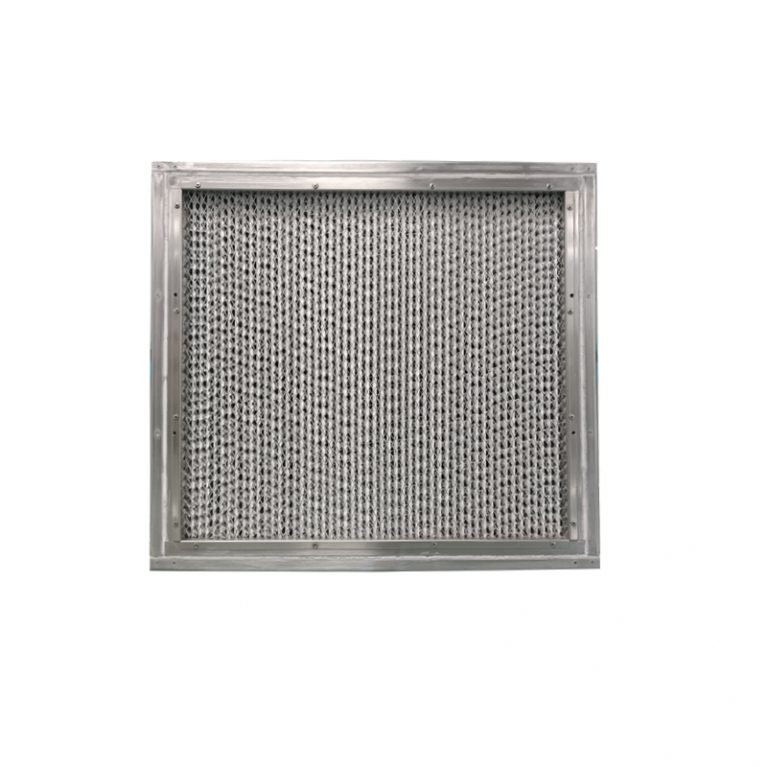
Verify the model, size, and filtration efficiency (H14 Pharmaceutical Grade A standard), check if the filter frame is deformed, the filter surface is damaged, or the sealing rubber strip is missing.
Store in a clean and dry environment, avoid stacking in open areas, damp areas, or dusty areas. Do not remove the protective film before installation.
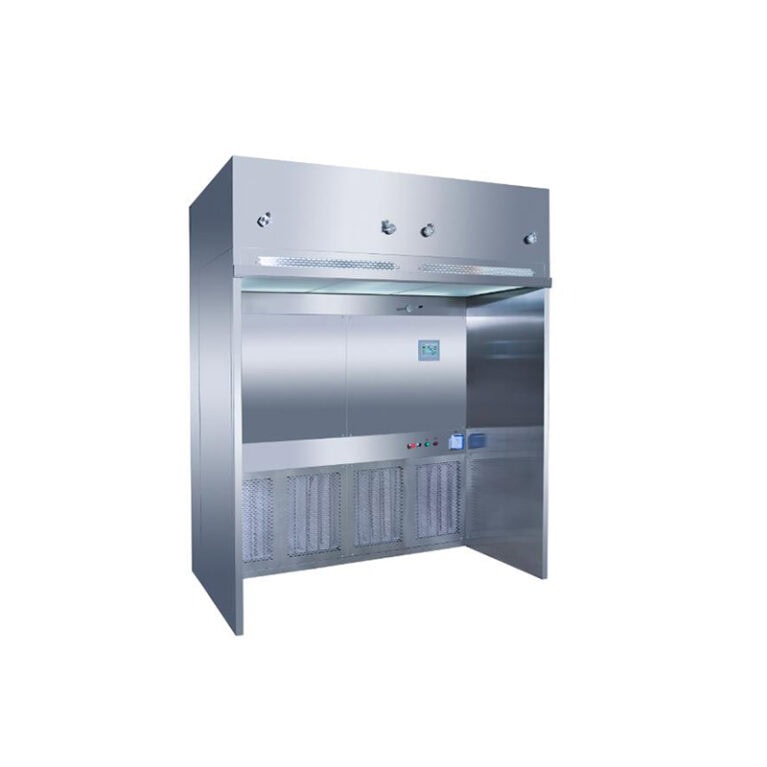
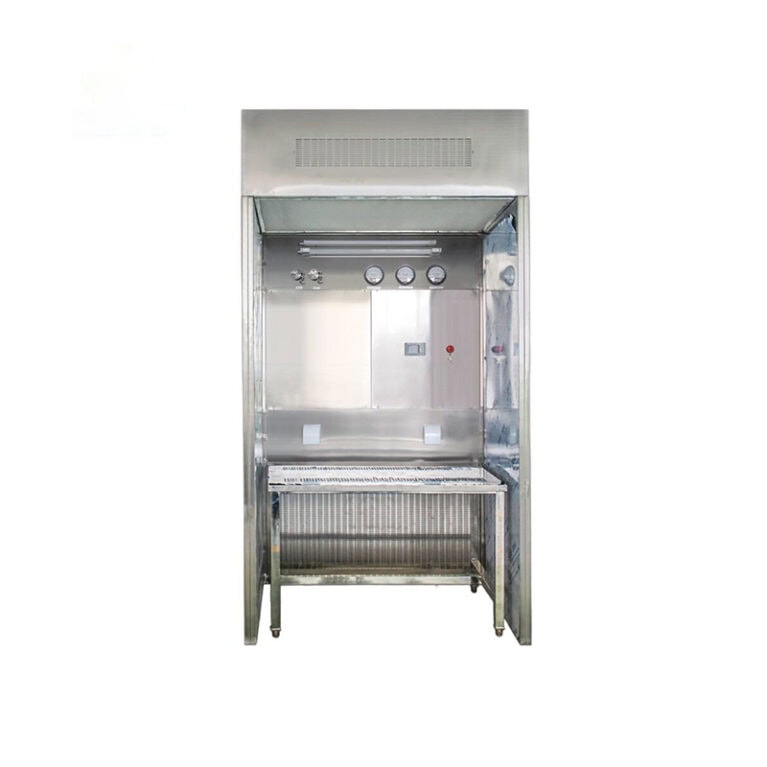
Clean and vacuum the interior of the laminar hood thoroughly, remove any floating dust, debris before installing the HEPA.
2. Installation Alignment and Sealing (The Most Important Point, Core of GMP Leak Detection)
The airflow direction must not be installed reversed: The side with the arrow mark is the wind-facing side, facing the fan / intermediate-efficiency side; the non-woven fabric guard net faces outward. Reversing the installation will cause rapid blockage and halve the lifespan.
The sealing rubber strips of the frame must be intact without cracks or compression deformation; the rubber strips must be continuous in a whole circle and not be pieced together with gaps.
Press the bolts / strips evenly, tighten diagonally in steps, do not apply force unilaterally to prevent the filter frame from deforming or local leakage.
There should be no debris, wire ends, or dust clumped under the rubber strips between the filter frame and the installation flange; even tiny impurities will cause leakage.
For ceiling-mounted laminar hoods, take precautions during high-altitude installation, prevent tools and screws from falling and damaging the HEPA filter material.
3. Must Perform Post-Installation Testing
After all is installed, run it without load for 30 minutes to blow away internal dust.
PAO/DOP Integrity Leak Detection: Scan the filter material, frame, and sealing gasket line by line; if the leakage exceeds the standard, it is necessary to disassemble and replace the filter or replace the filter.
Measure the working surface wind speed (standard 0.36 – 0.54 m/s), record the initial pressure difference of the HEPA, and establish a ledger for later judgment on replacement.
II. Daily Use and Maintenance Precautions
1. Daily Use Protection to Reduce HEPA Loss
Do not block the outlet or return air area; blocking the airflow will increase the resistance of the HEPA, causing the fan to overload and the filter to accelerate clogging.
When cleaning, grinding, or transporting materials in the workshop, close the laminar hood in advance, wait for half an hour to dust off before starting the machine.
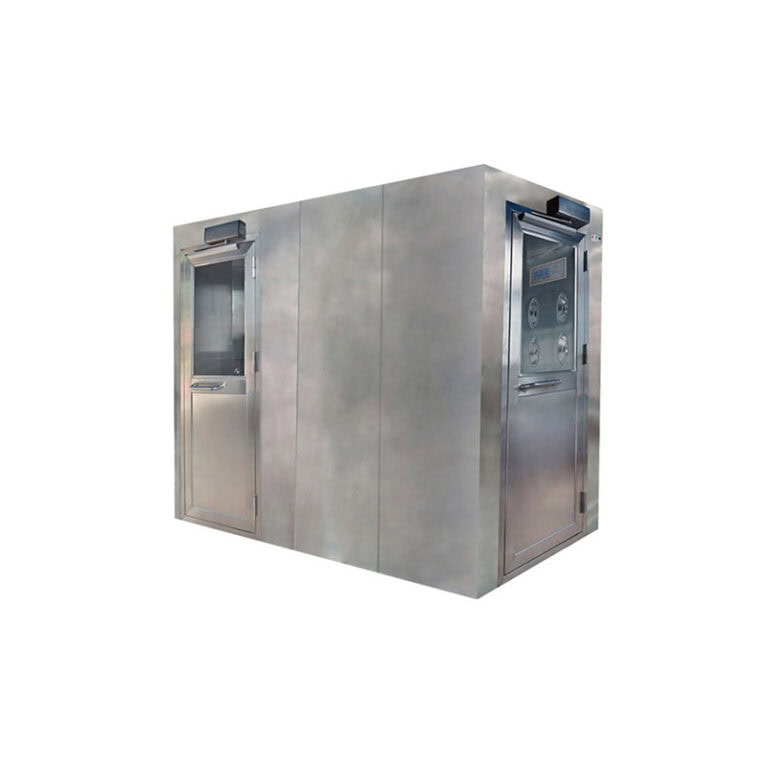
Do not direct strong wind (wind shower, air conditioning outlet) at the working surface of the laminar hood; turbulent air will carry surrounding dust and adsorb the HEPA in the opposite direction.
Disinfection: Do not directly spray alcohol, hydrogen peroxide, or disinfectant fog on the HEPA filter surface for a long time, as it will corrode the fiberglass and sealing rubber and shorten the service life; disinfection should mainly be done by wiping the stainless steel shell.
Do not operate at full wind volume for a long time; a medium-level wind speed during daily operation is sufficient to reduce the dust adsorption rate.
2. Pre-filter is the protective layer of the HEPA (Core Maintenance)
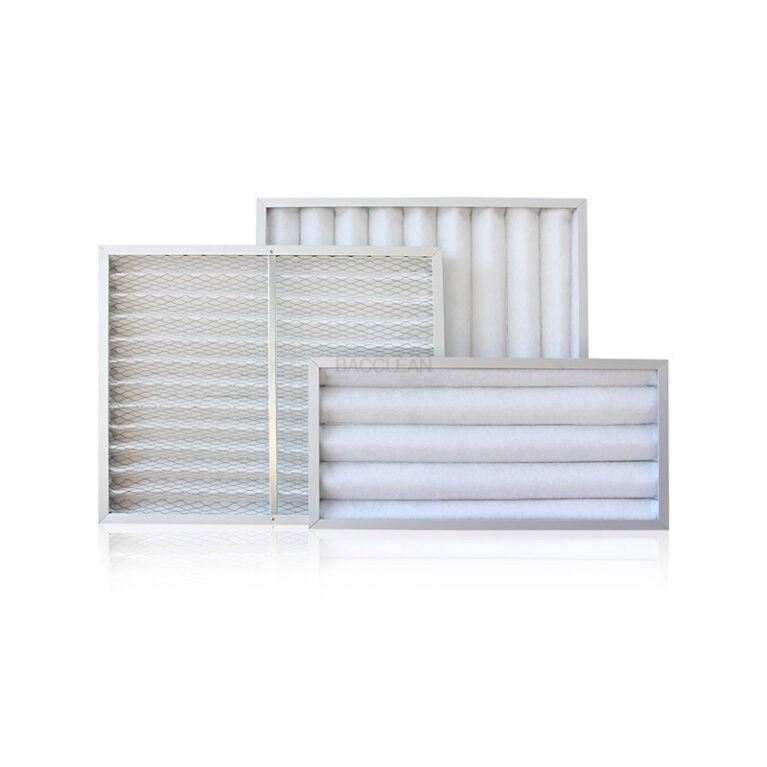
Replace the primary and intermediate-efficiency filters strictly according to the cycle; do not replace if they are clogged, as this will allow a large amount of dust to directly penetrate the HEPA.
The primary filter can be blown clean with a low-pressure air gun; the HEPA must not be blown, washed, or patted; it will damage the fiberglass fibers and cause permanent leakage.
Regularly check if the pre-filter is damaged or leaking; if dust bypasses the pre-filter, the lifespan of the HEPA will be significantly shortened.
3. Pressure Difference Monitoring and Replacement Judgment
Daily inspection and record the pressure difference of the HEPA; when the pressure difference reaches twice the initial pressure difference, it must be replaced regardless of how long it has been used.
If there is a local lack of wind, uneven airflow, or continuous excessive particle levels on the working surface, eliminate environmental issues before replacing the HEPA.
Regular reference period: intermittent operation for 2 – 3 years, 24-hour continuous operation for 1.5 – 2 years; only use as a time reference, priority is pressure difference.
III. Prohibited Operations During Maintenance and Replacement of HEPA
Before replacement, shut down the fan, disconnect the power, and hang a sign to prevent accidental start-up and secondary pollution of the new filter.
The old HEPA filter is a dust-containing pollutant; seal it in a plastic bag and remove it from the clean area, do not disassemble or shake it in the clean room.
When replacing the new high-efficiency equipment, personnel should wear clean clothes and gloves. It is prohibited to touch the filter material or filter paper with bare hands as grease on the hands can clog the micropores.
After the replacement is completed, PAO leak detection and wind speed tests must be re-conducted. Only when they are qualified can the equipment be put into production.
IV. Long-term Shutdown Maintenance
When the workshop is shut down for a long period, cover the high-efficiency air outlets with dust protection films to prevent dust accumulation.
For the humid clean area, it is recommended to briefly turn on the equipment for 1 hour for ventilation once a week to avoid the filter materials getting damp and moldy, as well as the aging and detachment of the rubber strips.
Regularly clean the electrical control and fan to avoid the reduction of air volume, which indirectly increases the load on the high-efficiency equipment.
V. Summary of Common Violations and Hazards
Reversing the high-efficiency installation, poor sealing: Insufficient leak detection, product contamination;
Washing HEPA with blow-sweeping water: Filter material damage and permanent leakage;
Not replacing the pre-filter cartridge in time: The high-efficiency equipment will be blocked and scrapped within 1 year;
Rough disassembly and knocking: The micropores cannot be seen, and dust continues to leak;
Direct spraying of disinfection fog on the filter surface for a long time: Rubber strips melting, glass fibers corroding and failing.