I. Daily Inspection (Per Shift / Daily)
Observe the air outlet
Check for uneven airflow, vibration, or abnormal noise
Look for discoloration, accumulated dust, or mold spots
Check the pressure difference
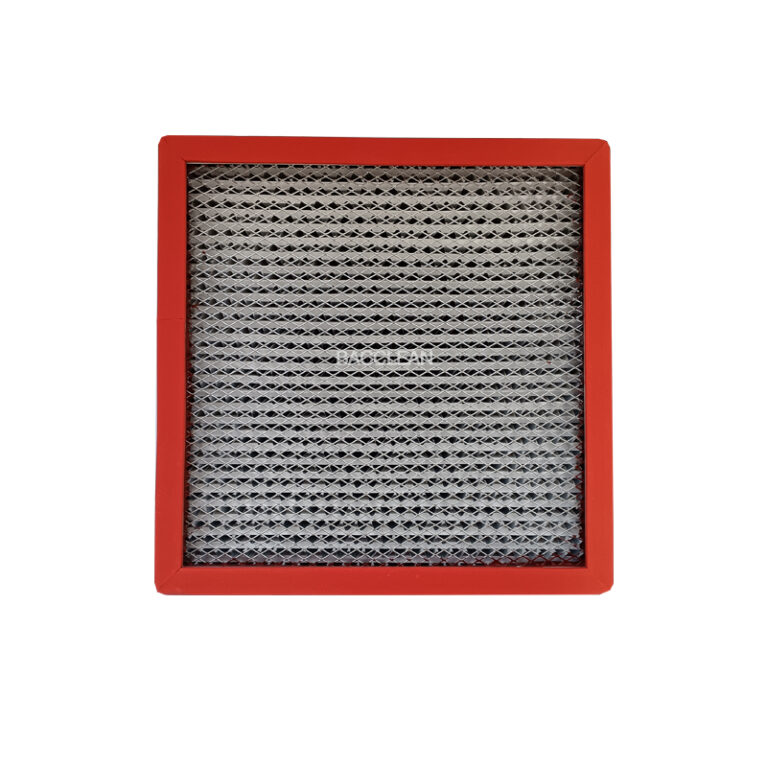
Record the current pressure difference of the high-efficiency filter
If the pressure difference suddenly increases rapidly, it indicates that the front-end filter has failed or is clogged
Prohibited Actions
It is strictly forbidden to have dust, unpacking, sanding, or spraying large amounts of disinfectant under the high-efficiency air outlet
It is strictly prohibited to poke, scrape, or collide with the uniforming plate of the air outlet
II. Weekly Maintenance
Surface Cleaning
Use a lint-free cloth and 75% alcohol to gently wipe the uniforming plate and frame
Do not use hard brushes, high-pressure air, or strong acids and alkalis Check the seal.
Check if the filter strips and rubber seals are loose, cracked or have peeled off.
Tighten loose screws (uniformly and evenly in opposite directions).
Archive the pressure difference records.
Form fixed records to facilitate the judgment of the blockage trend.
III. Monthly Maintenance
Pressure difference analysis
Compare with the initial pressure difference
If it rises by more than 50%, it requires special attention
Check the surrounding of the static pressure box
For any condensation water, moisture, or mold
If there is water, it must be dealt with promptly to avoid corrosion and bacterial growth
Check the operation status of the fan/FFU
For any abnormal noise, vibration, or overheating
IV. Quarterly Maintenance
Check the uniformity of wind speed
Test the wind speed at multiple points to ensure laminar flow stability
Visual leak detection
Observe if there is any air leakage or dust accumulation lines at the frame
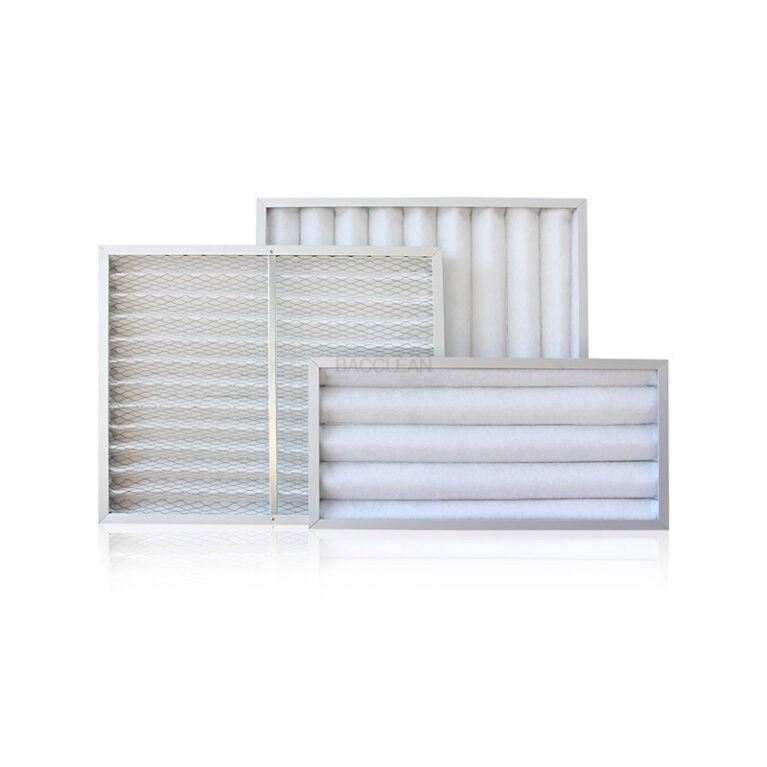
Check the front filter
Check if the primary and intermediate filters are clogged and replace them in time to protect the high-efficiency ones
V. Annual Mandatory Maintenance (Critical)
PAO integrity leak detection
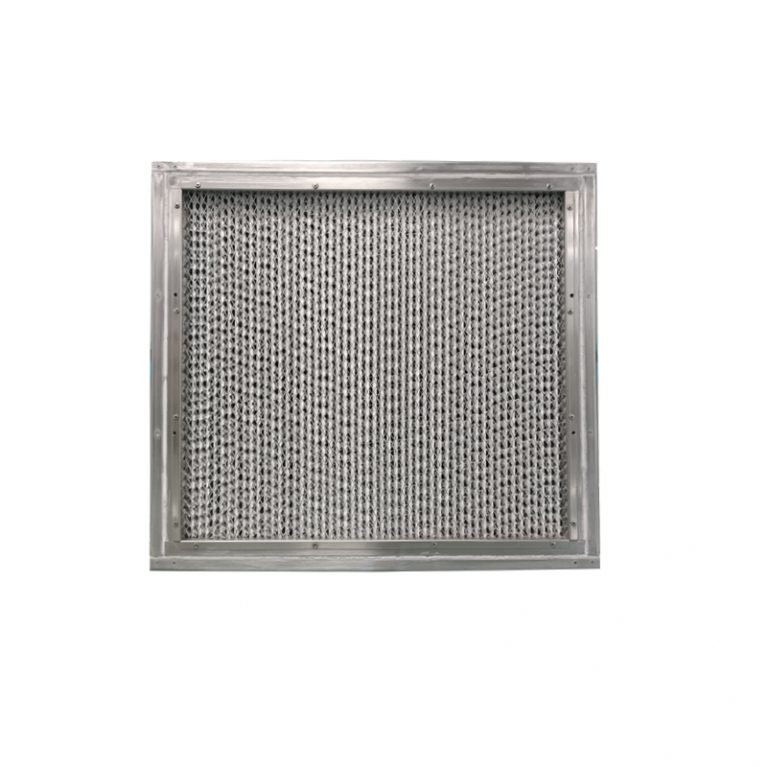
All frames and filter materials should be thoroughly inspected for leaks. Those that do not meet the standards must be replaced
Comprehensive performance verification
Recheck wind speed, pressure difference, and cleanliness
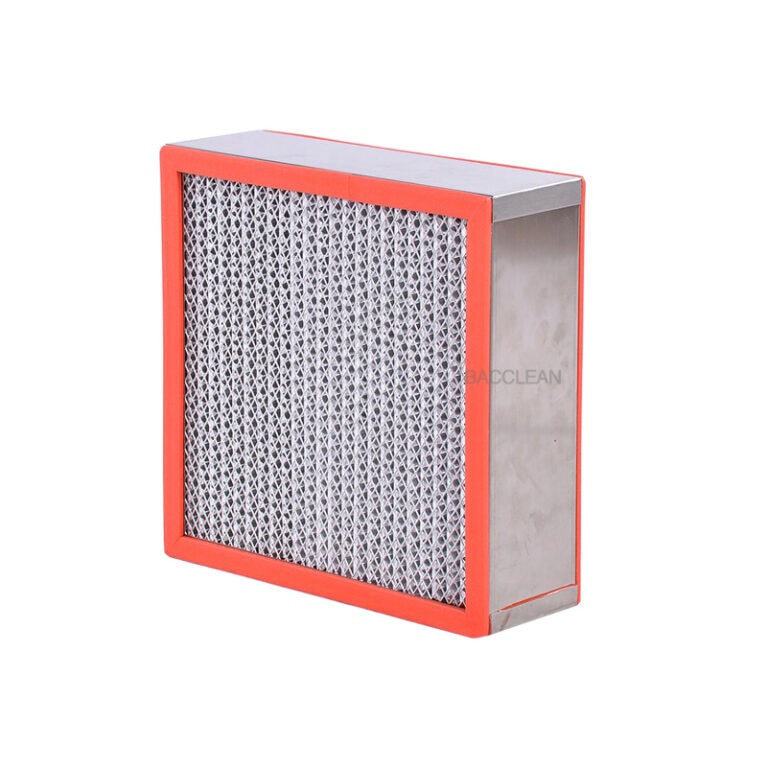
Replace the high-efficiency filter based on the situation
Normal environment: Replace every 1-2 years
High dust, high humidity, frequent sterilization: Replace every 1 year or so
Replace if the resistance reaches twice the initial resistance
VI. Maintenance Red Lines (Absolutely Not Allowed)
Do not use high-pressure air to directly blow the high-efficiency filter
Do not use water for rinsing
Do not randomly disassemble, step on, or squeeze
Do not use it for long-term use beyond the expiration date to avoid fiber detachment and dust loss
Do not not keep records and have the maintenance ledger checked by auditing
VII. Summary in One Sentence
Regularly check the pressure difference, wipe the surface weekly, inspect the status monthly, and replace it when due.